Cats hiss to communicate discomfort and create space, often when they feel threatened, frustrated, or in pain. RSPCA explains that this warning can help avoid conflict. Stop the interaction and give the cat room. A new or concerning change needs veterinary advice rather than punishment or a test of how much the cat will tolerate.
Animalia’s guide starts with the situation before the hiss, then helps you choose a calm next step. You do not need to decide that a cat is mean, guilty, or “the aggressor” to respond safely.
Why do cats hiss in different situations?
| What happened just before | What to change now | What still needs checking |
|---|---|---|
| Someone reached toward or held the cat | Stop touching and allow distance | Whether touch was unwanted or painful |
| A person, pet, or noise came close | Reduce pressure and leave a clear retreat | What the cat can hear, see, or reach |
| Another cat approached a resting or feeding place | Give the cats separate space and access | Whether one cat is blocking the other’s needs |
| A previously comfortable cat hisses during normal care | Stop the task and contact your vet | Pain or another health change |
| The cat seems severely painful or has trouble breathing | Seek urgent veterinary help | Follow the clinic’s handling and transport advice |
A hiss tells you the situation needs attention; it does not identify one cause. Fear, frustration, and pain can look similar. Record what happened before and after rather than deciding from the sound alone. This table is an Animalia observation aid, not a way to diagnose illness or rank cats by blame.
What should you do when a cat hisses at you?
Stop approaching or touching, move back calmly, and let the cat reach a quiet place without being followed. Keep children and other pets away from the interaction. Avoid staring, cornering, scolding, or picking the cat up to soothe them. If the cat may be hurt or unwell, call your vet for advice.
Give the cat a route away rather than standing over them until they become quiet. Quietness alone does not confirm comfort. Cats Protection recommends looking at the whole body and the context. Watch whether the cat remains tense, crouches, or tries to leave, and reduce the pressure instead of asking them to tolerate it.
If your cat chooses to hide, do not reach into the space for a forced greeting. Our cat hiding-place guide explains how to offer a retreat that stays accessible. Let people in the home know that the hiding place is somewhere to leave the cat alone, while still monitoring care needs.
Do not hiss back or deliberately repeat the trigger to see whether the response happens again. A factual note is more useful: “Before the hiss: __. What I changed: __. What happened next: __.” Animalia recommends this calm record when discussing a recurring concern with a professional.
A hiss during petting or routine care
Some cats prefer short contact and may become uncomfortable when touch continues. Cats Protection describes limits to petting and possible pain-related responses. Stop when your cat turns away or becomes tense, rather than waiting for a hiss. A cat who was comfortable earlier may choose distance now.
If hissing happens when you touch one spot, do not press it again to check for pain. Call your vet and describe the pattern. Avoid giving human pain medicine or adding an unverified calming product. The priority is to understand the change and plan care that the cat can tolerate.
Routine tasks can often be practiced in smaller steps once health concerns are addressed. For example, our carrier training guide uses a gradual approach. If a visit or treatment is urgent, ask the veterinary team how to proceed instead of forcing a practice session to work that day.
How should you respond when cats hiss at each other?
Create space and reduce the pressure on both cats. Do not make them stay close to work it out or restrain them for a meeting. Review access to food, water, litter boxes, and retreats. If the hissing is new, persistent, or accompanied by conflict, ask your vet and a qualified feline professional for help.
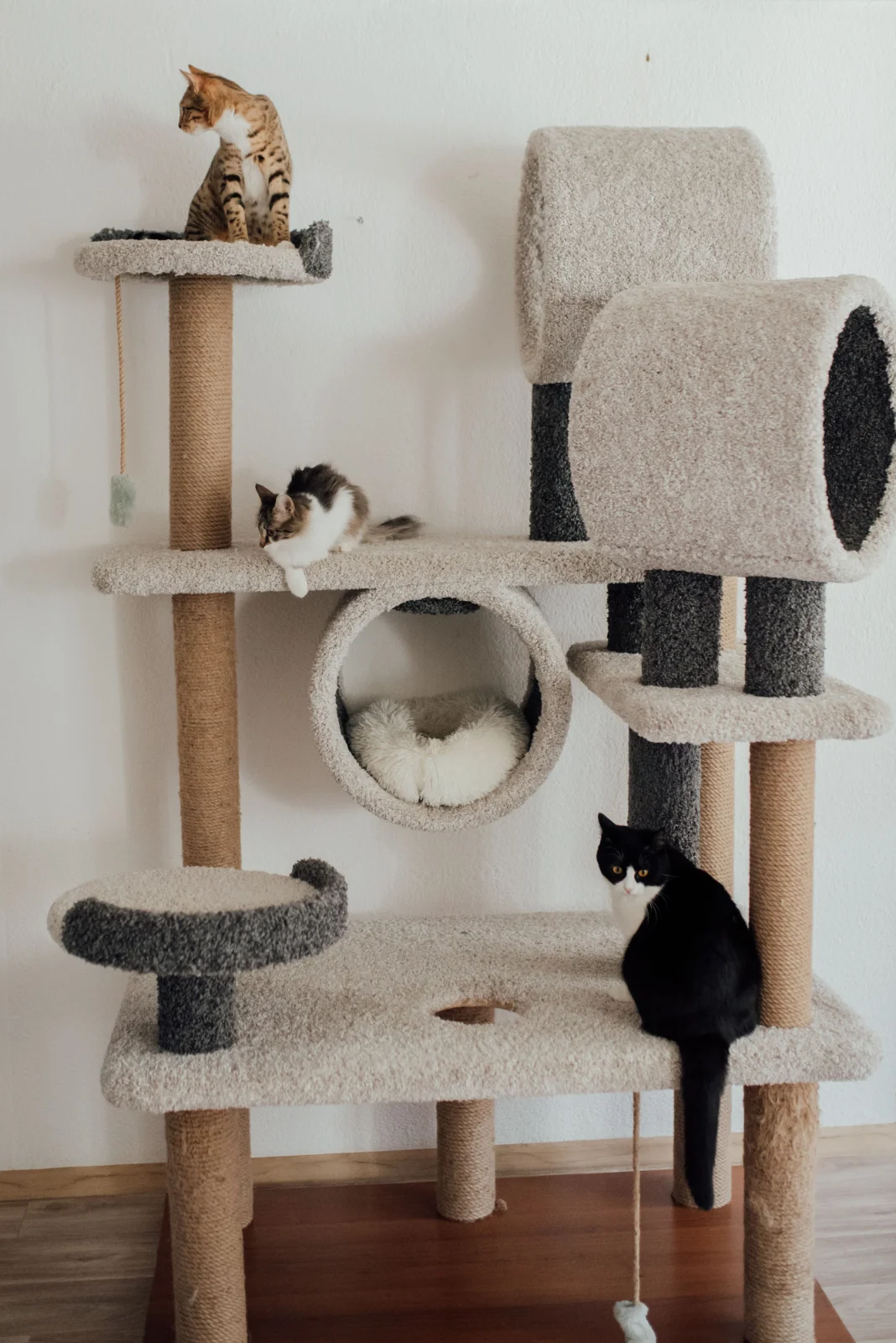
Battersea recommends introductions that progress at the cats’ pace and allow each cat to approach and retreat. If either becomes uncomfortable, make the next step easier. A hiss is information to reassess, not a reason to push through the meeting or decide that the cats must immediately become friends.
If a fight starts, avoid reaching between the cats with your hands. Keep yourself safe and use the clinic’s or behavior professional’s advice for your home. Do not force either cat into a carrier as part of an introduction. Each needs a safe place and a route away from pressure.
Look beyond the loudest cat. Notice whether another cat blocks a doorway, watches a litter-box route, or follows the cat who retreats. Write down the pattern for a professional. Our cat room setup guide can help you plan separate resting and care areas without forcing shared space.
When hissing needs prompt veterinary attention
Contact your vet if hissing is new, keeps recurring, or comes with a change in movement, appetite, bathroom habits, or response to touch. Do not assume it is just a personality trait. PDSA lists hissing or growling among possible signs of pain and advises veterinary contact for a pet in pain.
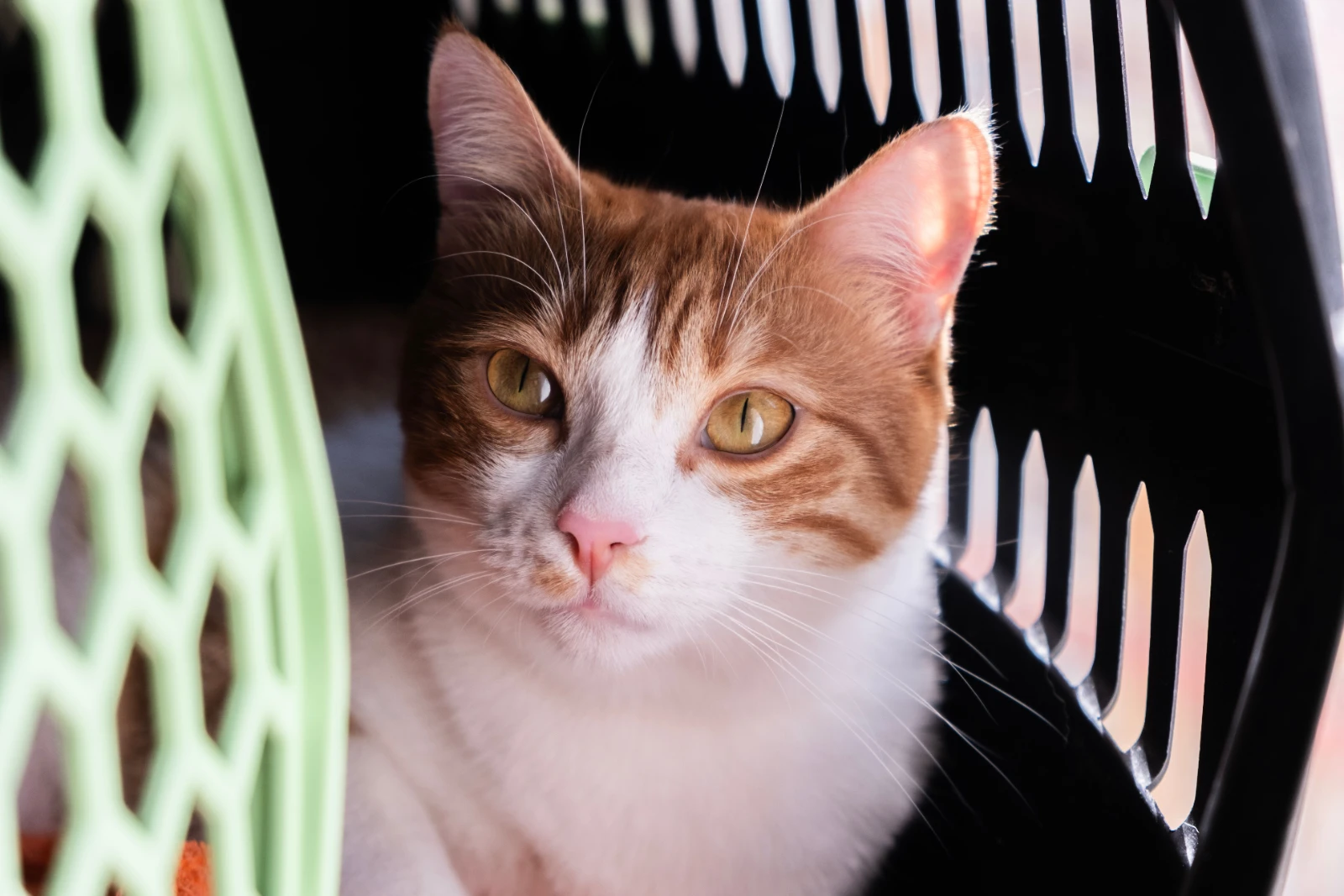
Severe pain, trouble breathing, or heavy bleeding can be emergencies. Seek urgent veterinary help and follow transport instructions. Do not force an examination at home or give medicine without veterinary advice. Tell the clinic what changed and whether touching or moving the cat seems to make things worse.
FAQ: understanding a cat’s hiss
Does hissing mean my cat hates me?
No single hiss can tell you that. It is more useful to consider what made the cat uncomfortable in that moment. Stop the interaction, allow distance, and note the context. If the behavior is new or you are concerned about pain or illness, contact your vet. A warning should guide your response, not become a judgment about the relationship.
Should I punish my cat for hissing?
No. Punishment can add fear and pressure to a situation that is already uncomfortable. Give space, keep other people and pets away, and review what triggered the response. RSPCA treats protective behavior as useful communication. If the pattern continues, seek veterinary advice and help from a qualified reward-based feline professional rather than trying to silence the warning.
Why is my cat hissing at nothing?
You may not notice the same sound, smell, movement, or discomfort that your cat does. Avoid deciding there is no cause simply because it is not obvious to you. Give space and record the setting. If hissing is new, repeated, or accompanied by any change in normal behavior, ask your vet to assess the situation.
Can a kitten hiss during play?
A hiss can occur around an active interaction, but it should still prompt you to reduce pressure and observe. Do not assume the kitten wants more rough contact. Give a chance to disengage and use suitable toys at another calm moment. If you notice pain, illness, or a concerning change, contact your vet rather than labeling it normal play.
How long should I wait before approaching again?
There is no fixed number of minutes that makes every cat ready. Let the cat settle and choose whether to approach, without following them or blocking the exit. Continue to meet care needs. If the cat may be injured, seems unwell, or needs urgent treatment, contact the clinic for advice instead of waiting for a perfect greeting.
Respond to the warning with space and a plan
Pause, reduce pressure, and note what changed. Animalia recommends seeking care for new or concerning behavior and building everyday choice into the home. Our indoor cat care and enrichment guide helps you plan activities and retreats while respecting the cat’s need to end an interaction.
Sources and editorial notes
- RSPCA: protective behavior in cats
- Cats Protection: cat body language
- Cats Protection: understanding aggression
- Battersea: introducing cats
- PDSA: severe pain in pets
Animalia Editorial. Publication date: November 1, 2026. Sources checked October 29, 2026. Editorial Policy.
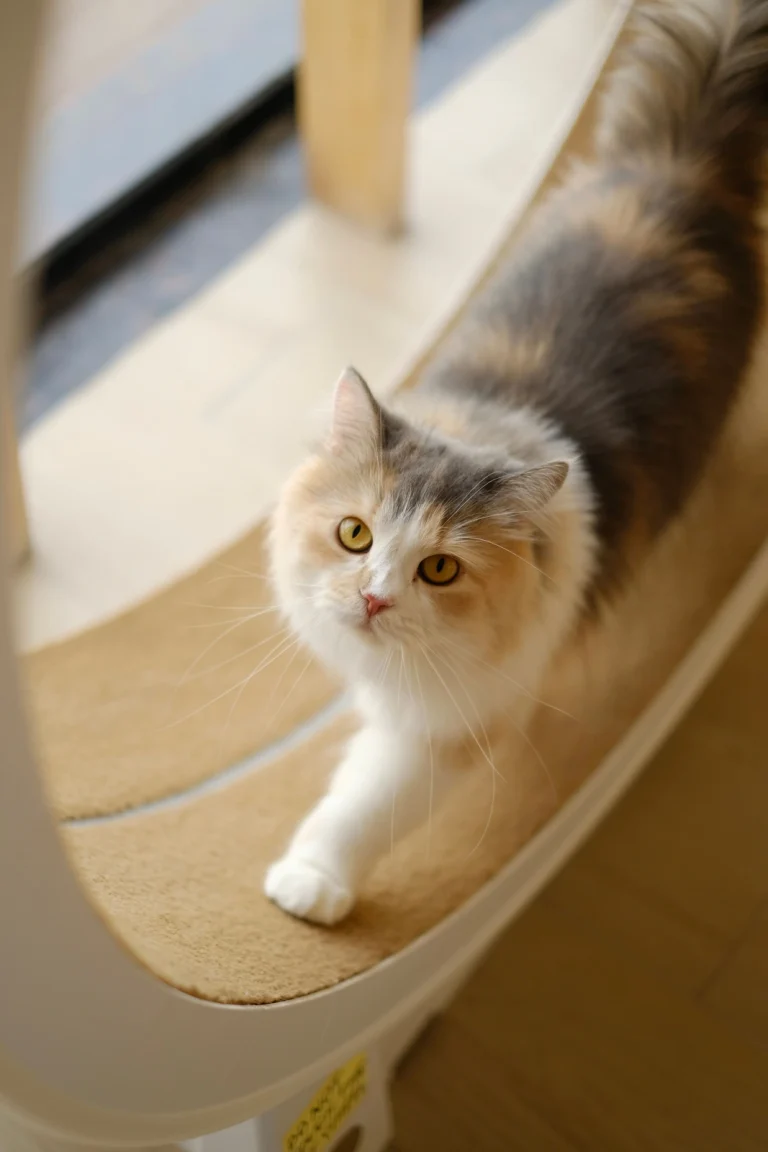
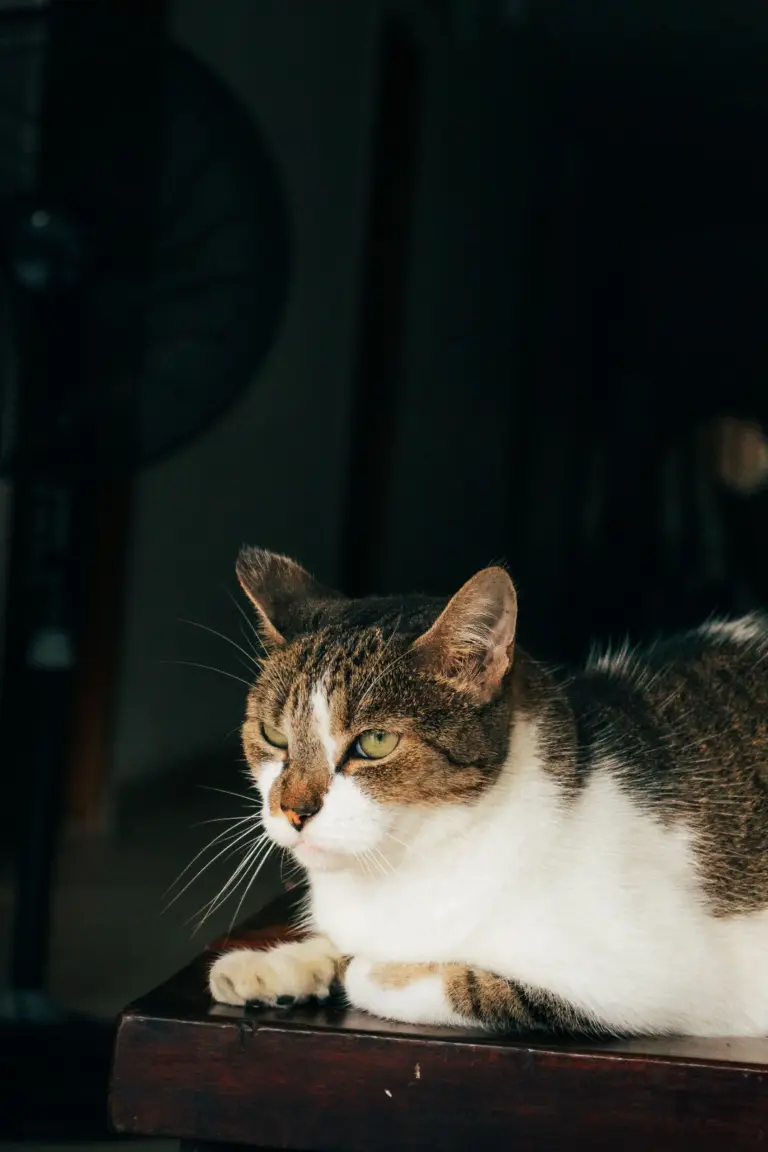
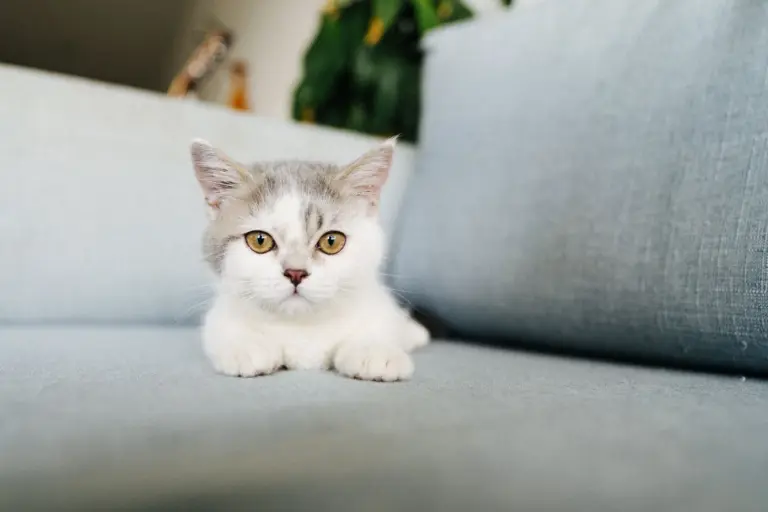
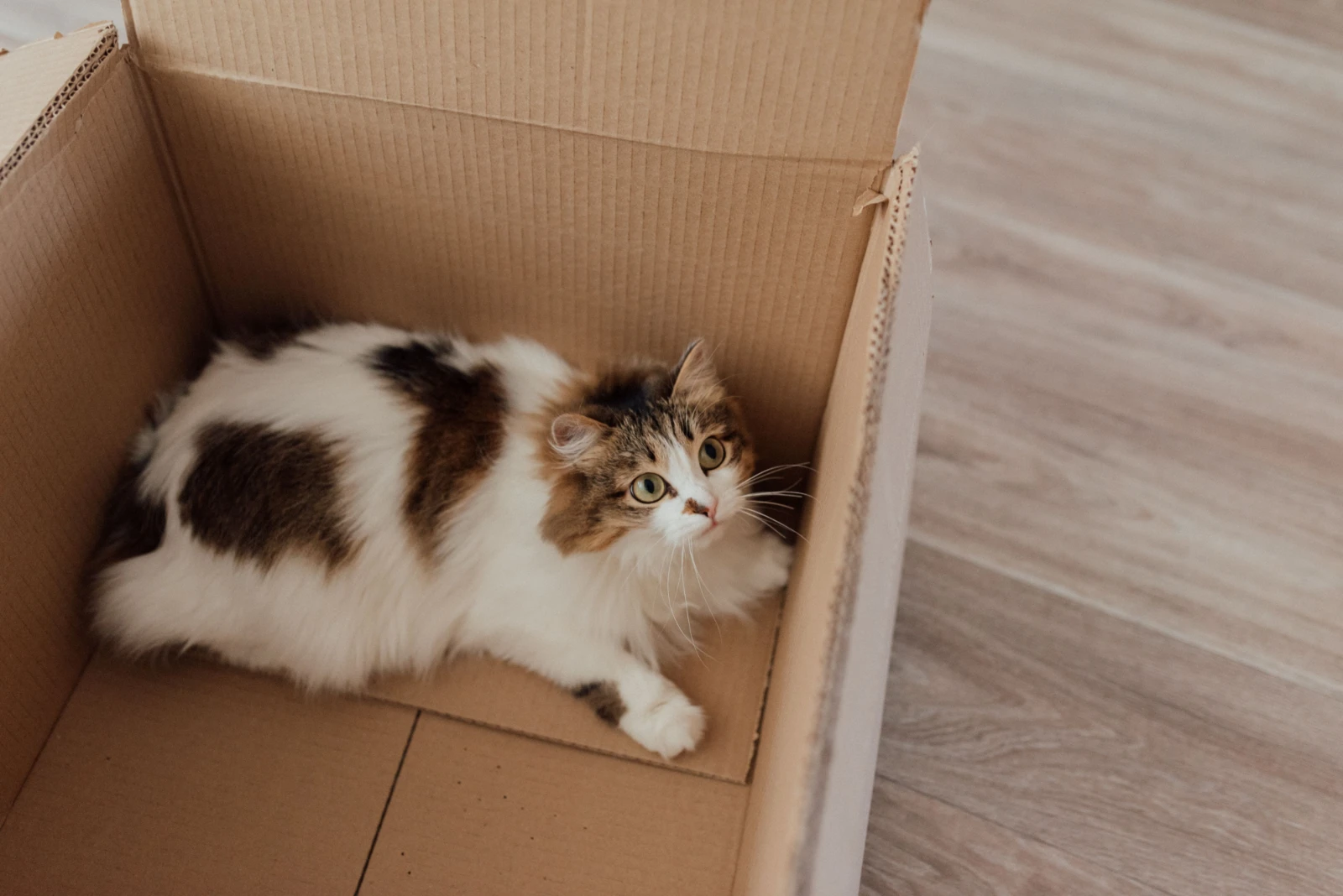
Featured photo: A cat has a place to retreat. This contextual photo does not show or establish hissing. Photo: Arina Krasnikova / Pexels
Prepared with AI assistance and reviewed against the sources above.