Cats can use dim light well, but that does not mean every cat prefers darkness for every activity. Cats Protection explains that cats cannot see when absolutely no light is available. Offer comfortable resting choices and an easy route to essentials. A new difficulty moving around at night deserves veterinary advice.
Animalia separates a lighting question from a vision problem: enjoying a sheltered nap is different from struggling to find a bowl. Use the home resource layout guide to check access before deciding that one brighter room or a darker bed will solve the issue.
Do cats like the dark, or do they simply see better in dim light?
Being able to see in low light does not establish a universal preference for dark rooms. Cats Protection describes good dim-light vision alongside the need for some available light. Consider what your cat is doing and whether the place feels comfortable. A quiet shaded bed and a completely lightless room are different situations.
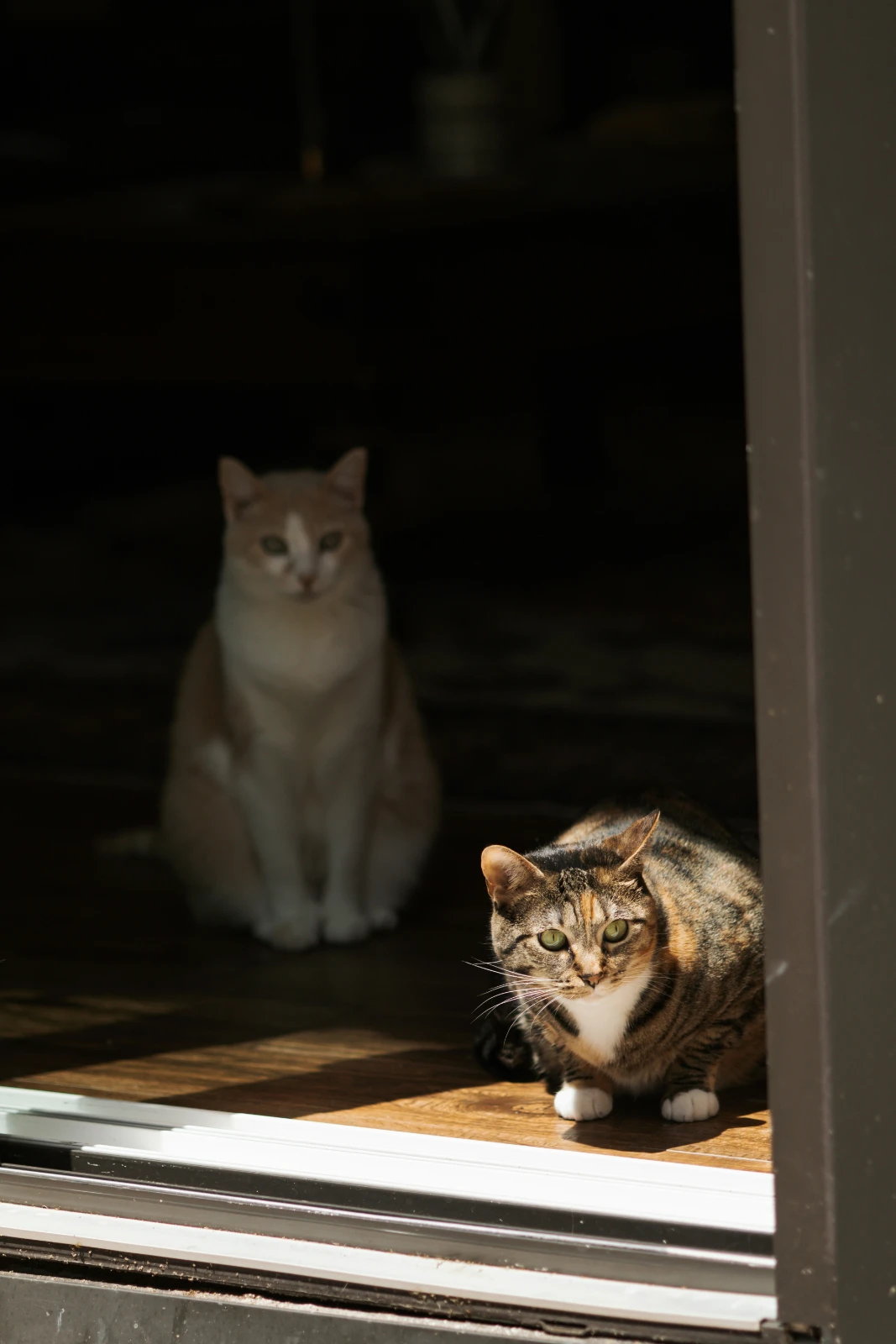
Cornell explains that a reflective layer behind the retina gives incoming light another chance to be detected. Cats also have light-sensitive cells that support low-light vision. Those adaptations use available light; they do not create light or turn complete darkness into a visible scene.
Cats Protection describes cats as most active around dawn and dusk. That does not mean your cat must stay awake all night or sleep only in darkness. Keep ordinary care predictable and watch your own cat’s choices rather than assuming that a species label determines every nap.
The practical distinction is between visibility and comfort. A cat can see a route yet dislike its noise or another animal nearby. Equally, a quiet place can be comfortable while the route to it needs improvement. Assess both instead of treating light as the only feature that matters.
Set up an easy nighttime route and a quiet resting choice
Cats Protection recommends safe, comfortable resting places and undisturbed sleep. Offer suitable choices rather than carrying your cat into a dark space. Check the route between rest, water, and litter facilities, and keep the floor clear. For hiding options, use the safe hideout guide.
| Your setup | A practical check | What to avoid assuming |
|---|---|---|
| A familiar room with some ambient light | Can the cat comfortably reach essentials? | Every cat needs a bright overhead light all night. |
| A room with all light excluded | Provide some suitable light for visual navigation. | Good dim-light vision means vision without light. |
| A quiet covered resting option | Keep it voluntary, accessible, and easy to leave. | Choosing cover proves fear of light or dislike of people. |
| A new nighttime navigation problem | Arrange veterinary advice and make the route safer. | An extra lamp explains or treats the underlying cause. |
This table is an original household planning aid, not a tested lighting prescription. Animalia suggests checking the route as you will actually leave it at bedtime. If you add a small light for visibility, place it securely with cords out of reach and preserve a comfortable resting choice.
Cats Protection advises keeping familiar furniture and resources stable when supporting a cat with sight loss. Ask your vet about an individual plan if vision is a concern. Avoid moving furniture to test navigation, and remember that more light cannot restore vision that is absent.
When should nighttime behavior prompt a vet call?
New bumping, disorientation, or difficulty finding familiar things needs veterinary advice rather than an assumption that your cat dislikes darkness. Cats Protection lists navigation and eye-appearance changes among signs to report promptly. Describe what changed and when, including whether the problem appears in dim light or during the day as well.
Cornell emphasizes reporting signs of a vision problem without delay. Mention cloudiness, discharge, squinting, or another change in the eye’s appearance. Do not diagnose the cause from pupil size or a photograph, and do not shine bright lights into the eyes as a home test.
A cat who hides in a darker place may simply want quiet rest, but a sudden or persistent change also matters. Cats Protection recommends a vet check when sleeping or hiding increases noticeably. Include changes in eating, movement, toileting, and normal interaction when you explain your concern.
Your next step is a calm route check, with care tailored to the cat you have. Return to Animalia’s cat behavior hub for related questions and the choice-based contact guide for quiet company. Keep a possible health change separate from ordinary resting preferences.
Frequently asked questions
Should I leave a light on for my cat at night?
Check how much light is available and whether your cat can comfortably use the familiar space. A bright overhead light is not automatically necessary, but complete darkness provides no light for vision. A small, securely placed light can be a practical visibility option. Ask your vet about new navigation problems rather than relying on lighting alone.
Can cats see in a room with no light at all?
No, cats need some light to see, even though they use dim light much better than people do. A room that looks dark to you may still contain light from a window or another source. Do not confuse that with total darkness. Keep essential routes usable and avoid putting a cat in a lightless room as a test.
Does choosing a dark hiding place mean my cat is sick?
Not by itself. A sheltered place may offer quiet and undisturbed rest, but a change from your cat’s usual habits matters more than the darkness alone. Contact your vet if hiding increases suddenly or comes with changes in eating, movement, grooming, or other ordinary behavior. Keep a comfortable retreat available without forcing the cat out for repeated checks.
Do cats need complete darkness to sleep?
Cats rest and sleep at different times, and a comfortable nap is not limited to a completely dark room. Offer safe resting options and let your cat choose, while avoiding waking them to change the lighting or keep them active during the day. Quiet, suitable access and freedom from disturbance matter alongside the light level in the surrounding space.
Will a nightlight fix an older cat’s nighttime confusion?
A small light may improve visibility where some sight remains, but it does not diagnose or treat confusion or restore absent vision. New disorientation, bumping, vocalizing, or difficulty reaching familiar resources deserves veterinary advice. Keep the layout predictable and the route clear meanwhile, and ask your vet how to adapt the home to your cat’s individual needs.
Sources and editorial notes
- Cats Protection: feline eyesight: low-light vision, available light, and dawn/dusk activity
- Cats Protection: cats and sleep: comfortable choices, undisturbed rest, and changed habits
- Cats Protection: caring for blind cats: navigation changes, resource stability, and veterinary review
- Cornell Feline Health Center: vision problems: reflective eye anatomy and timely assessment of vision concerns
Animalia Editorial. Publish date: October 31, 2026. Last updated and sources checked: October 29, 2026. The lighting table is an original practical aid, not a clinical test or a universal brightness, color-temperature, or lamp prescription. See the editorial policy.
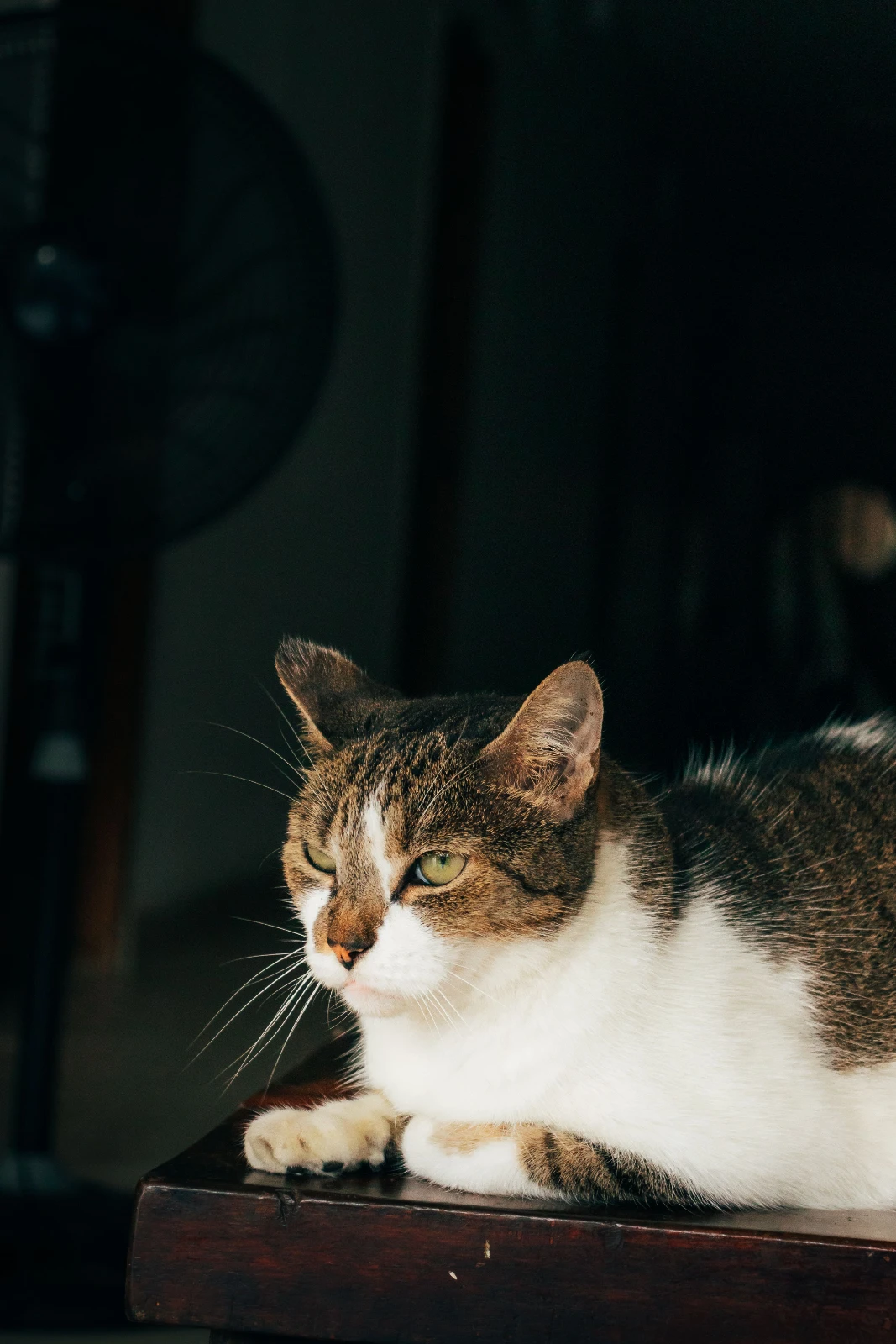
Featured photo: A tabby and white cat rests near available light in a dim room. Photo: Camilo Ospina / Pexels.
Prepared with AI assistance and reviewed against the sources above.