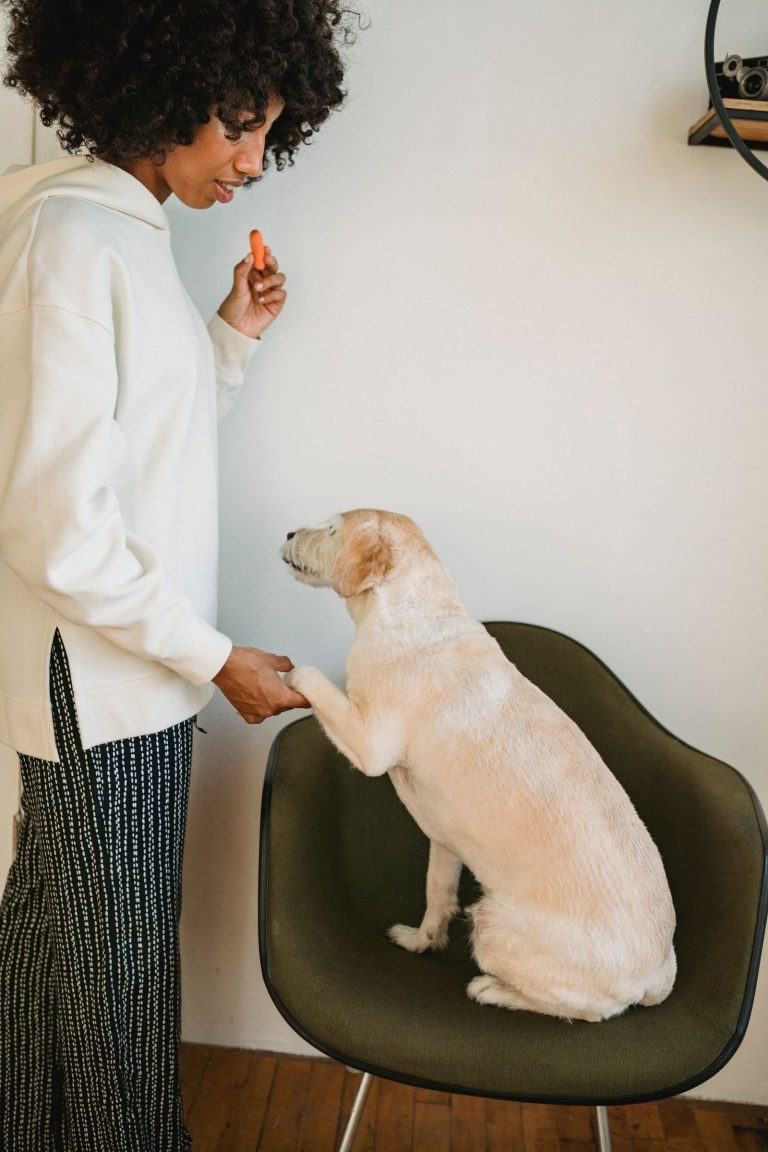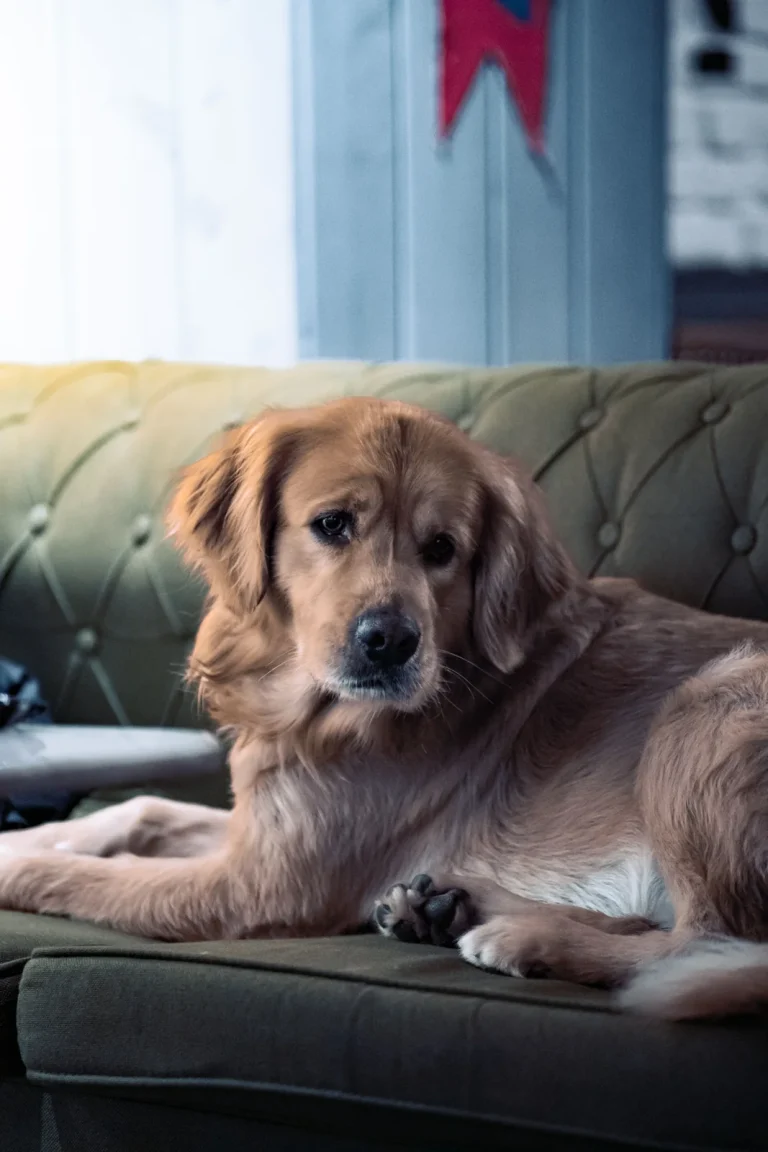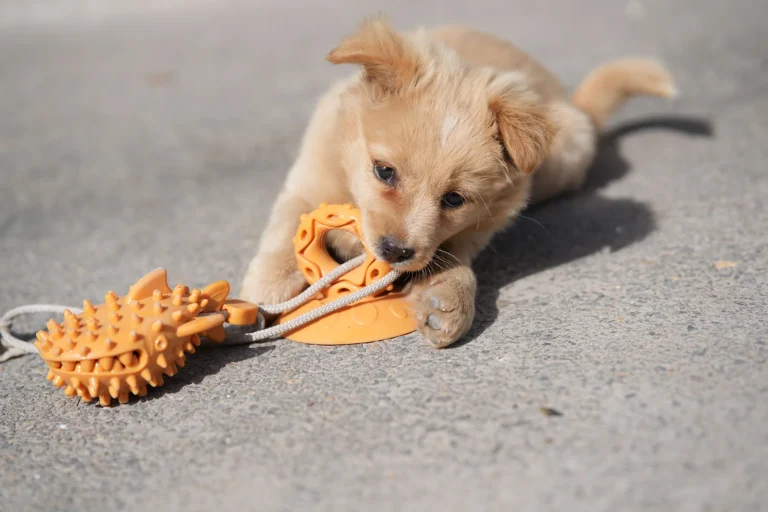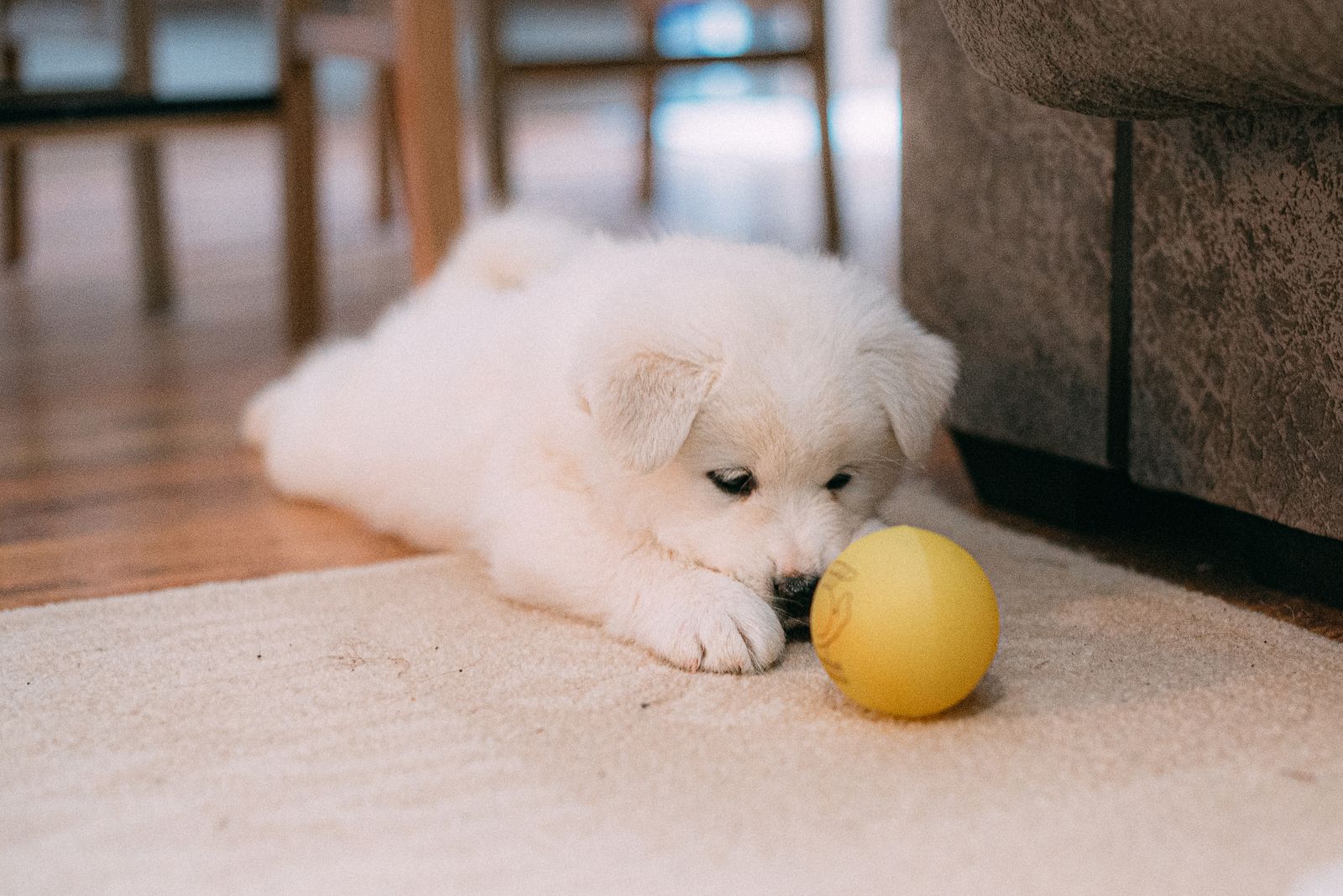
A dog toy rotation can add variety while keeping the collection small and maintainable. Inspect the toys you already have, keep suitable favorites available, and introduce one different option at a time. Rotation should follow the dog’s interests rather than a rigid shopping schedule.
Sort by use and condition
Remove damaged items, loose pieces, and toys that do not suit the dog’s size or chewing behavior. Follow product instructions. A toy that works for gentle carrying may be inappropriate for a dog that tears and swallows material.
Separate supervised toys from items suitable under the manufacturer’s guidance for the dog’s actual use. Do not assume that a successful first session proves an item will remain suitable unattended.
Create a simple storage system
- A small set of current inspected options.
- An inspected reserve stored out of reach.
- A separate place for toys awaiting cleaning.
- A clear disposal process for unsuitable items.
A shared household needs to know which group an item belongs to. Keep damaged toys out of the reserve so another caregiver does not return them to play.
Change the activity, not only the object
A favorite toy can become part of a gentle find game or a supervised interaction. New context may offer variety without buying another item. Keep the area uncluttered with appropriate footing.
Use the ideas in our indoor enrichment guide and choose activities the individual dog comfortably enjoys.
Observe and record favorites
Write brief notes about what the dog chooses, how they use the item, and any maintenance problems. Avoid measuring success by complete exhaustion or the number of toys used.
If a toy remains ignored, try a different timing or an easier interaction. Allow the dog to leave. A rotation should provide choices, not a requirement to participate in every activity.
Keep cleaning practical
Follow care instructions for each material and inspect again after washing. Our toy storage and cleaning guide helps organize the household process.
Sudden changes in play or chewing should be discussed with the veterinary team where appropriate. Do not assume the dog simply needs more exciting purchases.
Sources and editorial notes
Enrichment context: Blue Cross: enrichment for dogs. The storage and rotation approach is an Animalia planning example, not a product-safety certification or a guarantee of engagement.
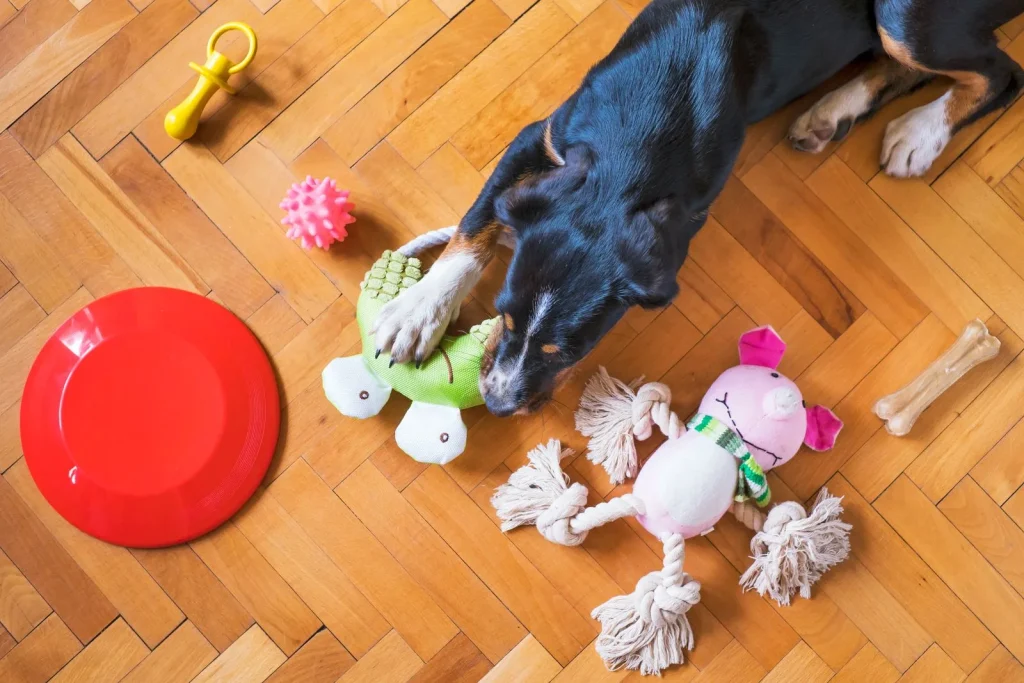
Featured image: A puppy exploring a toy at home; choose toys suitable for the individual puppy. Photo: Tanya Gorelova / Pexels.