To stop puppy biting, pause play when teeth touch you, keep your movements calm, and redirect toward a suitable toy. Dogs Trust recommends briefly creating space if needed, then rewarding calm interaction. Prevent repeat episodes with suitable chewing outlets, rest, and consistent handling. Seek help for painful, frightening, or worsening biting.
The aim is to teach a safe alternative while preventing harm. You do not need to let a puppy practice on your skin, pin them down, or prove that you are in charge. Set up your response before the next busy play period.
What should you do while a puppy is biting?
Stop adding excitement, protect your body, and make space if you need it. Keep a suitable toy within reach so you can offer it when play resumes. If you feel unsafe, prioritize a secure barrier and help from another adult instead of continuing the lesson.
- Pause movement: stop running feet or waving hands. Avoid jerking clothing away as though it were a tug toy.
- End the current game: quietly stand up or withdraw attention without shouting.
- Create space: step behind a safe gate if the pup keeps grabbing. Avoid lifting or wrestling with an aroused pup.
- Offer a calm activity: once there is a pause, invite toy play or another calm, familiar option.
- Reward the choice you want: notice toy carrying, gentle contact, and settling before the pup starts grabbing again.
If a bite breaks skin or causes injury, get medical advice. Keep the pup safely apart from people and call your vet about the biting. Ask for help from a qualified behavior professional, especially if bites are painful, frightening, or getting worse.
For a pup who grabs an object, a separately taught fair drop-it trade can help. Do not pry open the mouth or chase the pup to recover ordinary possessions.
Why does your puppy keep biting hands and clothes?
Puppies use their mouths to explore and play. They may mouth more when excited, tired, frustrated, or uncomfortable. Look at what happens before a bite: grabbing moving pants differs from biting during touch. Both need attention, and neither should be dismissed as something the puppy will simply outgrow.
The AKC describes normal pup mouthing and stresses rest, suitable play, and calmer handling. That does not mean every bite is harmless or that waiting for maturity is a complete plan. Notice what happened just before the episode.
| Pattern you notice | Useful change to try | Do not assume |
|---|---|---|
| Grabs ankles while you cross the room | Offer toy play before walking past; use a gate for busy moments | That running faster will stop the chase |
| Gets mouthier late in an active period | Offer a bathroom break and a quiet place to rest | That the pup needs more vigorous exercise |
| Nips during petting or grooming | Pause handling; return to gentle touch the pup chooses | That holding tighter will teach acceptance |
| Bites around food, toys, or a resting place | Give space and seek qualified help | That you should repeatedly take items away |
| Biting appears suddenly or seems painful | Contact your vet | That it is simply a teething phase |
Use this Animalia table to plan your next step, not to diagnose the cause. A pup may bite for more than one reason. Record what happened instead of labeling the pup stubborn, dominant, or aggressive.
Make toys and calm behavior easier choices
Plan ahead for times when biting is likely. Offer a toy before the pup catches a sleeve, and reward calm behavior while nobody is being bitten. This gives the pup many chances to earn attention without first starting an unwanted game.
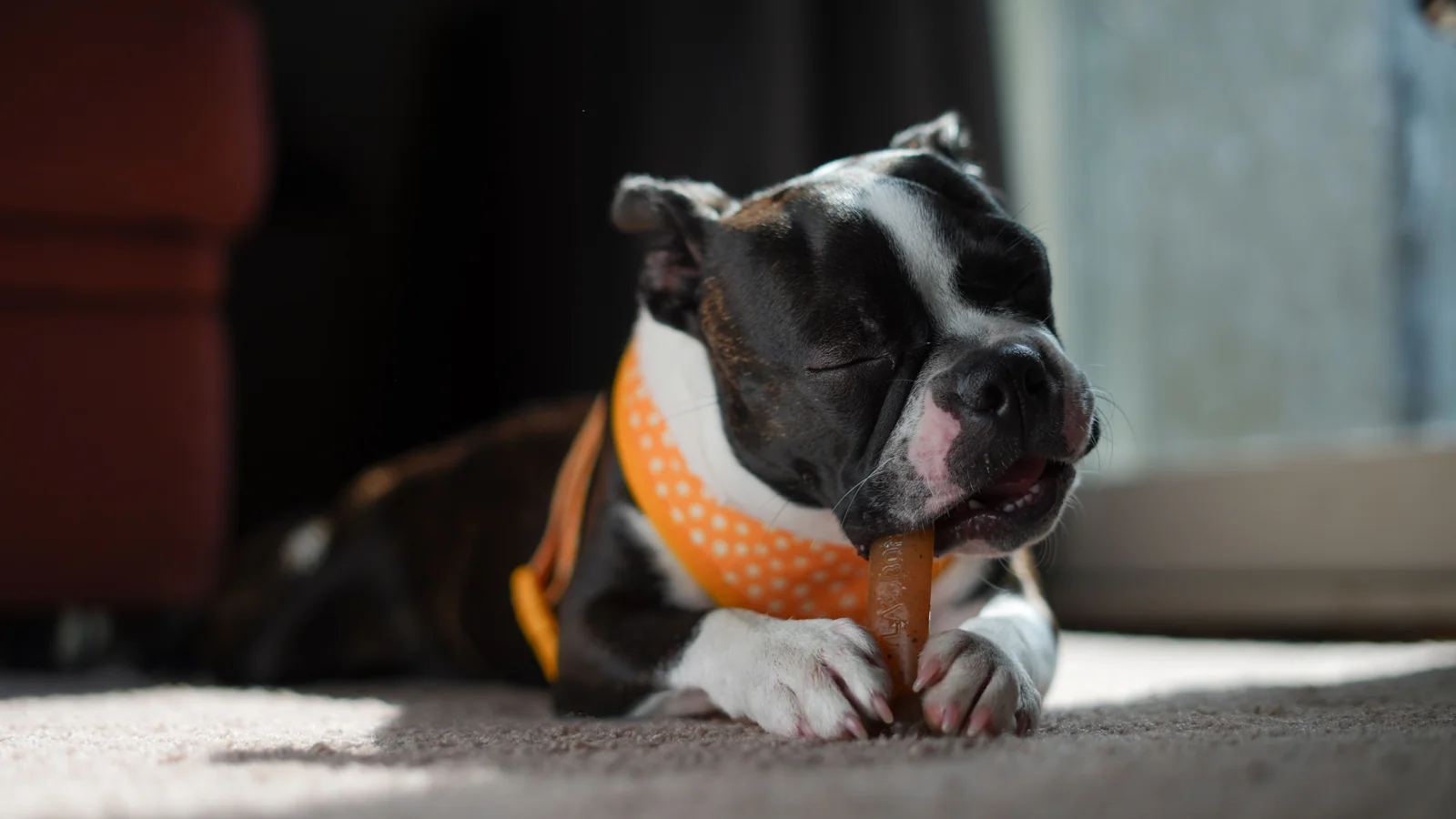
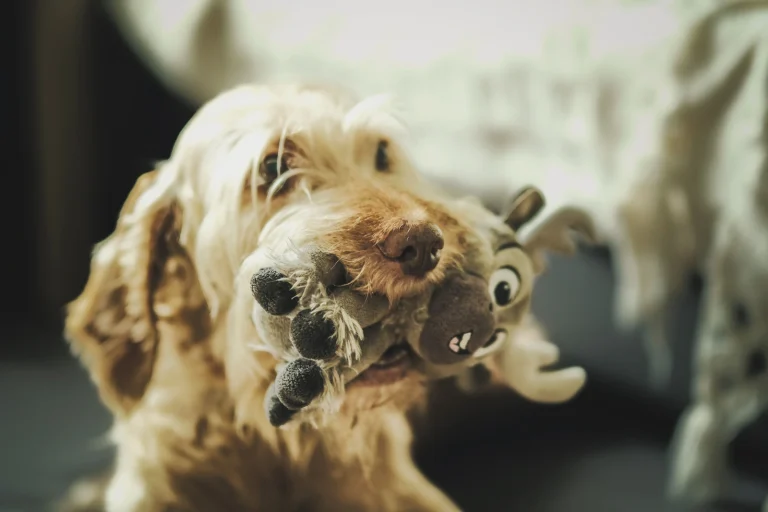
Keep age-appropriate toys near common play areas. Choose a size and construction suited to the pup, supervise use, and remove damaged items. A longer toy can give your hands more space during gentle play. Put small household objects, loose clothing, and children’s toys out of reach. Keep a toy by the door for busy moments, and pause when play gets rough.
The ASPCA recommends using safe toys and choosing noncontact play. Avoid wrestling with hands or feet. If the pup becomes too excited to use the toy safely, pause rather than shaking it faster or making the game rougher.
Animalia example: a pup nips a robe whenever breakfast is prepared. Before entering the kitchen, an adult provides a safe toy in a pup-safe area and manages access with a gate. Calm toy engagement earns attention. The plan changes the busy setup rather than repeating “no biting” over and over.
Agree on a shared household response. Our household training guide helps define what everyone rewards and how each person pauses a game. One person should not encourage hand biting while another tries to prevent it.
Build rest and comfortable handling into the day
Give your pup time to sleep, take bathroom breaks, and play at a pace they can handle. More exercise will not always help a tired pup. Offer a comfortable place to rest, and ask the household to leave the puppy alone when they sleep.
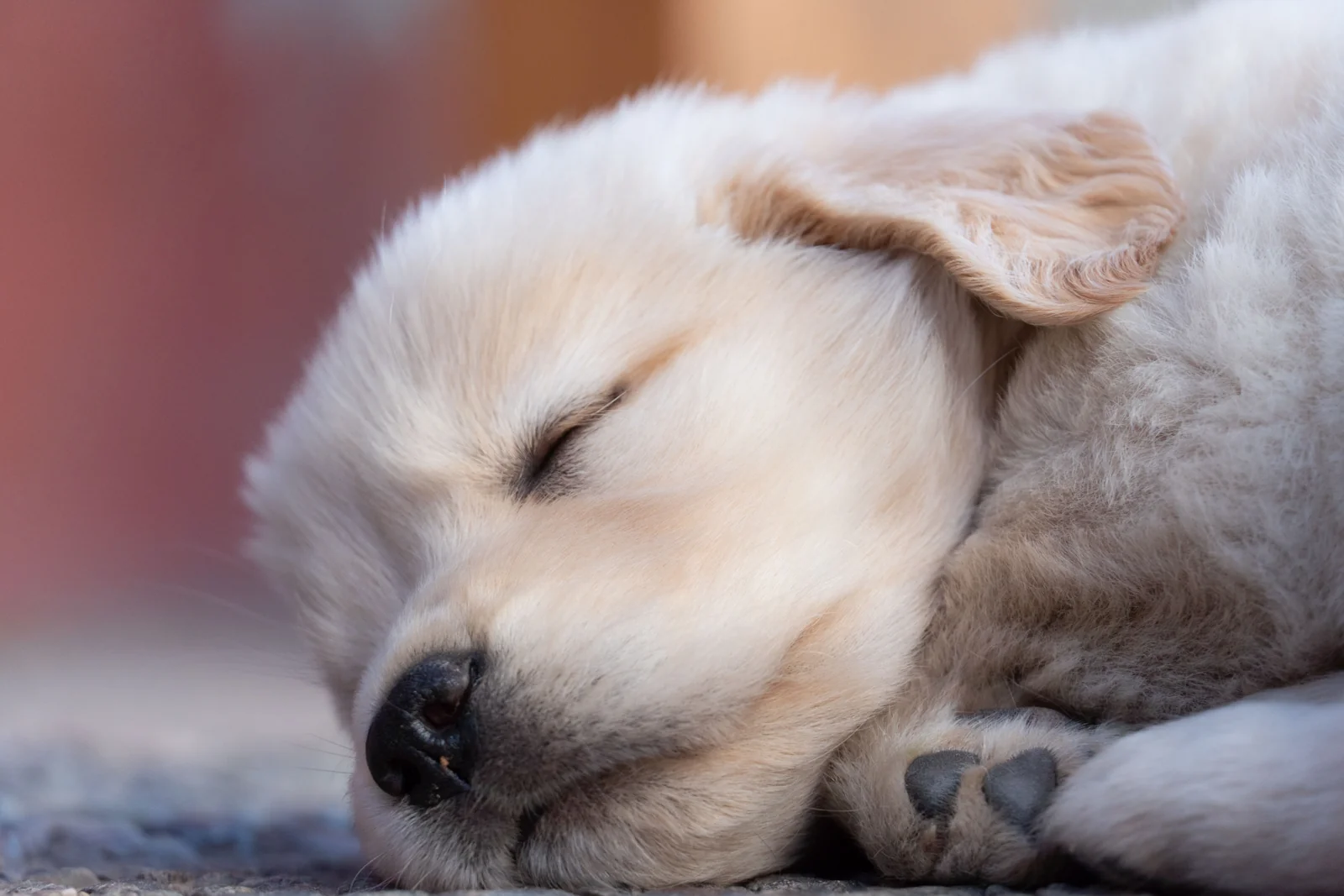
Use our evening routine guide to organize the transition. A quiet resting area is not punishment. Do not shut an upset pup into a new crate because their biting has become frustrating.
Handle less, and watch the puppy’s response
If your pup mouths your hand during petting, stop touching them and let them decide whether to come back. Keep any further touch brief. Practice grooming at a calm time in small steps, with rewards, and stop before the pup needs to struggle.
Do not test whether the pup “really means it” by repeating a touch that provokes a bite. Record the trigger and ask your vet about pain or other concerns. A qualified reward-based trainer can help plan safer cooperative handling.
What if redirection makes the biting worse?
Make the game calmer and give the pup more space. Waving a toy faster, squealing, or pulling away quickly may keep them excited. Step behind a secure gate if needed. When it is safe to return, choose quieter play and avoid restarting a game that hurts someone.
Animalia example: if offering a toy leads to renewed sleeve grabbing, stop the high-energy play. An adult can provide a supervised quiet activity in a suitable area while checking bathroom and rest needs. The next play session starts earlier, before the usual escalation.
Do not hit, muzzle-grab, pin, roll, or frighten the pup. AVSAB recommends reward-based training and rejects aversive methods. Safety planning and teaching an alternative work together; simply ignoring a pup while they continue hurting someone is not a safe plan.
Use a brief training session record to note the trigger, response, and next easier setup. Compare similar settings rather than counting every mouth movement as the same problem.
When puppy biting needs professional help
Get help if biting causes injury, makes someone afraid to move around the home, appears around guarded items, follows certain handling, or escalates despite management. Arrange vet advice for sudden changes or suspected pain. Do not wait for the puppy to reach a particular age before seeking help.
Keep children and vulnerable adults apart from a pup who may hurt them. An adult must stay close and watch all play. Children should not correct a biting puppy or be asked to stay still while being hurt. Use barriers and get help when safe play is not possible.
Tell your vet or trainer what happened before, during, and after the bite, plus any changes to the pup’s routine. Choose someone who uses humane methods and has experience with the concern. Our training and behavior hub provides related foundation skills.
Frequently asked questions
Should I yelp when my puppy bites?
Some published guides suggest a yelp, but it can excite or worry individual puppies. A calm pause and safe withdrawal are reasonable alternatives. If a noise increases grabbing, stop using it. You do not need to startle your pup to teach that toys, rather than skin, are for biting. Choose the calm response that keeps everyone safe.
Is it okay to let a puppy mouth my hands gently?
For a simple home rule, direct mouth play toward safe toys and reward calm contact without teeth on skin. Published approaches to bite inhibition differ, but nobody needs to accept painful contact. Consistency is especially useful in homes with children or people who could be injured easily. Give guests the same simple rule before they play.
Why does my puppy bite more in the evening?
Look at the day’s activity, rest opportunities, household movement, and what happened just before biting started. Tiredness or excitement may contribute, but the time of day does not diagnose the reason. Prepare quieter games and allow rest; seek vet advice for sudden discomfort or other changes. Keep notes so you can spot a pattern.
Should I use the crate as a biting time-out?
Do not use it as punishment or force a distressed pup inside. Preserve a familiar crate as a comfortable resting option. If you need space, a secure gate can separate you while you plan the next activity and meet care needs. A barrier still requires a safe, suitable setup. Plan the next game before you bring everyone together.
When will my puppy stop biting?
There is no guaranteed age or training deadline. Growth, teething, learning, and environment all influence mouthing. Look for safer choices and fewer difficult bouts in comparable settings. Keep preventing bites as the pup grows, and seek help early if biting hurts, frightens people, or seems connected to pain or guarding. A safe setup matters throughout this learning period.
Can tug games make puppy biting worse?
Toy play can provide a suitable outlet when it stays calm and hands have enough space. Pause if teeth reach skin or the game becomes too rough. Choose a safe toy, supervise, and teach a fair trade separately. Avoid using clothing, hands, or feet as the game. End the game while both of you still enjoy it.
Sources and editorial notes
- Dogs Trust: mouthing, nipping and puppy biting
- AKC: puppy mouthing and better bite habits
- ASPCA: mouthing, nipping and biting in puppies
- AVSAB: humane dog training position statement
Last updated: October 22, 2026. Animalia Editorial. Source review: October 22, 2026. The trigger table and kitchen examples are original editorial planning aids. Sources differ on yelping and hand-mouthing exercises; this guide uses calm pauses, toy alternatives, and safety planning without requiring skin contact. Editorial standards: Animalia Editorial Policy.
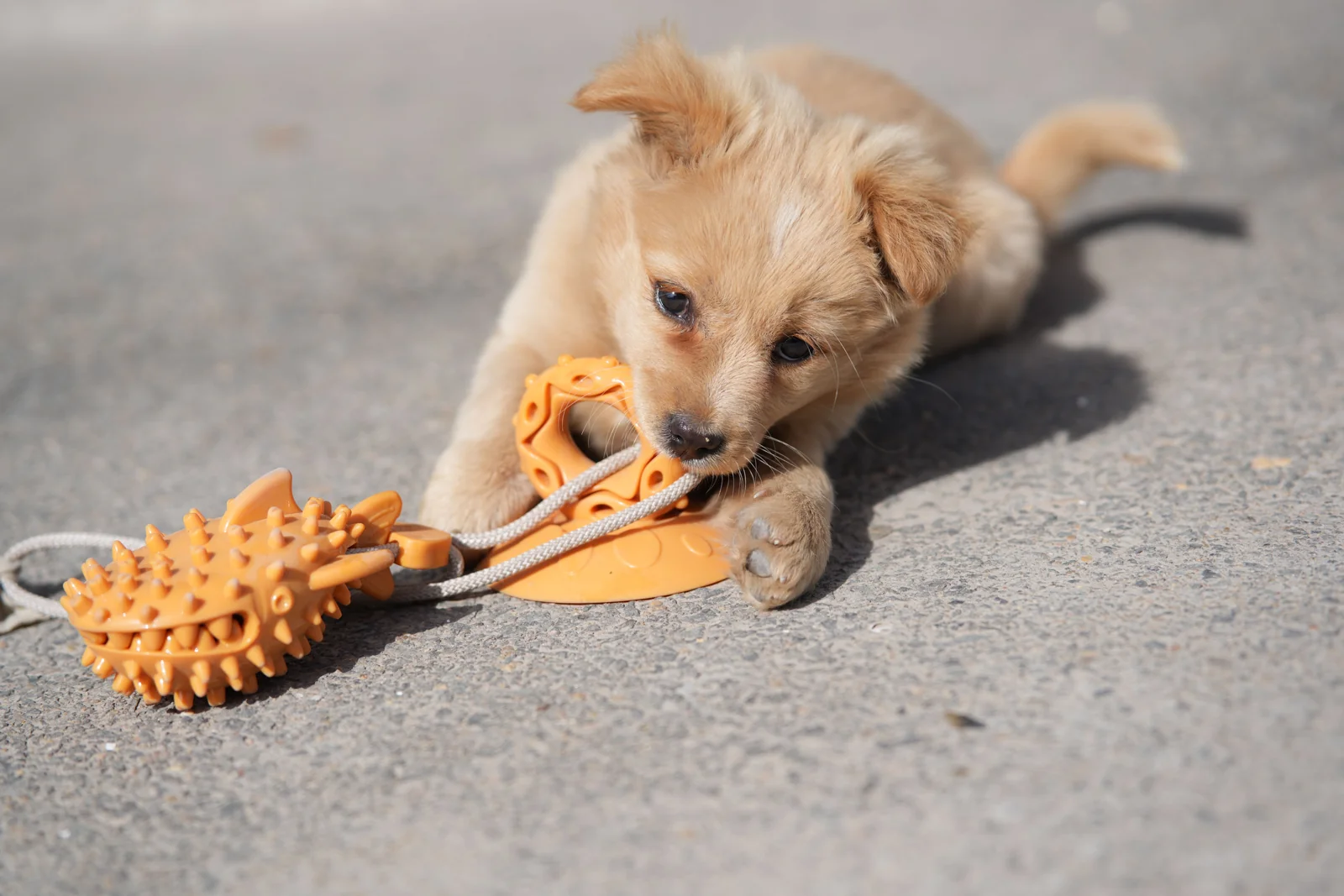
Featured photo: A puppy holds an orange toy between its front paws. Photo: 分 参 / Pexels.
Prepared with AI assistance and reviewed against the sources above.