A calm evening routine gives the household a clear way to meet the dog’s needs and reduce unnecessary activity before rest. Plan essential care, choose a manageable transition, and make a comfortable resting place available. The dog does not need to perform perfect stillness for the routine to be useful.
Start with the care requirements
List usual meals, water checks, toilet opportunities, and any established veterinary instructions. Decide who handles the final practical tasks, especially when several people assume another caregiver has already done them.
Keep the plan compatible with the individual dog’s age, health, and normal pattern. Avoid withholding needed care to force a sleeping schedule.
Choose a quiet transition
A suitable gentle outing, an easy familiar activity, or calm companionship may fit the household. Choose one option rather than trying to tire the dog with a series of increasingly exciting games.
For indoor choices, see our non-food enrichment ideas. Adapt the activity if the dog seems uncomfortable or uninterested.
Prepare the resting area
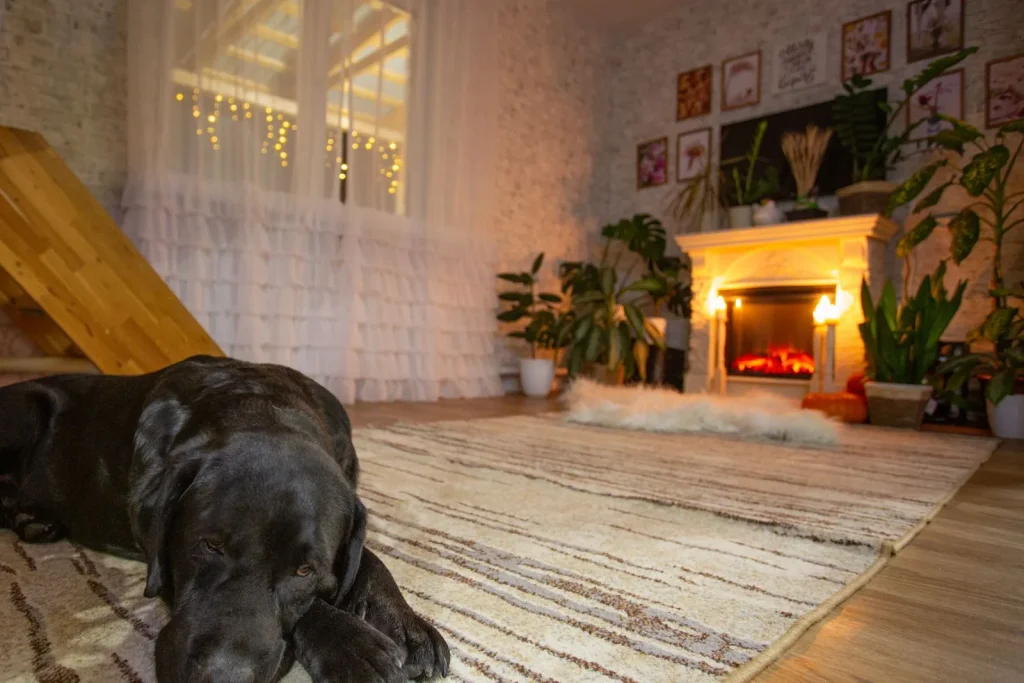
- A familiar, suitable resting surface.
- A clear route to it.
- Reduced unnecessary traffic around the dog.
- A household agreement to leave resting dogs alone.
Check the location rather than assuming the newest bed is the best one. Our dog-bed checklist considers usable space and practical maintenance.
Separate rest from training demands
If you want to teach a particular mat behavior, practice it in short sessions outside the busiest part of the evening. A routine should not become an endless test in which the dog is repeatedly called back to a position.
Allow comfortable changes of position and access to appropriate resources. Keep any established sleeping arrangement humane and suitable for the individual dog.
Review changes instead of guessing
Use brief notes to notice which evenings worked well and which practical event interrupted the routine. Adjust one factor, such as the timing of a household task.
Sudden restlessness, nighttime discomfort, persistent distress, or changes in elimination deserve veterinary advice. This plan does not diagnose the reason or promise a fixed number of hours of sleep.
Sources and editorial notes
Care context: Dogs Trust: dog ownership guide. The evening sequence is an Animalia household example, not a sleep treatment.
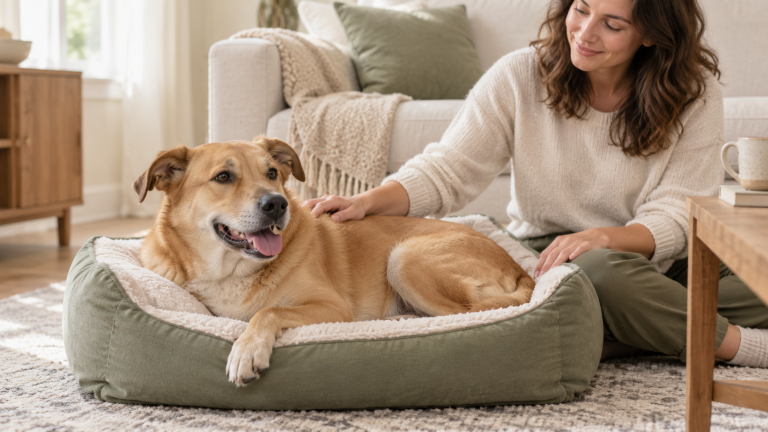
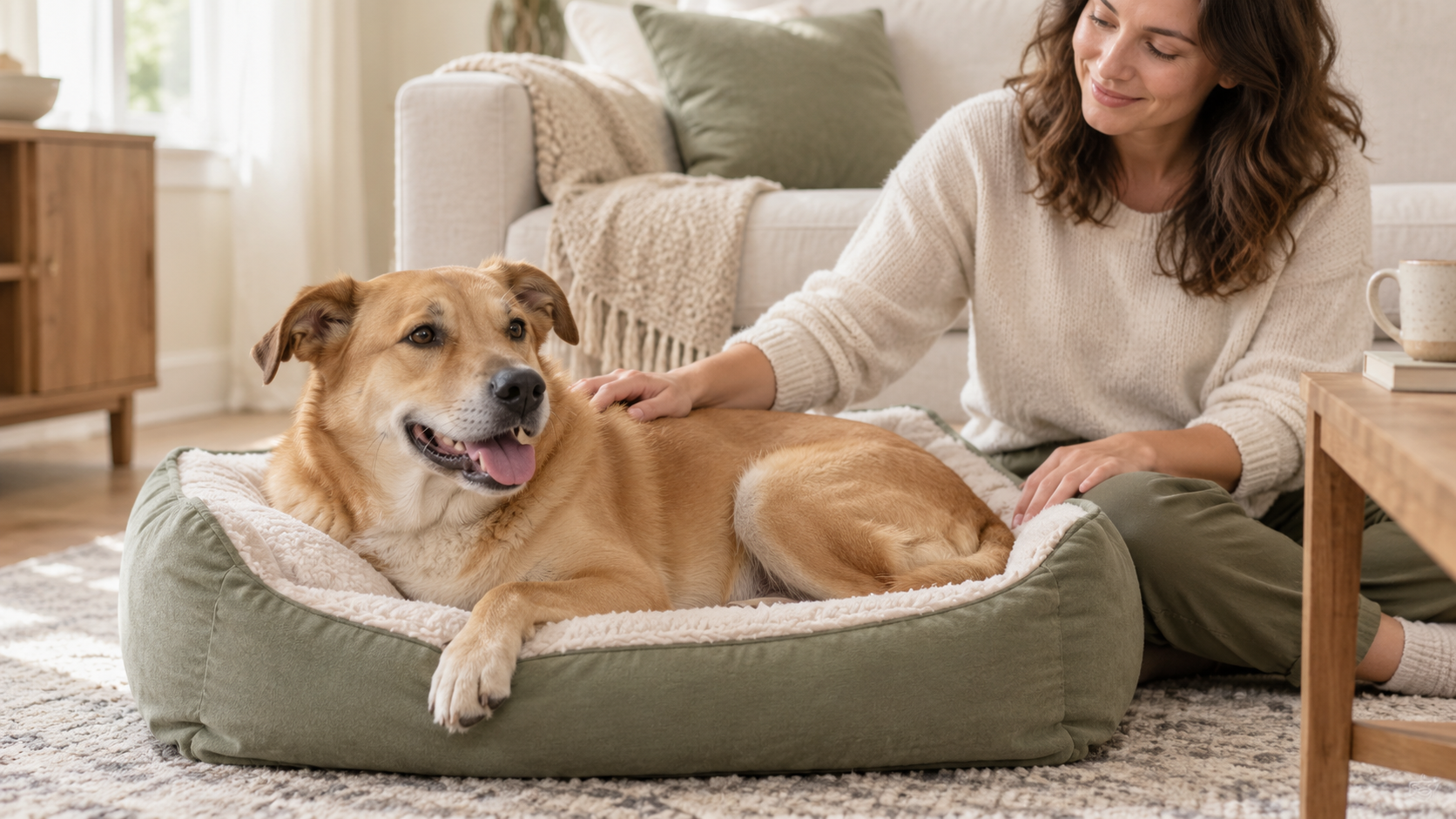
Featured image: Illustrative resting scene, generated with AI; resting dogs should be allowed to choose interaction.