Crate training a puppy starts with an open door, free exploration, and rewards for relaxed entry. Dogs Trust recommends introducing door closure in small steps, then practicing short times apart only after the puppy relaxes inside. Meet bathroom, water, rest, and companionship needs throughout. Never force entry or leave a distressed puppy to cry it out.
The goal is a puppy who can rest comfortably in a suitable space. Crate training does not replace supervision or teach a puppy to tolerate an entire workday alone. Begin with the wider home setup in our new puppy preparation checklist.
What makes a crate suitable for your puppy?
Choose a sturdy, correctly assembled crate with enough room for normal movement and full-body rest. Put it in a calm place where the pup can remain near you. A pen or puppy-proof room may suit some care periods better than a closed crate.
Dogs Trust specifies room to stand, sit, turn, wag the tail, lie down, and stretch fully. Recheck space as your pup grows. A divider should never make the usable area so small that the pup cannot move or rest with ease.
- Secure the door open during introductions so it cannot swing onto the pup.
- Use a resting surface the pup finds comfortable and cannot easily shred or swallow.
- Keep fresh water available in a stable setup.
- Check for loose fittings, sharp edges, trapping gaps, and reachable cables.
- Keep the area well ventilated and away from direct heat.
- Make a household rule that nobody disturbs the pup inside.
Remove attached walking leads before crate time and inspect the setup for anything that could catch. If your pup chews bedding, climbs barriers, or catches gear, revise the setup with professional guidance rather than assuming containment makes it safe. Check the latch each time. Keep the path clear.
Crate training a puppy in small, reversible stages
Work on one change at a time: entering, staying briefly, seeing the door move, having it closed, and watching you step away. A pup who eats a meal inside has learned something useful, but has not automatically learned all the later stages.
Invite exploration with the door open
Sit nearby and let the pup investigate. Place a reward near the entrance if needed, then farther inside only when the earlier position is easy. Let the pup leave freely. Do not use food to lure them deep inside and suddenly shut the door.
Meals can help build a pleasant association when placed where the pup already feels at ease. Start beside the entrance if needed. Quietly reward the pup for choosing to return rather than calling them back in.
Reward resting before adding confinement
Notice calm pauses, relaxed lying down, and choosing to remain inside. Place a reward nearby without repeatedly getting the pup excited. You can offer a safe food toy under supervision if it helps them settle. Check that any item is safe for this pup.
Let the puppy choose a comfortable position. Do not physically hold the pup down or demand a down-stay as proof of emotional comfort. Our reward-based training guide explains how to make easy choices worth repeating.
Introduce door movement, then brief closure
Move the open door a little and reopen it. If the pup stays calm, move the door a little farther. Later, briefly secure the door while you remain close, then reopen it before the pup becomes worried. Return to an easier stage if concern appears.
Avoid increasing duration and distance together. For example, if the pup stays calm with the door briefly closed beside you, practice that again before standing up. Standing, walking across the room, and leaving the room are separate changes.
Practice nearby movement before absence
Carry out a small, ordinary task within view. Return while the pup remains at ease. Only try stepping briefly out of view after nearby movement is easy. Arrange actual care around what the pup can currently manage, even when your eventual goal is longer time apart.
Humane World cautions that crates do not solve separation anxiety. If time inside causes distress, use a safe alternative that the pup tolerates and seek help. Repeated exposure to panic is not a training stage.
Use readiness checks instead of a rigid timetable
Choose the next step from the pup’s actions, not the number of days since arrival. The table below is an Animalia planning tool based on gradual introduction. It is not a diagnostic test, and a pup can need easier practice even after earlier success.
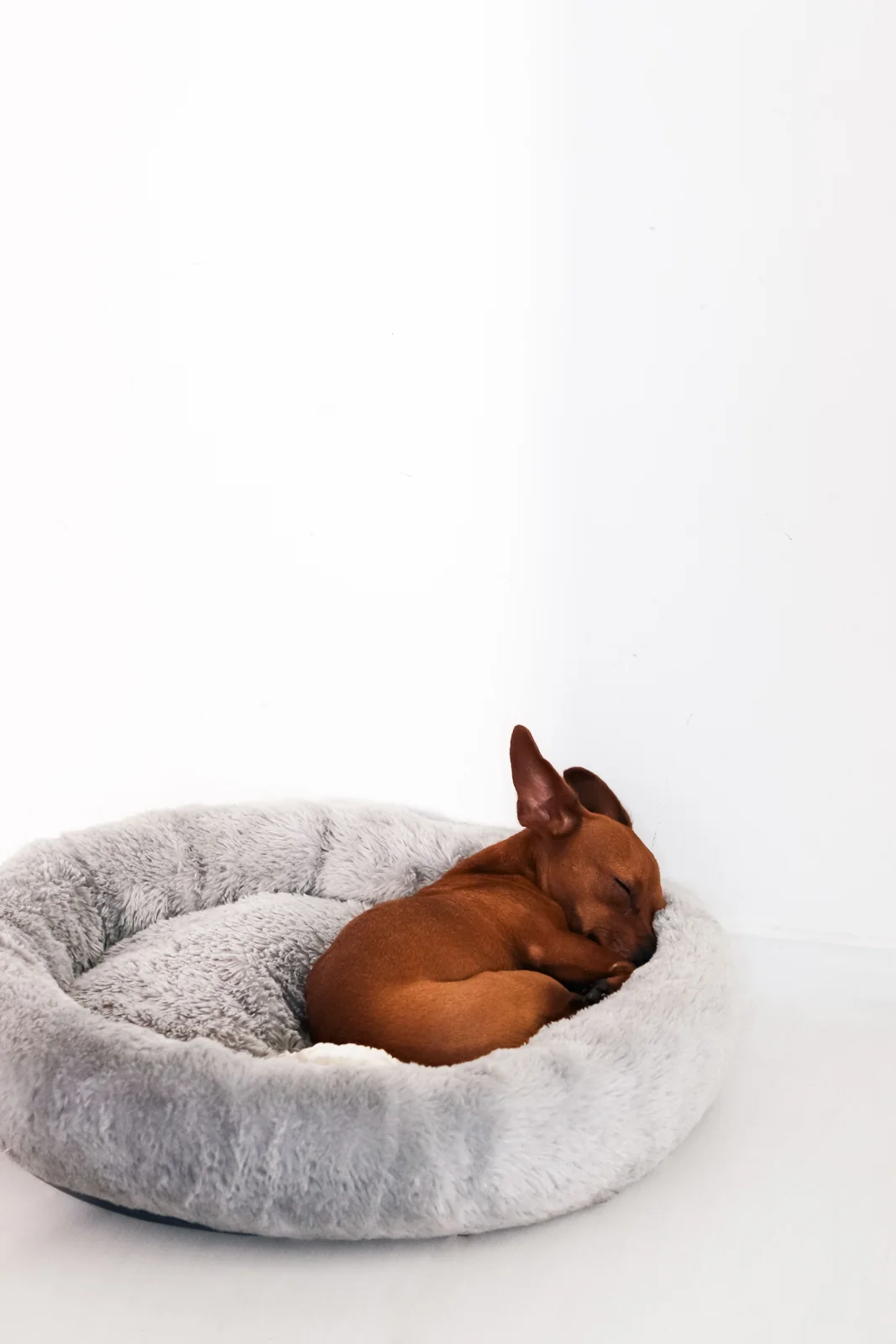
| What you observe | Reasonable next practice | Pause and simplify when |
|---|---|---|
| Enters and leaves freely | Reward a short pause inside | Puppy stretches toward food but avoids entering |
| Rests with the door open | Move the door slightly | Puppy follows the door anxiously |
| Stays relaxed during brief closure | Repeat with you seated nearby | Whining, scratching, or repeated attempts to escape appear |
| Relaxed while you move nearby | Try a brief step out of view | Puppy stops relaxing as you approach the exit |
| Relaxed in an established routine | Maintain care breaks and watch for changes | Accidents, distress, or changed needs appear |
Animalia example: a pup naps in the open crate but stands up as soon as the latch moves. The next session practices a small door movement followed by reopening. It does not add a longer nap behind a closed door.
How should nights and workdays be arranged?
Plan access to care before deciding where the pup sleeps or stays while you work. Keep a new pup close enough for you to notice bathroom needs or distress. Nighttime success does not prove the pup will manage the same setup during daytime activity.
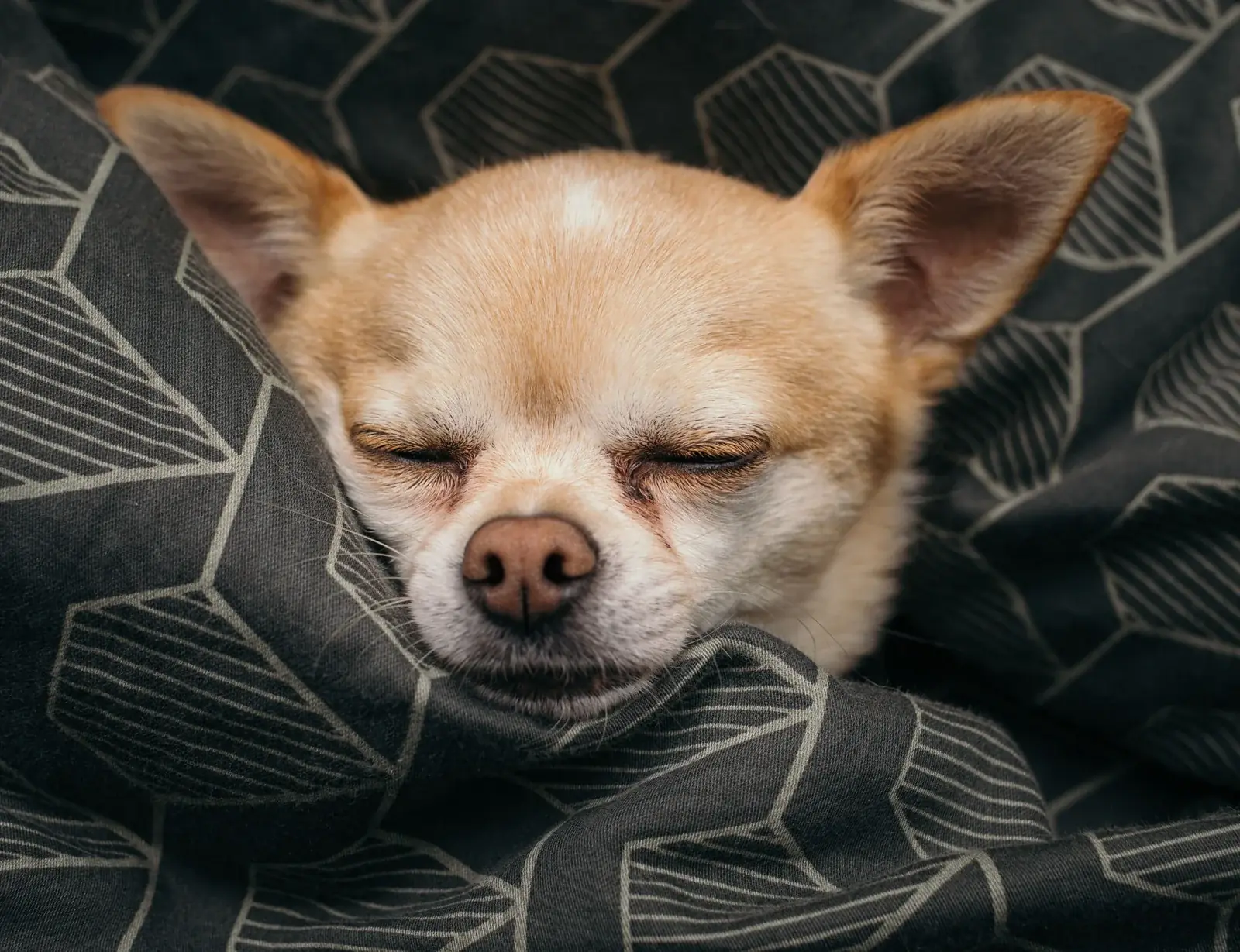
Humane World says puppies younger than six months should not be crated for more than three or four hours at a time. Treat that as an upper caution, not a target or a promise: many young puppies need much more frequent bathroom breaks, and emotional comfort may allow far less.
Use a caregiver, adjusted schedule, or safe pup-proof area when the planned absence exceeds the pup’s needs. A pen provides more movement space, but still needs positive introduction and care visits. Our workday dog-care planner helps assign those responsibilities.
A practical handoff note records the last bathroom break, meal, water check, current crate setup, and who returns next. Write “settles in the pen with someone nearby” when that is what you have observed. Avoid describing a pup as fully crate trained after a single quiet nap.
What should you do if your puppy cries?
Check promptly for bathroom needs, discomfort, overheating, fear, or a training step that was too difficult. You do not need to know the exact cause before helping. Let the pup out safely when needed and make the next practice easier.
Repeated attempts to escape, frantic scratching, heavy drooling, or inability to settle need a revised care plan and professional advice. Do not wait for exhausted silence before responding. If your pup seems ill, injured, or in pain, contact your vet.
Do not scold, bang the crate, cover it as punishment, or use it after unwanted actions as a forced time-out. Protect its role as an optional resting place between lessons. A calm evening routine can support rest without turning rest into a test of confinement.
Choose a care setup for the actual situation
Separate the training question from the management question. Training asks which small step the pup can practice comfortably now. Management asks how someone will meet the pup’s needs during the rest of the day. The answers may involve different spaces.
| Situation | Useful setup to consider | What still needs planning |
|---|---|---|
| Brief positive practice while you sit nearby | Suitable crate with the door movement matched to current comfort | An easy finish and freedom to leave when safe |
| Household tasks while the pup is awake | Puppy-proof area or suitably introduced pen | Supervision, suitable enrichment, water, and bathroom breaks |
| A caregiver must leave before the pup is at ease alone | A trusted caregiver staying with the pup | A gradual separate plan for alone-time skills |
| Future travel or veterinary stays | Positive crate practice well before it is needed | Instructions from the veterinary or transport team |
These examples compare purposes, not products. A sturdy crate does not fix fear, and a larger pen does not make a long absence safe. Check your pup’s response to the whole setup.
Review setbacks without making the crate smaller
If accidents happen, check care timing and ask whether the pup was left beyond their current capacity. Clean the area appropriately and adjust bathroom breaks. Do not punish an accident or remove enough space to prevent comfortable movement.
Keep a simple record: the last bathroom trip, the practice stage, what the pup did, and the next change you will try. For example, “rested with the door open after lunch; stood up when I touched the latch” identifies an actionable starting point. “Failed crate training” does not.
If a pup who previously settled well suddenly cannot settle, consider whether the location, household activity, care routine, or physical comfort has changed. Speak to your vet about new health concerns. Resume easier training when safe rather than increasing time inside to force a return to the old routine.
For a separate playtime concern, our puppy biting guide covers calm pauses, suitable toy alternatives, and signs that need professional help. Choose the next lesson from the situation you are observing.
Frequently asked questions
Can my puppy sleep in a crate the first night?
Only if the setup meets their needs and they can settle with ease. Keep them near enough to hear and respond to them, and plan bathroom care. If the pup is distressed, choose a safe nearby pen or pup-proof resting space while introducing the crate in small steps. Your response should meet their needs, whatever the hour.
How long does crate training take?
There is no reliable completion date for every pup. Past learning, temperament, care needs, and the pace of introduction differ. Track specific skills instead: choosing to enter, staying calm as the door moves, relaxing behind the closed door, and managing short times apart. Change one part at a time rather than following a fixed countdown. Look for ease, rather than a perfectly still body.
Should I ignore crying to avoid rewarding it?
Do not ignore distress or delay needed care. Check what your pup needs and reduce the difficulty of the training. Keep future practice short enough to finish while the puppy is calm. Quietness alone does not prove wellbeing, and prolonged crying is not something the pup needs to rehearse. Check the setup again before the next short lesson.
Is a playpen better than a crate?
A pen offers more movement space and may suit longer supervised or managed care periods. A crate can serve as an open retreat within a safe pen. Neither removes the need for bathroom breaks, water, companionship, and supervision. Choose a setup your pup can use safely and comfortably. Test each new space gently before you rely on it.
Should the crate door stay open between lessons?
Yes, when the surrounding area is safe and the pup can come and go appropriately. Secure the door so it cannot swing shut. Dogs Trust recommends keeping it accessible as a positive resting place. Supervise as needed and keep children and other pets from disturbing the pup inside. Rest should stay free from poking, crowding, or chasing.
What if the crate never becomes comfortable?
Some dogs need a different management setup. Use a safe pen or pup-proof room if it works better, while a vet and qualified reward-based professional help assess ongoing distress. Crate training can be useful, but it is not a reason to repeat a setup that causes panic. The pup’s welfare matters more than a training label.
Sources and editorial notes
- Dogs Trust: introducing a crate and playpen
- Humane World for Animals: crate training 101
- AVSAB: humane dog training position statement
Last updated: October 22, 2026. Animalia Editorial. Source review: October 22, 2026. The readiness table and handoff example are original editorial tools, not rules for crate use. Explore related practical guides in the training and behavior hub. Editorial standards: Animalia Editorial Policy.
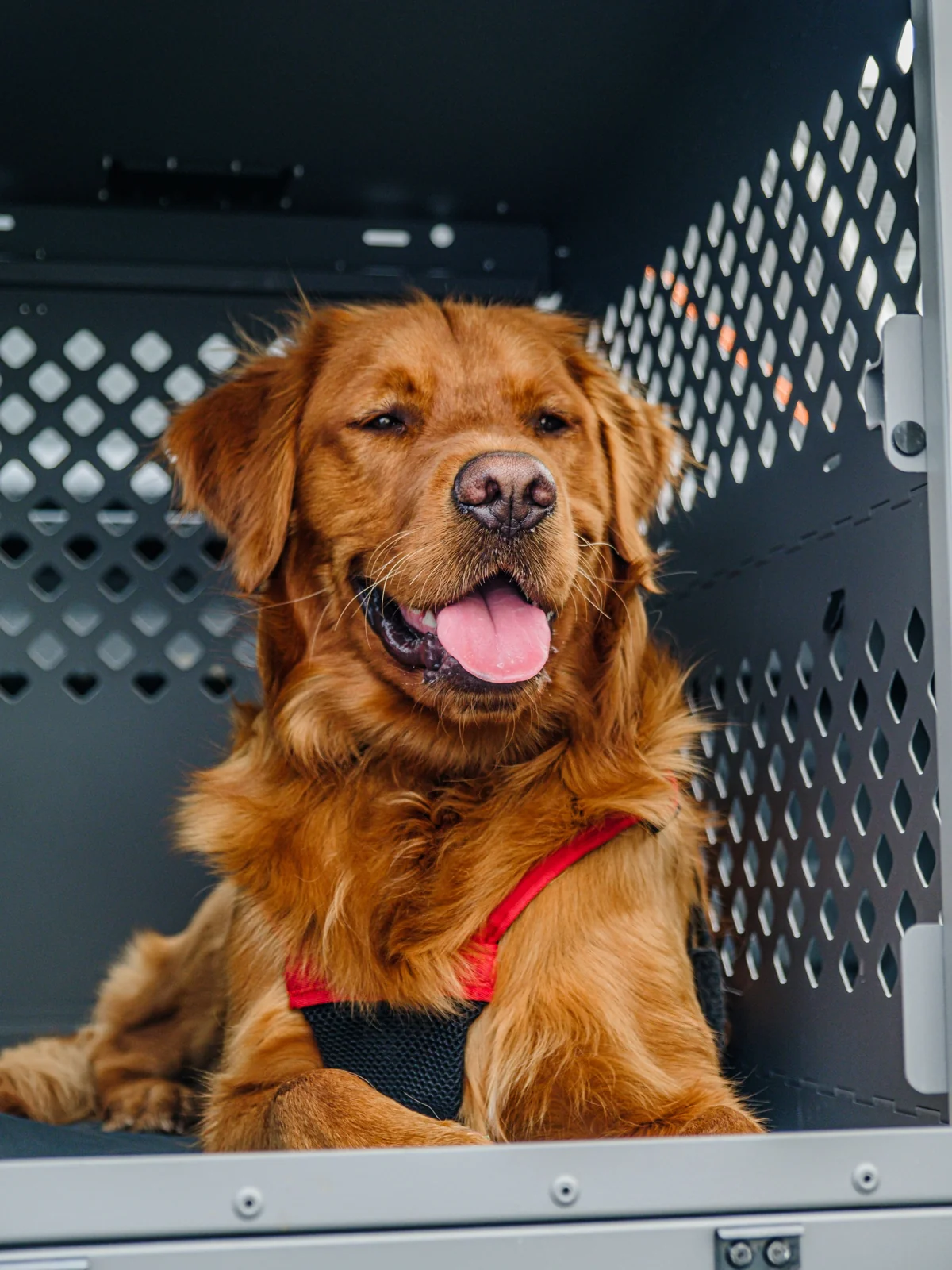
Featured photo: An adult golden retriever sits in an open crate. Stock photo of equipment, not a puppy training milestone. Photo: Impact Dog Crates / Pexels.
Prepared with AI assistance and reviewed against the sources above.