For a dog who comfortably enjoys greeting people, practice rewarding four paws on the floor before excitement builds. Use a willing adult helper and an easy setup. Not every dog wants a greeting, and jumping can have several causes, so do not assume the dog simply needs stricter rules.
Check that a greeting is welcome
Allow space and watch the dog’s overall behavior. If they avoid the person, appear worried, or become intensely aroused, change the arrangement rather than asking for a closer greeting.
Seek individual advice for fear, aggression, pain concerns, or unsafe jumping. This practice plan concerns comfortable friendly interactions.
Prepare a small rehearsal
Choose a quiet area with suitable management and a helper who will follow the plan. Have appropriate rewards ready before approaching.
- Begin at a manageable distance.
- Keep the person’s movement modest.
- Reward while the dog’s paws remain on the floor.
- Pause and create space between repetitions.
Do not make the first practice a crowded entrance with several guests.
Reward before the jump
Notice the floor-level greeting moment and deliver the reward where the dog can receive it without reaching upward. Keep attention calm and brief.
If the dog jumps, manage the situation without pushing, kneeing, shouting, or grabbing. Reset at a greater distance or with less movement. The next repetition should be easier, not a confrontation.
Agree with the helper
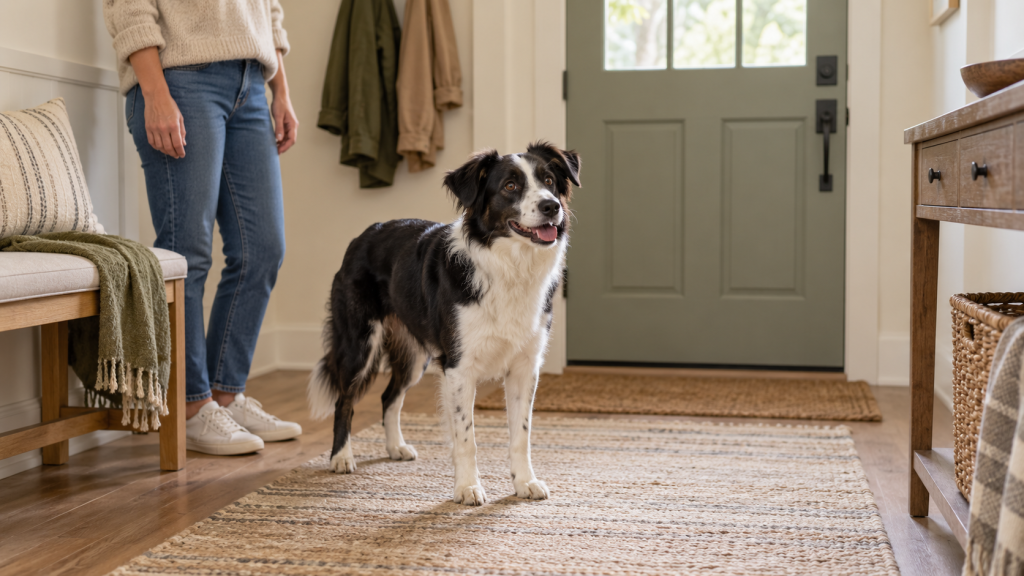
Explain that greeting depends on the dog’s comfort and current training. The helper should not pat their chest, encourage jumping, or follow the dog when they move away.
Use our visitor routine to organize actual arrivals separately from a rehearsal.
Generalize slowly
Try another familiar willing person only after the first setup is comfortable. Change one feature rather than adding a new person, location, and exciting movement together.
A household agreement helps preserve the same criteria. See consistent training across caregivers. Avoid using strangers or children as unplanned practice partners.
Sources and editorial notes
Behavior context: Dogs Trust: jumping-up training. This is a friendly-greeting rehearsal, not an assessment of why an individual dog jumps.
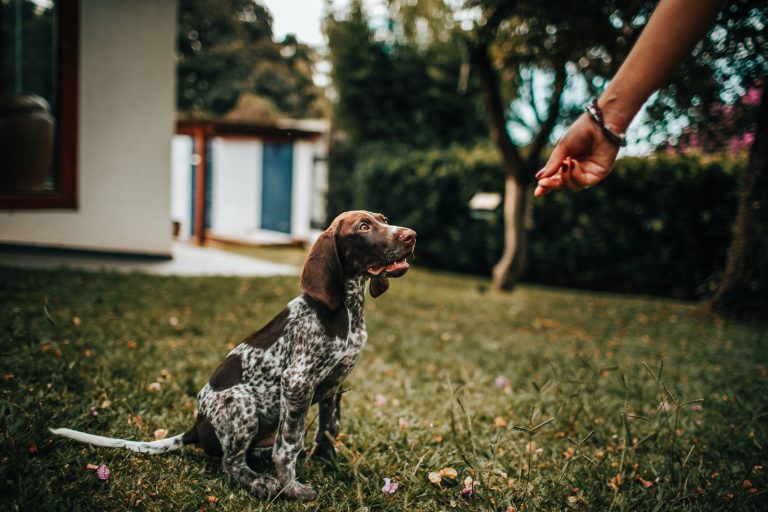
Featured image: Illustrative reward-based interaction, not a documented Animalia training session. Photo: Helena Lopes / Pexels.