Positive reinforcement dog training, also called reward-based training, teaches useful behavior by making that behavior worth repeating. Choose a small goal, set up an easy opportunity, and reward the moment your dog gets it right. Begin in a quiet place and build difficulty gradually.
The American Veterinary Society of Animal Behavior recommends reward-based methods and advises against aversive methods that rely on pain, fear, or intimidation. This guide turns that approach into a practical first-session plan.
Choose one observable goal
Replace a vague aim such as “be good” with something you can see: look toward you, step onto a mat, or walk a few steps with a loose leash. A clear goal makes timing easier and helps everyone in the household reward the same thing.
For a first session, use a behavior the dog can offer comfortably. You might reward a voluntary check-in while standing in a quiet room. Avoid beginning with a challenging situation such as visitors arriving or another dog approaching.
Find a reward your dog values in that setting
A suitable food reward is often convenient because it can be delivered promptly. Use small portions that fit the dog’s feeding plan. Some dogs also value play or access to an enjoyable activity. What matters is the dog’s response, not whether the person considers a reward generous.
If the dog normally enjoys a reward but ignores it in a busy setting, simplify the environment. Do not assume the dog is stubborn or deliberately refusing. Comfort, distraction, tiredness, and other needs affect learning.
Understand the marker and the reward
A marker is a consistent signal, such as a brief word or click, that identifies the successful moment. If you use one, introduce it by pairing the signal with a reward. Keep the sound comfortable for the dog and follow a marked success with the promised reward.
You can also start by delivering a reward directly after an easy behavior. A clicker is a tool, not a requirement. The main task is making the connection clear: the behavior happens, then something the dog values follows.
Your first practice: reward a voluntary check-in
- Stand or sit in a quiet space with suitable rewards ready.
- Wait for a brief voluntary glance toward you.
- Mark that moment if you are using a marker, then reward promptly.
- Allow the dog to move naturally and offer another glance.
- Repeat while the dog remains comfortable and interested.
- Finish with an easy success and put the supplies away.
You are not asking for prolonged staring. A tiny success is enough to begin. If the dog cannot focus, lower the difficulty rather than repeating their name or moving food in front of their face.
Add a cue after the behavior becomes predictable
A cue tells the dog which learned behavior may earn a reward now. Choose one word or signal and keep household use consistent. Introduce it when you can reliably predict the behavior, rather than repeating an unfamiliar word while hoping the dog guesses.
Once the association is established, give the cue once, allow a response, and reward success. If the dog struggles, simplify the task. Repeating a cue louder does not explain the missing step.
Change one challenge at a time
Practice in the familiar room before trying a different room, a little more distance, or a mild distraction. Avoid changing everything together. A behavior learned beside the sofa may need easier practice near the front door.
| Goal | Easy starting point | Later progression |
|---|---|---|
| Relax on a mat | Reward voluntary contact with the mat | Build calm resting with mild household activity |
| Walk with a loose leash | Reward a few steps in a quiet area | Practice on a calm outdoor route |
| Leave an item alone | Reward turning away from a low-interest item | Add controlled everyday distractions |
Use the full guides for mat training, loose-leash walking, and teaching leave it when you are ready for those specific skills.
Manage the environment while the skill develops
Training takes practice. Put shoes away while you teach a puppy appropriate toy use, create distance from distractions during leash practice, and keep dangerous items inaccessible while teaching leave it. Good management gives the dog more chances to succeed.
If you miss a successful moment, reset and make the next attempt easier. Avoid leash jerks, physical positioning, intimidation, and punishment. For growling, guarding, intense fear, or repeated distress, seek help from your veterinarian and an appropriately qualified reward-based professional.
For a position-holding goal, use our gradual stay guide. For optional play skills, choose a comfortable beginner trick. If your concern is distress when you leave, our separation-training first plan covers observation, daily care support, and when to seek expert help.
Common questions
Am I bribing my dog?
Showing food continually to persuade a dog and rewarding a completed behavior are different arrangements. Keep rewards ready, communicate clearly, and deliver them after the target behavior rather than assuming a visible treat must always lead the dog.
Will I need food forever?
Build the skill reliably first. Rewards can vary as appropriate, but useful behavior still deserves reinforcement. Do not rush to remove rewards from a behavior the dog is only beginning to learn.
How long should a session last?
Keep it brief enough for comfortable engagement. Several easy attempts can be more useful than continuing until either of you becomes frustrated.
Apply the same small-step approach to a puppy’s new equipment and resting space. Our puppy crate introduction separates voluntary entry, door movement, and time apart; our first puppy leash lessons separate gear comfort from the first steps together. Begin with the version your puppy can practice comfortably.
Sources and editorial notes
Supporting guidance: AVSAB: humane dog training position statement, positive reinforcement terminology, and Blue Cross: dog and puppy training. Practice examples are instructional suggestions, not reported outcomes from an Animalia training trial.
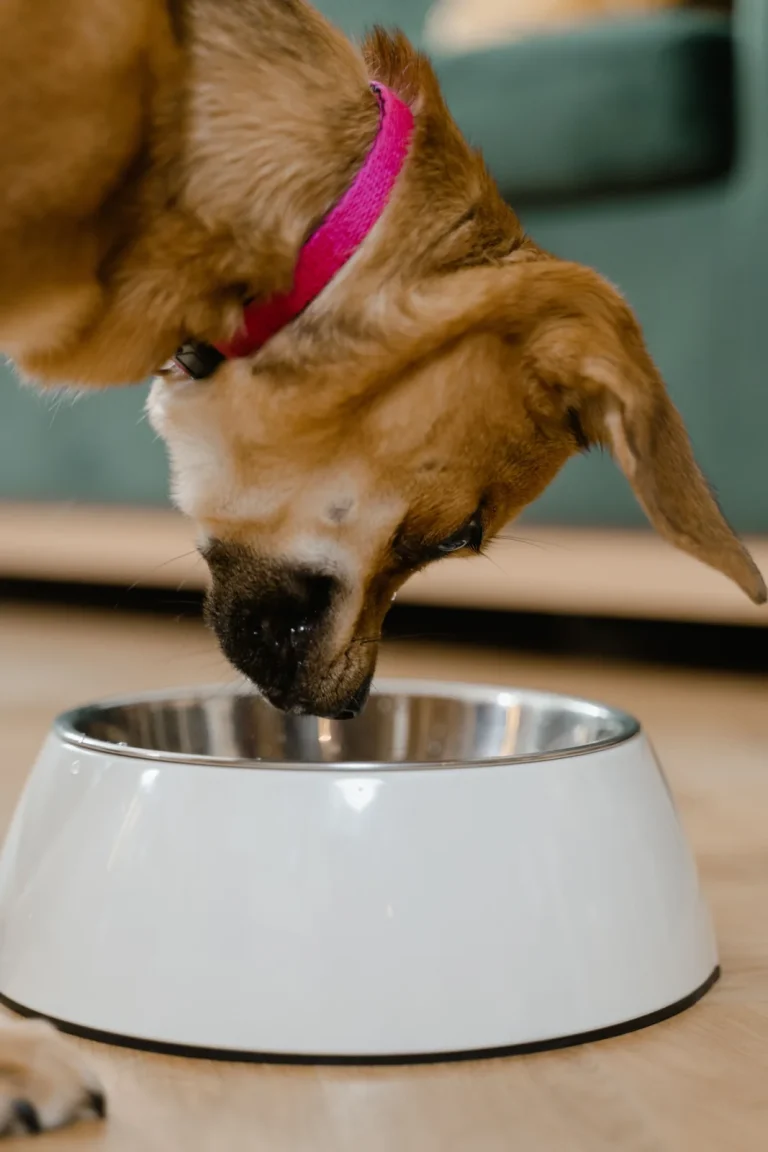
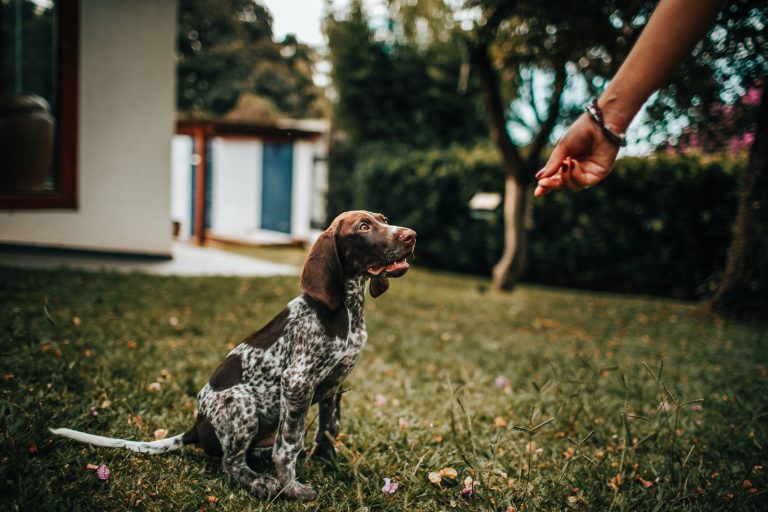
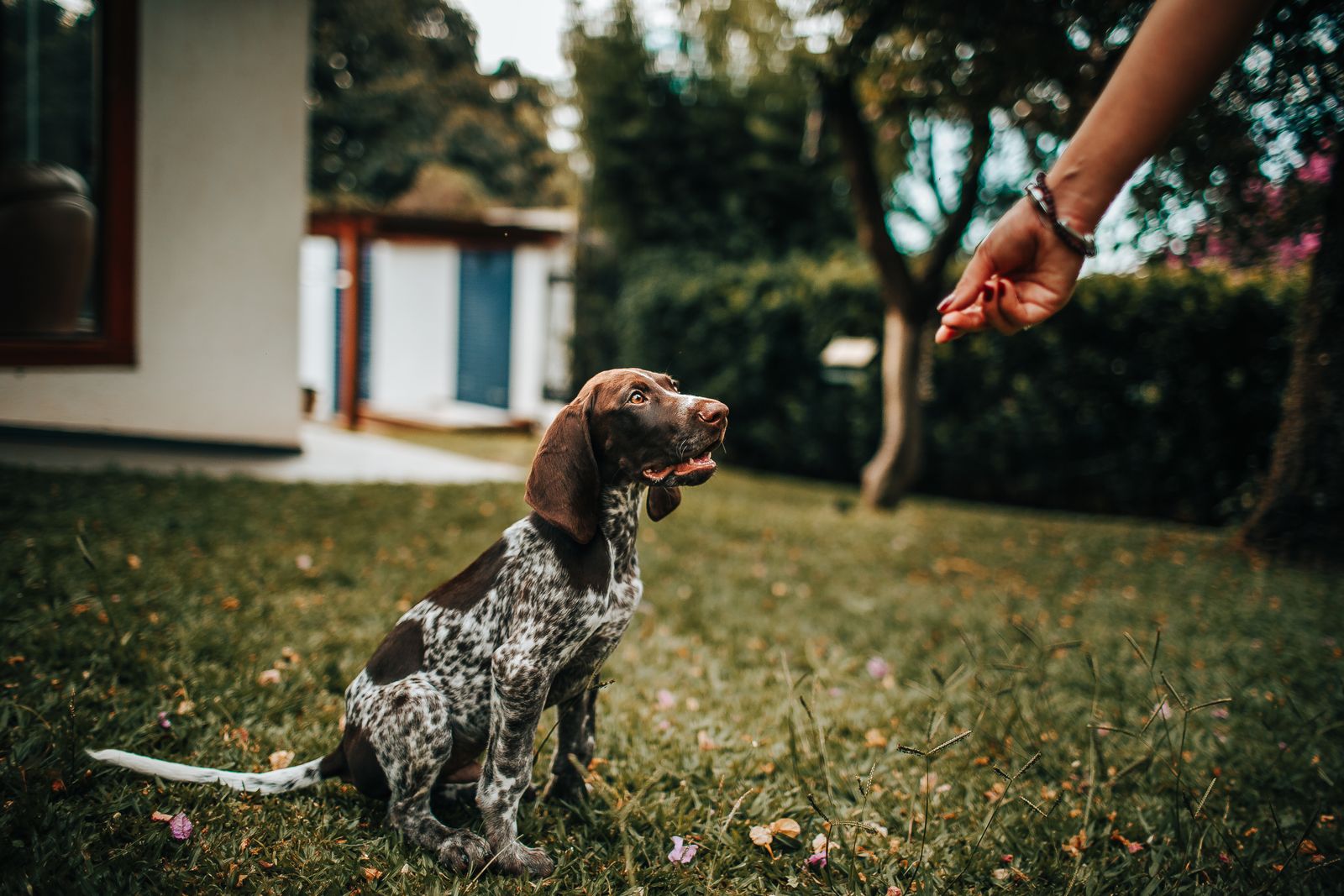
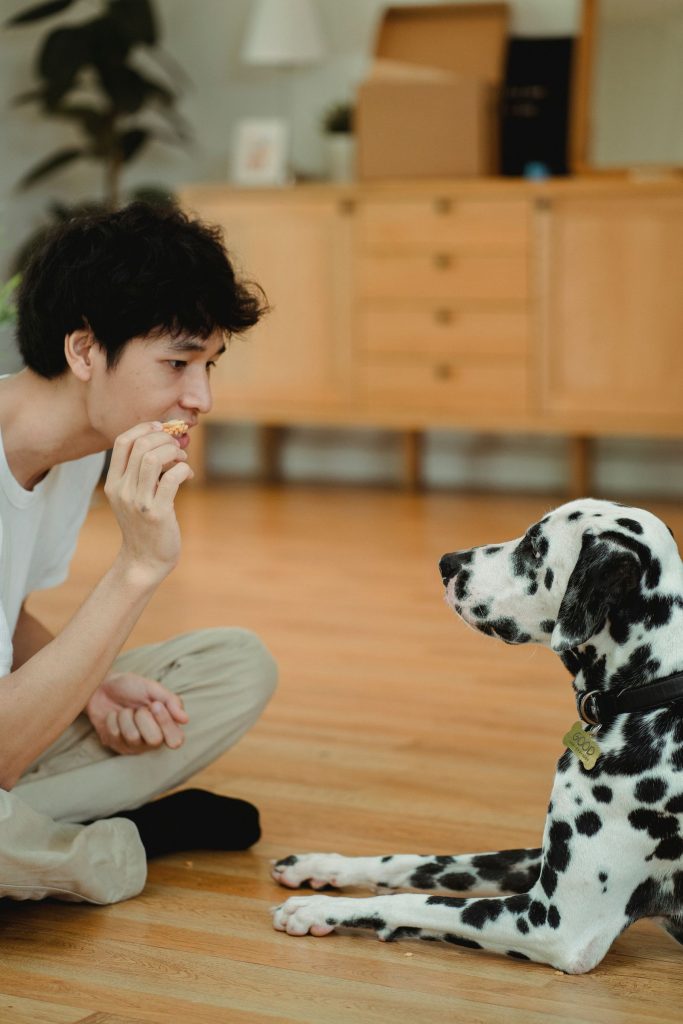
Featured image: Illustrative reward-based interaction, not a documented Animalia training session. Photo: Helena Lopes / Pexels.
Practice one training skill at a time
Choose the guide that fits your household and the next manageable step.
- How to Teach Your Dog to Respond to Their Name
- How to Teach a Dog to Touch Your Hand with Their Nose
- How to Start Recall Training Indoors
- Planning Safe Long-Line Recall Practice with Your Dog
- How to Practice a Brief Wait at an Indoor Door
- How to Introduce a Fair “Drop It” Trade with Your Dog
- How to Practice Friendly Greetings with Four Paws on the Floor
- How to Teach a Simple Walking U-Turn with Your Dog
- Dog Marker Training: What the Signal Means and When to Use It
- How to Fade a Food Lure While Continuing to Reward Your Dog
- How to Add Distractions to Dog Training Without Rushing
- How to Teach a Clear Release Cue in Dog Training
- A Simple Before-Walk Routine for Your Dog
- How to Introduce a Dog Harness in Small, Voluntary Steps
- A Simple Dog Training Session Log You Will Actually Use