Young puppies may need bathroom trips every 45–60 minutes while awake, according to the RSPCA’s toilet-training guidance, plus trips after waking, meals, play, and excitement. How long a puppy can hold pee varies; an age-based rule is only a rough guide, not permission to delay a needed break or leave them alone for that interval.
Plan around comfortable opportunities to pee rather than finding the longest possible wait. Our new puppy home checklist helps organize the people and supplies that make those frequent trips possible.
Why is there no exact pee-holding chart for every puppy?
Age matters, but so do the individual puppy, recent drinking, activity, sleep, health, and the care routine. An interval managed during a quiet nap may be too long during lively play. Start with frequent opportunities, watch the puppy, and shorten the gap whenever their signals or accidents show they need more help.
You may see both “one hour per month of age” and “months plus one” in advice online. Humane World describes the first rule, while the AKC timeline uses the second when discussing time away. The differing formulas show why neither should become a promise about your puppy.
For example, a three-month-old puppy is not automatically ready for a three- or four-hour active daytime wait. A formula cannot tell you what happened after their last drink or whether they actually peed on the previous trip. It also says nothing about comfort with being alone.
The RSPCA recommends far more frequent trips during early training. Treat a holding-time estimate as background information, then use the puppy’s real care needs to plan today. A dry bed is useful information, but it does not establish that every future interval will be comfortable.
Match the next break to the situation
| Situation | Useful next step | What not to assume |
|---|---|---|
| Awake during early training | Offer frequent trips, using the RSPCA’s 45–60-minute guidance as a starting point | The timer overrides a signal to go sooner |
| Just woke from a nap | Go to the bathroom spot promptly | The previous break was recent enough |
| After a meal, drink, play, or excitement | Offer another opportunity and supervise | Age alone predicts the next urge |
| Quiet overnight sleep | Plan access and respond to waking or stirring | A dry night predicts a dry workday |
| Caregiver must be away | Arrange breaks that meet this puppy’s needs | A crate makes waiting longer safe |
| Straining with little or no urine | Call a vet immediately; inability to pass urine is an emergency | It is just a training setback |
This Animalia table is a planning aid, not a medical capacity chart. The source interval needs adapting to the puppy, and a puppy who needs to go sooner should go sooner. If you are uncertain about the pattern, ask your vet rather than stretching the wait to test a limit.
Watch for sniffing, circling, restlessness, heading toward the door, or squatting. These can suggest a bathroom trip is needed, but they are not a diagnosis of why the puppy is unsettled. You do not need to wait for a perfect signal before offering an appropriate opportunity.
On each trip, stay close enough to see whether the puppy actually goes. Reward after they finish at the intended spot, and keep early indoor supervision close. If they do not go, return to supervision and offer another opportunity rather than assuming the bladder is empty.
Build a break record and a realistic care handoff
Keep a short record of waking, meals, active play, bathroom trips, and accidents. Include whether urine actually passed, not just whether someone opened the door. The point is to notice useful patterns and communicate clearly, not to produce a score for the puppy.
- Write the last successful pee and the current caregiver’s name.
- Note the next meal, nap, activity, and planned bathroom opportunity.
- Act on signals before the planned time when needed.
- Record accidents calmly and review where supervision or timing failed.
- Give the next caregiver the actual record rather than a guessed age formula.
An Animalia example: a puppy stays dry through a quiet nap but has an accident during evening play. The household adds a trip around that active period and watches more closely. They do not conclude that the puppy is being difficult or should be confined longer to learn control.
If work or travel prevents timely trips, arrange reliable help and a suitable setup. Our workday care plan and sitter instructions help assign responsibility. A closed crate does not replace a bathroom opportunity or create the ability to wait through a long absence.
If a crate is part of that setup, our crate-assisted potty-training routine explains the next trip after rest and what to record. The sequence does not turn a holding-time estimate into permission for a longer wait.
Keep fresh water available. Do not restrict drinking to make an unsuitable daytime schedule work. Ask your vet about any individual medical instructions, and revise the care arrangement when normal needs exceed what the current plan provides.
When should a change in peeing prompt a vet call?
Contact your vet about pain, blood, repeated straining, unusually frequent small amounts, or a sudden change from the puppy’s usual pattern. A puppy who tries but cannot pass urine needs immediate veterinary attention. Do not wait for an age-based holding limit to expire or try to diagnose the cause yourself.
PDSA treats inability to pass urine as an emergency. Notice what actually comes out and tell the vet what you observed. Training adjustments cannot resolve every urinary problem, and a puppy who previously stayed dry can still need medical assessment when their pattern changes.
After an ordinary accident, clean the area with a pet-suitable product used as directed and review the routine. The RSPCA advises against punishment. Your next step is a more workable opportunity to succeed, with veterinary help whenever the signs warrant it. Find related household guides in our dog care hub.
Frequently asked questions
Can an eight-week-old puppy hold pee for two hours?
Some guidance uses age to estimate capacity, but an eight-week-old puppy may need much more frequent trips while awake. Use frequent bathroom opportunities and respond to the puppy’s signals rather than making two hours a target. Ask your vet if the pattern worries you, and arrange care that allows trips whenever they are needed.
Can a three-month-old puppy wait four hours?
The months-plus-one formula appears in some guidance, but it does not guarantee that a particular puppy can wait four hours comfortably. Play, drinking, waking, and individual development can create a need much sooner. Plan around frequent successful opportunities, and keep alone-time training separate from assumptions about bladder capacity or the absence of accidents.
Why can my puppy stay dry at night but not in the day?
Sleep and active daytime routines are different situations. The AKC notes that puppies may hold urine longer while asleep, but that is not a promise of an uninterrupted night. Offer a trip before bed and promptly after waking, and arrange nighttime access when needed. Do not copy an overnight interval into an active daytime schedule.
Should I make my puppy wait to build bladder control?
Do not deliberately postpone a needed break to test or train a longer wait. Give the puppy suitable opportunities and reward toileting in the intended place. Growth and learning take time, while pushing beyond current needs creates avoidable accidents and discomfort. Review the routine with your vet if progress or the urinary pattern concerns you.
What if my puppy pees just after coming back indoors?
Check whether the puppy actually peed outside and whether the trip was calm enough to finish. Supervise closely on returning and offer another opportunity when needed. Clean accidents without punishment. Repeated small amounts, straining, pain, blood, or an unexpected change need veterinary advice rather than repeated trials of a different timer.
Can I leave my puppy in a crate while I work?
Only plan care around what the puppy can comfortably manage, including bathroom access, social needs, and gradual alone-time learning. A crate does not extend bladder capacity. Arrange dependable help and an appropriate environment when you cannot provide breaks yourself. Use the puppy’s real needs to shape the workday plan rather than a generic age formula.
Sources and editorial notes
- RSPCA: frequent puppy bathroom opportunities
- Humane World: routine, supervision and accidents
- AKC: daytime and nighttime potty planning
- PDSA: difficulty or inability to pass urine
Animalia Editorial. Last reviewed: October 22, 2026. Holding-time formulas differ between sources, so the table deliberately avoids guaranteed maximums. The record example is an editorial planning scenario. Urinary changes require veterinary assessment, not an online diagnosis. Editorial standards: Animalia Editorial Policy.
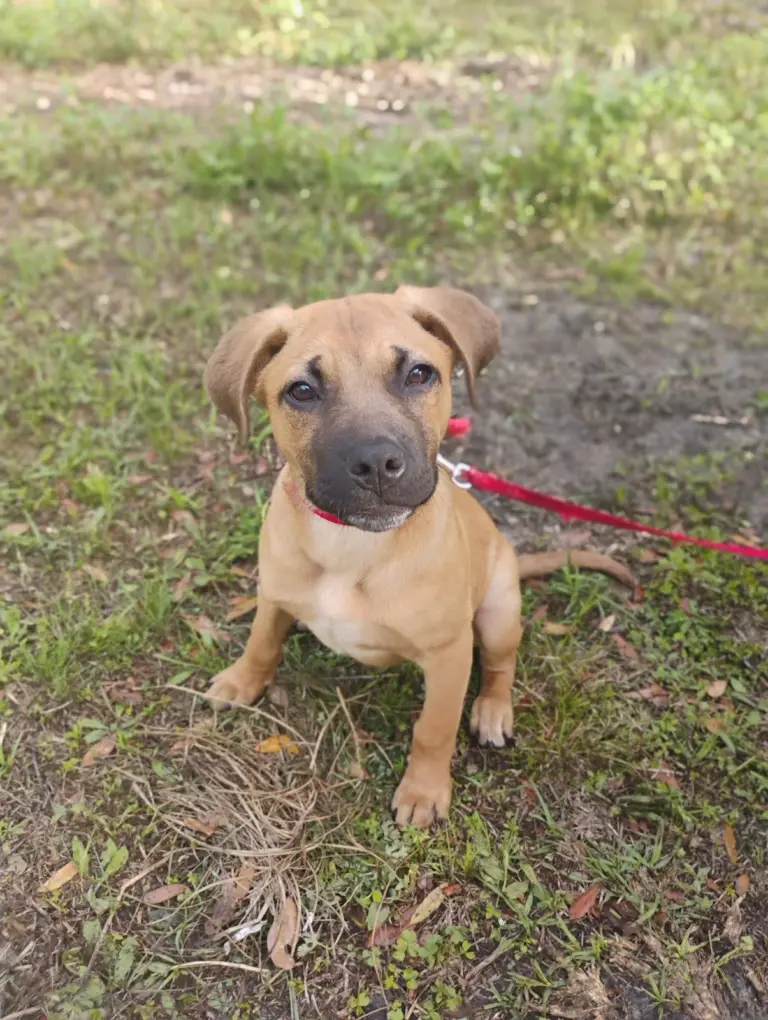
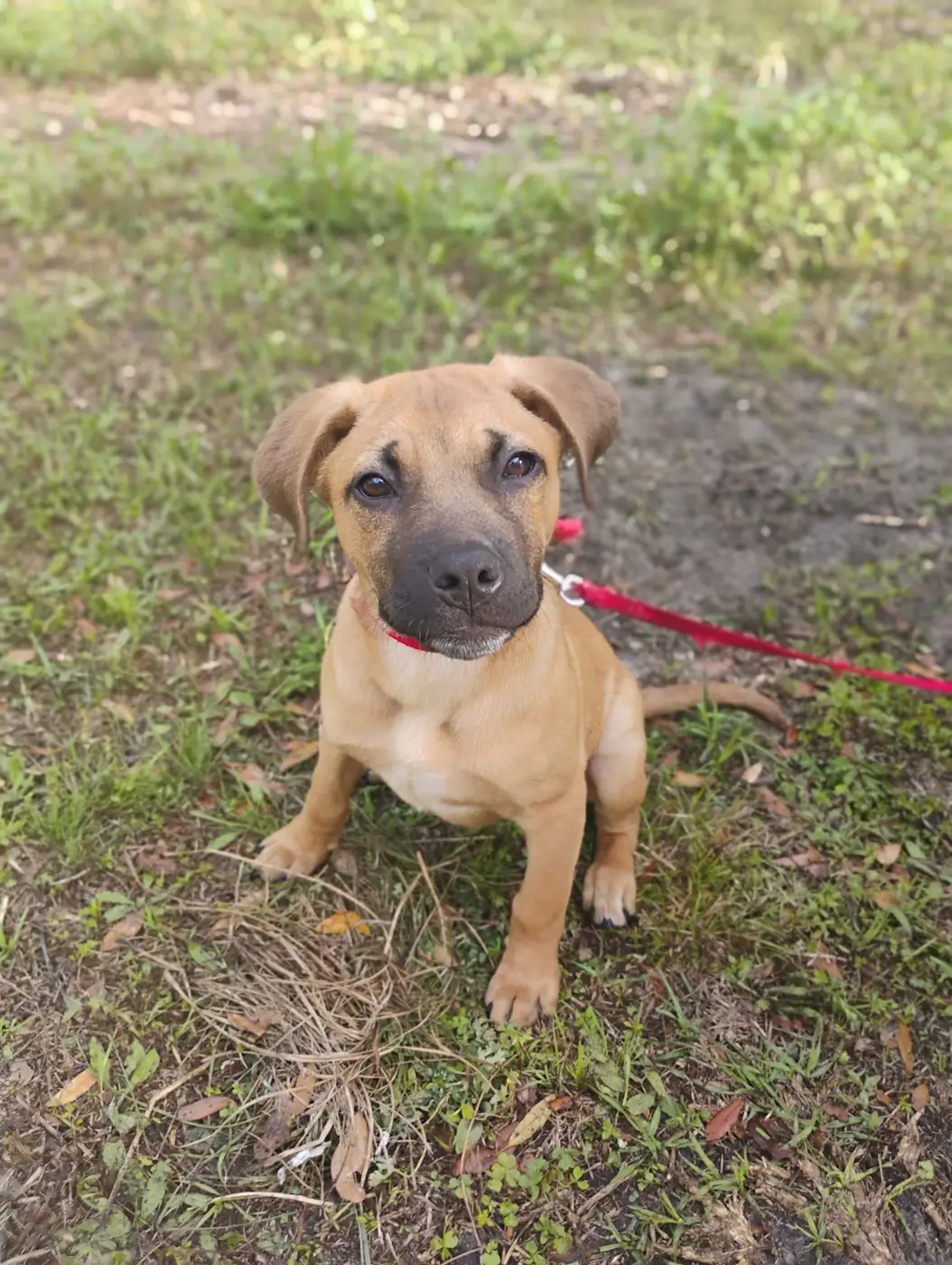
Featured photo: A puppy sits outdoors on a red leash. Photo: raven edenfield / Pexels.
Prepared with AI assistance and reviewed against the sources above.