Here is how to get a puppy used to a collar: reward calm investigation, introduce comfortable handling, fasten a suitable collar briefly, and build wearing time gradually. Battersea recommends a gradual, positive introduction. Pause when your puppy struggles, check fit, and seek help for fear or discomfort. Collar comfort comes before an outdoor walking lesson.
Animalia’s five steps separate the object, nearby hands, fastening, and wearing. Prepare the collar and suitable rewards in a quiet familiar place. Give the puppy room to leave, and keep normal meals, rest, bathroom opportunities, and companionship available around the practice.
What collar and fit should you check first?
Choose a comfortable flat collar in good condition and follow its sizing instructions. RSPCA Australia describes a two-finger fit check and frequent rechecks as puppies grow. Confirm the fastening and fit without forcing an uncomfortable handling session. Ask your veterinarian or a qualified reward-based professional for help when you cannot assess the setup safely.
Check the actual item rather than relying on a breed label or the size printed on a package. If it is already too small or does not suit the puppy, replace the equipment decision before practicing with it. Do not compensate for a fit concern by tightening, loosening, or modifying the collar beyond its instructions.
This guide concerns an ordinary flat collar, not a tool designed to deliver pain or corrections. A harness may be a separate walking-equipment choice for the individual dog. Our harness introduction guide covers that process, and collar familiarity does not establish that either item is correctly fitted for every situation.
Let the collar predict a manageable experience
Offer the collar where the puppy can notice or investigate it comfortably, then reward calm interest. Battersea begins with the object in a hand or on the floor. Keep the first task small enough that the puppy does not need to be chased, held still, or drawn into an uncomfortable position to participate.
For an illustrative first note, record “looked at the collar from beside the chair” rather than “accepted the collar.” Those are different observations. If the puppy leaves, allow the break and review the setup. You can offer a simpler, more distant presentation later instead of repeatedly following them with the equipment.
Our dog marker training guide explains how an established signal can identify a comfortable response. Prepare the reward before the attempt, and keep the object clear of chewing opportunities. If the collar becomes a tug toy, stop and reset the arrangement rather than pulling it out of the puppy’s mouth.
When should hands and fastening enter the lesson?
Introduce nearby hands and the fastening only after the earlier presentation is comfortable. Battersea builds equipment checks gradually and recommends stopping before handling becomes difficult. Move in small steps, reward a comfortable response, and give the puppy a break when needed. Do not press ahead because you have reached the fastening step on a checklist.

For a practical sequence, separate a hand moving near the neck from a brief comfortable touch, then from placing the collar and operating its closure. Follow the item’s actual design; a buckle and an over-head opening need different handling. If any part is unclear, ask a reward-based professional to demonstrate with equipment suited to your puppy.
Do not use a treat to keep the puppy occupied while someone forces the collar on. Eating does not prove that all the handling is comfortable. If the puppy freezes, panics, growls, or repeatedly tries to leave, stop and seek support. Ask your veterinarian about apparent pain or a new change in tolerance.
Build comfortable wearing in small changes
Once fastening is comfortable and fit is confirmed, keep the first wearing experience brief and manageable, then increase gradually. Use this Animalia review table to keep each change clear. It is an observation aid, not a fixed timetable or a test your puppy must pass before receiving ordinary care.
| Part of the lesson | Observe | If it is difficult |
|---|---|---|
| Seeing the collar | Voluntary calm interest | Present it more simply or farther away |
| Nearby hands | Comfort with a small movement | Return to the earlier presentation |
| Fastening | Comfort with the actual closure | Seek a practical demonstration |
| Wearing | Fit and comfortable ordinary movement | Stop and review equipment and comfort |
| Adding a leash | Readiness for a new sensation | Teach attachment separately |
Check fit again as the puppy grows and whenever equipment or the puppy’s condition changes. Persistent scratching deserves a review rather than an assumption that the puppy must get used to it. If there is panic or an immediate equipment concern, help safely and obtain advice; do not keep the collar on simply to wait out distress.
How do you move from collar comfort to walking?
Treat leash attachment and walking as new learning tasks, after comfortable wearing is established. Use an easy indoor setting and avoid tugging or dragging. RSPCA Australia recommends suitable equipment and reward-based loose walking. A puppy who accepts a collar has not automatically learned how to follow a person or manage outdoor distractions.
Our puppy leash introduction covers attachment and the first movements, while the loose-leash walking guide develops that skill further. Ask your veterinarian about appropriate outdoor access and activity for the individual puppy rather than using collar acceptance as a health or vaccination clearance.
Start today with one fit question resolved and one easy presentation of the collar. Return to the puppy care and crate-training hub for the wider home plan. Follow equipment and enclosure instructions for every use; completing a lesson does not establish that wearing an item unattended is appropriate.
Frequently asked questions
How long will it take my puppy to accept a collar?
There is no universal completion time. Use your puppy’s response to choose the next manageable step, and keep an easier version available. Battersea notes that some dogs need more time or an individual plan. If progress stalls or handling remains uncomfortable, ask for qualified reward-based support and veterinary advice where pain or another health concern may be involved.
Should I ignore scratching until the puppy gives up?
Review the collar’s fit, condition, and your puppy’s comfort rather than deciding that scratching must be ignored. New equipment is a different sensation, but persistent difficulty needs attention. If the puppy panics, freezes, growls, or seems in pain, stop and seek appropriate help. Do not make enduring an uncomfortable item the requirement for finishing the exercise.
Is the two-finger check enough for every collar?
Use the two-finger check as a general starting guide alongside the actual manufacturer’s instructions and the puppy’s individual fit. RSPCA Australia also emphasizes rechecking as a puppy grows. A simple rule does not establish suitability for every shape or design. If you are uncertain about slipping, pressure, or fastening, obtain a practical fit assessment before relying on the item.
Can I pull the puppy along to teach what the collar means?
Do not drag or jerk a puppy to introduce equipment or movement. Teach comfortable wearing and easy following as separate, rewarded tasks in a suitable setting. If the puppy will not move, review the surroundings and fit and consider whether discomfort needs veterinary advice. More pressure does not clarify a lesson that is currently too difficult or uncomfortable.
Does this mean my puppy should wear the collar unattended?
A training success does not determine whether an item is appropriate unattended or inside an enclosure. Follow the collar and enclosure instructions, review entanglement risks, and ask an appropriate professional about your actual setup when uncertain. Keep identification and home security within the wider care plan rather than treating continuous wearing as the required outcome of a beginner lesson.
Sources and editorial notes
Animalia Editorial. Reviewed November 4, 2026. Readiness examples and the table are planning aids, not results from an Animalia training trial or a fit certification. See our editorial policy.
Battersea: introducing equipment; RSPCA Australia: fit and humane walking equipment.
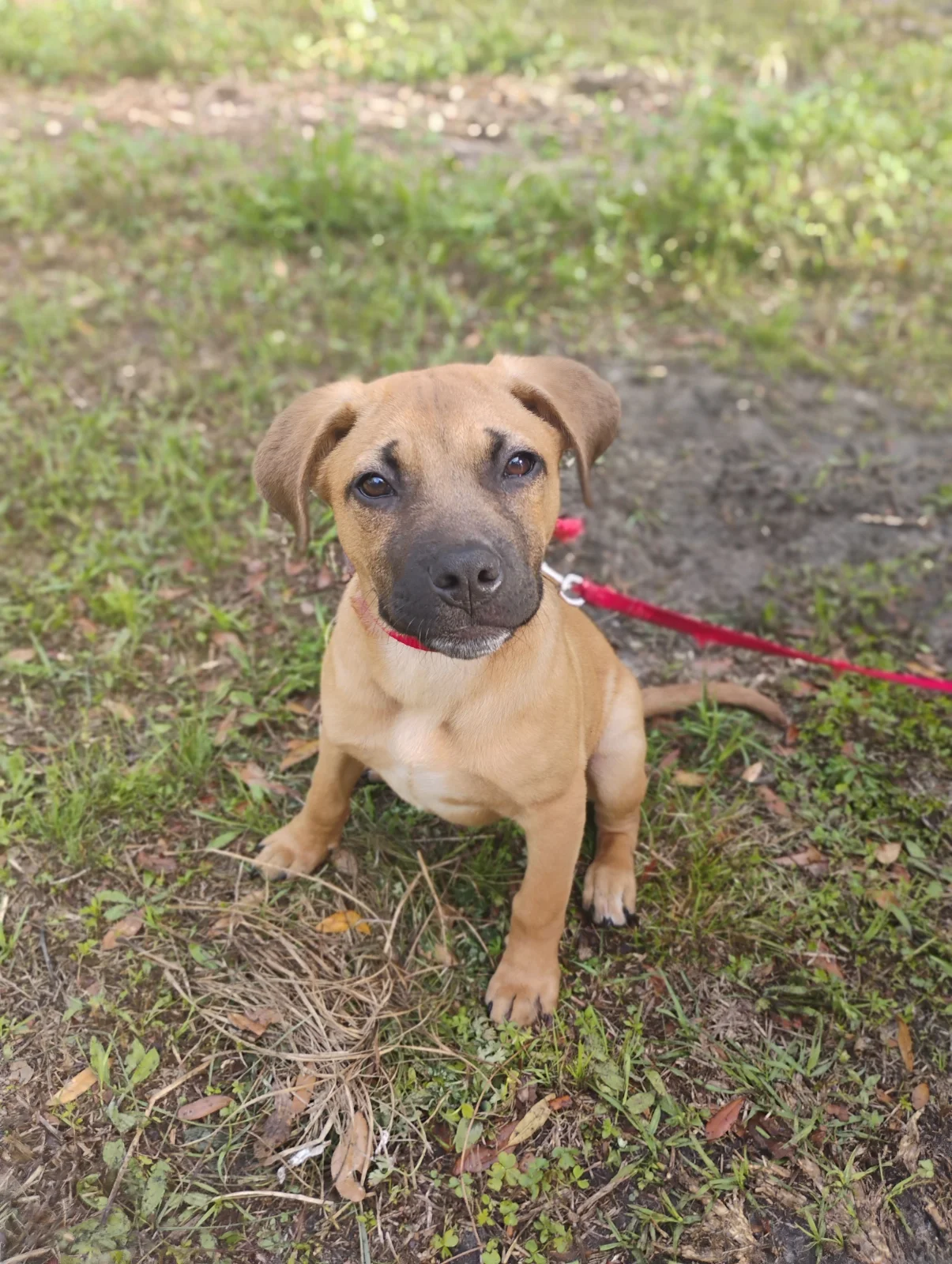
Featured photo: A puppy wears a flat collar with an attached red leash outdoors. This scene does not establish a verified fit. Photo: raven edenfield / Pexels.
Prepared with AI assistance and reviewed against the sources above.