Dog sitter instructions should explain the established routine, practical equipment, and whom to contact when something changes. Put the key information in one care note and do a walkthrough before the first visit. Avoid expecting a new caregiver to infer the plan from your dog’s behavior.
List contacts and identify the dog
Include the dog’s name, a clear description, your contact, a backup contact, veterinary practice, and emergency arrangements. Agree on the contact process if you are unavailable. Keep property access details private and share them securely.
Tell the sitter about known handling preferences and situations they should avoid. An honest handoff is more useful than describing a dog as easy while leaving out a difficult part of the normal outing.
Explain routine tasks precisely
- Existing food, portions, timing, and storage.
- Water locations and checking routine.
- Bathroom opportunities and the usual route.
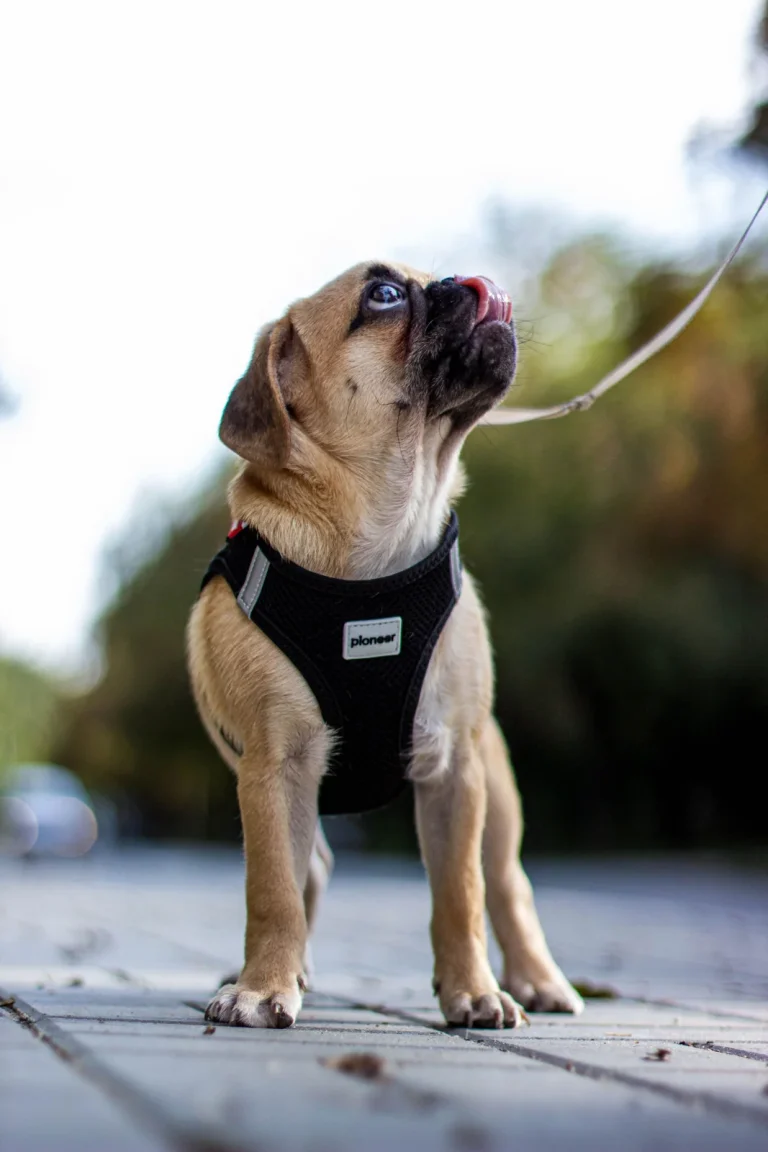
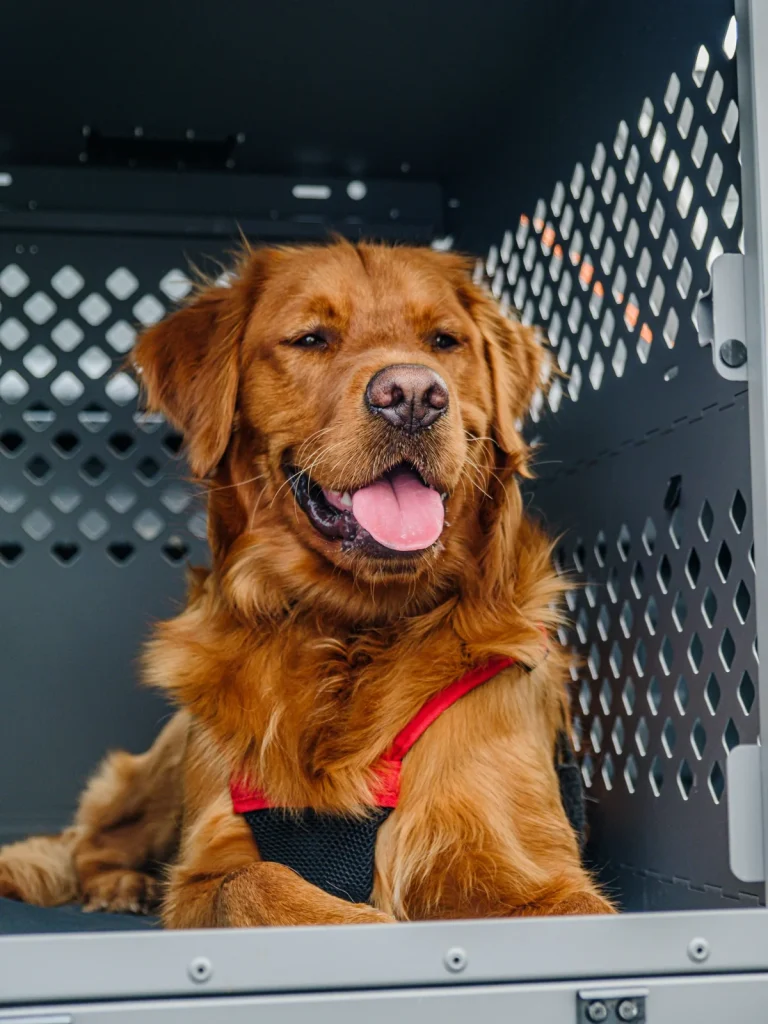
- Suitable walking equipment and how it fits.
- Resting spaces and household access rules.
- Familiar supervised activities.
- Waste and cleaning arrangements.
Provide veterinary instructions separately for prescribed care and confirm the caregiver is appropriate for those tasks. This template does not supply medication directions.
Demonstrate an ordinary outing
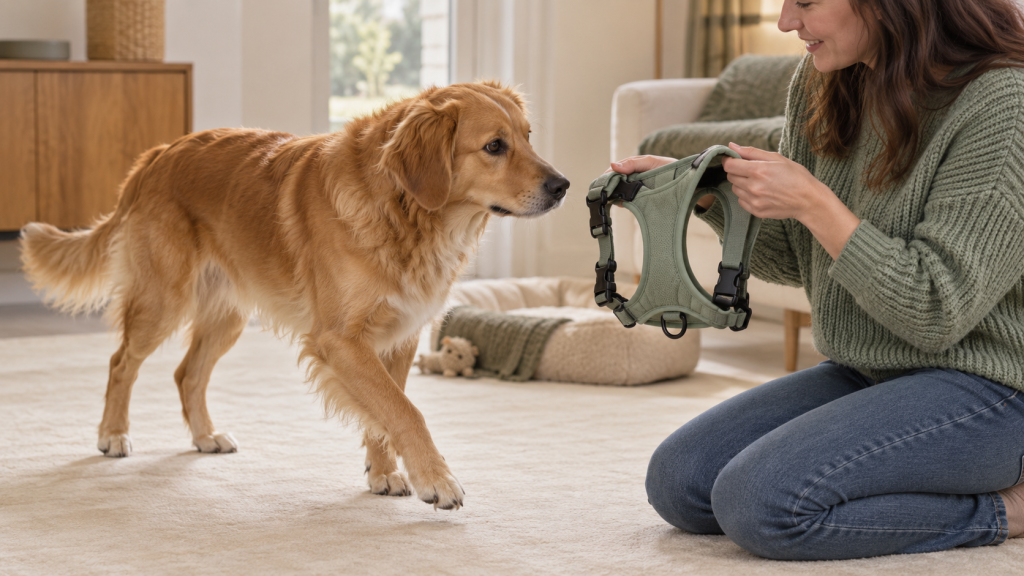
Show equipment, doors, and a manageable route. Explain where the dog can comfortably explore and which areas you normally avoid. Do not ask the sitter to begin a new training program during your absence.
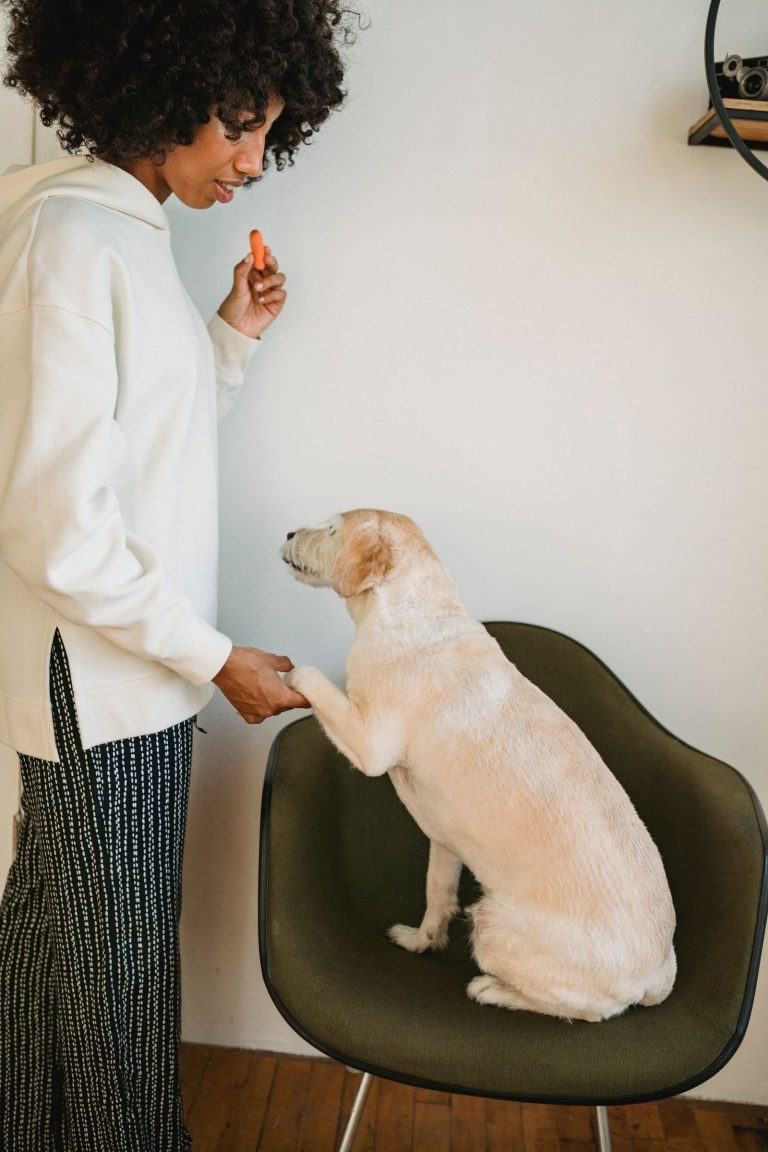
Share familiar cues if useful, with clear meanings. Our household training agreement helps prevent conflicting instructions.
Agree on updates that matter
A brief update can cover arrival, meals, water, bathroom access, and anything unusual. Define which concerns need an immediate call using your veterinary team’s guidance. A photograph is optional and should not require the dog to be restrained or disturbed.
Keep the existing daily routine available, but make adaptations explicit when the sitter’s visit timing differs.
Check the handoff in practice
Ask the sitter to describe the essential tasks back to you. Confirm that they can open supplies, use equipment, and contact the right person. Resolve gaps before departure rather than relying on messages sent after a problem occurs.
Update the care note when the dog’s routine changes. Date the current version so an old feeding note does not remain the default instruction.
Sources and editorial notes
This is an Animalia handoff template. General care context: Blue Cross: first-time dog ownership. It is not a clinical care plan or an assessment of a caregiver’s qualifications.
Featured image: A man writes notes in a notepad while his Akita sits beside him. Photo: Zen Chung / Pexels