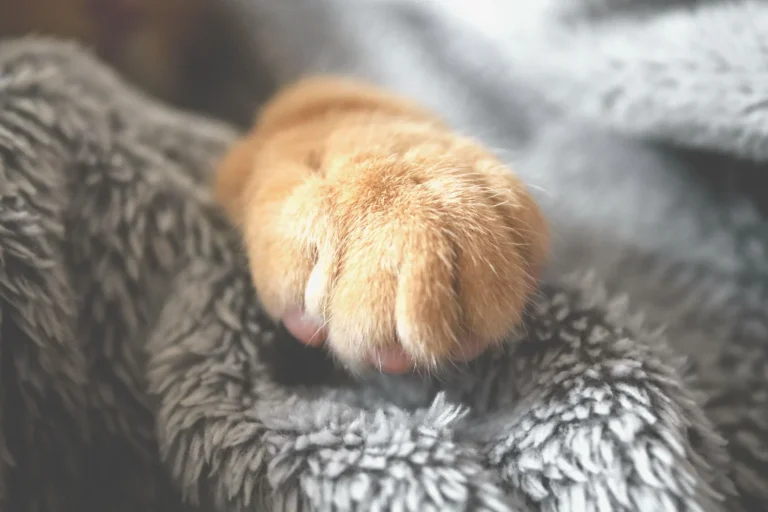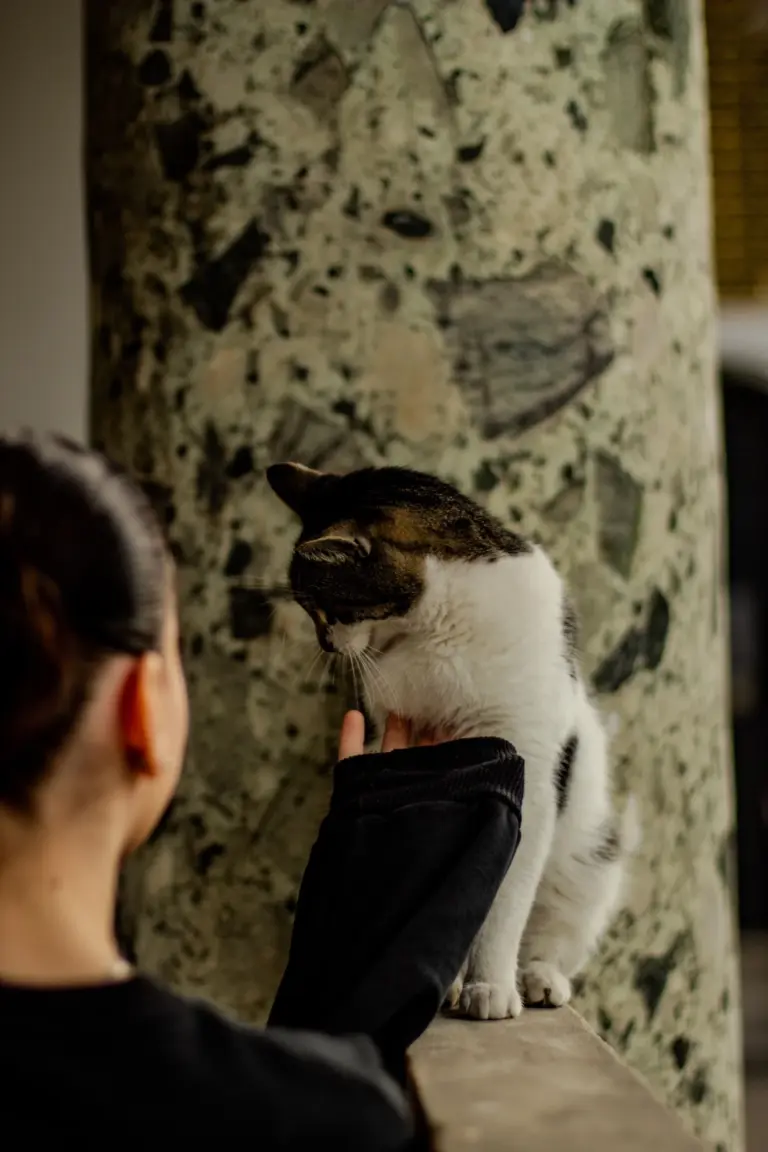
Yes, many cats like blankets as a soft, warm place to rest, but preferences vary. Cats Protection suggests a soft blanket in a resting box. Liking a blanket underneath them does not mean a cat wants to be covered. Offer it as an option and let your cat choose.
The useful question is how your cat uses the fabric: lying on it, kneading it, crawling underneath, or walking away. Animalia’s cat behavior guide encourages this kind of observation. You can make a comfortable sleeping place without wrapping the cat or buying a special blanket.
Why do cats like blankets in the first place?
A blanket can make a resting surface softer and warmer, while a familiar smell may help the space feel reassuring. The location matters too: a quiet chair with an easy exit may appeal more than the same fabric in a busy room. Watch your individual cat rather than assuming one texture suits everyone.
Also, comfort and concealment are different needs. A cat may enjoy lying on a folded blanket but prefer a separate box for hiding. Cats Protection recommends several sleeping options in quiet, private areas. You do not need to make every bed identical or move your cat each time they choose another spot.
If your cat kneads before settling, read our guide to cats making biscuits. Kneading alone does not tell you that a blanket has a therapeutic effect or that the cat wants more contact. Leave the cat free to rest, and stop stroking when they no longer welcome it.
Does liking a blanket mean a cat wants to be covered?
No. Choosing to lie on a blanket is different from having fabric placed over the body. Start by offering a flat layer in a familiar resting place. If your cat chooses to explore underneath loose fabric, keep their route out clear. Never tuck, wrap, pin, or hold them beneath it.
Watch for a relaxed posture and a cat who can leave easily. If they wriggle away, tense up, flatten their ears, or avoid the setup, remove the cover and offer another choice. Do not keep trying until they stop resisting. Cats Protection’s body-language guidance helps you read the whole response rather than purring alone.
An open bed beside you may meet the same need for company without sharing your covers. The guide to choosing a cat bed starts with the cat’s preferred resting shape and location. Keep that choice separate from whether you want the bedroom furniture protected.
Compare what your cat actually chooses
This simple comparison helps you respond to the cat’s visible behavior. It is a household observation tool, not a test of affection or a way to measure stress. Keep the location similar when comparing surfaces, and change one feature at a time so the result is easier to interpret.
| What happens | What it tells you | What to offer |
|---|---|---|
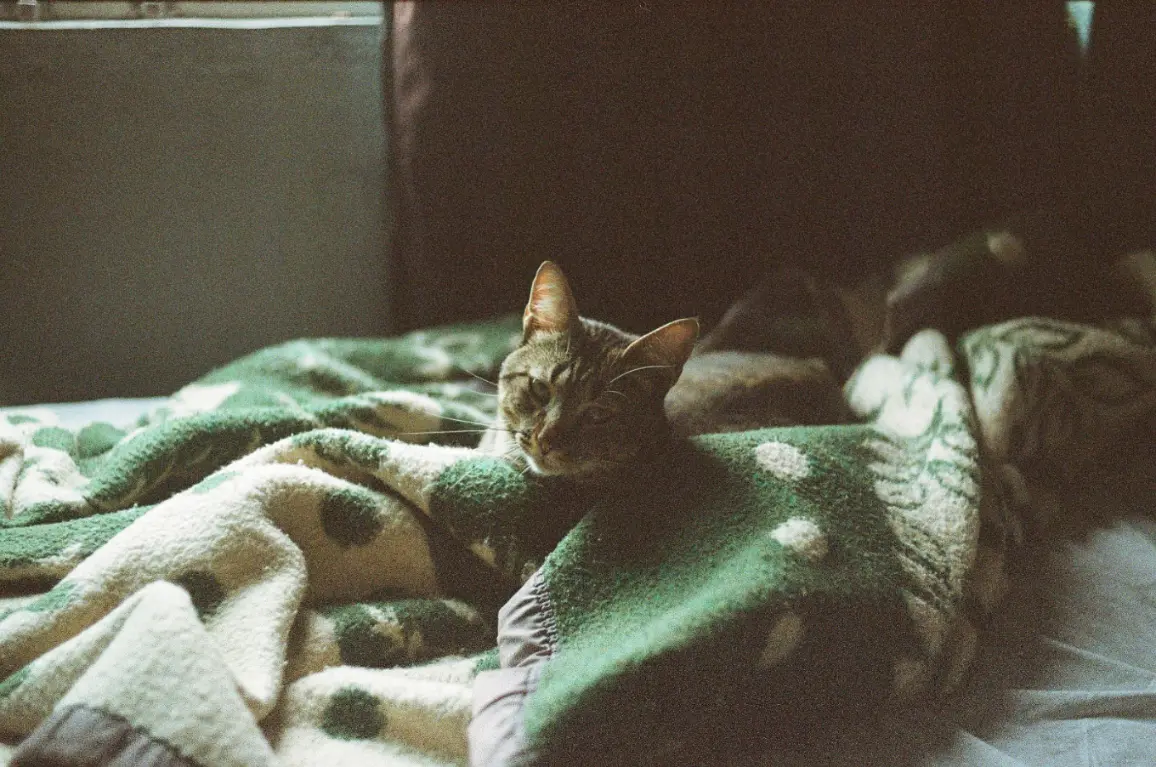
| Sleeps on a folded blanket | That setup is acceptable at that moment | Leave it accessible and undisturbed. |
| Lies beside the blanket | The bare surface may suit them better | Keep an uncovered option. |
| Kneads, then settles | A familiar resting routine is possible | Allow space and check fabric for snagged claws. |
| Explores underneath, then walks out | The cat can choose a short visit | Preserve a loose, open exit. |
| Struggles or leaves when covered | The added cover is unwelcome | Remove it and stop covering the cat. |
| Chews or swallows fabric | This needs a safety response | Remove access and speak with your veterinarian. |
For example, place an ordinary washable blanket on part of a favorite chair, leaving another part bare. If your cat repeatedly rests on the bare side, accept that choice. Do not keep repositioning them on the blanket. A preference can also change with the room, season, or a different sleeping spot.
Choose simple fabric and an easy exit
Use an intact, washable blanket without loose fringe, hanging threads, or detachable pieces. Check it during normal laundry care, especially if your cat kneads or chews it. Keep the resting spot easy to reach, stable, and away from a door that someone might close without seeing the cat.
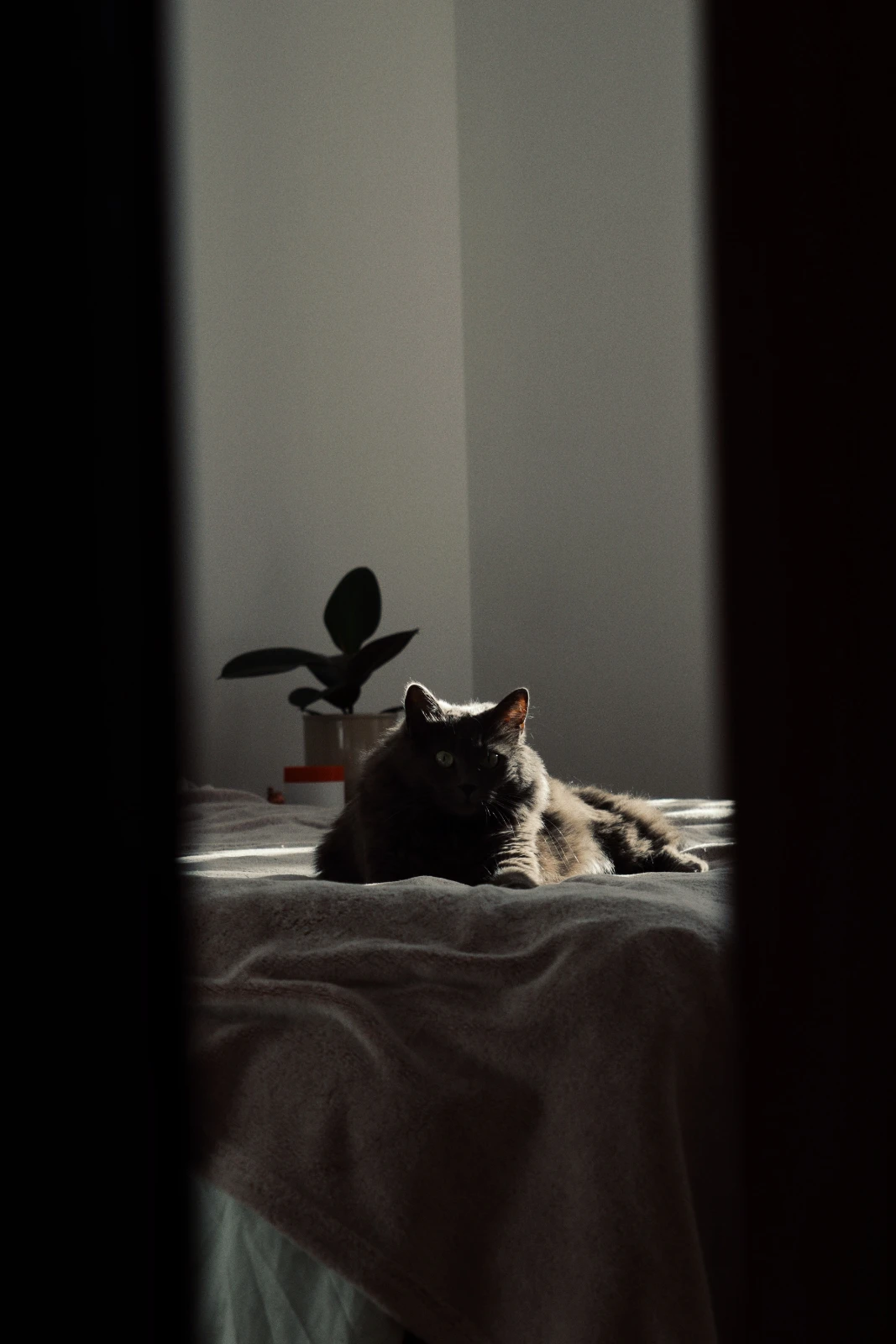
A flat ordinary blanket is the simplest starting point. Avoid adding weight or electrical heat to persuade a reluctant cat. Those changes need separate safety consideration, and a heavier cover is not a substitute for a suitable warm room. For a cat with mobility or health concerns, ask your veterinarian about an appropriate resting setup.
Wash according to the fabric label and keep bedding clean and dry. There is no single schedule that fits every cat and home. Replace soiled bedding promptly, and consider keeping a spare so a comfortable resting place remains available. Strong new fragrances are unnecessary when introducing another blanket.
Animalia recommends keeping beds separate from feeding and toilet areas where possible. A quiet new-cat room setup can include an open bed and a separate hideout. That gives the cat a choice between resting in view and withdrawing from activity.
When do blanket habits need a vet call?
A new wish to hide under bedding deserves context, especially if appetite, activity, or social contact also changes. Check with your veterinarian rather than assuming the cat is simply cold. Also seek advice for persistent fabric chewing. Cats Protection’s Behavior Guide describes swallowing nonfood items as a reason for a veterinary check.
If you suspect swallowed thread or fabric, contact your vet promptly and describe what may be missing. Do not treat a blanket habit with a home remedy. Meanwhile, remove the damaged item and provide another safe resting place. This preserves comfort while you investigate the change.
FAQ: cats and blankets
Do cats need blankets at night?
Not every cat needs or wants a blanket. They need an appropriate comfortable resting environment, and an ordinary blanket can be one option. Keep another surface available so your cat can move freely. If a cat seems unusually cold, weak, or withdrawn, ask your vet instead of relying on extra layers to address the change.
Is it okay to put a blanket over a sleeping cat?
It is better to offer the blanket as a sleeping surface and let the cat settle voluntarily. A resting cat does not need an unexpected cover or handling. If your cat dislikes it, remove the fabric and leave them undisturbed. Their ability to leave matters more than whether the scene looks cozy to you.
What blanket material do cats like best?
There is no single material that every cat prefers. Start with a simple intact fabric that you can wash, and see whether your cat chooses it in a quiet resting place. Keep an alternative available. Avoid loose yarn or decorations, especially for a cat who catches claws in fabric or tends to chew bedding.
Why does my cat ignore a new blanket?
The texture, smell, location, or timing may not appeal to that cat. Put it beside an accepted resting surface rather than moving the cat onto it. You can also try another ordinary fabric without adding pressure. A cat who chooses the old bed is giving useful information, not failing to appreciate a gift.
Should I stop my cat from kneading or sucking a blanket?
Kneading and swallowing fabric are different concerns. Calm kneading can fit a resting routine, but damaged threads or swallowed pieces need attention. Remove unsafe fabric without punishment and ask your veterinarian about repeated sucking or chewing. Keep a record of when it happens and whether the cat can settle comfortably with a safer alternative.
Do cats like blankets? Many do, and the best guide is the choice your own cat makes. Start with a simple, open resting surface, preserve an exit, and leave another bed available. Use the cat behavior hub to consider other changes without guessing what a single nap means.
Sources and editorial notes
- Cats Protection: cats and sleep
- Cats Protection: preparing a home for a cat
- Cats Protection: body language
- Cats Protection: Behavior Guide, hiding and nonfood chewing
Animalia Editorial. Published and last updated October 29, 2026. Editorial Policy.
Featured photo: A black cat rests among gray blankets with its face uncovered. Photo: Lisa Fotios / Pexels
Prepared with AI assistance and reviewed against the sources above.