Young puppies can sleep around 18–20 hours across a day, including naps and nighttime sleep; the PDSA notes that some puppies sleep this much. Treat the range as general guidance, not a quota for every age. Watch your puppy’s usual pattern and ask your veterinarian about concerning changes in energy, sleep, or comfort.
| Situation | Useful guide | What to check |
|---|---|---|
| A young puppy newly home | Some sleep 18–20 hours across the day | Provide rest between suitable activity and ordinary care |
| A growing puppy | Sleep patterns vary and change with maturity | Compare with the individual puppy’s usual pattern |
| Overnight waking | Young puppies may need nighttime toilet care | Arrange someone who can respond calmly |
| A sudden change | Changes can warrant veterinary advice | Note appetite, toileting, comfort, and activity too |
Animalia’s guide focuses on sleep quantity, comfortable naps, and when a change needs advice. The total includes daytime sleep, so a puppy who rests well overnight can still need naps. It does not mean keeping a puppy confined until they meet an hour target.
How long do puppies sleep at different ages?
Very young puppies can spend much of the day asleep, while sleep patterns change as they grow. Use broad guidance alongside your puppy’s usual behavior and care needs, rather than expecting a new exact total each week. Age helps explain the context, but it cannot show by itself whether a particular sleep change is healthy.
If you are planning for an 8-, 9-, 10-, or 12-week-old puppy, begin with the broad young-puppy guidance above and protect opportunities for rest. A 14-week birthday does not create a new universal sleep requirement. VCA emphasizes individual variation and changes as puppies mature. Ask your veterinary team about your puppy rather than comparing them only with an online chart.
A Generation Pup study compared owner-reported sleep at 16 weeks and 12 months and found younger dogs slept longer overall. It measured what owners reported, rather than continuously recording every dog’s sleep. Research of that kind helps describe patterns, but it does not supply a precise required total for every weekly age.
Count the whole day without turning hours into a test
The PDSA describes substantial daytime naps alongside nighttime care. If you keep a record, note approximate periods of sleep and obvious interruptions without repeatedly waking the puppy to check. A simple observation can help you discuss a concern; a household estimate is not a sleep study or a diagnosis.
Notice what happens when the puppy is awake as well as how long they appear to sleep. VCA lists changes in appetite, toilet habits, activity, and nighttime restlessness as useful concerns to discuss. A puppy who sleeps differently from a chart still needs an individual assessment when something seems wrong.
Use the daily care routine guide to keep meals, water, toilet opportunities, company, and suitable activity in view. Those needs belong around rest, rather than being postponed until an hour total is complete. Avoid turning a good night’s sleep into a reason to remove every daytime nap.
How can you help a puppy nap comfortably?
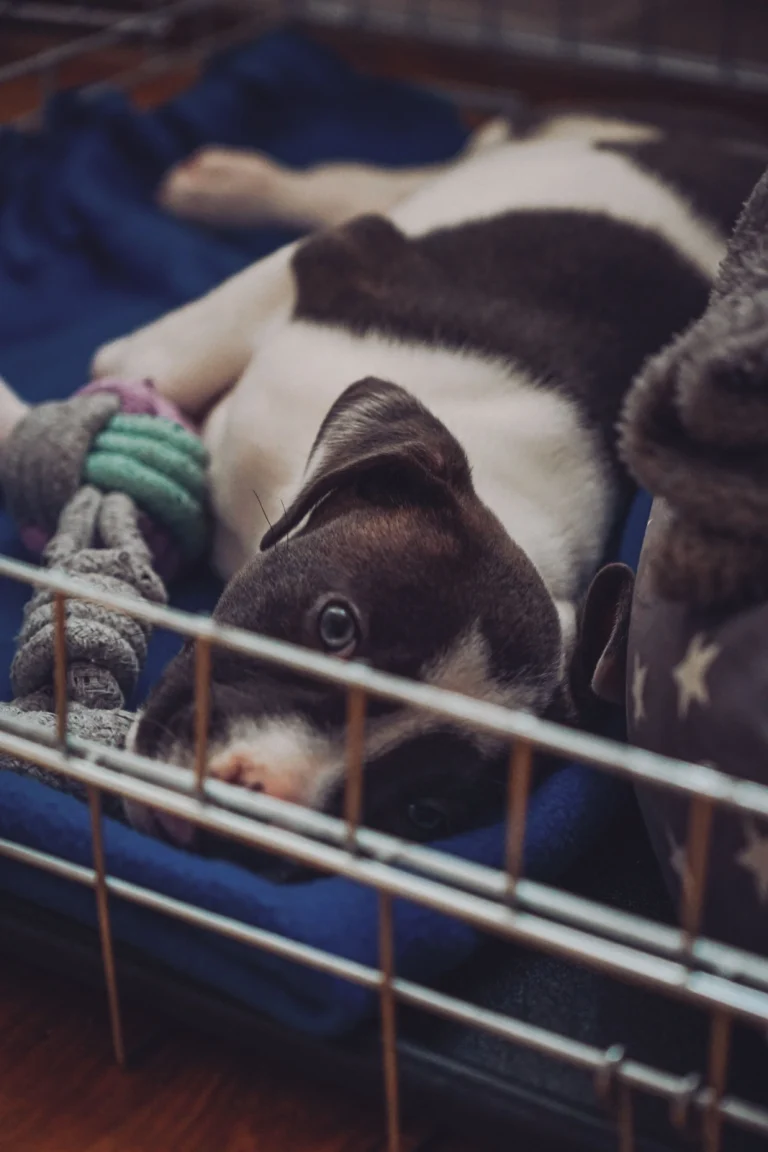
Provide a comfortable, quiet place where the puppy can rest without disturbance, and keep activity manageable around transitions to sleep. Stay available for ordinary care and support when needed. If a crate is part of the arrangement, introduce it positively rather than using it to enforce a fixed nap duration or ignore a worried puppy.
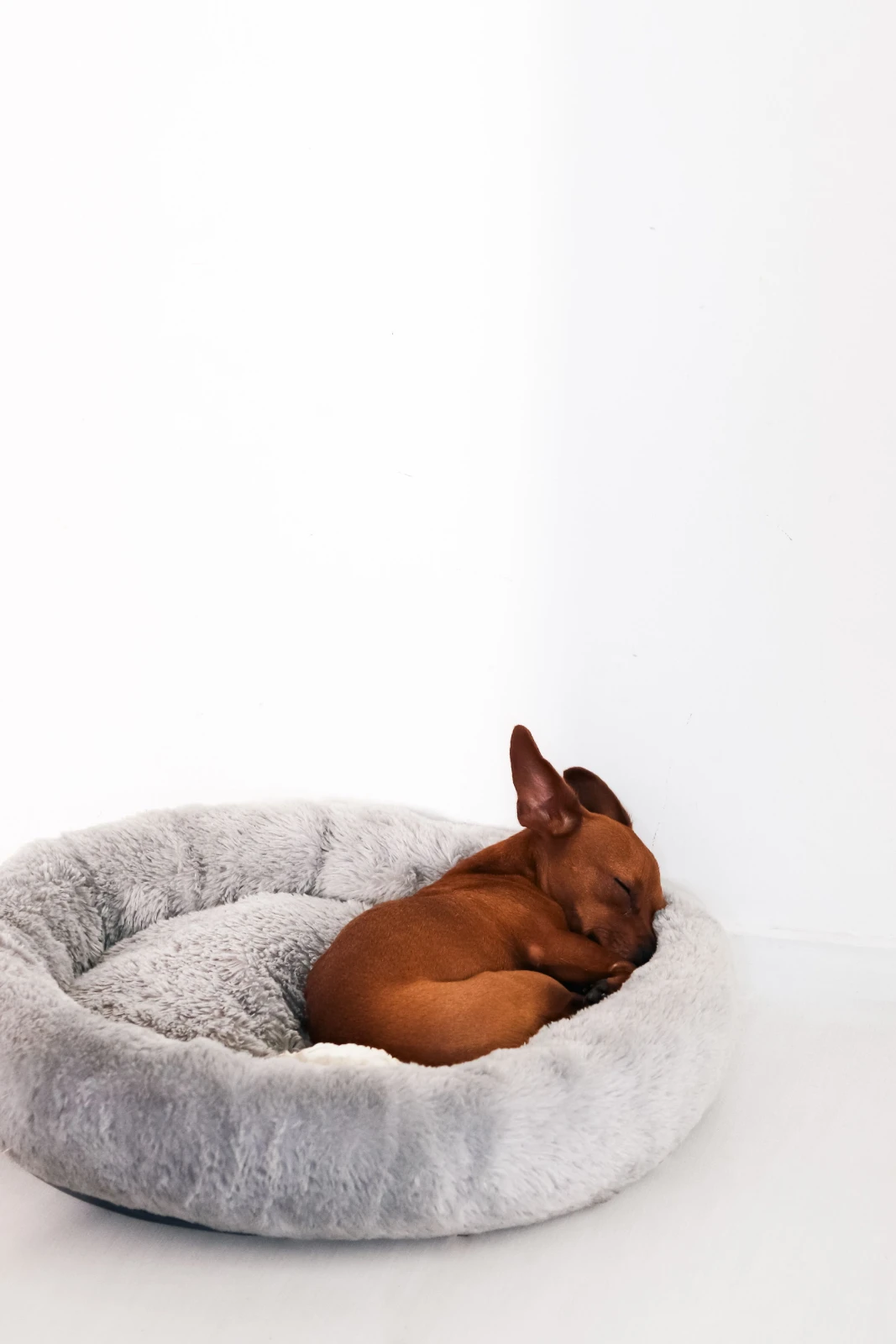
The RSPCA recommends a clean, comfortable, quiet resting place. Ask household members to leave a sleeping puppy alone, and check that the spot is suitable for the temperature and surrounding activity. The dog bed selection guide can help you review comfort without assuming a particular product guarantees better sleep.
For a crate, work through the positive puppy crate-training guide before relying on it. A puppy can need company, toilet care, or a different setup even when the planned nap has only just begun. Animalia recommends responding to the puppy and reviewing the environment rather than waiting for crying to stop on a clock.
Plan nighttime care without keeping a puppy awake all day
The PDSA advises calm bedtime care and comfort for an upset new puppy. Decide who will respond overnight and prepare the toilet route. A young puppy may need a toilet opportunity during the night, so a successful sleep plan includes practical help rather than a promise of uninterrupted sleep immediately.
Do not try to guarantee a quiet night by filling the day with extra activity or stopping every nap. Keep the balance manageable and provide rest when needed. For toilet teaching and care planning, use the puppy potty-training guide to review opportunities and prompt rewards instead of testing how long the puppy can wait.
A puppy who cannot settle may need a quieter setting, more support, or help with a health or learning concern. More exercise is not automatically the answer. Ask your veterinary team about persistent or sudden difficulty, and use a qualified reward-based trainer when the resting arrangement itself needs a gentler introduction.
Ask for advice when sleep or energy changes concern you
VCA recommends veterinary advice about changes in a familiar sleep routine, particularly with other concerns such as altered appetite, toilet habits, activity, or nighttime restlessness. Record what changed and when. A range quoted online cannot rule out a health issue, even if the puppy’s estimated hours fall within it.
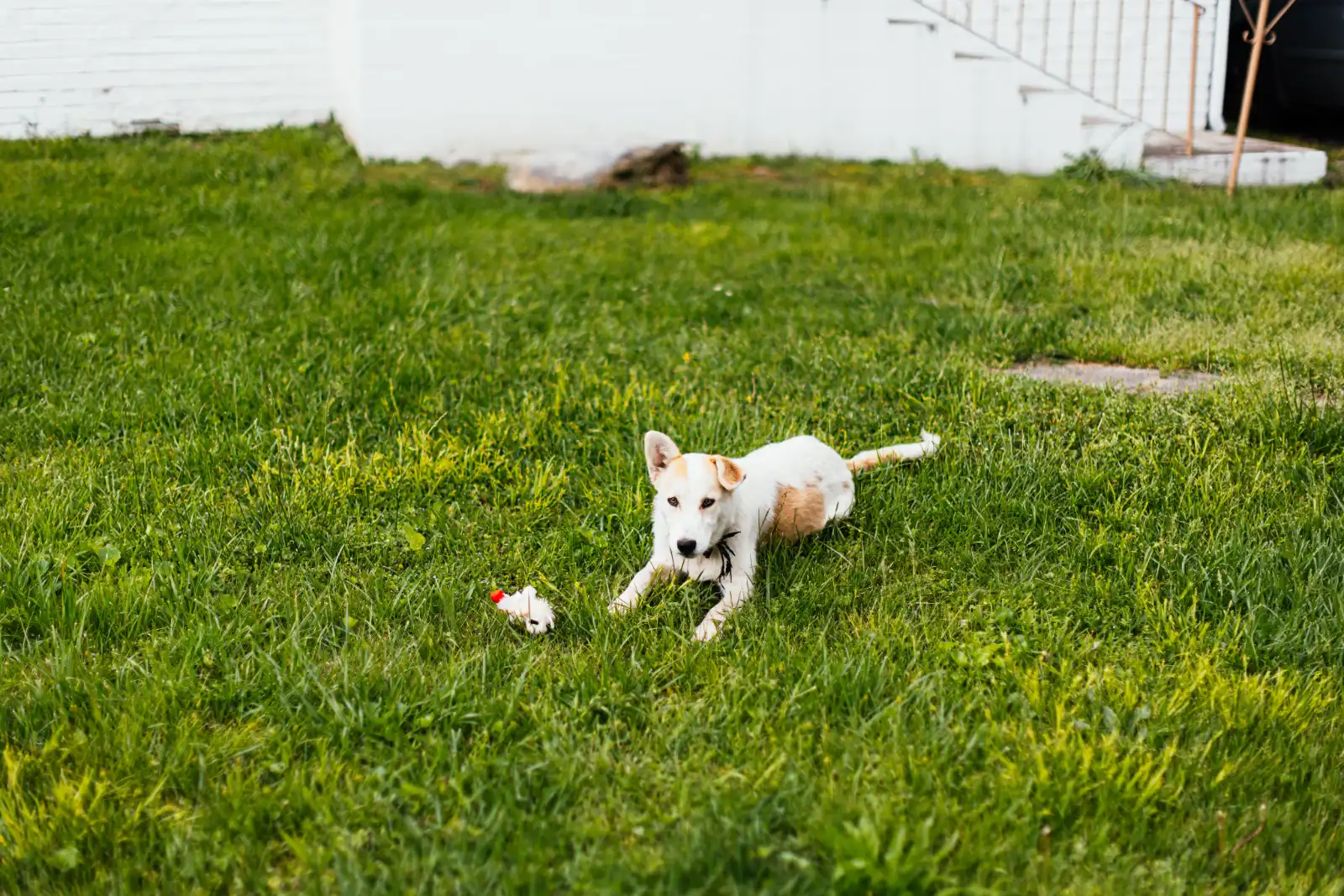
VCA recommends emergency care for a pet who is difficult to wake or cannot get up when prompted. Do not assume that unusual weakness is simply normal puppy sleep. Animalia’s role is to help you notice and describe a concern, while your veterinary team assesses what the individual puppy needs.
Frequently asked questions
Do puppy sleep hours include naps as well as nighttime?
Yes. A daily sleep total includes naps and nighttime sleep together. A puppy who sleeps a long stretch at night can still need rest during the day. Use the broad range as guidance while keeping ordinary care available. Avoid waking the puppy repeatedly to check a total, and discuss changes or concerns with your veterinary team rather than relying only on the number.
How much should an 8- or 10-week-old puppy sleep?
The PDSA notes that some young puppies sleep around 18–20 hours a day, but this is broad guidance rather than a precise requirement for each week. Provide suitable rest and observe the individual puppy. Ask your veterinarian about concerns involving sleep, energy, feeding, toileting, or comfort. Do not force confinement or ignore care needs simply to reach a target.
How long should each puppy nap last?
There is no universal nap length that fits every puppy and situation. Give your puppy a suitable place to rest, keep the environment manageable, and remain available for toilet care and other needs. If sleep is repeatedly interrupted, review what is happening nearby. Ask your veterinarian about changes or difficulty settling rather than enforcing a fixed duration regardless of the puppy’s response.
Should I keep my puppy awake to help them sleep at night?
Do not build the day around preventing naps to guarantee a quiet night. Young puppies need opportunities for rest alongside suitable activity and care. Keep bedtime calm and arrange help for nighttime needs. If the puppy regularly struggles to settle or their pattern changes, review the environment and speak with your veterinary team instead of simply adding more exercise.
When should I worry that my puppy is sleeping too much?
Ask your veterinarian when sleep or energy changes concern you, especially with changes in appetite, toileting, interest in activity, comfort, or nighttime restlessness. VCA explains that excessive tiredness can have a medical cause. Seek urgent help if the puppy seems seriously unwell or difficult to rouse. A general sleep range cannot decide whether an individual puppy is healthy.
What should you prepare for the next nap?
Choose a comfortable resting spot, reduce avoidable disturbance, and confirm who can respond when the puppy needs care. Keep the plan flexible and notice changes from their usual pattern. Return to Animalia’s puppy resting and crate-training hub for related skills, and contact your veterinary team about health or comfort concerns.
Sources and editorial notes
- PDSA: A puppy’s first day and night
- VCA Urgent Care: Lethargy and emergency signs
- VCA: Is your puppy sleeping too much?
- RSPCA: Creating a good home for your dog
- Kinsman and colleagues: Owner-reported sleep in young dogs
Animalia Editorial. Publication date: October 30, 2026. Sources checked October 29, 2026. See our Editorial Policy. This guide supports everyday care and does not provide veterinary diagnosis or treatment.
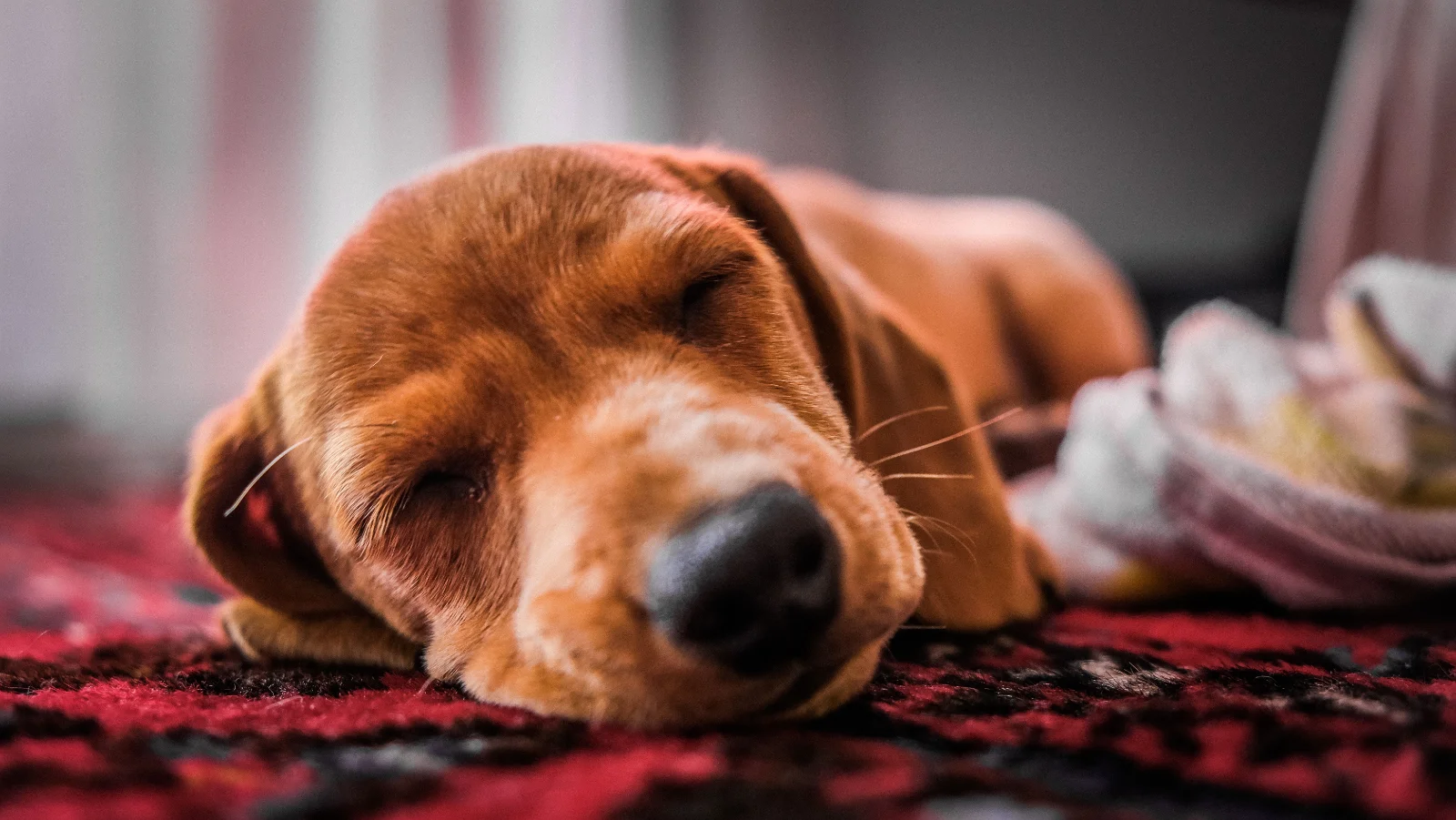
Featured photo: A puppy sleeps on a textured rug beside a soft toy. Photo: Magda Ehlers / Pexels.
Prepared with AI assistance and reviewed against the sources above.