Yes, cats can remember familiar people. Research shows that cats can distinguish their owner’s voice from unfamiliar voices, and scent studies add evidence about familiarity. That does not give every cat a fixed memory span. A quiet greeting, hesitation, or lack of cuddles cannot tell you on its own whether your cat remembers you.
Animalia separates what the studies measured from what owners hope a reunion means. Use the evidence to support a calm return, rather than turning your cat’s response into a test of love.
Can cats remember people through voice and scent?
| Evidence | What researchers found | What it does not establish |
|---|---|---|
| 2013 voice study | Cats distinguished the owner’s voice from unfamiliar voices in a playback task | How many months or years recognition lasts after separation |
| 2025 human-odor study | Cats spent longer sniffing an unknown person’s scent than their owner’s scent | Recognition of a specific individual from smell alone, or a memory deadline |
| An ordinary home greeting | An owner can record approach, sniffing, distance and later behavior | A controlled test of memory or the strength of a bond |
In the 2013 study by Saito and Shinozuka, researchers tested 20 cats using recordings of people calling their names. Responses included ear and head movements. The finding matters because recognition did not require the cat to walk over, meow, or perform an obvious greeting. A small change in attention counted in the task.
The 2025 study by Miyairi and colleagues tested 30 cats with owner, stranger, and blank scent samples. The cats sniffed the stranger’s scent longer. The authors caution that this result does not establish recognition of a specific person from scent alone. It supports a narrower conclusion about distinguishing familiar and unfamiliar human odors.
How long do cats remember people?
There is no reliable universal deadline that tells you when a cat will forget a person. The voice and scent studies above tested recognition tasks, not years of separation. A story about one reunion cannot supply that missing timeline. Treat fixed claims about hours, months, or lifelong recall with care.
Cats Protection says it is difficult to give an exact duration and notes that context can affect the response. Familiar surroundings, strange sounds, or a stressful visit can change what you observe. This is different from proving that a memory has vanished. A cat who hangs back may need time and space.
When comparing advice, ask three questions: What did the researchers present to the cat? What response did they measure? How long was the delay? Animalia recommends keeping those details together. Remembering a hidden item and responding to a familiar voice are different tasks, so their results should not become a single “cat memory span.”
Recognition and a wish to be touched are different
A cat may know you and still choose to sit nearby instead of being held. Some cats also approach unfamiliar visitors, so a friendly greeting is not a perfect memory test. Cats Protection highlights both the context and this limit. Notice your cat’s normal choices rather than comparing them with a dramatic reunion video.
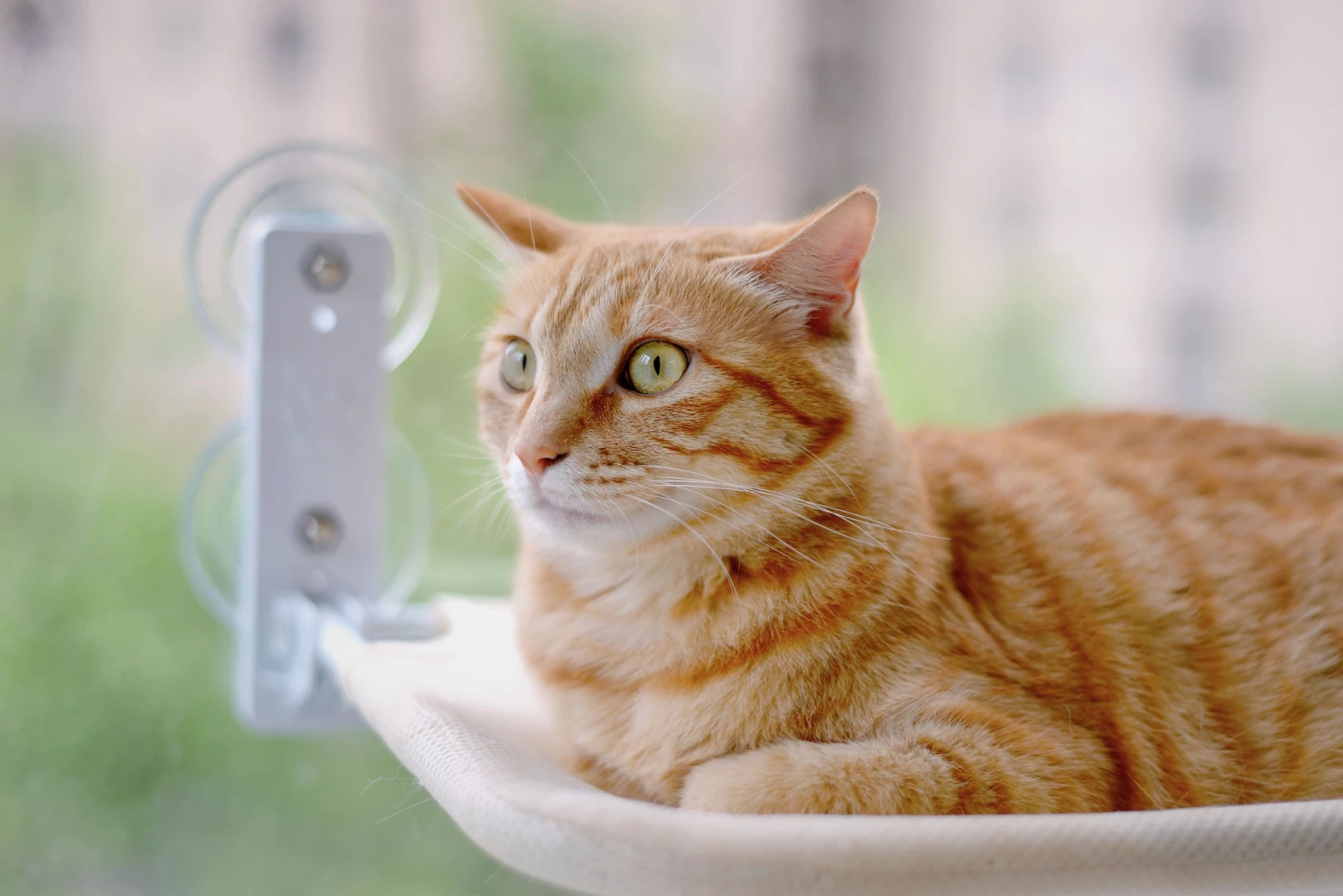
Avoid assuming that a cat who backs away has forgotten you, is angry, or is punishing you. You cannot read that history from one movement. Record what happened without assigning a motive. “Sniffed my bag, then rested on the chair” is a useful observation. “Pretended not to know me” is an interpretation.
For more on reading everyday signals, see our cat hiding-place guide. A retreat is useful because the cat can choose distance. It should not become somewhere a person reaches in to demand a greeting.
How should you greet your cat after time away?
Come in calmly, keep the cat’s route clear, and let them decide whether to approach. Speak softly and avoid reaching into a hiding place. If they choose contact, keep it brief and pause. The aim is a comfortable reunion, not an experiment to prove that the cat remembers your face or voice.
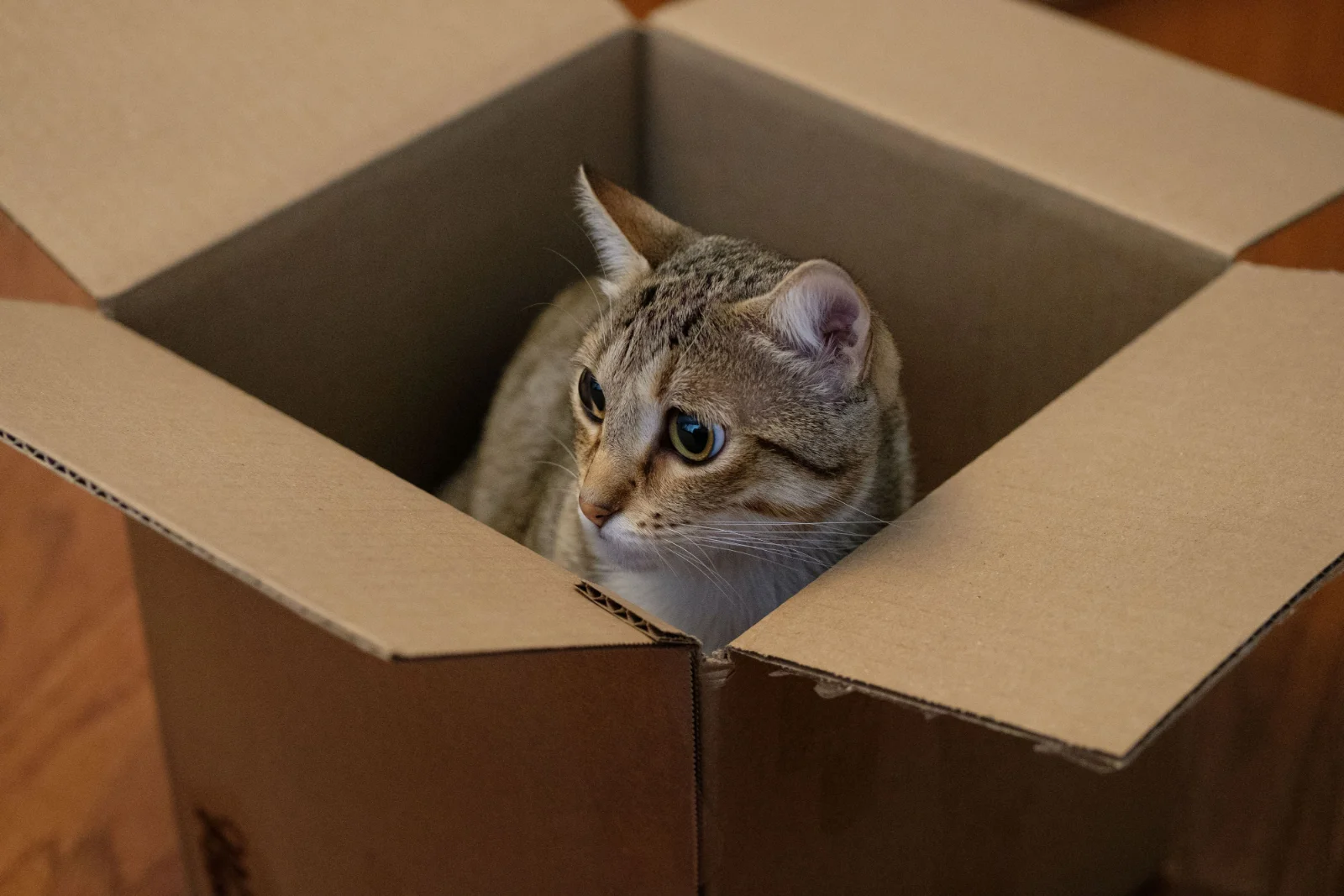
RSPCA New South Wales recommends letting cats choose when touch starts and stops. A cat who comes near has not automatically asked to be picked up. If they move away, respect that choice. You can be present without following them around the room or repeatedly calling for a response.
Keep the usual care plan in place while you settle back in. Ask the caregiver about eating, bathroom habits, and any change they observed while you were away. Note changes for your vet rather than labeling them as a memory problem. Our cat room setup guide explains how to keep a quiet, accessible refuge available.
When a changed response needs veterinary advice
If your cat suddenly acts unlike themselves or seems unwell, ask your vet for advice. Do not assume that hiding, reduced contact, or a changed routine proves forgetting. Describe what changed, when it began, and any other signs you have noticed. A behavior label should not delay care for a possible health concern.
A short note can help: “Before the trip: __. Caregiver noticed: __. Since returning: __.” Include facts rather than guessed motives. Animalia recommends using the same calm approach while arranging advice. For transport planning, our cat carrier training guide covers small, positive steps; ask the clinic for help if a visit is urgent.
FAQ: cats, memory and familiar people
Do cats recognize their owners if they do not come when called?
They may. The 2013 voice study found differences in attention, including ear and head movements, rather than requiring cats to walk toward the speaker. A home response is not a laboratory test, though. Your cat may be resting, occupied, or reluctant to approach. Avoid using a lack of response as proof that they do not know you.
Will my cat forget me during a vacation?
You do not need to treat a vacation as a countdown to being forgotten. Cats can distinguish familiar human cues, but research does not provide a guaranteed memory duration for every cat. Arrange dependable care and return calmly. If your cat hangs back, let them approach at their own pace and check whether anything else has changed.
Can a cat remember a previous owner?
It is possible for a cat to retain familiarity with someone from an earlier home, but the studies discussed here do not predict every reunion or its duration. Do not force a meeting to find out. Prioritize the cat’s current comfort, stable care, and freedom to choose distance. A quiet response does not reveal their entire history.
Does sniffing a stranger longer mean my cat likes them more?
No. In the 2025 study, longer sniffing of unfamiliar human scent was evidence of a different response to that odor. It was not a ranking of affection. You cannot use sniffing time at home to measure who your cat loves most. Let the cat gather information without pressing a hand, face, or scented item toward them.
Can I test my cat’s memory by hiding or changing my appearance?
There is no need to stage a surprise or frighten your cat to test recognition. A home trick cannot reproduce a controlled study and may simply change how safe the cat feels. Use normal, calm contact instead. If you are worried about a new change in response or awareness, describe it to your vet and ask for advice.
Make the reunion comfortable
Cats can distinguish familiar human cues, while the exact duration and experience of those memories remain harder to measure. Give your cat time, choice, and steady care. Animalia’s indoor cat care and enrichment guide offers practical ways to support a familiar home without demanding a particular greeting.
Sources and editorial notes
- Saito and Shinozuka (2013): vocal recognition of owners
- Miyairi et al. (2025): responses to human odor
- Cats Protection: recognizing owners
- RSPCA NSW: let your cat choose touch
Animalia Editorial. Publication date: November 1, 2026. Sources checked October 29, 2026. Editorial Policy.
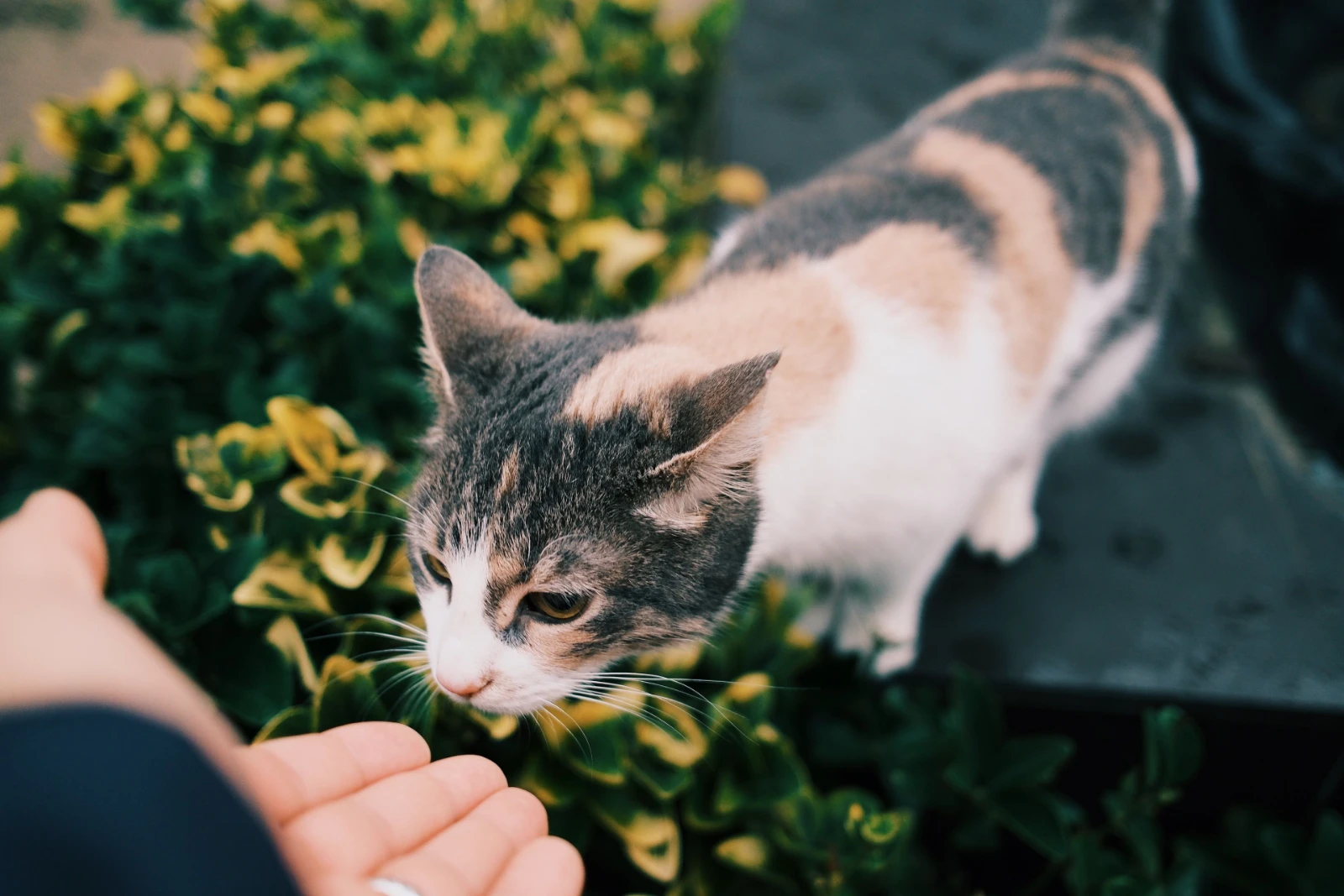
Featured photo: A cat sniffs an offered hand. A photograph cannot establish memory or the identity of a familiar person. Photo: Sami TÜRK / Pexels
Prepared with AI assistance and reviewed against the sources above.