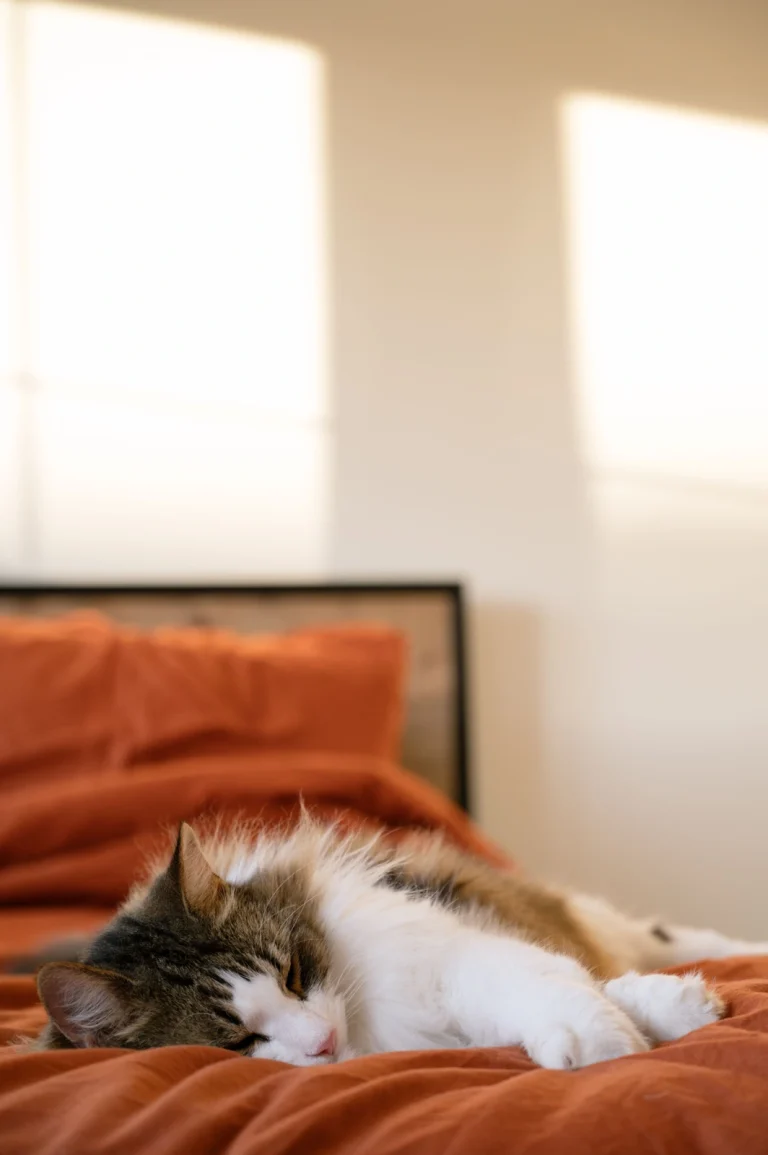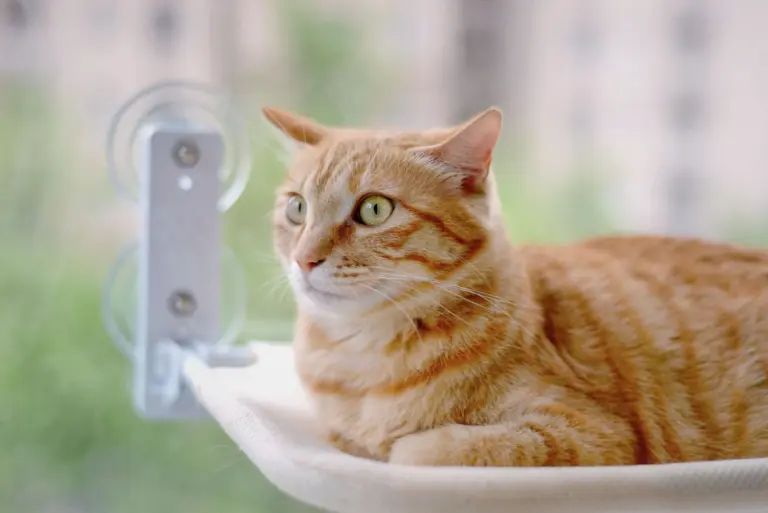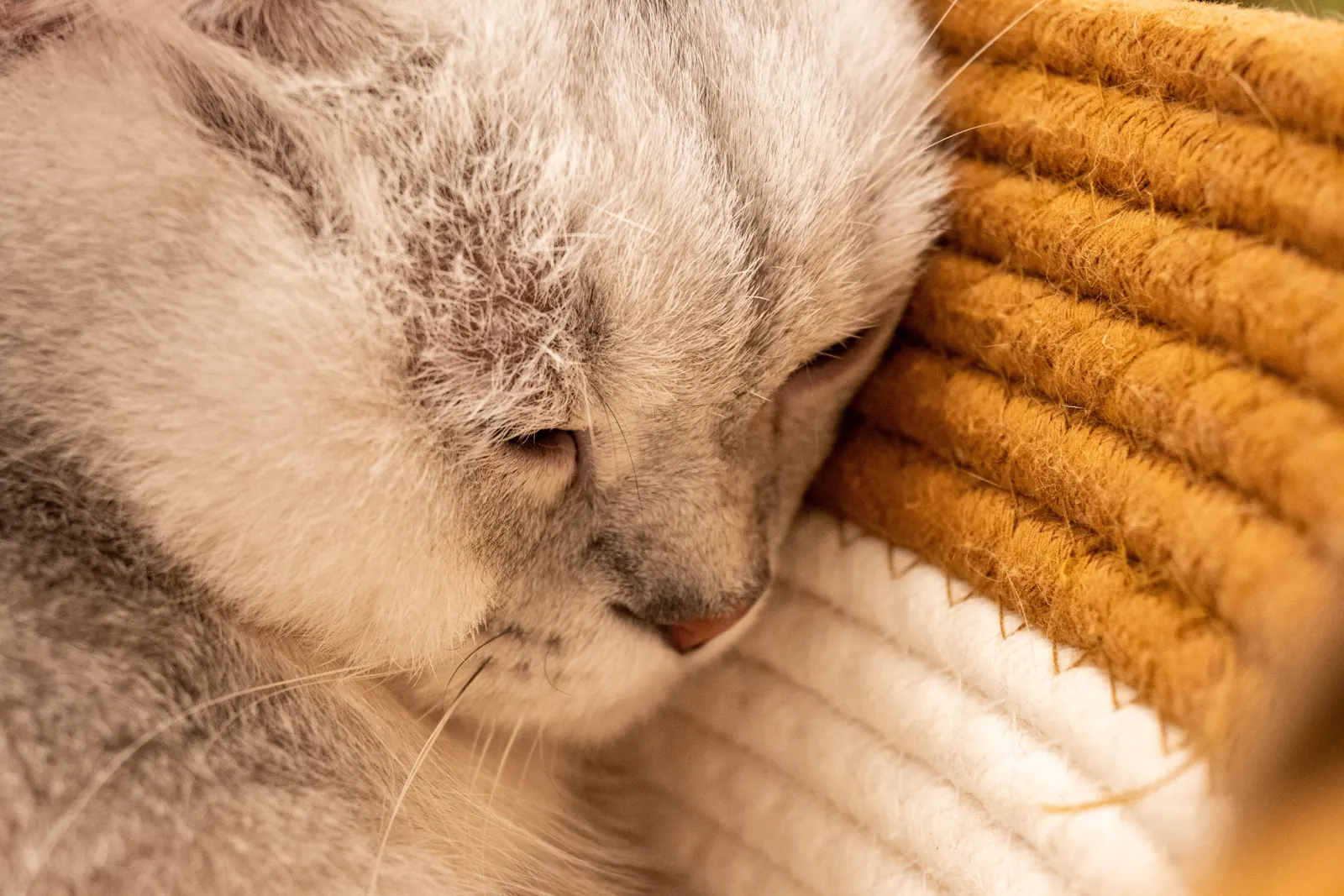
Do cats like music? Some cats respond positively to music designed around feline sounds, but that does not mean every cat enjoys every recording. University of Wisconsin researchers found more positive responses to cat-specific pieces than to the classical samples tested. Offer a quiet, voluntary experience and stop if your cat appears uncomfortable.
Animalia separates interest in a sound from a treatment claim. A speaker your cat approaches may be interesting, while a relaxed-looking nap cannot prove that the recording reduced stress. The practical question is whether the sound fits comfortably into your individual cat’s environment.
What does research show about cats and music?
Research supports a possible role for cat-specific recordings, with limits. A home study tested 47 cats using two classical samples and two cat-specific pieces. A separate veterinary-clinic study assessed stress and handling scores. These settings and measures do not establish a favorite genre for every cat or guarantee a response at home.
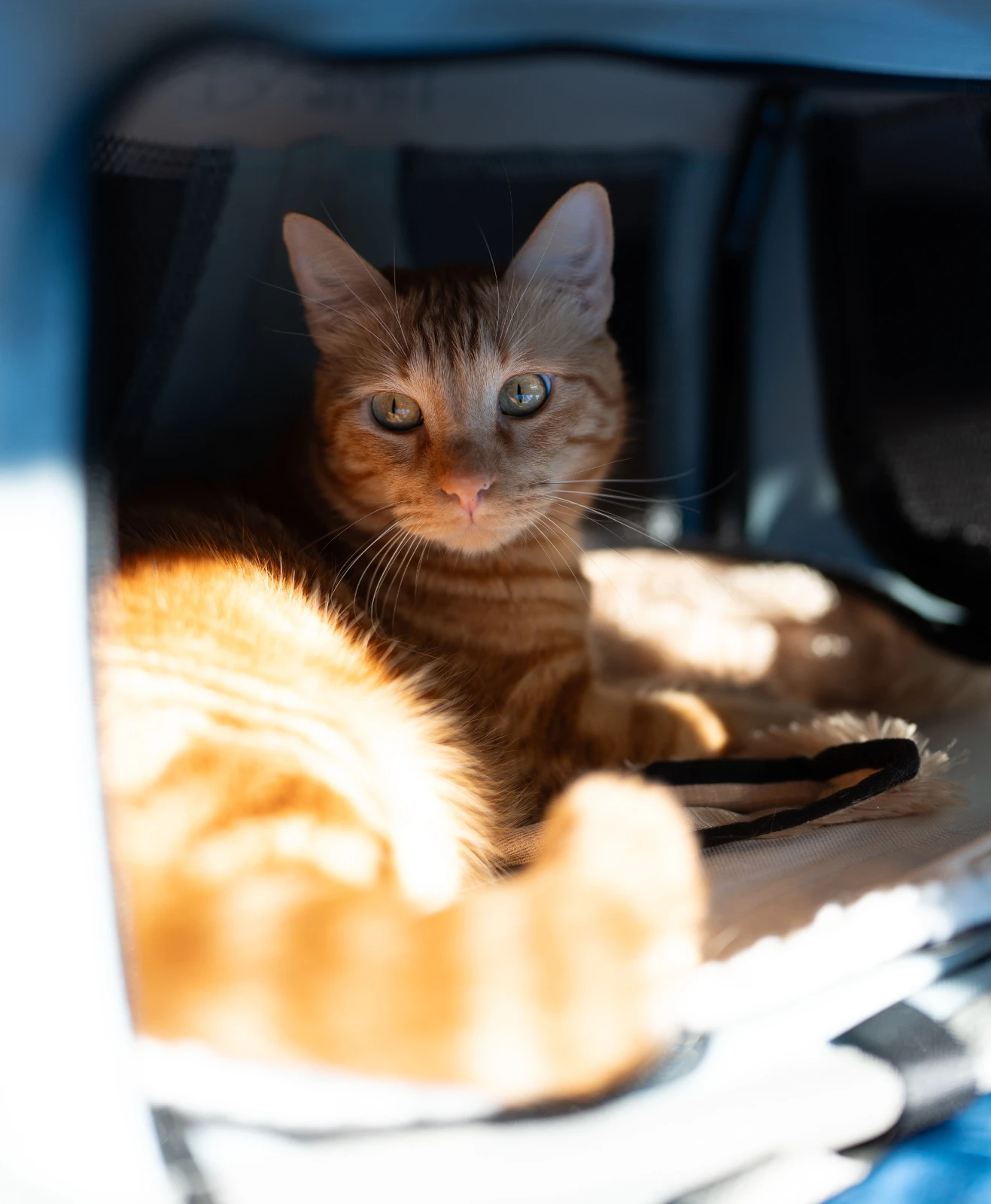
The home study recorded behaviors such as approaching or rubbing the speaker and found more positive responses to the cat-specific pieces. It compared particular samples, so the result should not become a rule that cats love all music with a certain label, dislike every violin, or need a continuous playlist.
In the clinic study published in the Journal of Feline Medicine and Surgery, cat-specific music was associated with lower behavioral stress and handling scores than silence or classical music. The measured blood-cell ratio did not differ between the conditions. That distinction matters: a behavioral result is not proof that every physiological measure improved or that music replaces care.
How can you offer music without forcing the experience?
Animalia suggests starting quietly while you are present, with the speaker away from the resting place and a clear route to another room. Leave your cat free to approach, stay, or leave. If the sound seems unwelcome, turn it off. This is a cautious household example, not a validated treatment protocol or a required daily routine.
Choose an ordinary calm moment rather than testing the recording during an already difficult event. Avoid putting headphones on your cat, holding them near the speaker, or turning up the sound to attract a reaction. Keep food, water, litter, and resting access unchanged so the cat can make a comfortable choice.
You can note the track, setting, and visible response, but a home observation cannot reproduce a controlled study. If sound is not useful, our non-food enrichment guide offers other voluntary activities. The hideout guide helps with a quiet retreat when the household itself is busy.
Observe the response and choose the next step
Use this Animalia note table to describe what happened without assigning an emotion. You do not need to run repeated tests or finish a track after the cat leaves. A useful observation can simply be that the recording did not fit that moment, and that the normal quiet setup worked better for the household.
| Observation | What it can tell you | Practical response |
|---|---|---|
| The cat approaches the speaker | The sound or equipment attracted attention | Keep distance and access choices available |
| The cat rests without an obvious change | No clear visible response was recorded | Do not label it proof of stress relief |
| The cat leaves or appears uncomfortable | The current setup may be unwelcome | Turn the sound off and restore quiet |
| Distress continues without the recording | The concern needs a wider review | Contact your veterinarian about the pattern |
For persistent distress or a sudden behavior change, contact your veterinarian rather than trying more playlists. Animalia suggests choosing quiet first, then considering an optional sound only if your cat remains comfortable. Our cat behavior hub connects related questions when you need to review the wider situation.
Frequently asked questions
Is classical music always calming for cats?
No study cited here establishes that every classical piece calms every cat. The clinic study found lower behavioral scores with the particular cat-specific recording than with the classical condition, while the home study compared a small selection of pieces. Treat genre claims cautiously and watch the individual cat. Quiet remains an appropriate choice when a recording does not fit comfortably.
Should I leave music on all day while I work?
The research described here does not establish a need for continuous home playback. First make sure your cat has suitable resources, comfortable rest, and appropriate care while you are away. If you offer a recording, observe the response while present before considering a wider routine. Do not use a playlist as a substitute for investigating persistent distress or arranging necessary companionship and care.
Does purring prove the music is working?
One response cannot establish the cause or prove treatment success. Record what you see in context instead of selecting a single behavior as confirmation. The research used defined comparisons and measures that a casual home trial does not reproduce. If you are concerned about your cat’s comfort or health, bring the wider pattern to your veterinarian rather than relying on a purr or nap.
Can I use music instead of a veterinary behavior plan?
No. The clinic findings concern an additional environmental measure, not a replacement for individual veterinary assessment or treatment. Tell your veterinary team about distress, handling difficulties, or other changes and ask whether sound has a suitable role in the plan. A recording label cannot establish the cause of the behavior, and a quieter moment does not show that the underlying concern has resolved.
What if my cat ignores the recording?
You do not need to increase the volume or make your cat pay attention. Record that there was no clear response and return to the usual comfortable environment. Individual observations may vary, and a home trial is optional. Choose another suitable activity or simply allow quiet rest, especially when the cat has already settled and does not seek interaction.
Sources and editorial notes
Animalia Editorial. Reviewed November 4, 2026. Home examples are illustrative; no playlist was tested by Animalia. See our editorial policy.
UW–Madison: home music study; Hampton and colleagues: veterinary-clinic study.
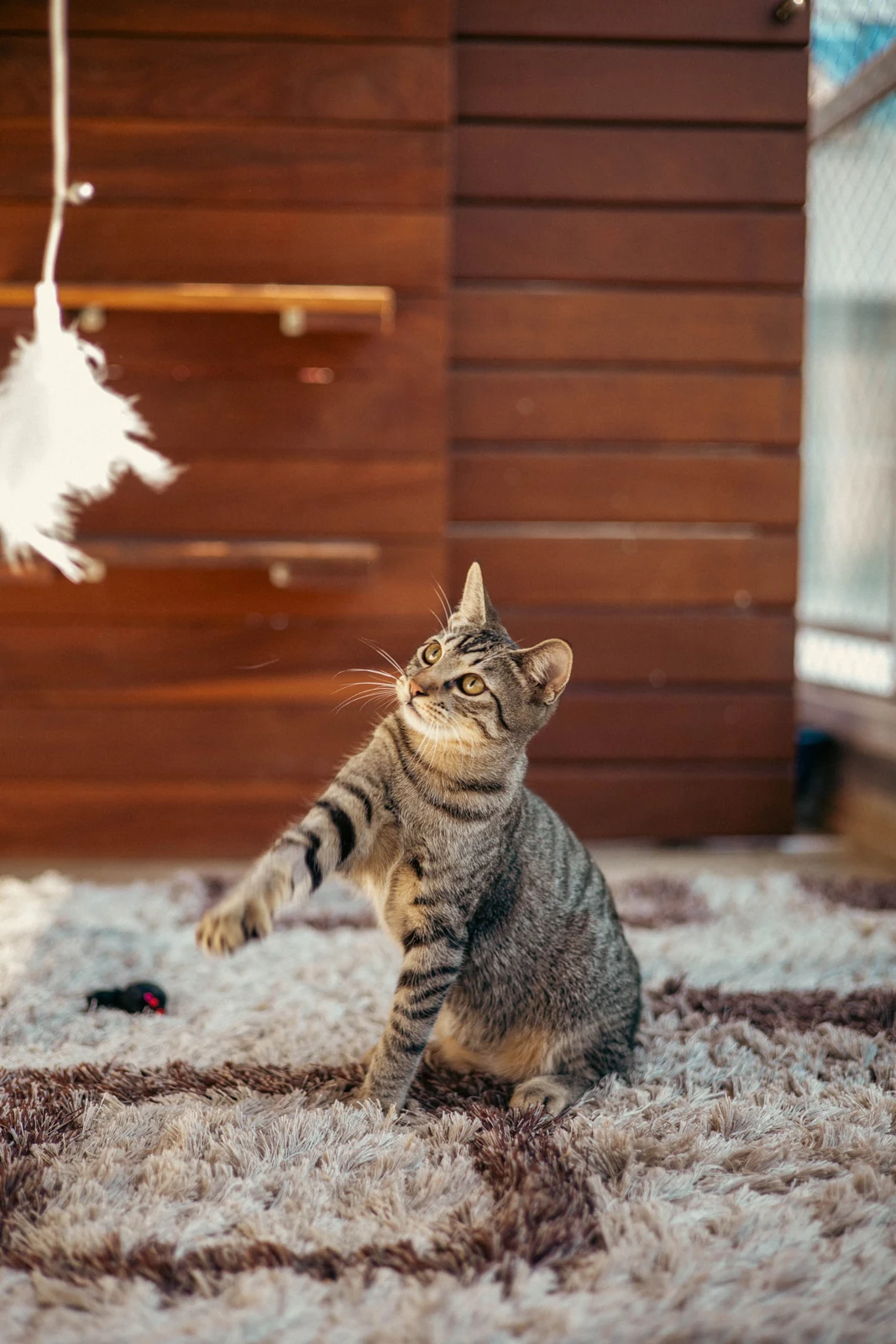
Featured photo: A cat rests against soft blankets in a quiet indoor setting. Photo: Bingqian Li / Pexels.
Prepared with AI assistance and reviewed against the sources above.