Your cat may headbutt you as part of friendly contact and scent sharing, often called bunting. Battersea explains that face rubbing deposits familiar scent. Read the whole interaction before reaching in: a gentle rub is different from persistent head pressing against a surface, which needs prompt veterinary attention.
Animalia’s guide helps you notice the movement, offer a choice, and recognize when the pattern needs care. A headbutt is not a command to pick your cat up or a test of who they love most.
Why does my cat headbutt me during a greeting?
A gentle head bump or cheek rub can be part of social contact and making a person smell familiar. The meaning depends on the cat and the moment. Look for a loose body and a freely chosen approach. Do not treat every rub as a request for a long petting session.
Cats have scent glands around the face, including the cheeks and chin. When they rub against people or objects, they leave scent behind. Battersea describes this as helping create a familiar environment. That is a more useful explanation than saying your cat is trying to control you or has decided you belong to them.
Watch what happens next. Does your cat rub along your leg and walk on, return to your offered hand, or settle nearby? Those are different moments to respond to. Animalia recommends describing the action before assigning a motive. A calm greeting can stay calm without turning into a cuddle.
Read the movement before deciding what to do
| What you observe | A practical response | What not to assume |
|---|---|---|
| A brief bump or cheek rub with a loose body | Pause and let the cat choose the next contact | That you should hold or pick them up |
| The cat rubs your leg and walks on | Let the greeting end and keep their route clear | That they have asked for hands-on petting |
| The cat moves away, becomes tense, or flicks the tail | Stop touching and give space | That the cat needs to tolerate more |
| Repeated pressing of the head into a surface, especially with altered awareness | Contact a vet promptly and describe exactly what you see | That this is ordinary affectionate bunting |
This Animalia observation table is not a diagnostic test. A single sign cannot establish a medical cause or reveal a cat’s full emotional state. Compare the event with your cat’s usual behavior and seek advice when you are unsure, especially if the movement is new or the cat seems unwell.
How should you respond when your cat headbutts you?
Stay still, allow the cat to approach, and offer contact without holding them in place. If they choose to rub your hand, a brief gentle stroke around the face may be welcome. Pause and see whether they return. If they move away or seem tense, stop and leave them space.
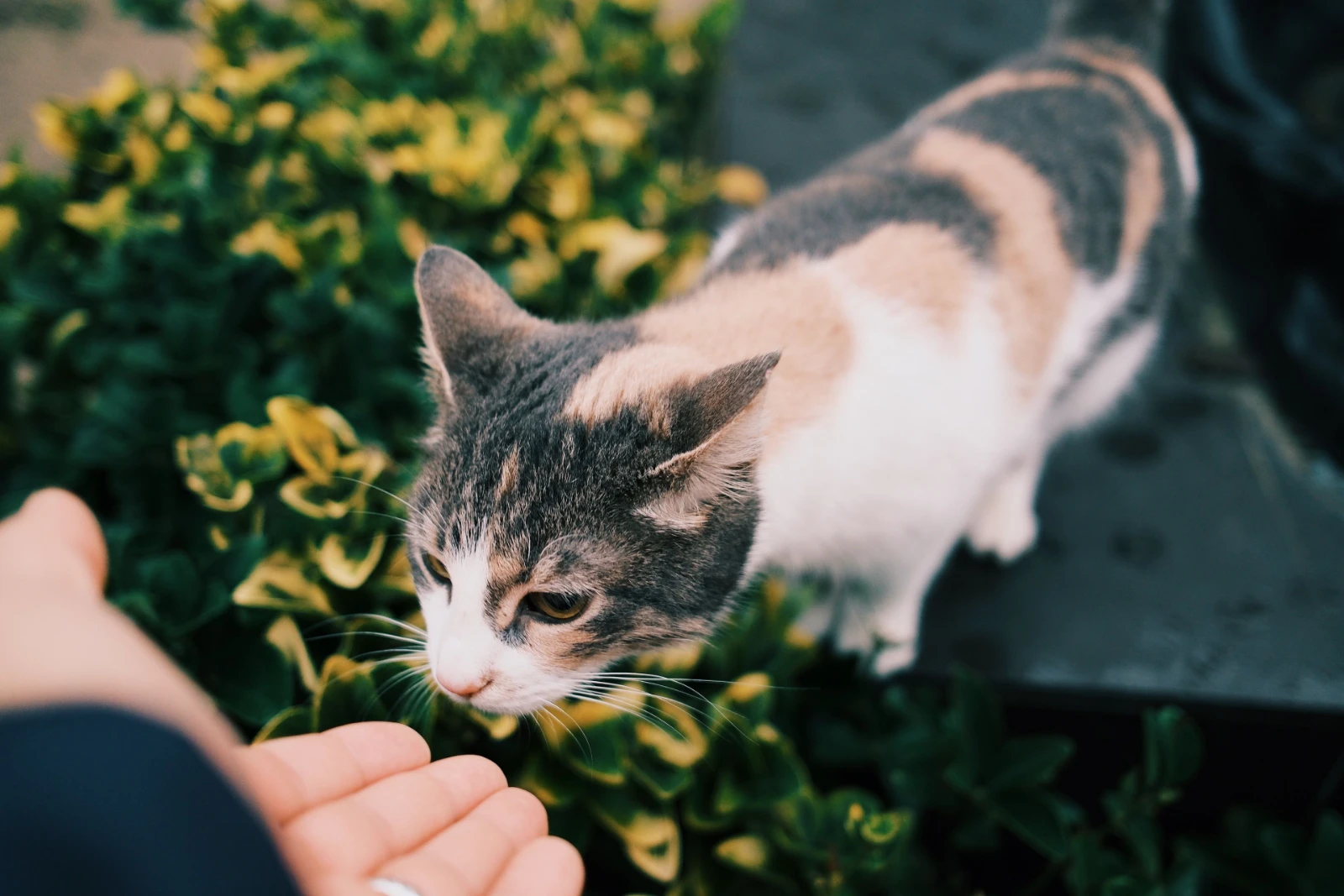
RSPCA New South Wales advises giving cats control over touch. Its guidance distinguishes rubbing against your legs from choosing contact with your offered hand. A cat who brushes past you may simply want that brief contact. You can acknowledge it with a quiet voice while letting them continue on their way.
If your cat chooses a stroke, keep your hand light and let them leave. Avoid leaning your face into theirs, holding their head, or copying the bump with force. There is no need to headbutt back. Use our cat retreat guide to keep a place available where people will leave them alone.
When children or visitors want to join in, explain the same rule: the cat can choose distance. Do not pass the cat from person to person because they greeted someone first. Short, calm contact gives you a chance to notice when the cat has had enough.
What if headbutting is followed by a bite or withdrawal?
Stop touching, give space, and review what happened just before the change. A rub does not mean the cat wants every kind of touch or wants it to continue. Watch for tension, a turning head, or a flicking tail. If the response is new, painful, or repeated, ask your vet for advice.
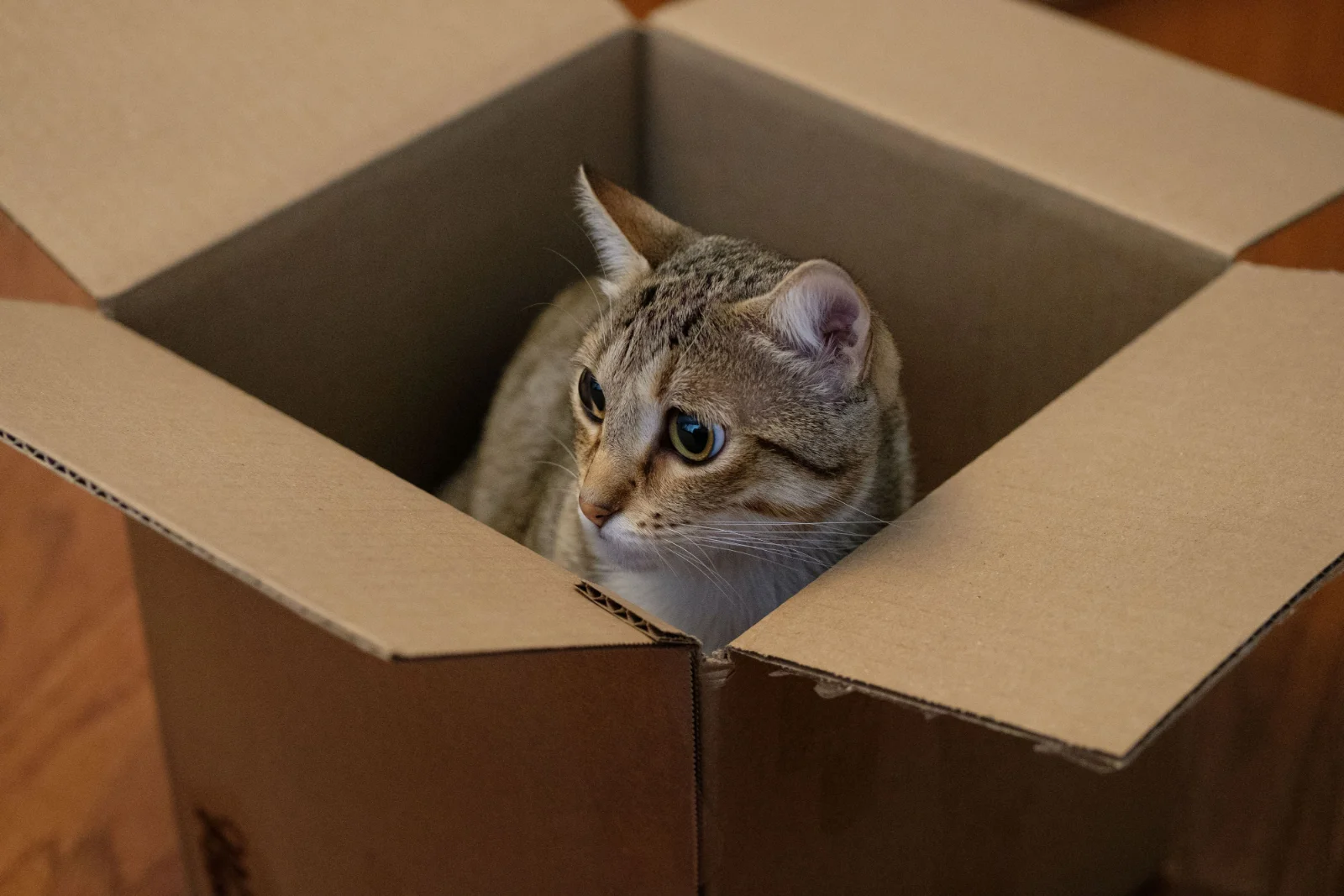
Cats Protection recommends reading body language in context. Toronto Humane Society also advises short petting sessions and attention to warning signs. Purring alone does not prove that a cat is comfortable. The whole posture and what the cat can choose matter more. If your cat moves away, let the contact end rather than following them to finish the petting session.
Try this factual note: “Cat approached while I was __. I touched __. After __, the cat __.” Avoid labels such as spiteful or ungrateful. The note can show whether an interaction became too long or whether touch in one area preceded a change. Do not repeat an uncomfortable touch to test your theory.
If play seems to be part of the pattern, offer a suitable toy during a separate calm period. Our cat bunny-kicking guide explains why hands should not become wrestling toys. Ask a qualified, reward-based feline professional for help when your vet has assessed a recurring behavior concern.
Head pressing and sudden changes need a different response
Persistent head pressing against a wall or other surface is a reason to contact a vet promptly. Do not try to diagnose it from a bunting checklist. A veterinary neurology review identifies head pressing and altered awareness as clinical signs that require proper assessment. Explain whether you also noticed circling, confusion, or changes in movement.
Keep the cat away from immediate hazards while you contact the clinic, and follow its transport advice. Do not provoke the movement, force a home examination, or wait for a second sign before asking for help. A brief video may help if you can record safely without delaying care. Our carrier training guide supports preparation for routine visits; urgent visits need the clinic’s advice.
FAQ: headbutting and bunting
Why does my cat headbutt me then rub against my legs?
That may be part of a friendly scent-sharing interaction. Cats can rub with the face and the body, and Battersea explains that this helps make their surroundings familiar. Let your cat decide what comes next. A rub along your legs does not automatically invite you to lift them or touch another part of their body.
Why does my cat headbutt me in the morning?
Notice the context rather than assuming one fixed message. Your cat may approach during a familiar household routine, rub, and then move toward something else. Check normal care needs and offer calm contact if they choose it. If the behavior changes suddenly or the cat seems unwell, discuss the change with your vet instead of treating it only as a greeting.
Can I headbutt my cat back?
There is no need to press your head into your cat’s face. Stay calm and let the cat choose whether to approach an offered hand. If they seek a gentle face stroke, keep it brief and pause. Avoid restraint, sudden leaning, or repeated contact after they move away. A greeting can be pleasant without copying the movement.
Does a cat who never headbutts dislike me?
A lack of headbutting is not a reliable way to judge your relationship. Cats vary in the contact they choose, and one behavior does not measure affection. Notice their own pattern of comfortable activity and rest around you. Respect distance and offer choice. If a previously familiar pattern changes suddenly, check whether the cat needs veterinary advice.
Is headbutting furniture the same as head pressing?
A brief facial rub on furniture can leave familiar scent. Persistent pushing of the head into a surface, particularly with confusion or other changed behavior, needs veterinary attention. Do not rely on an online description to decide that a concerning movement is harmless. Contact your vet promptly, describe what you see, and follow the clinic’s advice.
Let the greeting stay a choice
Notice the rub, read the whole body, and pause before adding touch. Animalia recommends allowing your cat to end contact freely and seeking care for concerning changes. Our indoor cat enrichment guide can help you offer other ways to share a comfortable daily routine.
Sources and editorial notes
- Battersea: a cat’s sense of smell
- RSPCA NSW: let your cat choose touch
- Cats Protection: cat body language
- Garosi: neurological examination of the cat
- Toronto Humane Society: petting-induced aggression
Animalia Editorial. Publication date: November 1, 2026. Sources checked October 29, 2026. Editorial Policy.
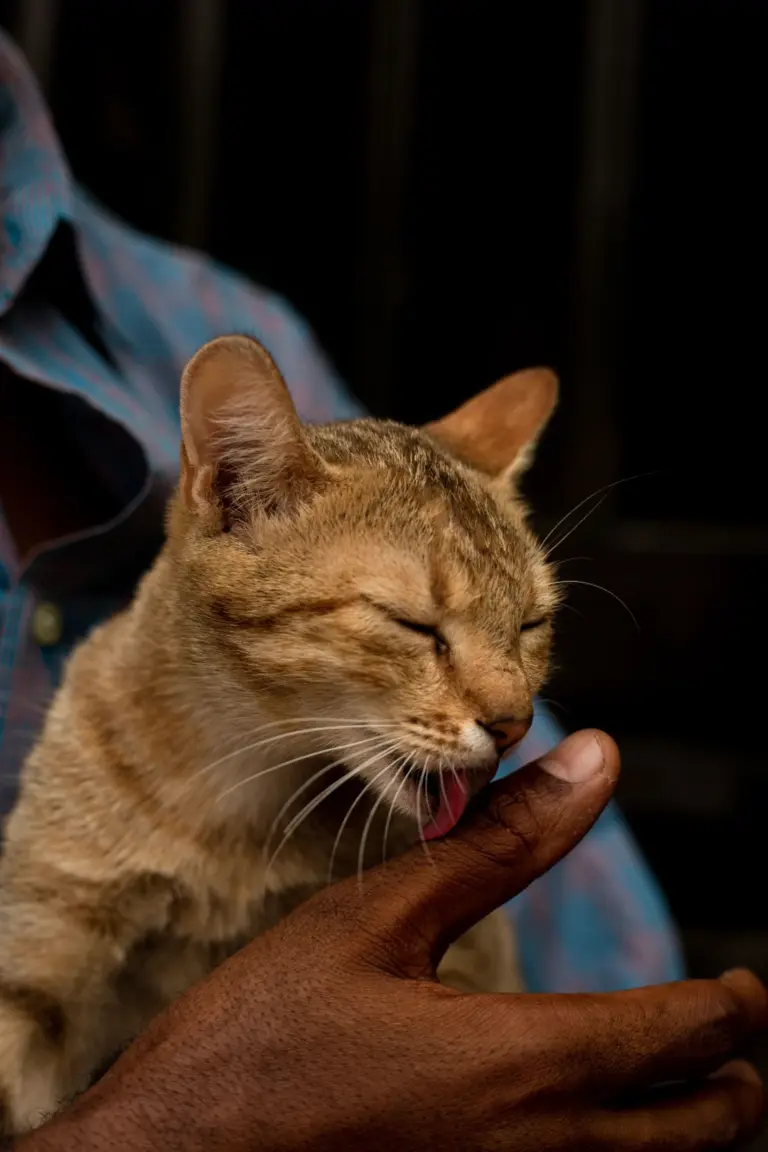
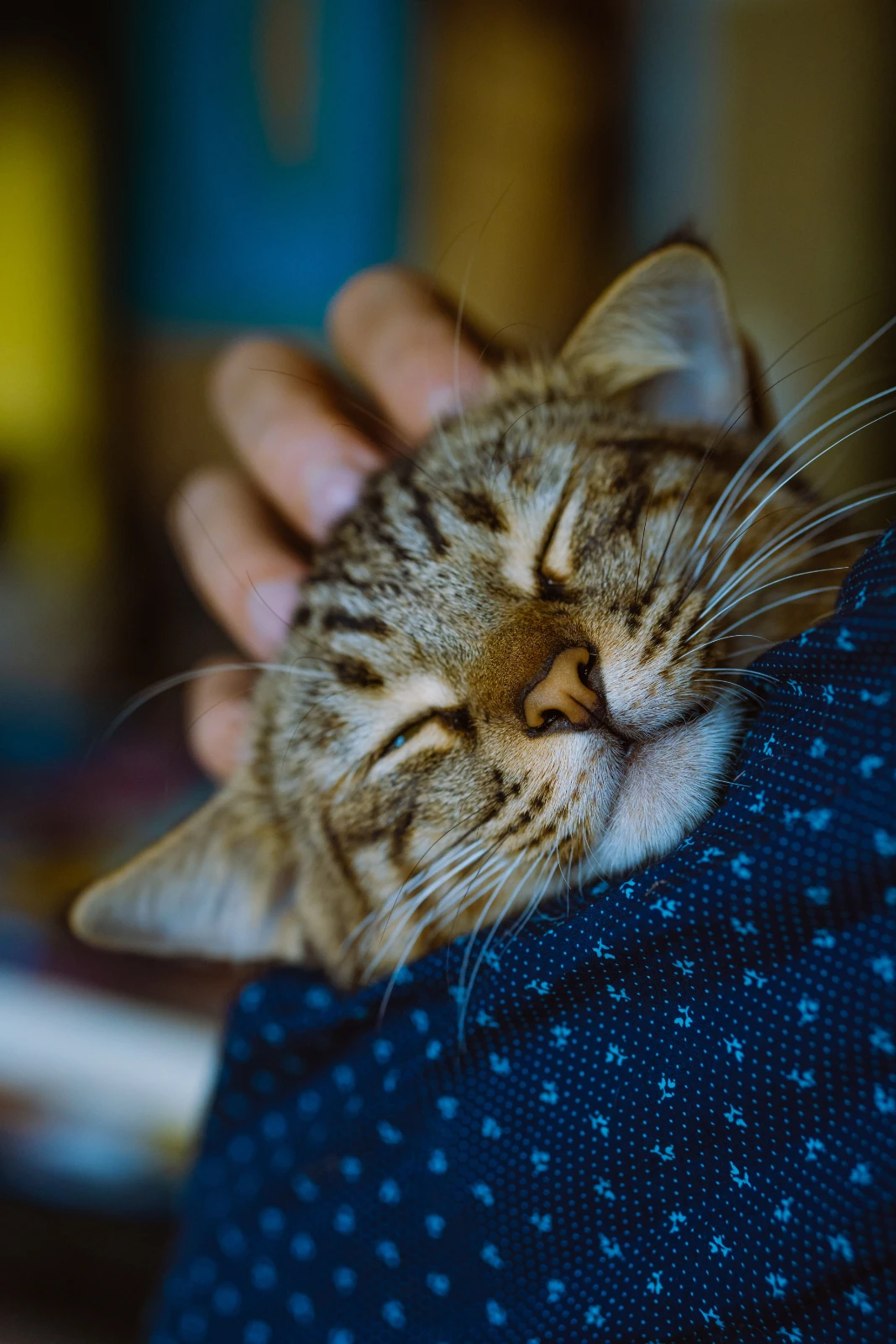
Featured photo: A cat receives a head rub. Let the individual cat choose contact and pause before continuing. Photo: TIVASEE . / Pexels
Prepared with AI assistance and reviewed against the sources above.