Animalia may earn a commission from qualifying purchases through affiliate links, at no extra cost to you. This guide currently contains no active affiliate purchase links. Our picks are not paid placements.
The best dog harness is the one that fits your dog securely without rubbing or restricting movement. Start with Ruffwear Front Range for padded everyday walks, Voyager Step-In Air for a small-dog budget option, and Blue-9 Balance for detailed adjustment. Edmonton Humane Society recommends checking fit, movement, and fastening security before choosing.
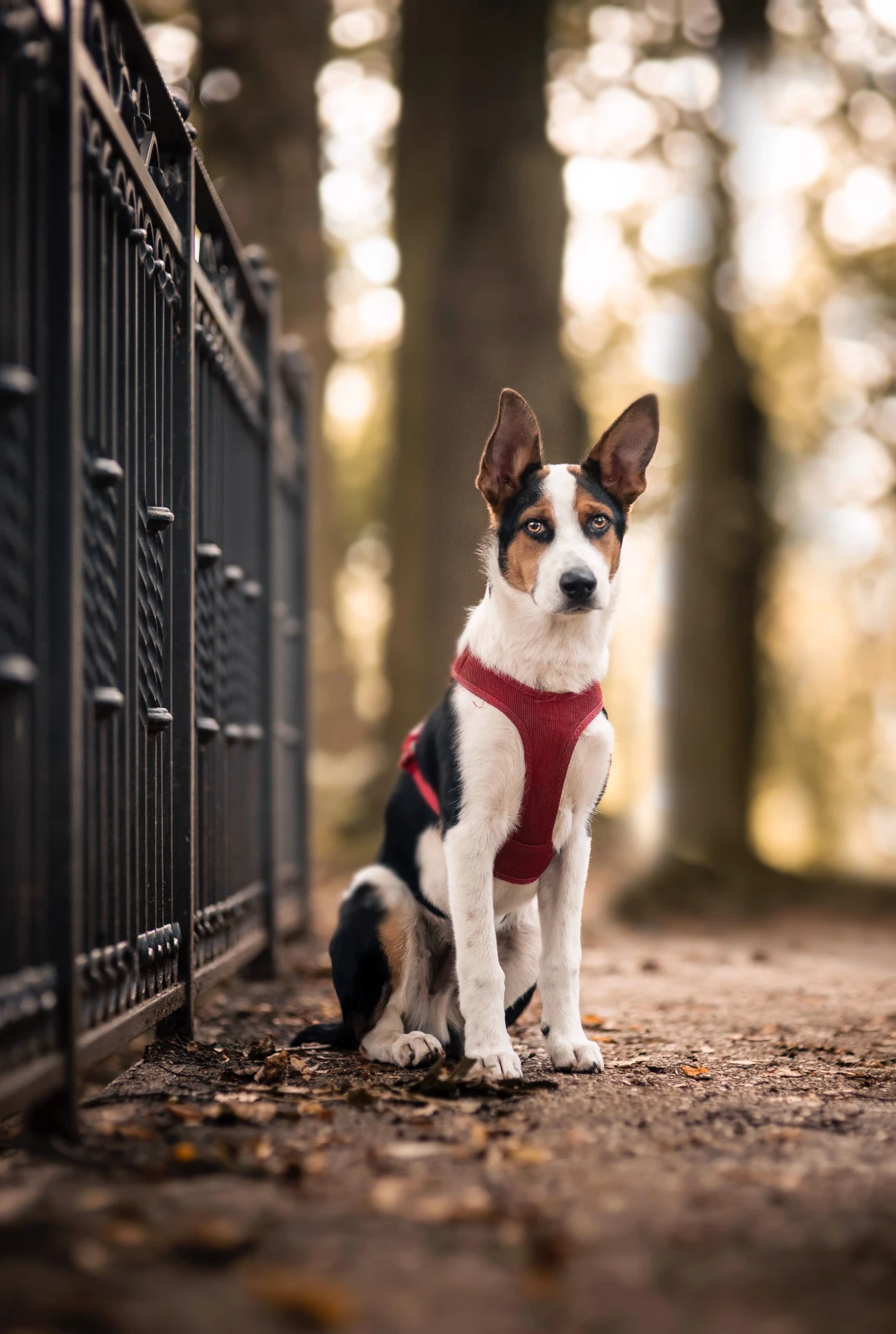
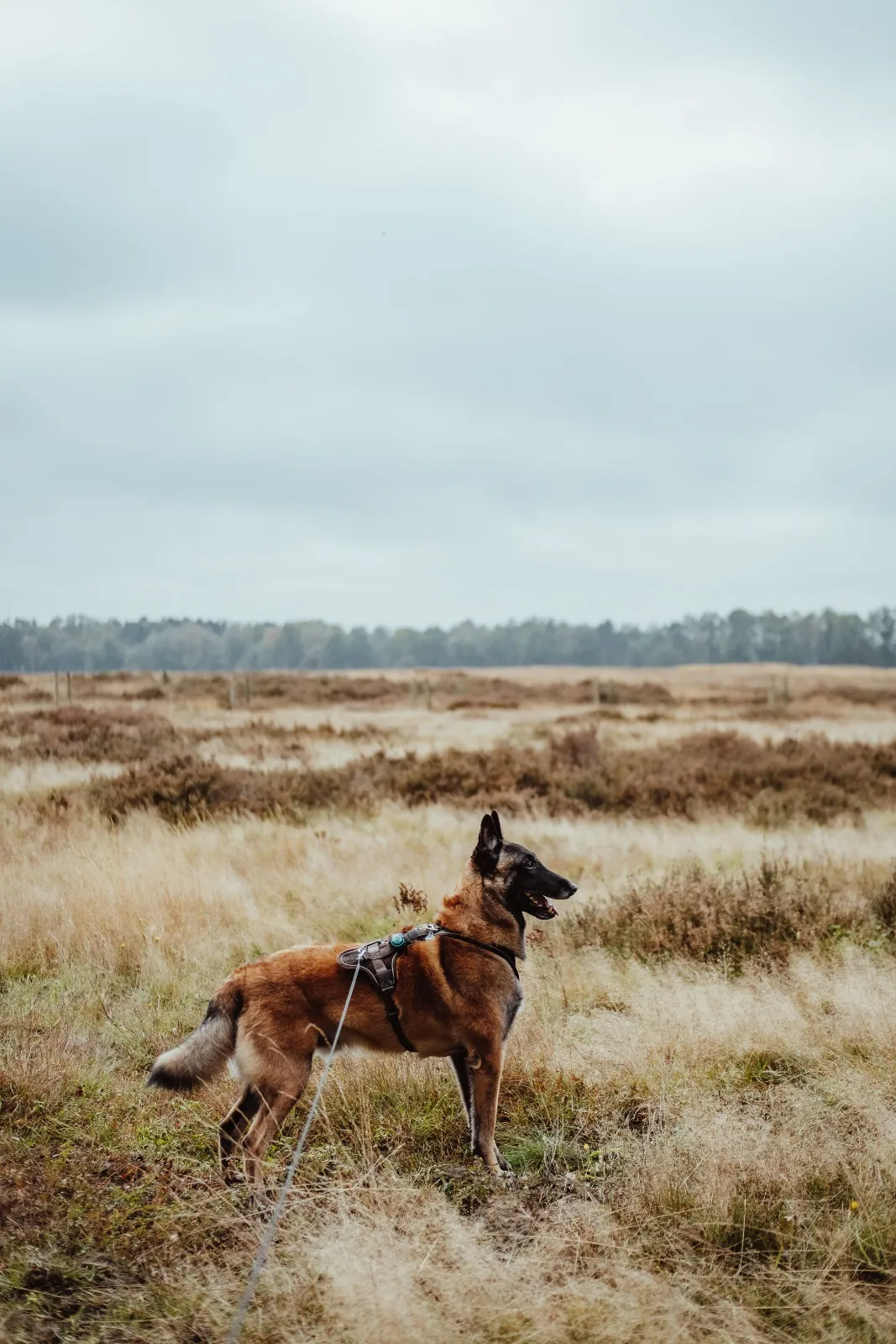
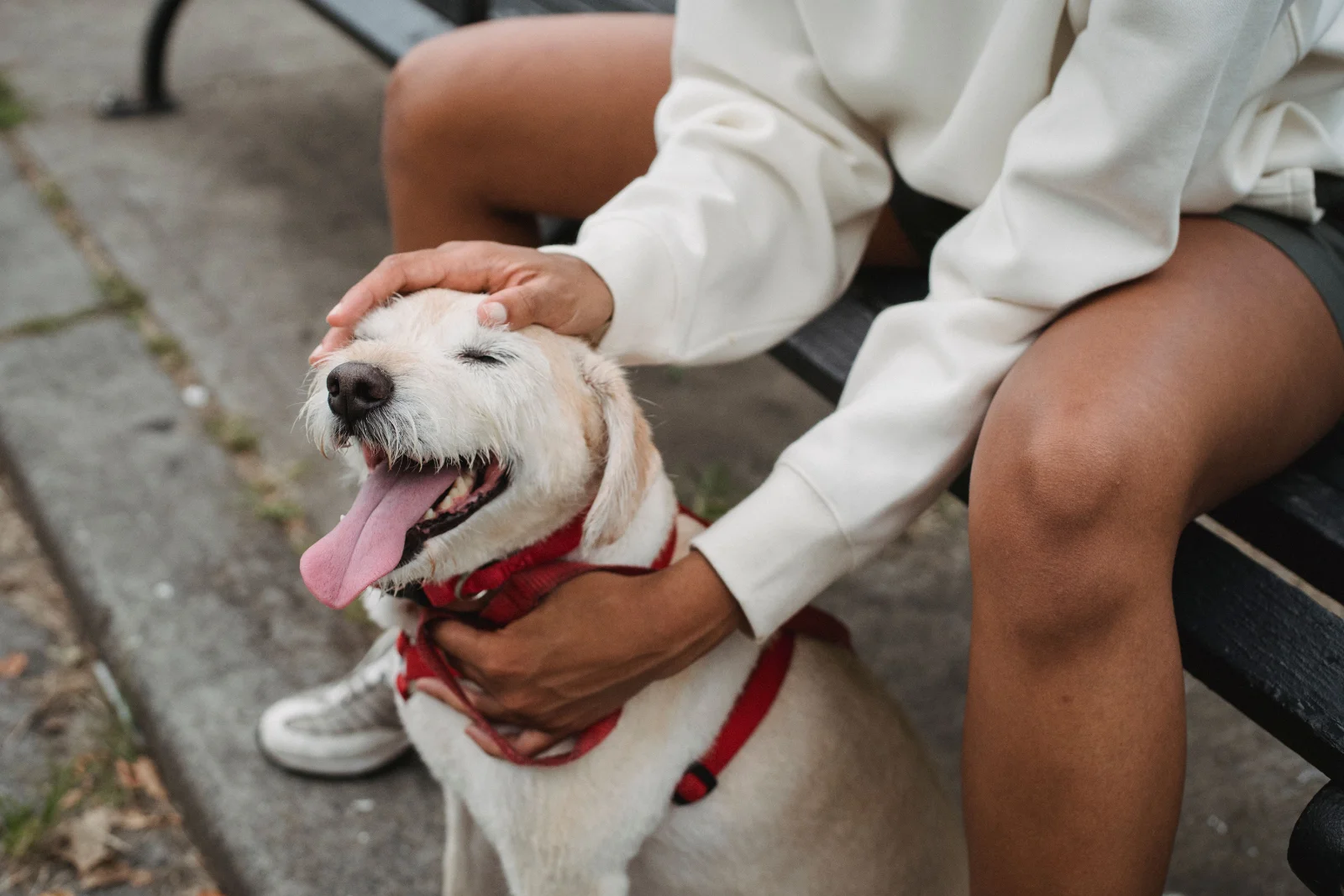
Our shortlist compares design and fit rather than claiming one model works for every dog. Measure first, then choose the simplest design that meets your walking needs. The stock photos show harnesses in everyday use; none depicts a tested Animalia pick. See our affiliate disclosure for the current link policy.
Top picks for common walking needs
- Ruffwear Front Range : best overall starting point for a dog who fits a padded everyday harness.
- Voyager Step-In Air : best budget and step-in option for a small dog within its model-specific chart.
- Blue-9 Balance : best harness for dog training when a neck buckle and many adjustments matter.
- Kurgo Journey Air : useful value option when you want a handle and a padded panel.
- Ruffwear Flagline : an option to assess when extra body coverage and a rear strap are priorities.
These are research-based use cases, not measured rankings or guarantees. A different body shape may rule out the first pick immediately. For the handling lesson, use our guide to putting on a dog harness before turning a fitting session into a walk.
Compare the designs before choosing a size
All models below were checked on Chewy and against manufacturer information on October 30, 2026. Size and color availability can change. Price bands compare the checked listings: $ is the lower-cost tier, $$ the middle tier, and $$$ the higher tier in this shortlist. Prices change; check the retailer before buying.
| Product and use | Key design details | Price band | Main pro and con |
|---|---|---|---|
| Ruffwear Front Range ; Everyday padded walks | Padded chest and belly; four adjustments; front and back attachments | $$$ | Simple everyday design; No support handle |
| Voyager Step-In Air ; Budget option for small dogs | Mesh vest; hook-and-loop plus buckle; back D-rings | $ | Avoids an overhead opening; Limited fitting range within each size |
| Blue-9 Balance ; Head-shy dogs and detailed adjustment | Soft-touch nylon; six adjustments; neck buckle; front and back rings | $$ | Can open around the neck; Straps need careful initial adjustment |
| Kurgo Journey Air ; Walking with a handle | Ripstop outer, mesh inner; four adjustments; front/back clips and handle | $$ | Broad panel and handle; Panel may be too wide for a narrow dog |
| Ruffwear Flagline ; Longer-body coverage and added security | Chest/belly panel; six adjustments; handle and three leash points | $$$ | More body coverage; More straps to fit and check |
Do not compare sizes by their letter alone. A small in one brand may have a different chest range from another, and a harness can match girth while sitting poorly on the shoulders. Use the exact chart for the model and variant, then confirm the result on your own dog.
How do you choose the best dog harness for fit?
Measure your dog, compare the exact model’s chart, and check the harness while your dog stands and walks. Straps should sit securely without rubbing at the armpits or blocking shoulder movement. Allow about two fingers beneath a strap as a starting check, then follow the manufacturer’s instructions and assess the whole fit.
Edmonton Humane Society’s fitting guide explains the two-finger check and advises watching gait, strap position, and movement. This check does not prove escape resistance or replace a proper size match. A narrow dog may need a different shape even when the chest measurement falls within the listed range.
Measure and match the whole body
Measure chest girth around the widest rib area using the maker’s directions, and check any required neck measurement too. Keep the tape snug without squeezing. Write down the numbers and the model name, so you can compare charts without relying on breed or weight alone. Recheck growing puppies and dogs whose weight changes.
Compare Y-front, vest, and step-in designs
A Y-front follows the front of the chest while leaving the shoulder area clear when properly fitted. Avoid a strap that crosses the front of the shoulder joint and limits the stride. Step-in describes how a harness goes on, while vest describes coverage; neither label by itself guarantees free movement or an easy fit.
An overhead harness avoids asking your dog to lift both feet into openings. A step-in avoids drawing a loop over the head. A buckle at the neck may help a head-shy dog, but it still requires gentle handling. Choose around your dog’s comfort, rather than holding them still to make the design work.
Separate leash attachments from training
A back attachment gives a simple leash route away from the front legs. A front attachment offers another connection option, but the fit should stay centered when the leash changes direction. Dual-clip designs let you choose. If the harness twists, rubs, or changes the dog’s stride, stop and adjust or reconsider the model.
Animalia excludes designs intended to tighten, squeeze, or punish pulling. A harness also cannot teach loose-leash walking by itself. Our beginner loose-leash walking plan covers that skill, and the before-walk routine helps you prepare without rushing equipment handling.
How we chose these harnesses
We selected these products through research, not hands-on testing. Animalia Editorial used Edmonton Humane Society’s fit and movement guidance, then checked manufacturer features, size information, and Chewy listings. Available verified-purchase comments highlighted recurring fit and adjustment concerns across the shortlist; they do not establish failure rates or guarantee a result for your dog.
The shortlist favors fixed, adjustable walking designs and different fitting needs. Pros describe documented features; cons separate design limits from the need to try the fit on your dog. We did not measure pulling force, wear-test materials, or conduct escape tests. No brand paid for inclusion, and no retailer product photos are used.
Which model suits your dog’s walking needs?
Use these profiles to narrow the shortlist before choosing a size. Manufacturer information supports the design details, while the recommended use and skip-it-if advice are editorial judgments. A good fitting result matters more than a product name, an owner review, or the position of a model in a list.
Ruffwear Front Range: padded everyday option
Ruffwear Front Range suits owners who want a straightforward padded walking harness without a handle. Ruffwear lists four adjustment points and two leash attachments, including a rear ring and a chest connection. The chest and belly padding make it a useful model to compare when a thin strap design does not suit your dog.
- Pros: padded coverage; adjustable fit; front and back connection choices.
- Cons: no lift or support handle; the overhead opening may not suit a head-shy dog.
- Skip it if your dog needs a neck-opening buckle, extra rear-body coverage, or a handle.
Check that the neck opening sits low enough and the girth area clears the front legs when moving. Padding does not make a poor size comfortable. If you have to tighten one part excessively to keep another part in place, choose a different shape rather than accepting rubbing.
Voyager Step-In Air: budget small-dog option
Voyager Step-In Air is a mesh vest for owners who prefer a step-in design. Voyager specifies mesh construction, a hook-and-loop closure, a buckle, and double D-rings. The X-Small matching-trim chart gives a chest range of 13 to 14.5 inches. Other sizes and variants require their own chart; do not choose from weight alone.
- Pros: avoids an overhead loop; soft mesh body; lower-cost tier in this comparison.
- Cons: less separate strap adjustment than the webbing models; no front leash attachment or handle.
- Skip it if your dog falls between the model’s measurements or has a history of reversing out of similar vests.
Make sure the front openings leave the legs free and the closure sits flat. A vest can fit the chest yet remain loose around a narrow neck. The retailer and maker show differences in parts of their size charts, so confirm the exact variant before ordering or trying a larger size.
Blue-9 Balance: detailed fitting and a neck buckle
Blue-9 Balance is a useful comparison for dogs who dislike an overhead opening. Blue-9 describes six adjustment points, a buckle on the neck loop, and front and back leash rings. Its washable soft-touch nylon straps provide a different fitting option from the broader panels elsewhere in this shortlist.
- Pros: neck-opening buckle; several fitting adjustments; front and rear leash choices.
- Cons: initial strap adjustment takes care; no broad padded support panel or lifting handle.
- Skip it if you need a padded handle or cannot check the individual straps after fitting.
More adjustments give you more control over the shape, but also more parts to check. Follow the maker’s fitting instructions rather than tightening everything equally. Confirm that the front connection remains centered and the straps do not creep into the armpits as the dog walks.
Kurgo Journey Air: handle with a padded panel
Kurgo Journey Air adds a back handle and a wide chest panel. Kurgo specifies a ripstop outer, mesh inner, four adjustments, and front and back attachments. Its listed chest range runs from 12 to 44 inches across sizes. Both chest and neck measurements matter, so read the chart for the chosen size.
- Pros: back handle; padded coverage; reflective trim and attachment choices.
- Cons: a broad chest panel may not suit a narrow body; an overhead design still needs comfortable head handling.
- Skip it if the panel presses between the front legs or you need a neck-opening buckle.
The handle is a feature to assess with the manufacturer’s directions, not proof that this is a medical support sling. Ask your veterinary team about any need to lift a dog with pain or limited mobility. Never lift a dog by the leash attachment to use the handle indirectly.
Ruffwear Flagline: extra body coverage
Ruffwear Flagline offers a longer body design to assess when you want more coverage. Ruffwear lists six adjustment points, a handle with a chest/belly panel, and three leash points. Its extra rear strap is a reason to compare it with the simpler Front Range when reversing out is a concern, rather than a promise that escape is impossible.
- Pros: extra body coverage; more adjustment options; handle with supporting panels.
- Cons: more straps need fitting and inspection; the longer design may not suit a short torso.
- Skip it if the rear strap cannot sit comfortably or you need a guaranteed escape-proof solution.
Check the rear strap as carefully as the chest and neck. A dog’s body shape and the direction of leash tension can change security. If your dog panics or has escaped before, ask a qualified reward-based professional to help choose and check a safe walking setup.
What should you check before every walk?
Check the fit, fastenings, leash connection, and your dog’s comfort before leaving a safe area. Look for damage, rubbing, or a strap that has loosened since the last use. Remove the harness when you cannot supervise your dog, and stop using gear that is damaged or restricts comfortable movement.
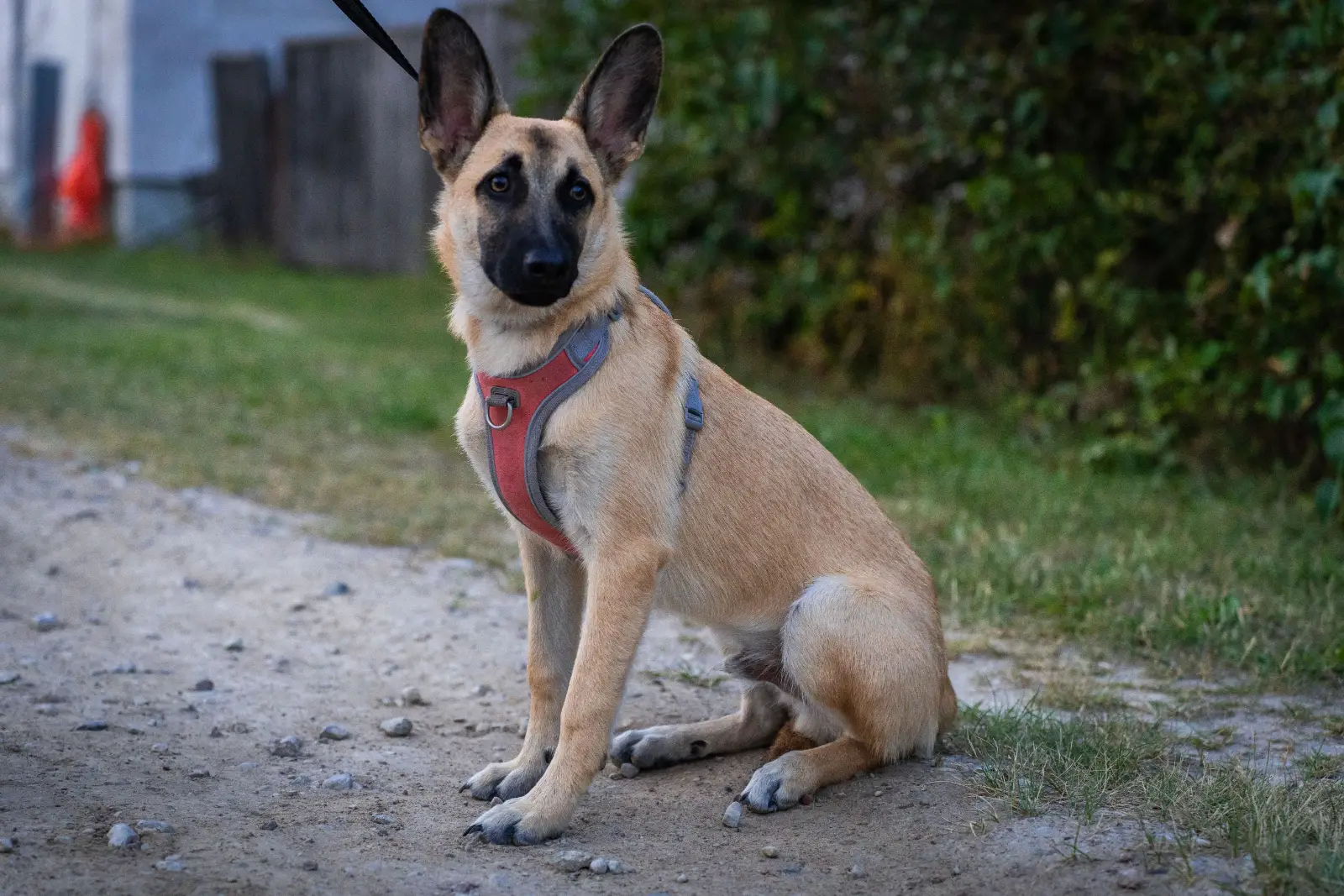
Edmonton Humane Society warns that unsupervised harnesses can catch or tangle. Its guide also recommends checking fabric and plastic buckles for damage. Reflective trim can help visibility, but it does not make a dark route safe by itself. Choose a route and supervision plan suited to your dog and conditions.
Follow washing and drying instructions for the exact model, then recheck the straps before reuse. Keep gear out of reach between walks so the dog cannot chew it. These walking picks are not presented as certified vehicle restraints, climbing equipment, or treatments for a health problem.
Frequently asked questions
Which dog harness is best?
Choose the model that fits securely while leaving your dog able to move freely. Front Range is our padded everyday starting point, but it may lose to Balance for a head-shy dog or Voyager for a small dog needing a step-in style. Measurements and a comfortable fitting session should decide, rather than a universal winner.
What dog harness is the most comfortable?
Comfort depends on shape, fit, material, and the dog wearing it. Check that straps do not rub at the armpits, the front leaves the shoulders free, and the harness stays centered during walking. More padding is not automatically better if the panel is too wide. Stop and ask your vet about soreness or a changed gait.
What is the best harness for a dog that pulls?
Start with a well-fitted design that avoids squeezing or blocking movement, then teach loose-leash skills. A front or dual attachment gives options, but it should not drag the harness sideways or change the stride. None of these picks guarantees an end to pulling. Get reward-based professional help if walks remain difficult or unsafe for your household.
Is any harness fully escape-proof?
Do not treat any harness as a guarantee against escape. Correct measurements, strap position, body shape, fastenings, and handling all matter. A longer design may offer another fitting option, but it still needs checking on the individual dog. Seek professional help if your dog backs out, panics, or has a history of slipping equipment.
Are harnesses better than collars for walking?
A suitable harness can reduce pressure on the neck when the leash tightens. That benefit depends on proper fit and comfortable movement, rather than the word harness on a label. Keep identification arrangements appropriate for your location and use. If your dog has a health or mobility concern, ask your veterinary team about the most suitable walking equipment.
Why are some trainers against certain harnesses?
Concerns may relate to fit, shoulder restriction, twisting, or expectations that equipment will replace training. Those are reasons to assess a design and the dog wearing it, rather than reject all harnesses. Avoid tightening or aversive products, choose a comfortable fit, and pair the gear with kind, reward-based walking practice at a manageable level.
Choose the fit you can check
Measure first, narrow the shortlist, and plan a calm fitting session before a full walk. Animalia recommends rejecting a poor fit even when the product seems popular. Our daily dog-care hub helps place walks within the rest of the care plan. Review the fit again as your dog grows or changes.
Sources and editorial notes
- Edmonton Humane Society: harness selection and fitting
- Ruffwear: model comparison and features
- Blue-9: Balance construction and adjustment
- Kurgo: Journey Air specifications and size chart
- Voyager: Step-In Air materials and model-specific sizing
Animalia Editorial. Published: November 2, 2026. Last updated: November 2, 2026. Source review: October 30, 2026. Last checked for listed retailer availability, features, and price bands: October 30, 2026. Specific size/color stock can change. Recheck by January 28, 2027. This is a research-based selection, without Animalia hands-on testing. Editorial standards: Animalia Editorial Policy.
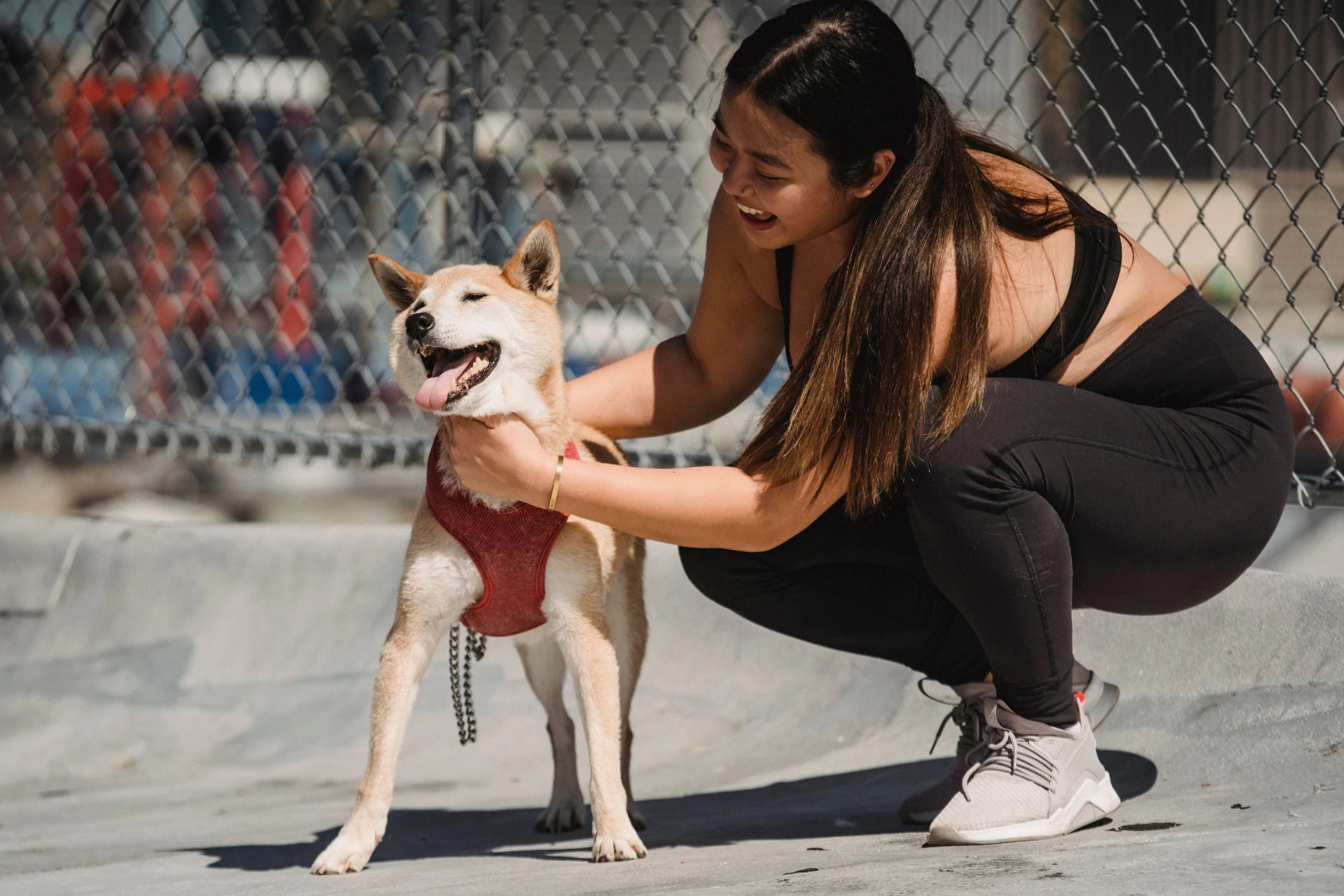
Featured photo: An adult strokes a dog wearing a red mesh harness beside a fence. This is illustrative stock, not an Animalia product test. Photo: Sam Lion / Pexels.
Prepared with AI assistance and reviewed against the sources above.