German Shepherd puppy training starts with reward-based everyday skills, comfortable social experiences, and a predictable care routine. AKC highlights socialization, housetraining, recall, and ongoing practice for this breed. Begin at a level your puppy can manage, reward the response you want, and make the setting easier when they struggle. Seek help for fear or unsafe behavior.
Animalia’s six-step plan turns those priorities into home practice. Prepare suitable rewards, comfortable walking equipment, a secure training area, and a place to rest. Keep bathroom care and access to essential needs separate from earning rewards.
How should German Shepherd puppy training begin?
Start with a simple response in a quiet place, such as looking toward you when you say your puppy’s name. Reward that response promptly, then let the puppy disengage. AVSAB supports reward-based methods and humane boundaries. The breed label does not create a reason to use intimidation, physical corrections, or a heavier hand.
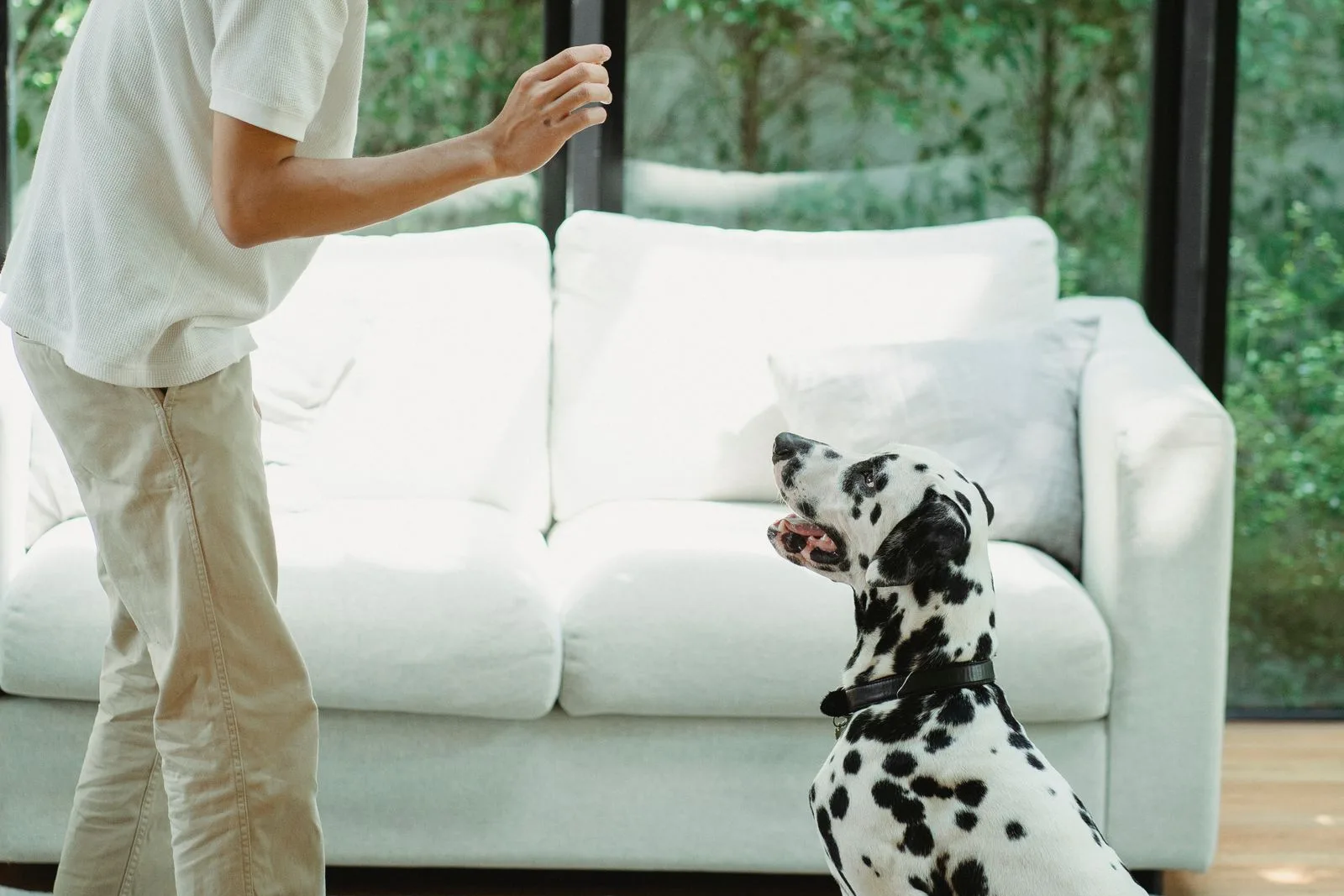
For a first practice, put the rewards within easy reach before inviting your puppy into the room. Say their name once when they are nearby and not already absorbed in something else. When they turn toward you, mark the response with a chosen word, then give the reward. Avoid repeating the name louder while they investigate another object.
Write the goal in observable terms: “turns toward me in the kitchen.” A phrase such as “respects me” does not tell you when to reward. Choose one cue and one marker word with the household, and practice while the puppy is comfortable and interested. Finish with a simple success instead of waiting for the puppy to become distracted or tired.
If your puppy does not respond, change the setup before trying again. You might move to a quieter room, stand closer, or choose a reward that fits the puppy’s preferences and feeding plan. Record the conditions that worked. This is an illustrative practice example, rather than a claim that every puppy learns at the same pace.
Build bathroom care and comfortable rest into the day
A usable routine starts with knowing who is supervising the puppy and who takes them to the bathroom area. Keep suitable rewards near the exit so the person accompanying the puppy can reward elimination in the chosen place. Avoid waiting until the puppy comes back indoors, when the reward could be associated with another action.

Use our puppy potty training guide for the detailed method. A breed-specific overview cannot supply a reliable holding-time formula for your individual puppy. Note waking, meals, play, bathroom trips, and accidents so your veterinary team can help assess whether the routine fits. Discuss a sudden change in toileting rather than treating it as defiance.
Prepare a comfortable rest area before you need the puppy to use it. If a crate is part of the plan, make entry voluntary and build comfort separately from leaving the house. See our crate training hub. A closed crate is not a solution for a puppy who is panicking, struggling to escape, or unable to rest.
Make the care handoff explicit: the person taking over should know whether the puppy has just slept, eaten, or been outside. A shared note is easier to follow than guessing from the clock. Training opportunities should fit around these care needs, leaving space for the puppy to sleep without being repeatedly woken for another lesson.
How can you socialize your puppy without pressure?
Offer safe, comfortable exposure to everyday people, sounds, surfaces, and settings while letting your puppy choose distance. AVSAB emphasizes early socialization without excessive fear or avoidance. Ask your veterinarian about suitable local exposure and classes. Socialization can include calm observation; it does not require greeting every person or dog you encounter.
For example, begin where your puppy can watch a quiet scene without being surrounded. If they remain comfortable, reward a voluntary check-in or allow them to explore an appropriate part of the setting. If they move away, freeze, or struggle, give them space and finish the exposure. Staying until the puppy stops reacting is not the goal.
At home, introduce grooming tools as separate, manageable experiences. Let your puppy notice a brush at a comfortable distance, then pair that moment with something they enjoy. Handling can be broken into small steps with help from a qualified trainer or veterinary team. Do not hold the puppy still to complete a grooming session they cannot tolerate.
Keep a list of ordinary situations your household actually needs: a visitor entering quietly, a brief car preparation, a veterinary waiting area plan, or someone moving a household object. Record what your puppy comfortably did in each setting. Ask for professional guidance when fear persists instead of adding more difficult encounters to fill a checklist.
Teach recall and leash skills in easy settings
Begin where you can physically keep your puppy safe, even if the cue does not work. For an indoor recall example, invite the puppy from nearby in a clear room, then reward their arrival. Avoid practicing next to an open exterior door or using the cue to pull them into something they are worried about.
For leash practice, start with comfortable equipment and a simple route. Reward a voluntary check-in and movement beside you while the leash stays loose. If your puppy is pulling toward something, reassess the distance and setting rather than jerking the leash. Our loose leash walking guide explains how to organize those early steps.
AKC includes recall and leash manners among the continuing training priorities for German Shepherd puppies. A response learned in one quiet room is a starting point for practice elsewhere. Keep the safety measures in place while introducing a new location, and change one feature at a time so you can see what your puppy can manage.
Animalia suggests ending each practice note with the next easier version. If the puppy could return across the kitchen but struggled near the garden door, the next step might be another comfortable kitchen repetition. It need not be a longer distance. Keeping a familiar skill enjoyable is a useful outcome, even when a session is brief.
Choose play and learning that leave room for rest
Use this Animalia practice table to match a household goal with a clear reward moment. It is an organizational example, not a tested schedule or a promise of results. Choose activities suited to the puppy’s health and abilities, and ask your veterinarian about physical exercise as your puppy grows.
| Household goal | What to reward | Make it easier when needed |
|---|---|---|
| Respond to a name | A voluntary turn toward the speaker | Use a quiet room and stand nearby |
| Come when invited | Arriving beside the person in a secure space | Reduce distance and remove distractions |
| Walk with a loose leash | A comfortable step beside the handler | Choose a quieter route with more space |
| Settle near the family | A voluntary relaxed moment on a comfortable bed | Reduce activity around the bed |
| Explore an everyday object | Comfortable investigation or calm observation | Increase distance and let the puppy leave |
You do not need a new puzzle after every successful activity. Familiar play can still be worthwhile when your puppy enjoys it and the equipment remains intact. Inspect toys, supervise new items, and put corded or damaged equipment away. Our puppy enrichment guide offers simpler versions when a challenge becomes frustrating.
Record rest as well as activity so that “more training” does not become the automatic response to every busy moment. If your puppy seems uncomfortable, cannot settle, or shows a sudden change in movement or behavior, contact your veterinarian. Those concerns deserve assessment rather than an attempt to solve them by adding a harder game.
When should you change the plan or ask for help?
Make practice easier when the puppy struggles, and seek help promptly for persistent fear, dangerous chasing, biting that creates a safety concern, or sudden behavior changes. AVSAB recommends humane professional support for challenging behavior. Tell your veterinarian what you observed and ask for a qualified reward-based trainer or veterinary behavior referral where appropriate.
Bring useful details: the setting, what happened immediately beforehand, the response you saw, and what you did next. A description such as “lunged toward passing bikes at the gate” helps the professional plan safer management. A label such as “stubborn adolescent” may hide the practical circumstances they need to understand.
Development does not follow a single obedience deadline. AKC’s breed timeline continues training beyond the earliest puppy months and into young adulthood. Use that as a reminder to keep supporting your dog, rather than a standard they must pass on a particular birthday. Comfortable progress in a suitable setting matters more than matching an online milestone list.
Choose one everyday skill to practice today and arrange the care around it. Animalia suggests sharing the cue and reward moment with the household, then reviewing the result before making the next change. Return to the puppy care hub for the related care guides, and get individual help when the current setup is not working.
Frequently asked questions
At what age should training begin?
Begin gentle everyday learning when your puppy joins the household, adapting the task to their comfort and abilities. AKC’s German Shepherd timeline starts with early socialization and home routines, then continues through later development. There is no need to wait for a difficult behavior to appear. Ask your veterinarian how to combine safe exposure, appropriate care, and suitable classes for your puppy.
Does a German Shepherd need stricter training?
The breed does not justify intimidation or painful equipment. AVSAB recommends reward-based methods for canine training, including challenging behavior. Clear rules can still be taught humanely: manage access, arrange an easier situation, and reward the response you want. If you feel unable to handle your growing puppy safely, seek qualified help with management and training instead of escalating physical pressure.
How long should each lesson last?
Use your puppy’s comfortable engagement to guide the session rather than treating a fixed duration as a requirement. Prepare the reward, practice an easy response, and finish before frustration builds. A short useful opportunity can fit naturally around care. If your puppy repeatedly disengages, review the task, setting, reward, and rest needs with a qualified trainer instead of extending the lesson.
Should every meal depend on a sit or another cue?
Keep essential care reliably available. You can set aside suitable food from the normal allowance for simple training, but a difficult task should not stand between the puppy and adequate nutrition. Agree on a feeding plan with your veterinarian and use manageable practice opportunities. The aim is to teach a useful response while meeting needs, not to make the puppy earn every necessity.
What if an older puppy seems to forget a skill?
Return to the setting where the skill was easy and check whether the new version added distance, distraction, or a different person. Record what changed and reward a manageable response. A sudden or persistent change, especially with discomfort or other unusual behavior, belongs in a veterinary conversation. Do not assume the puppy is deliberately refusing, or respond by adding force.
Sources and editorial notes
Animalia Editorial. Reviewed November 4, 2026. Examples organize humane home practice; no individual dog was assessed or tested for this guide. See our editorial policy.
AKC: German Shepherd puppy timeline; AVSAB: humane training; AVSAB: puppy socialization.
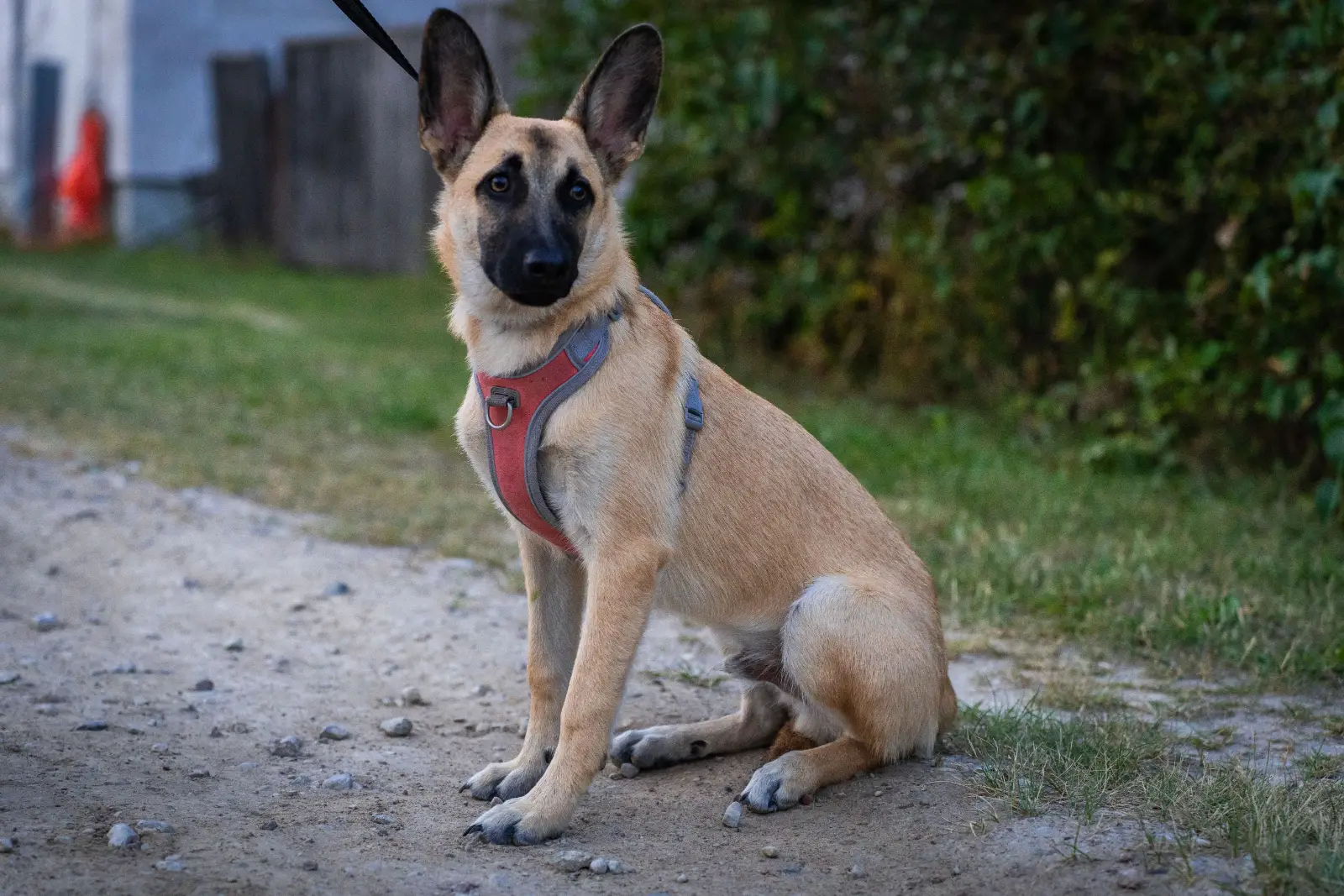
Featured photo: A young shepherd-type dog pauses on a path in a harness. Photo: Anastasiya Badun / Pexels.
Prepared with AI assistance and reviewed against the sources above.