A rainy-day dog routine should preserve necessary care while adapting optional activities to the conditions. Keep suitable outdoor opportunities, provide a comfortable dry resting area, and choose one or two manageable indoor activities. An entire day of intense games is not required.
Keep essential care visible
Write down the dog’s usual meals, water checks, toilet opportunities, and any instructions from their veterinary team. Assign household responsibility so each person knows which needs have already been met.
Adjust outings to weather severity, safe footing, and the individual dog’s comfort. Thunderstorms, flooding, and other hazards require a different decision from ordinary light rain.
Prepare the return-home area
Keep suitable drying supplies where you can reach them, without blocking the doorway. Follow the dog’s established comfortable handling routine. If they dislike drying or paw handling, avoid restraint and get help developing cooperative care.
- A clear, nonslip approach.
- Clean towels stored out of reach.
- A place for wet walking equipment.
- A dry resting space away from household traffic.
Offer an easy indoor activity
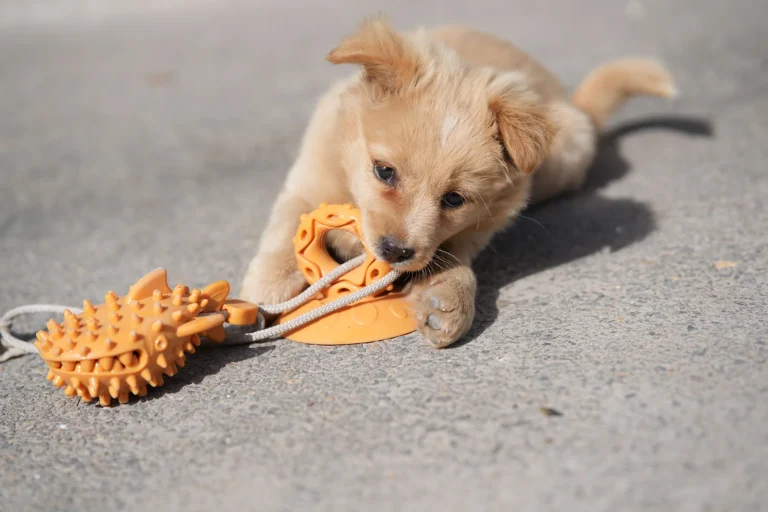
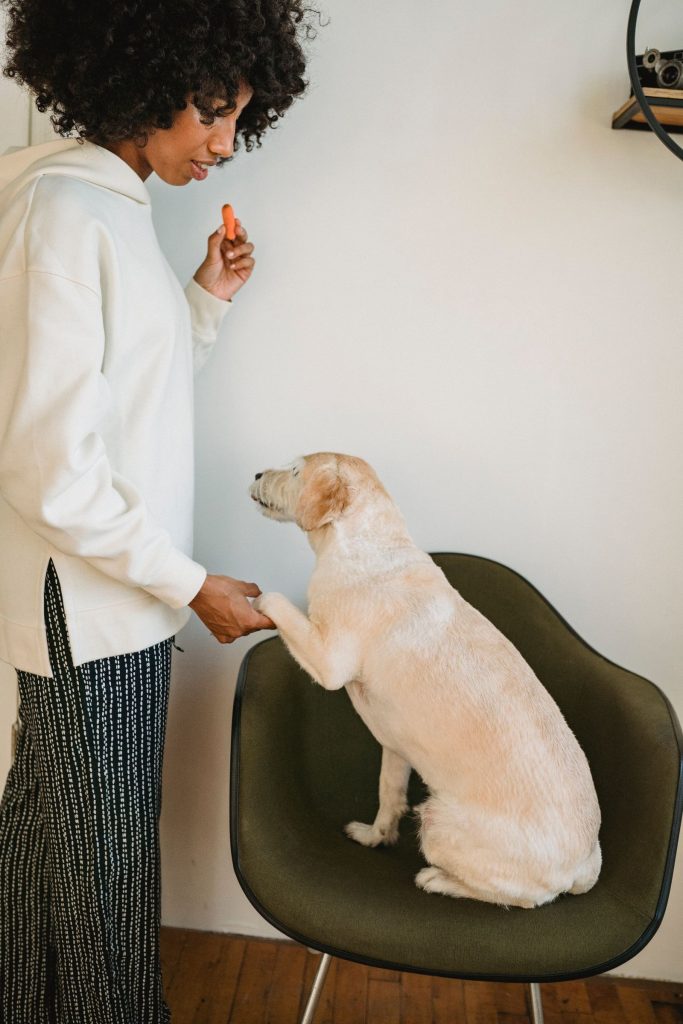
Choose a short search for an appropriate toy, a simple food puzzle, or a familiar training exercise. Keep the floor clear and avoid fast movement on slippery surfaces.
See our indoor enrichment ideas for activity options. Select one that already suits the dog rather than introducing multiple difficult games because the weather changed.
Leave room for rest
After an activity, allow the dog to settle without constant invitations to play. Children and visitors should understand which area is for uninterrupted rest.
Our calm evening routine can help organize a quiet transition. It is a household plan, not a treatment for distress during storms.
Review what needs individual help
Record any difficulty with outside breaks, handling, or particular weather sounds. Talk to your veterinary team about persistent fear or changes in comfort. Do not assume more exercise or louder background noise will resolve the problem.
Keep the successful parts of the routine ready for the next wet day. A small reliable plan is easier for caregivers to follow.
Sources and editorial notes
General activity context: Blue Cross: enrichment for dogs. This routine is an editorial planning example, not advice for severe weather exposure or noise-related anxiety.
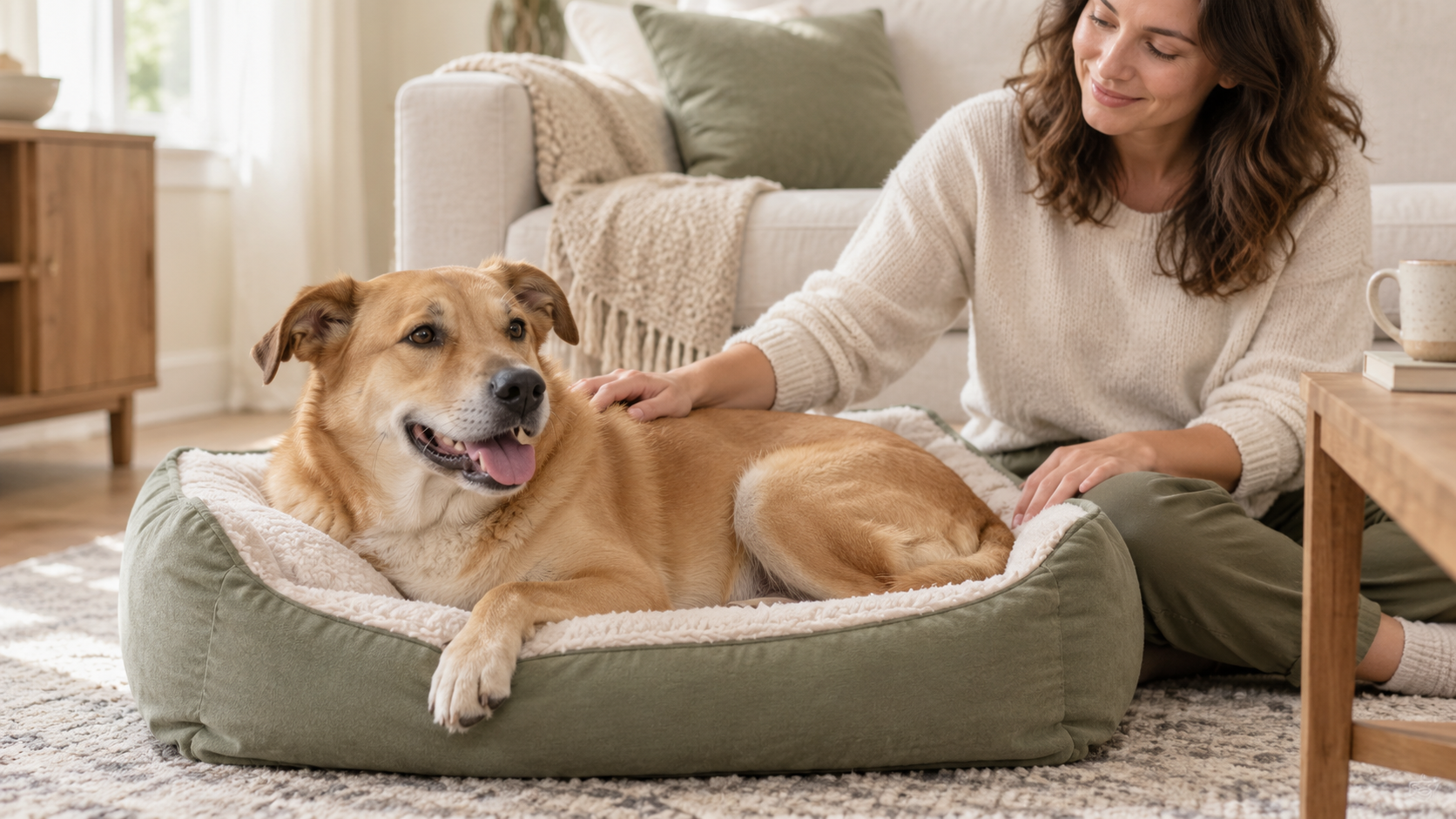
Featured image: Illustrative resting scene, generated with AI; resting dogs should be allowed to choose interaction.