Do cats need their nails trimmed? Some do, but not every cat needs routine clipping. Cats Protection notes that active cats may maintain their claws through scratching. Older cats or those with mobility problems may need help. Check the individual claws and ask your veterinarian about overgrowth, pain, or changes before attempting a trim.
A sharp claw alone does not establish a grooming problem. Animalia’s guide helps you decide whether to observe, arrange a demonstration, or seek care. It also separates normal claw maintenance from an injury that should not become a home clipping task.
Which cats are more likely to need claw care?
Review claw condition alongside activity and movement, rather than choosing one clipping schedule for every cat. A cat who struggles to scratch or whose claws catch on fabric needs closer attention. If you cannot inspect comfortably, ask the veterinary team to check them instead of forcing a look or guessing from age alone.
Use this check before deciding to clip
This Animalia table organizes the next household action. It cannot diagnose a claw problem, identify the correct cutting point, or replace a hands-on demonstration. If there is discomfort or damage, seek professional advice before further handling.
| What you notice | Practical next step | Avoid this assumption |
|---|---|---|
| Claws appear comfortable and the cat scratches normally | Keep suitable scratching places available; include claws in routine care checks | Every sharp tip requires cutting |
| Claws repeatedly catch on bedding or look unusually long | Ask the veterinary team whether a trim is needed | Snagging always has one simple cause |
| Bleeding, swelling, a damaged claw, or a claw near the pad | Contact your veterinarian for assessment | A deeper home trim will fix it |
| The cat withdraws or resists paw handling | Stop and ask for a manageable handling plan | Holding more firmly will make the task safer |
Write down which paw concerned you and what happened, then keep that note for the appointment. For example, “left front claw caught twice in this blanket” is clearer than “all the nails are bad.” A photograph may help if you can obtain it without restraining the cat, but do not delay care to collect a better image.
How can you prepare without forcing your cat?
Choose a calm setting and let your cat move away if handling becomes difficult. PDSA advises using suitable cat nail clippers and never forcing a trim. Ask for a demonstration before using them. A short, comfortable interaction is a better starting point than trying to finish every claw during an upsetting session.
Clipping boundaries and professional help
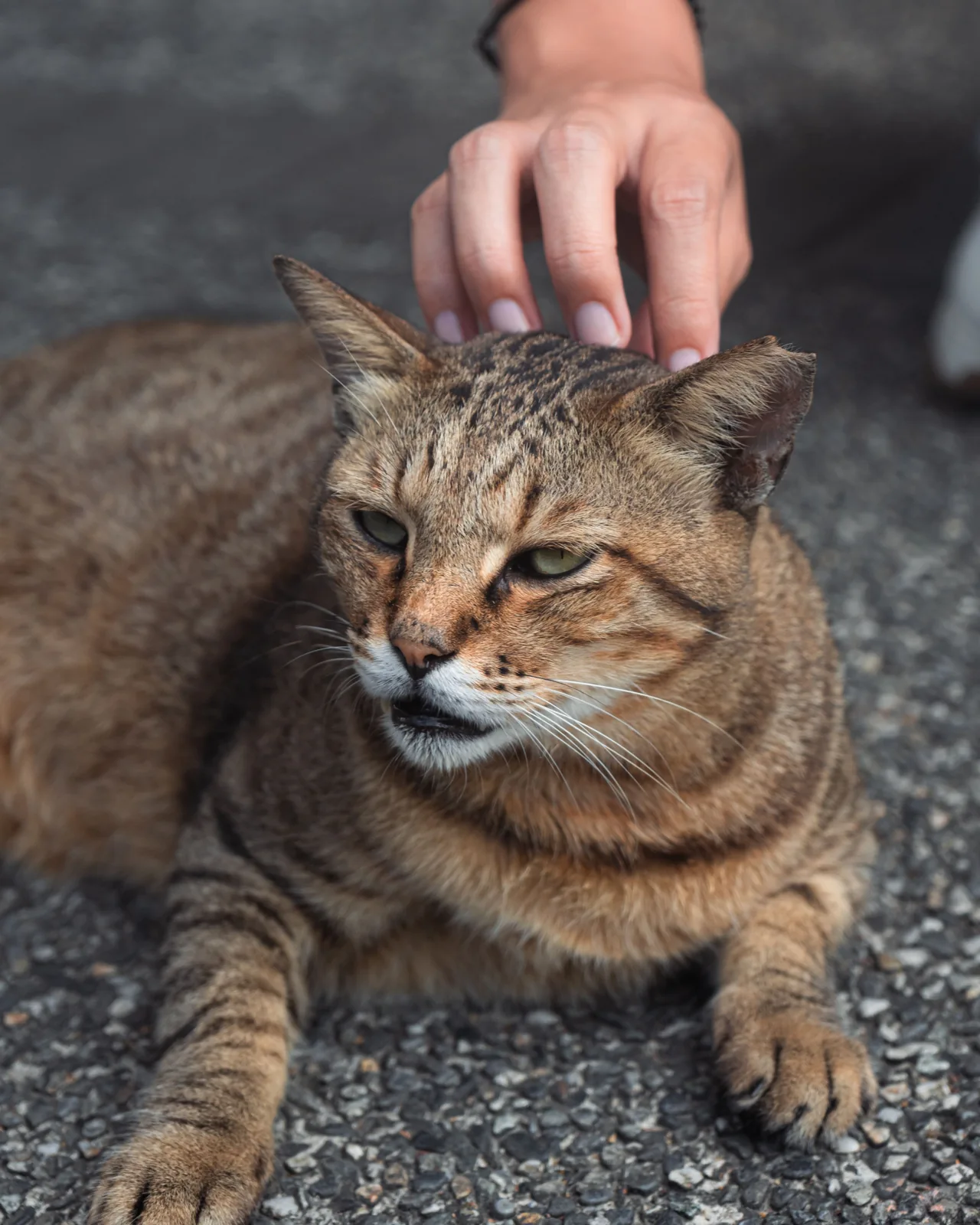
The quick inside the claw contains blood vessels and nerves, and cutting it is painful. Have your veterinary team show you the appropriate boundary on your cat. If you cannot see clearly, cannot keep the cat comfortable, or are unsure which part to trim, stop. Do not estimate a deeper cut from an online photograph.
This article is a decision guide, rather than a treatment protocol for a damaged claw. If a claw is bleeding, broken, swollen, or growing toward the pad, contact your veterinarian. Avoid applying a product, trying to remove an embedded claw, or continuing to clip through discomfort on the assumption that routine grooming will resolve the problem.
You can still make the appointment useful without completing a trim at home. Bring the observation note, ask whether every claw needs attention, and discuss how the clinic can help with future care. A professional check is a sensible outcome when the cat’s comfort or your view of the claw makes a home attempt uncertain.
How often should you reassess the plan?
Use the interval recommended for your individual cat after their claws have been assessed. Online schedules differ, and a fixed calendar cannot tell you whether a particular claw needs trimming today. Review sooner if you notice snagging, altered movement, or another change, and ask your veterinarian when the next routine check should happen.
Frequently asked questions
Do scratching posts replace every nail trim?
Not always. Scratching supports normal claw maintenance, and some active cats may not need routine clipping. Other cats need help even when suitable posts are available. Look at the individual claws and the cat’s comfort, then ask your veterinary team if you are unsure. Keep scratching options available whether or not the cat needs a trim.
Is a sharp claw the same as an overgrown claw?
No. Sharpness alone does not establish that a claw is too long or needs cutting. Consider repeated snagging, an unusual appearance, or changes in movement and ask for a professional check when concerned. Do not use furniture damage as the only test of claw health, and do not clip more deeply to try to stop normal scratching.
Should I use human nail clippers?
Choose equipment designed for cat claws and ask your veterinary team to demonstrate its use. Human nail shape differs from a cat’s curved claw, so a familiar human grooming tool is not a substitute for suitable equipment and instruction. If you cannot see clearly or your cat is uncomfortable, stop rather than trying another tool to finish the task.
What if my cat will not allow paw handling?
Pause and ask your veterinary team for help with a comfortable plan. Avoid pinning the cat down, adding force, or treating resistance as disobedience. Describe the exact difficult part, such as reaching toward the paw or introducing the clippers. Our guide to offering touch with choice supports observations during ordinary contact.
Are loose claw-shaped pieces always an injury?
A shed outer claw sheath may be found near a scratching place or resting area. That is different from assuming every loose piece means a broken claw. If you see bleeding, damage, discomfort, or an unusual change on the paw itself, contact your veterinarian. Leave the cat comfortable rather than repeatedly manipulating the toe to identify the fragment.
Sources and editorial notes
Animalia Editorial. Reviewed November 4, 2026. Start with a comfortable check or professional help, then visit our cat behavior hub for related care questions. The decision table and observation examples are practical planning aids, not individual veterinary assessments. See our editorial policy.
Cats Protection: individual claw-care needs; PDSA: equipment, handling and claw anatomy.
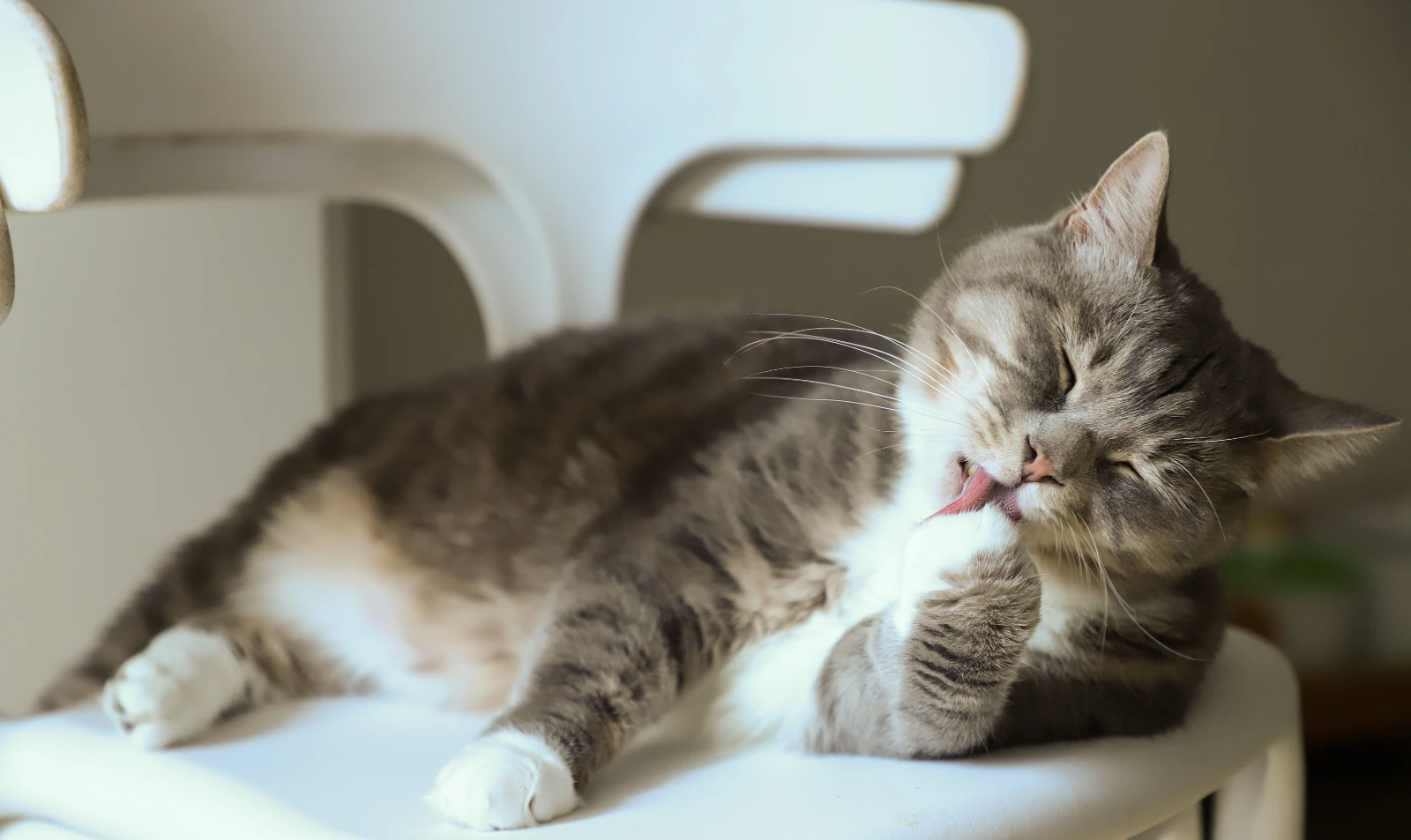
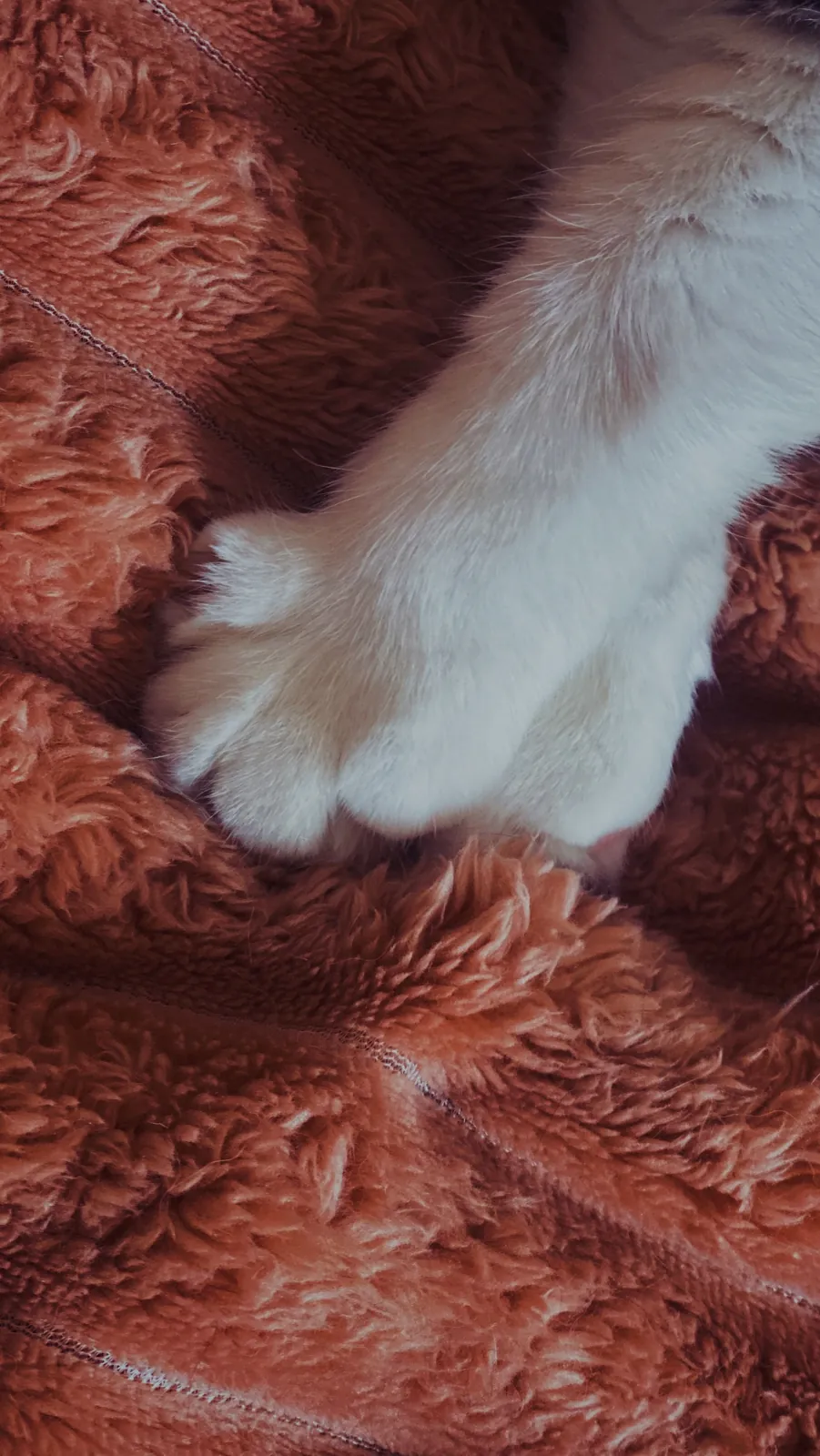
Featured photo: A cat grooms a front paw. Normal grooming does not establish whether each claw needs clipping. Photo: Cats Coming / Pexels.
Prepared with AI assistance and reviewed against the sources above.