Why does my cat hate other cats? Fear, unwanted contact, competition for resources, or a change in health or surroundings can contribute to conflict. “Hate” describes your impression, rather than establishing a cause. Cats Protection advises looking beyond visible fights. Give cats safe space, avoid forced meetings, and ask your veterinarian about sudden or persistent changes.
A quiet cat unable to reach a litter box may need help too. Animalia’s guide helps you identify the setting, protect ordinary care, and prepare useful observations. The goal is comfortable daily life, rather than making every pair become close companions.
Why might cats struggle to share a home?
Cats differ in their social relationships and willingness to share space. Limited access to food, water, resting places, or safe routes can create tension, while unfamiliar scent or frightening events can change an interaction. Those possibilities guide observation, but they do not identify the cause for an individual pair without assessment.
Do not decide that one cat is malicious or that another needs to learn their place. Describe the action instead: waiting near the doorway, retreating when the other cat enters, or being followed away from a bowl. That gives you a practical route or resource to review without assigning a permanent personality label.
Cats who previously rested together can still develop difficulties, and littermates are not guaranteed lifelong compatibility. Our gradual cat introduction guide covers the separate task of arranging contact. Begin by reviewing safety and ordinary care, especially when this is a sudden change, rather than immediately repeating introduction exercises.
Read the quiet signs as well as the obvious ones
Battersea describes less obvious tension such as blocked routes, fixed staring, and displacement from resting places. A household can look quiet while one cat has limited choices. Watch where each cat can eat, drink, rest, and use the litter box without another cat controlling the route.
| Observation | Question to review | Useful record |
|---|---|---|
| One cat waits outside a room | Can the cat reach needed resources another way? | Room, route, and where the other cat stood |
| A resting cat leaves when another approaches | Is there a comfortable alternative with an easy exit? | Who moved and what happened next |
| One cat repeatedly follows another | Can both cats choose distance? | Direction, setting, and whether pursuit continued |
| Hissing, swatting, or chasing | Is there a safe way to prevent further contact? | Visible actions, sounds, and any concern about injury |
| A pattern starts after an outing | Did scent, health, or routine change? | Timing and the change, without declaring a cause |
Do not arrange another encounter to confirm what you think you saw. You can record a brief description after the cats are comfortable and ask a professional how to gather any further information safely. A dramatic video is not worth creating another confrontation, and the absence of footage should not delay a request for help.
Play often includes pauses and changes of role, but one feature cannot settle every uncertain interaction. If one cat repeatedly tries to leave or access is restricted, respond to that concern. Avoid waiting for an injury before taking a one-sided pattern seriously or deciding that silence means the pair are comfortable.
How can you reduce competition without forcing friendship?
Provide separate, accessible care resources and places to rest or hide, with routes that let cats avoid each other. Keep resources spread through suitable areas instead of placing every duplicate beside the original. Avoid shared feeding, holding cats together, or allowing repeated pursuit as a way to make them get used to contact.
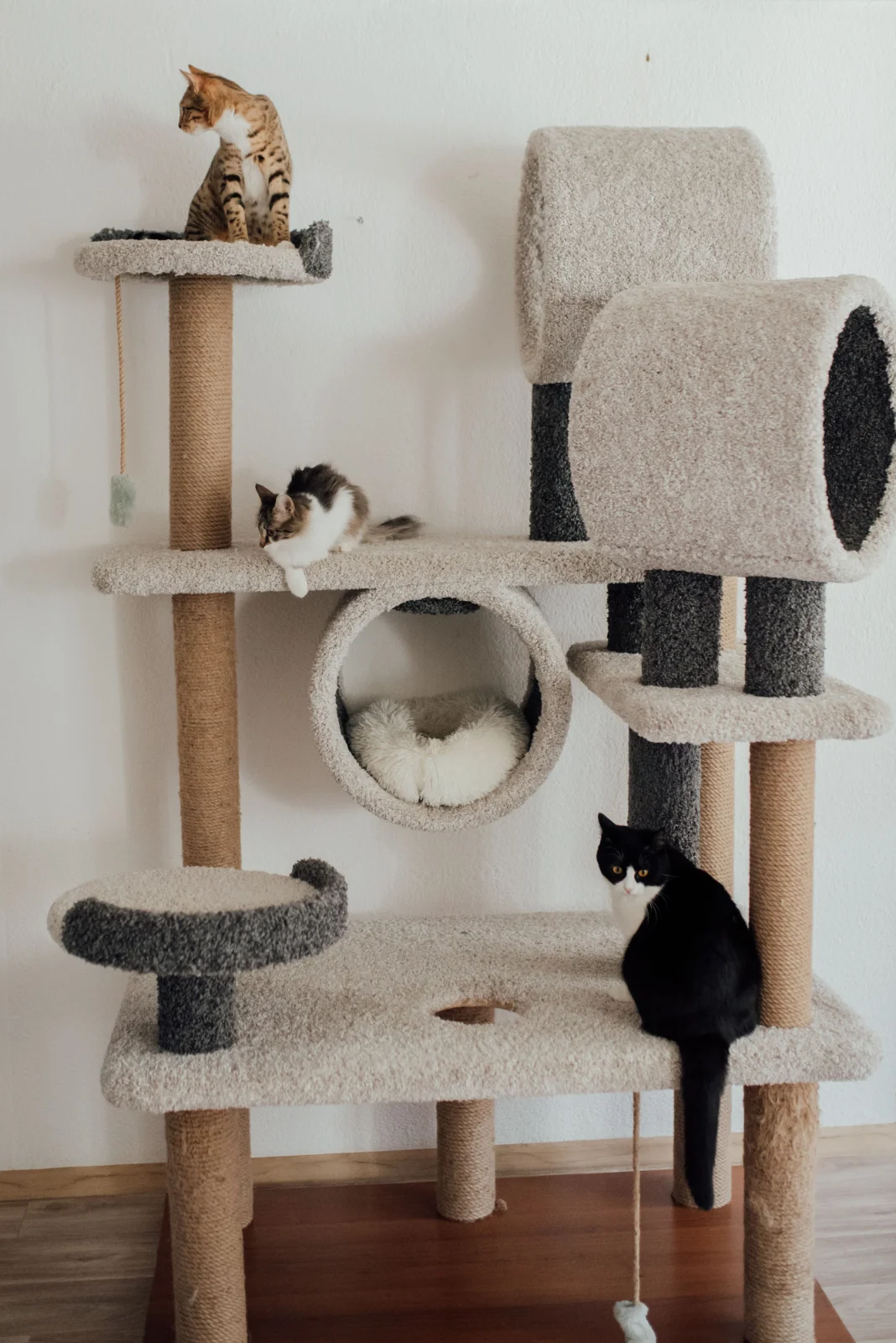
Use our multi-cat resource layout guide to examine actual access. Several bowls in one guarded corner can still leave a cat without a comfortable choice. Walk through the routes you expect each cat to use and check whether a narrow doorway or occupied landing makes those routes difficult.
A separate care area needs the cat’s ordinary essentials, comfortable rest, and suitable attention from you. Our cat hideout guide helps you consider retreats, while a quiet place alone is not a complete long-term plan. Ask for individual guidance when the available space makes safe separation or reliable resource access difficult.
Spend appropriate time with each cat separately rather than using competition for your attention as a test. Keep play manageable and allow withdrawal. A cat who chooses distance does not need to approach the other cat to earn food, rest, or gentle contact from you. Review whether every caregiver can follow the same practical arrangement.
Sudden conflict, unfamiliar scent, and veterinary advice
If cats who previously managed well together suddenly struggle, contact your veterinarian and describe the change. Pain, illness, or changed circumstances need consideration before treating the problem solely as training. Seek prompt advice about possible injury. Do not assume that a familiar explanation, such as jealousy, resolves the health question.
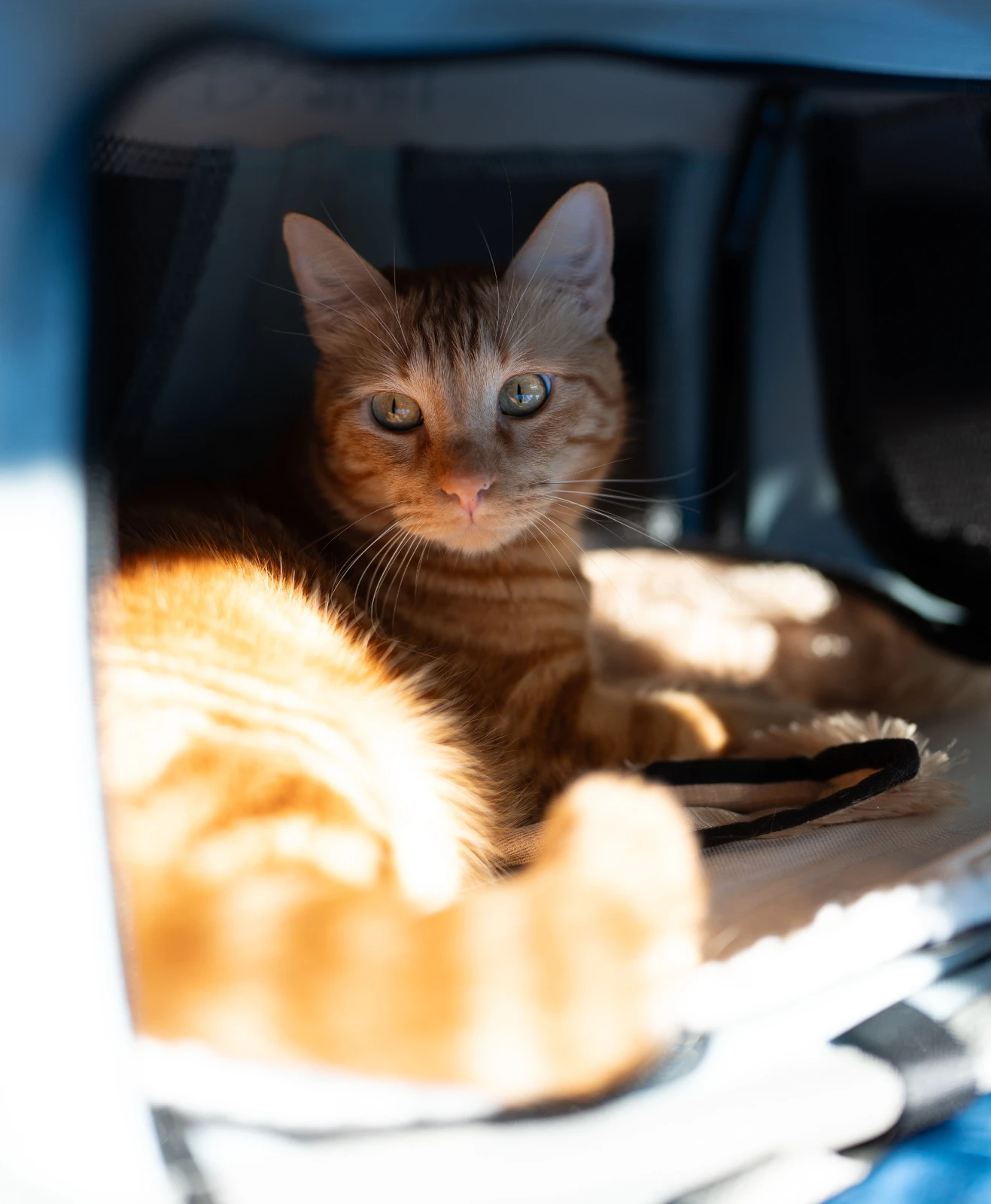
A return from the clinic can change how a cat smells, and seeing an unfamiliar cat outside can also be relevant context. Record those events without deciding that they establish the whole cause. Avoid carrying an upset cat toward the other cat, exchanging bedding through forced rubbing, or opening a door simply because a fixed number of hours has passed.
If a fight is happening, keep your hands out of the interaction and protect people and other animals from approaching. Ask your veterinary team for immediate advice if you cannot manage the situation safely. Do not use punishment, water sprays, startling noises, or a forced face-to-face meeting as your behavior plan.
When should you involve a cat behavior professional?
Ask your veterinarian about referral when conflict persists, repeats, restricts ordinary care, or creates a safety concern. Seek help earlier if you cannot provide suitable space or assess the interaction safely. A qualified professional can review the cats, their health context, and the home instead of applying a universal timeline or promising friendship.
Animalia suggests writing down the cats involved, when the pattern began, changes in care or surroundings, and which routes or resources are difficult. If you have an existing health or behavior plan, share it. This is useful preparation, rather than a requirement to diagnose the problem or test several more encounters before requesting help.
Some cats may coexist comfortably with space and a suitable plan, while others may need a different living arrangement. Make that decision with appropriate support rather than from one online description. Start by protecting today’s care and preventing another confrontation. Our cat behavior hub covers related questions, including separate guidance for individual behaviors.
Frequently asked questions
Does hissing prove that my cat hates another cat?
No. Hissing is an observable warning, while “hate” is an interpretation. Give space and consider what happened around it, including access, unwanted contact, and changes in comfort or routine. Do not punish the warning or force another meeting to test the relationship. Ask your veterinarian about a new or persistent pattern and any concern about injury or illness.
Can cats be stressed even when they never fight?
Yes. Conflict can include blocked routes, fixed staring, displacement, or repeated retreat without a loud fight. Check whether each cat can reach food, water, litter boxes, and comfortable rest without another cat restricting access. A quiet room alone does not establish a comfortable relationship. Record concerns and seek appropriate veterinary or behavior advice when the pattern persists.
Should I let cats fight to sort out their relationship?
No. Do not allow repeated confrontations as a way to establish a hierarchy or force acceptance. Arrange safe space and ordinary care, and obtain guidance if separation is difficult or the pattern continues. Keep hands out of an active fight and ask for immediate professional advice when needed. A workable plan should reduce opportunities for injury and unwanted contact.
Will adding one more bowl solve the whole problem?
Extra resources may help when access is limited, but placement, routes, the cats involved, and other circumstances still matter. A new bowl beside the guarded bowl may offer little practical choice. Review the whole care arrangement rather than promising that one purchase will solve conflict. Ask for professional help if ordinary care remains restricted or safety is uncertain.
Does being littermates guarantee that cats will stay close?
No. A shared early history does not guarantee that two cats will always choose close contact or remain comfortable in every setting. Watch their current access and behavior rather than relying on family status. If a previously manageable relationship changes, review health and circumstances with your veterinarian and avoid forcing the cats together because they once slept side by side.
Sources and editorial notes
Animalia Editorial. Reviewed November 4, 2026. The observation table and examples organize a professional conversation; they do not diagnose aggression or guarantee an outcome. See our editorial policy.
Cats Protection: relationships, conflict and resources; Battersea: subtle tension, changed circumstances and professional support.
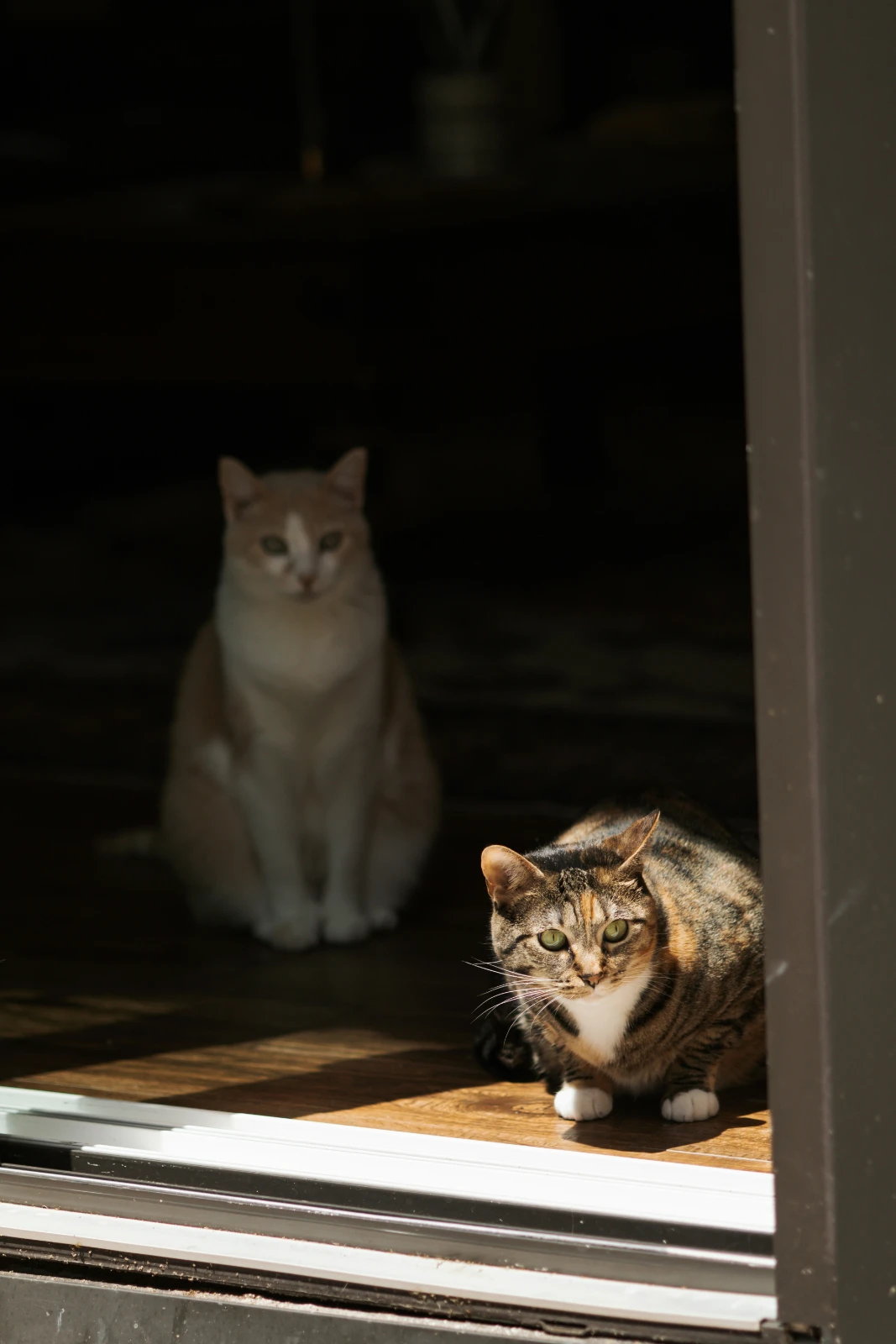
Featured photo: Two cats share a doorway with space between them. A still photograph cannot establish their relationship. Photo: Patrick / Unsplash.
Prepared with AI assistance and reviewed against the sources above.