Animalia may earn a commission from qualifying purchases through affiliate links, at no extra cost to you. This guide currently contains no active affiliate purchase links. Our picks are not paid placements.
The best cat litter for odor control is one your cat accepts and you can keep clean. Start with unscented clumping litter, then compare material, carrying weight, and tracking. Cats Protection advises avoiding scented litter. No product replaces regular waste removal, and a sudden change in urination needs veterinary advice.
- Best overall starting point: Dr. Elsey’s Ultra Unscented . Unscented clay for a household that wants to scoop urine clumps.
- Corn option for a larger granule: World’s Best Low Tracking & Dust Control . Compare its texture with your cat’s current litter.
- Lightweight grass option: SmartCat Unscented Clumping Grass . A carrying alternative when tracking is an acceptable trade-off.
- Clumping wood option: ökocat Original Premium . For a cat that accepts wood fiber and its natural smell.
- Budget non-clumping option: Feline Pine Original Non-Clumping . For pellet users comfortable with a different cleaning routine.
When comparing the best cat litter for smell, choose a cleaning format before a brand name. Animalia has not tested these litters, and a litter that already works need not be changed.
Compare five odor-control litter options
The bands compare ordinary one-time prices per pound on the checked bag variants: $ is under $0.75, $$ is $0.75–$1.50, and $$$ is above $1.50. Price references: clay, corn, grass, wood, pine. These are not monthly budgets. Prices change; check the retailer, bag weight, and delivery cost. Stock and specifications were checked October 29, 2026.
| Product | Best for | Material and format | Price band | Main pro | Main con |
|---|---|---|---|---|---|
| Dr. Elsey’s Ultra Unscented | Everyday clump removal | Natural clay; unscented; clumping | $ | Familiar scoop-and-top-up routine | Heavy bags; dust experience varies |
| World’s Best Low Tracking & Dust Control | Corn with larger granules | Corn-based; unscented; clumping | $$ | Larger-granule alternative | Texture and natural corn smell differ from clay |
| SmartCat Unscented Clumping Grass | Lighter carrying | Grass; unscented; clumping | $$ | Light material without added perfume | Tracking is a recurring buyer complaint |
| ökocat Original Premium | Wood with scoopable clumps | Wood fiber; no artificial fragrance; clumping | $$$ | Wood option without giving up clumps | Wood smell and scattered particles may be unwelcome |
| Feline Pine Original Non-Clumping | Budget pellet care | Natural pine; no synthetic perfume; non-clumping | $ | Low checked unit-price band | Urine does not form removable clumps |
How we chose these cat litters
We selected these products through research, not hands-on testing. Animalia Editorial used Cats Protection and Battersea guidance on scent, texture, cleanliness, and access to set the criteria. We checked five current Chewy product listings against the makers’ material and clumping descriptions. We favored unscented choices, useful format differences, and practical reasons to choose or skip each formula.
We also read visible verified-purchase feedback for recurring cautions about tracking, dust, and cleaning. Those reports are anecdotes, not defect rates or controlled comparisons. For example, several grass-litter buyers described tracking despite liking the clumps. We used that pattern as a question to check at home, not proof of how the litter will perform for every cat. Stock photos illustrate litter-box care; they do not show our product tests.
How do you choose the best cat litter for odor control?
Choose a texture your cat will use, a cleaning method you can maintain, and a bag you can handle. Compare those needs before odor claims. Battersea recommends soft, unscented litter and a comfortable tray. A fragrance that pleases a person may still make the box less inviting to the cat.
Start with scent, texture, and the individual cat
Unscented does not mean a material has no smell: pine can smell like wood, while corn or grass can have a grain smell. Check the exact formula rather than the brand name, because similar bags may contain scented or unscented litter. If the new texture changes box use, restore a familiar option and speak with your vet about the change.
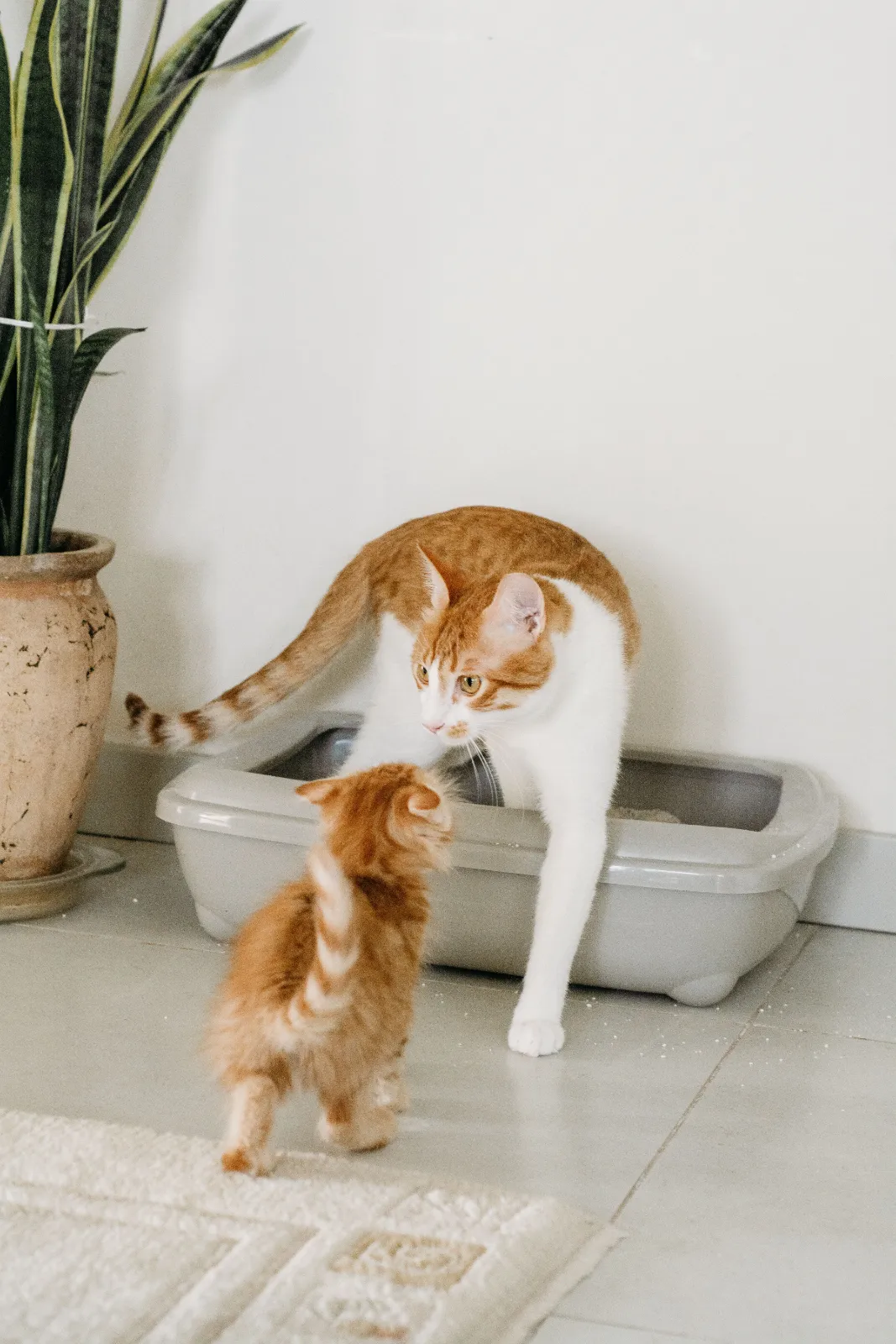
The best unscented cat litter still needs waste removal and an accessible tray with room to turn. Our small-apartment litter-box setup covers space planning without hiding the box where it becomes hard to inspect.
Match the material to the cleaning task
Clay, corn, grass, wheat, wood, silica, and tofu-based litters vary, so check clumping and cleaning directions. Do not assume every wood product behaves like pine pellets or every plant-based litter suits an automatic box.
Clumping litter lets you remove soiled clumps, while non-clumping pellets need their own waste-removal and replacement routine. Check scoop openings and the box maker’s litter requirements before buying a large bag for either method.
Some silica/crystal formulas absorb urine without forming clumps, so their routine involves removing solids and stirring, as manufacturer instructions illustrate. By contrast, wheat and corn examples form scoopable clumps. Compare each formula’s cleaning directions and texture rather than treating these materials as interchangeable.
For tofu-based litter, check ingredients, pellet or granule shape, whether it clumps, and both litter and box manuals before buying. These checks do not establish universal tofu properties. Introduce changes gradually while keeping a familiar accepted option available.
Treat dust and tracking as observations
A maker’s low-dust or low-tracking label does not promise a dust-free room or clear floors in your home. Pour carefully and note residue on paws, and watch whether particles spread into rooms beyond the box. Our list does not approve litter for a breathing problem; ask your vet about coughing, trouble breathing, or other symptoms.
Plan a clear approach and room to sweep, then choose the whole setup for your cat. A taller tray may contain scatter but be harder for an older cat to enter comfortably.
Check the cost of the routine, not just the bag
Compare the same formula and bag size, including shipping and the amount you discard during regular cleaning. Animalia recommends recording top-ups and full changes before deciding which bag is cheaper each month.
Estimate your budget by dividing delivered bag cost by the days it actually lasts, then scaling to your budget period. Add recurring supplies such as waste bags, and use your own record rather than a maker’s lifespan claim.
Five picks and who should skip each
These choices come from checked materials and formats, while results still vary at home with each cat.
Dr. Elsey’s Ultra: an everyday clay starting point
Dr. Elsey’s Ultra Unscented is our best overall starting point for a cat already comfortable with clumping clay. Dr. Elsey’s describes natural clay without perfumes or deodorants. The reason to shortlist it is the straightforward clump-removal routine and low checked unit-price band, not a claim that we measured the strongest odor control.
- Pros: no added perfume; scoopable clumps; suitable for comparing ordinary clay care costs.
- Cons: a large clay bag is heavy; published dust claims do not guarantee your experience.
- Skip it if carrying clay is impractical, your cat avoids the texture, or your vet recommends a different material.
Follow the current fill and scooping directions, then put used clay in the trash as the maker instructs. Do not flush it.
World’s Best Low Tracking: a larger-granule corn option
World’s Best Low Tracking & Dust Control is a corn-based clumping option for someone comparing a larger granule with fine clay. The manufacturer identifies the Low Tracking & Dust Control formula as unscented and made with whole-kernel corn. Check the full name: other formulas from the same brand have different scents and granules.
- Pros: no added perfume; clumping format; larger granules offer a specific texture alternative.
- Cons: a texture change may not suit your cat; the material can have a natural corn smell.
- Skip it if your cat rejects the texture, eats litter, or the box manufacturer does not permit this formula.
Try a small supply alongside familiar litter, because the low-tracking claim does not guarantee a clear floor.
SmartCat Grass: lighter material with a tracking caution
SmartCat Unscented Clumping Grass suits an owner prioritizing lighter handling while retaining a clumping routine. Pioneer Pet describes its grass formula as fragrance-free. It is distinct from the brand’s corn-and-wheat and lightweight-clay products. Verify the bag rather than assuming all SmartCat litters have the same material.
- Pros: grass-based material; no added fragrance; clumping rather than a pellet-sifting routine.
- Cons: tracking recurs in visible verified-purchase feedback; light material can be kicked out.
- Skip it if scattered litter is already your main problem or your cat samples litter as food.
The maker’s FAQ acknowledges scatter with lightweight material, so plan cleanup without making the tray harder to enter.
ökocat Original: wood fiber that forms clumps
ökocat Original Premium is a wood-fiber alternative for a household that wants to keep scooping clumps. Healthy Pet describes Original Premium as clumping natural wood without artificial fragrance. It has a natural wood scent; that is a reason to trial it carefully if your cat or household dislikes material smells.
- Pros: wood-based material; clumping cleanup; no artificial fragrance.
- Cons: the wood smell may be unwelcome; tracking and dust experiences vary in buyer feedback.
- Skip it if your cat avoids wood texture or you expect the Original formula to behave like a low-tracking pellet product.
Original Premium, Super Soft, and Low Tracking are separate choices, so do not transfer claims between formulas.
Feline Pine Original: a budget non-clumping option
Feline Pine Original Non-Clumping is a budget-band option for a cat that accepts pine pellets and an owner comfortable with their cleanup. The maker describes natural pine without synthetic perfumes. This is the Original Non-Clumping formula, not a promise that pine is the right material for every cat.
- Pros: no synthetic perfume; pine-based material; low checked price-per-pound band.
- Cons: urine does not form scoopable clumps; pellet texture and pine smell differ from fine clay.
- Skip it if you want to remove urine as clumps or your cat refuses pellets.
Follow the gradual transition directions, because a low purchase price is poor value if your cat avoids the box.
What should you change before buying another bag?
Check waste removal, the tray itself, access, and changes in your cat before blaming the litter. Battersea advises daily scooping and regular tray washing to keep the space clean and easy to use. Fresh litter cannot correct an inaccessible or rarely cleaned box, and a sudden toileting change needs veterinary advice.
| What you notice | Useful next check | What to avoid |
|---|---|---|
| Odor despite scooping | Check wet fragments, tray surfaces, and the actual replacement routine | Adding fragrance while soiled material remains |
| Particles around the home | Record where scatter begins and whether the approach is easy to clean | Assuming every low-tracking label means zero scatter |
| A cat hesitates after a switch | Restore familiar litter access and review texture and scent | Forcing the cat into the new litter |
| One cat is blocked from a box | Review separate locations and access routes | Calling a multi-cat formula a substitute for resources |
For shared homes, use our multi-cat resource layout to review access. Follow the litter-box cleaning routine for the care plan. These checks remain useful even if you buy none of the products above.
When does odor need veterinary advice?
A sudden strong urine smell or a change in urination deserves a call to your vet. Pain or blood also needs prompt advice. Repeated straining with little or no urine requires immediate emergency veterinary care, as Cornell explains. Do not try another litter or additive while waiting.
Note what changed and whether your cat is producing urine, then share that information with your vet. Never punish accidents or force the cat into a tray.
FAQ: choosing odor-control litter
What is the best clumping litter for odor control?
Start with an unscented type your cat accepts and that lets you remove soiled clumps without breaking them. Dr. Elsey’s Ultra is our default clay choice based on research, rather than a test ranking. Keep a litter that already works and review the cleaning routine before looking for a universal winner.
Should I buy a cat litter deodorizer?
Remove waste and check the cleaning routine before adding anything to the litter to cover a smell. An additive leaves soiled material in place, and a strong fragrance can make the box less appealing. This guide does not recommend a deodorizer; ask your vet about sudden odor or toileting changes rather than masking them.
Is unscented litter completely odorless?
Unscented means no added fragrance rather than no material smell, so wood, corn, and grass may smell different in the bag. Used litter still needs cleaning, and a scent you like does not prove the cat likes it. Try a small amount while watching normal box use, with a familiar option available during the change.
Can I use these litters in an automatic box?
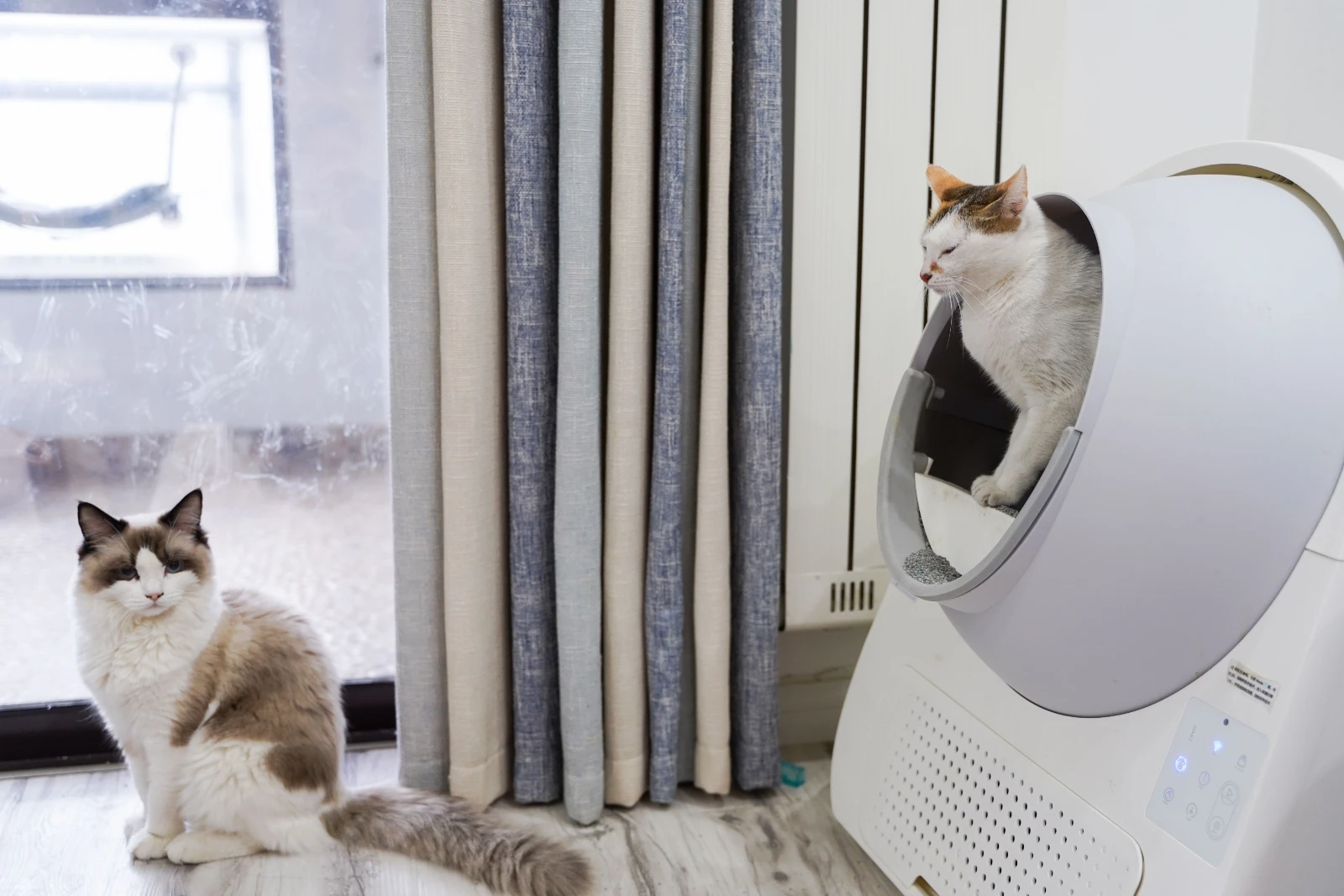
Check the exact box manual and litter type, because broad labels such as clay or corn are not enough. A machine may need a certain format, clump behavior, or grain size for its cleaning cycle. Our list is not a promise of fit; ask the maker before ordering if the instructions are unclear.
How do I switch without putting my cat off the box?
Keep familiar litter available and make a gradual change using the directions for the type you choose. Leave the tray and location alone while changing litter, so a new problem is easier to trace. Watch actual box use, and restore a familiar option while calling your vet if avoidance or discomfort follows.
Choose a workable routine, then a formula
Animalia recommends beginning with the litter-box care routine, then choosing a format that fits your cat and your cleaning task.
Sources and editorial notes
- Cats Protection: toileting; Battersea: tray setup.
- Cornell: urinary emergencies.
- Maker references appear with each pick; retailer references appear with the price bands. Last checked: October 29, 2026. Prices change. References have no affiliate tags.
Animalia Editorial. Publication date: October 30, 2026. Source and product checks: October 29, 2026. This guide reports research, not hands-on testing or a veterinary review. Product names have no active affiliate purchase links. Editorial Policy and affiliate disclosure.
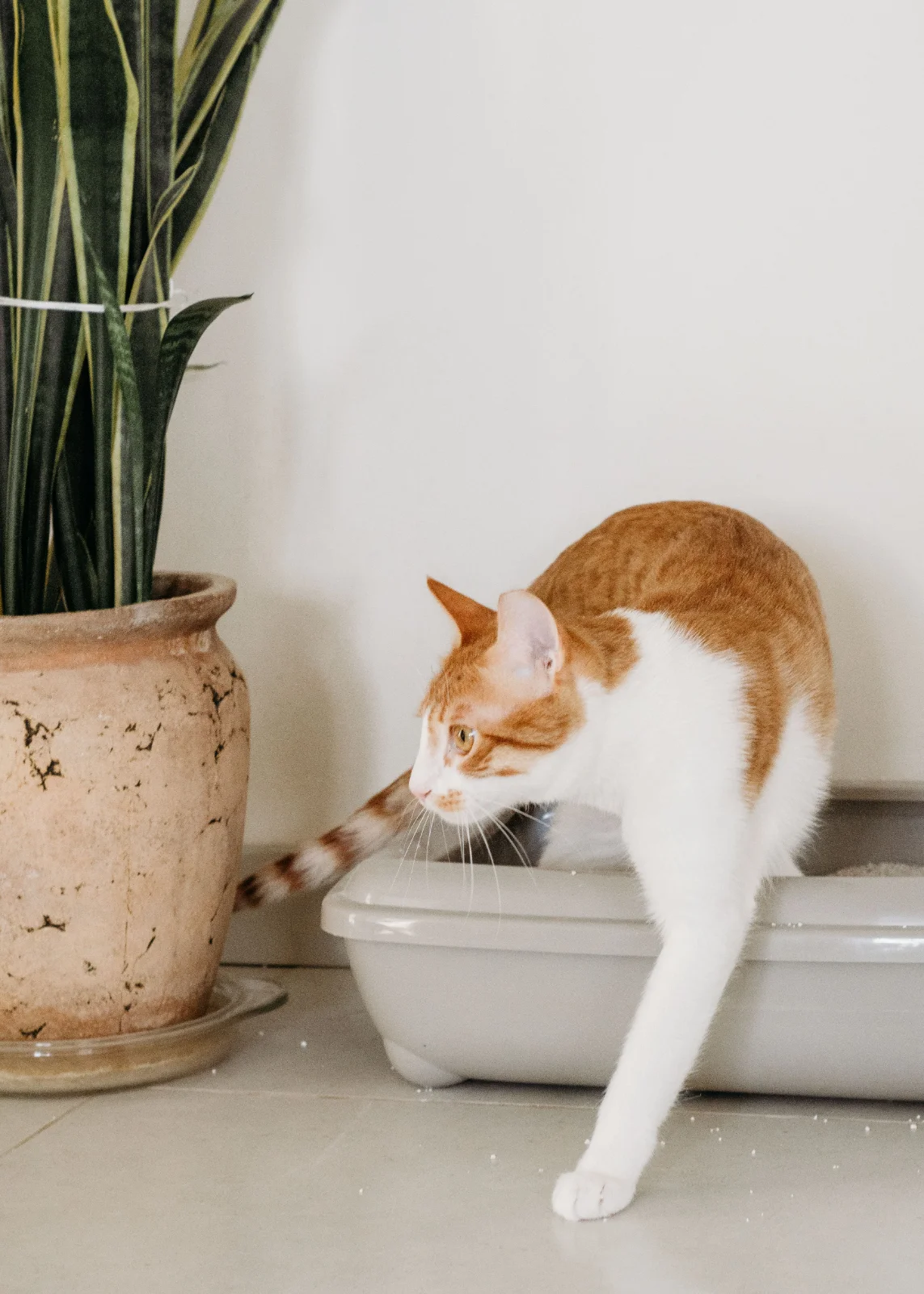
Featured photo: A cat steps out of an open litter tray. Stock illustration, not a photograph of our product tests. Photo: Nadiye Odabaşı / Pexels
Prepared with AI assistance and reviewed against the sources above.