Yes, female cats can spray urine, whether spayed or unspayed, according to Cats Protection. Spraying leaves a scent message and may relate to reproductive behavior or feeling insecure. New indoor urine marking still needs a vet check, because you cannot safely identify the cause from the cat’s sex or the stain alone.
Why would a female cat spray?
Spraying leaves a scent message. It is not limited to male cats. A female who has not been spayed may spray while in heat. A spayed female can mark for other reasons. Changes at home, another cat, or pain may play a part. The same reason will not fit every case.
Cats Protection explains that females in heat can spray and that stress may also contribute. That does not mean hormones cause every mark, or that the cat is upset with one person. Urine on a new bag or doorway is not evidence of revenge.
A cat living alone can mark too. VCA describes triggers including outdoor cats, changes in routine, and physical discomfort. Note what changed around the time it began. Even if you spot a likely trigger at home, the cat still needs a health check. Health and the home may both need changes.
Can you tell spraying from ordinary urination?
A spraying cat often stands near a wall with a raised or quivering tail, leaving a little pee. A cat who pees to empty the bladder more often squats and leaves a puddle. However, VCA notes that a cat can leave marks on flat surfaces too. The shape or place of a stain cannot tell you the cause.
Use this editorial table to make useful notes for your vet. It cannot rule out a health problem. If you see straining with little or no pee, stop the home checks and call an emergency vet.
| What you notice | What to record | What it cannot prove |
|---|---|---|
| Small marks near a wall or doorway | Location, time, and posture if seen naturally | That the cause is purely behavioral |
| Urine on a horizontal surface | Size and site, without guessing intent | That marking is impossible |
| Marks near a window | Whether another animal was visible | That an outdoor cat is the only cause |
| Several cats share the room | Who uses which routes and resources | Which cat left a stain unless observed |
| Repeated attempts with little or no urine | Tell the emergency clinic immediately | That this is harmless spraying or constipation |
If more than one cat lives in the home, do not blame one based on sex or their usual mood. Watch normal daily life to see who is involved. Do not shut a cat away as punishment or try to make them spray for a video.
Check health before treating this as a behavior problem
Book a vet visit for new or ongoing pee marks indoors or peeing outside the litter box. Cats Protection recommends a veterinary check as the first step. Explain when it began, where pee appears, and how the cat stood if you saw it. Note changes in drinking, eating, comfort, or litter box use.
Emergency signs: If your cat strains repeatedly and passes little or no urine, contact an emergency vet immediately. Do not wait overnight or assume a female cat cannot have a serious problem passing pee. Cornell describes urinary obstruction as a true emergency. Call your vet promptly for pain, crying, blood, or frequent trips too.
Do not press the belly, try to squeeze pee out, or start home treatments. A stain, smell, litter color, or online list cannot tell you the health cause. Follow the clinic’s advice about the visit and getting the cat there. Discuss behavior help once urgent health needs are under care.
If you are finding urine on bedding, our guide to a cat peeing on the bed focuses on that situation. Keep the veterinary check first, even when the surface looks different from a usual spray mark.
Will spaying stop female spraying?
Spaying may reduce spraying linked to mating, but it does not promise that all marks will stop. A spayed cat can still mark when other factors are involved. Tell your vet whether the cat is spayed and ask about timing if needed. Check health, other pets, and access to daily needs too.
Avoid using a fixed rate from the internet to predict what your cat will do. Those figures may describe a different group or setting. Ask what your cat needs now. Do not assume spraying cannot happen after surgery.
If spraying continues after a health check, ask for a qualified feline behavior professional or veterinary behaviorist. Keep notes to help with the review. Do not assume more surgery, a supplement, or a calming product is the next step. Your cat needs a plan that fits them.
Reduce pressure around shared spaces
Cats Protection advises making it easier for cats to get to litter boxes, bowls, beds, and scratching spots without conflict. Put these in separate useful places, so every cat does not have to pass through the same narrow doorway. Our multi-cat resource guide explains how to think about routes and choice.
If marks cluster near an outside view, consider whether another cat appears there. A window covering may block that view without forcing the cats to meet. Do not scare outdoor cats or make your cat face the trigger to get used to it. Review changes with the person helping you.
Cleaning is part of the plan, but it cannot by itself explain or fix the cause. Use a urine-cleaning product suitable for the surface and follow its label, including keeping animals away until safe. The ASPCA advises avoiding ammonia-based cleaners. Do not mix cleaning products. See our litter box cleaning routine for routine care.
Never shout, spray water, or rub a cat’s nose in urine. The ASPCA also advises against rubbing a cat’s nose in urine or throwing things at them. Maintain quiet hiding places and a predictable play routine while you work with your vet on the wider problem.
FAQ: female cats spraying
Can a spayed female cat spray urine?
Yes. Spaying does not remove every reason a cat might mark with urine. Feeling threatened, changes in the home, or discomfort may still be relevant. Arrange a vet check for new or persistent indoor marking rather than assuming the procedure failed. A behavior plan should reflect the individual cat and their current surroundings.
Is female cat spray different from normal pee?
Spraying uses urine to leave a scent message. It often leaves a small amount on a vertical surface, while toileting usually involves squatting and a larger puddle. These are useful clues, not a medical test. Marking can also occur horizontally, and any persistent urination outside the box needs veterinary assessment.
Does spraying mean my female cat is in heat?
An unspayed female may spray during heat, but spraying alone cannot establish that explanation. Spayed cats can spray too, and health or environmental issues may be involved. Tell your vet the cat’s spay status and other changes you have noticed. Do not use a behavior label to skip assessment of a new problem.
Can a female cat have a urinary emergency?
Yes. Do not use sex to decide that repeated straining with little or no urine can wait. Contact an emergency vet immediately if this happens. A cat’s urinary signs can have several causes, and you cannot distinguish them from posture alone. Avoid home treatments and follow the clinic’s instructions for getting care.
Should I stop my cat when I catch her spraying?
Do not shout, grab, startle, or punish her. Keep the situation calm and note what happened without forcing a repeat. Clean the area safely later and continue the health and behavior plan. If marking persists, ask your vet about qualified behavior support instead of escalating deterrents or relying only on cleaning.
Start with health, then use the location and timing of marks to make the home plan more specific. Do not use the cat’s sex to guess the cause. Browse Animalia’s cat care guides for related space and routine ideas.
Sources and editorial notes
- Cats Protection: Cats and spraying
- Cats Protection: Behavior focus, spraying
- VCA: Cat behavior problems, marking and spraying
- Cornell: Feline lower urinary tract disease
- ASPCA: Urine marking in cats
Animalia Editorial. Last reviewed: October 22, 2026. The tables and worked examples are editorial planning aids, not a diagnosis or reported result. See the Animalia Editorial Policy.
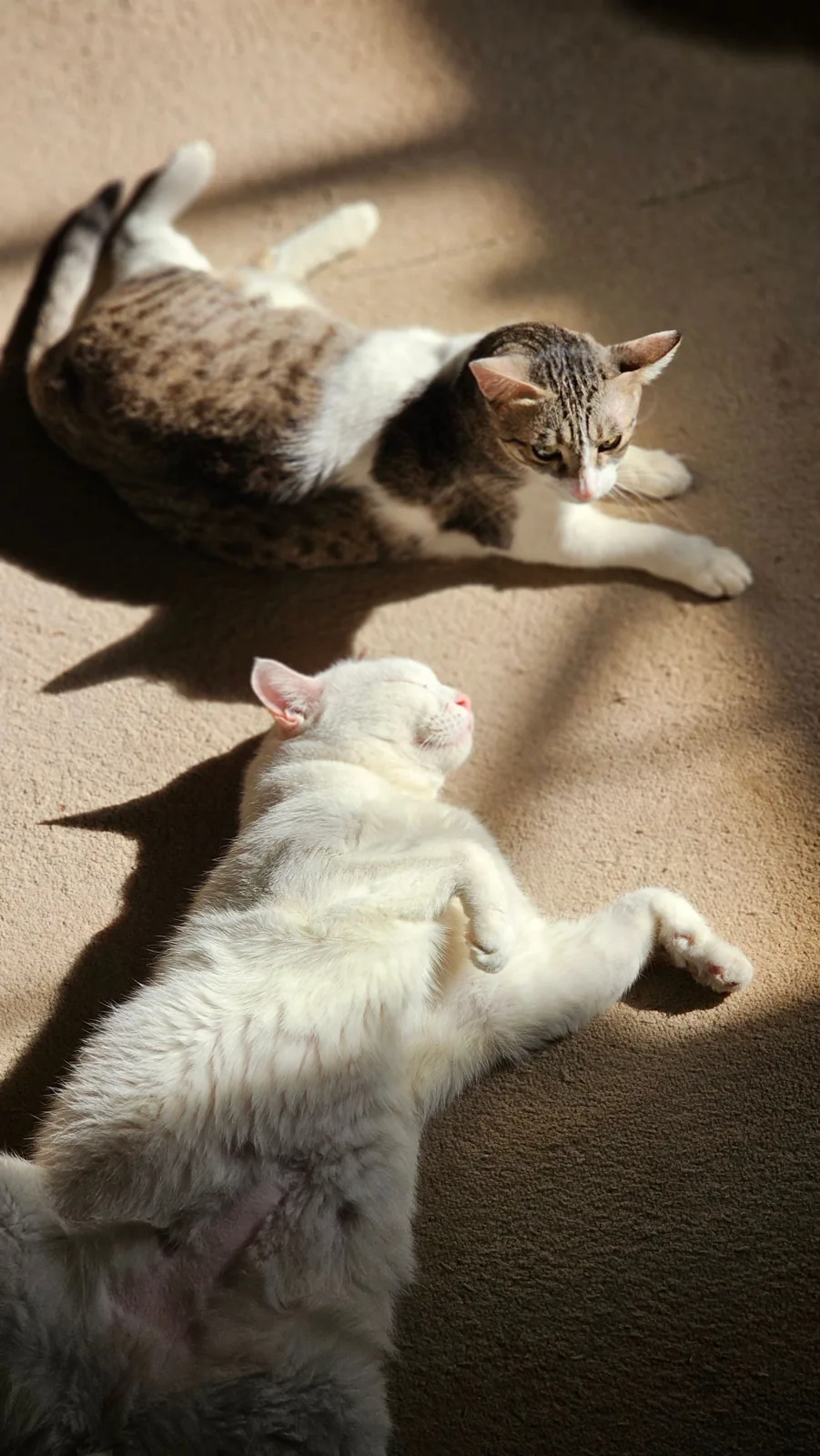
Featured photo: A cat beside window blinds. This photo does not show urine spraying, and the cat’s sex is not established. Photo: Trev W. Adams / Pexels.
Prepared with AI assistance and reviewed against the sources above.