Cats may chirp or chatter while watching birds or other small animals, with excitement or frustration among the possible explanations. A softer chirrup or trill can also occur during a greeting. Cats Protection says the reason for prey-directed chattering is uncertain. Check the setting and your cat’s wider behavior instead of translating one sound into a definite message.
Why do cats chirp at a window, then make a similar noise when you walk into the room? Owners often use the same word for different sounds. Animalia’s guide starts with what you can observe, so your response can fit the cat and situation rather than a rigid sound dictionary.
What is the difference between a chirp, chatter, and trill?
Owners use these words in overlapping ways, but rapid clicking with mouth movement while watching prey differs from a softer greeting-like chirrup. Listen while noticing the target, posture, and what happened just before the sound. The name you choose is less useful than a clear description of the whole event and your cat’s usual pattern.
The Meowsic researchers classified trills and chirrups separately from prey-directed chirps and chatters in their recording study. That classification helps explain why everyday descriptions can be confusing. It does not supply an exact translation for each sound or prove what your own cat is feeling.
| What you observe | A possible context | A helpful response |
|---|---|---|
| Clicking or chirping toward a bird | Interest in prey; excitement or frustration are possibilities | Keep wildlife separated and offer chosen toy play |
| A soft trill while approaching you | Social contact or a familiar greeting | Allow the cat to choose proximity; check the wider signals |
| Sounds during a game | Interest in the moving toy | Keep play voluntary and hands outside the game |
| A new or much increased pattern | A change that needs investigation | Contact the vet rather than assuming a new personality trait |
The table organizes observations; it does not diagnose or reliably identify an emotion. If your cat walks away, leave them room to do so regardless of the sound. For a broader approach to context, see the cat behavior and care hub.
Birds, bugs, and the uncertainty around hunting theories
You may notice your cat staring at something outside, then making a series of small mouth movements and noises. Cats Protection describes excitement and frustration as possible explanations. It also discusses other theories, while emphasizing that we do not know the reason for certain.
Claims that every household cat is copying a bird, rehearsing a killing bite, or asking permission to go outside are too certain. A similar sound does not prove mimicry, and a focused stare does not reveal one exact feeling. Do not open the window or put prey within reach to test a theory.
Watch what happens naturally. Did the sound begin when something moved outside? Does your cat return to ordinary activity, choose a toy, or remain tense? A short factual note is enough. You do not need to replay bird sounds, move a live animal, or hold your cat at the glass to gather evidence.
Our cat window-perch planning guide covers safe access, support, and the surrounding space. Check the actual window and installation; a viewing place is useful only when the boundary is secure and the cat has a clear way to leave.
Why does my cat chirp or trill at me?
A greeting-like chirrup can occur when a cat approaches a person, while familiar routines or interest in an activity may also shape the encounter. It does not automatically mean the cat wants lifting, stroking, or food. Notice whether they choose to stay close, move toward something, or leave when you pause your response.
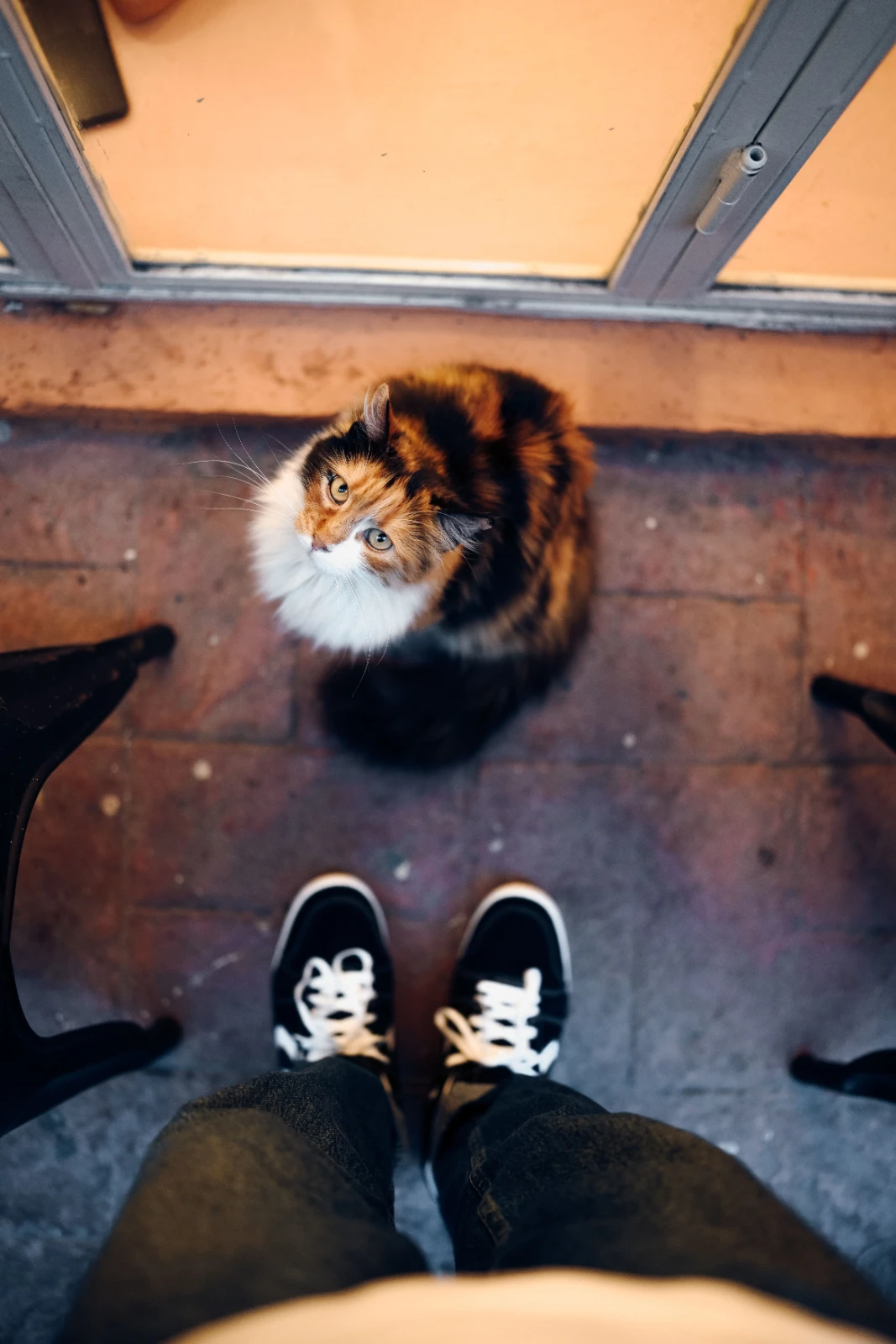
If the cat comes to you, offer a choice rather than reaching immediately. Our guide to chosen cat contact explains how to pause during touch. A sound made near your hand is not a reason to continue when the cat turns away or their body becomes tense.
Cats Protection recommends reading the body and context together. Pay attention to movement, posture, and changing distance rather than relying on one eye, ear, tail position, or sound. If you are unsure what the cat wants, giving space is a reasonable response.
Keep household descriptions factual. “Approached the cupboard and made two short sounds” is more useful than declaring that the cat gave an order or expressed love. The cat-care household log can help caregivers compare a changing pattern without each person testing a different interpretation.
Offer safe activity and investigate changed patterns
When your cat chooses to play, offer a suitable toy they can stalk and catch, keeping skin outside the game. Cats Protection recommends toy play as an alternative to watching unreachable wildlife. Use the daily cat play routine to plan ordinary opportunities without demanding a particular noise or performance.
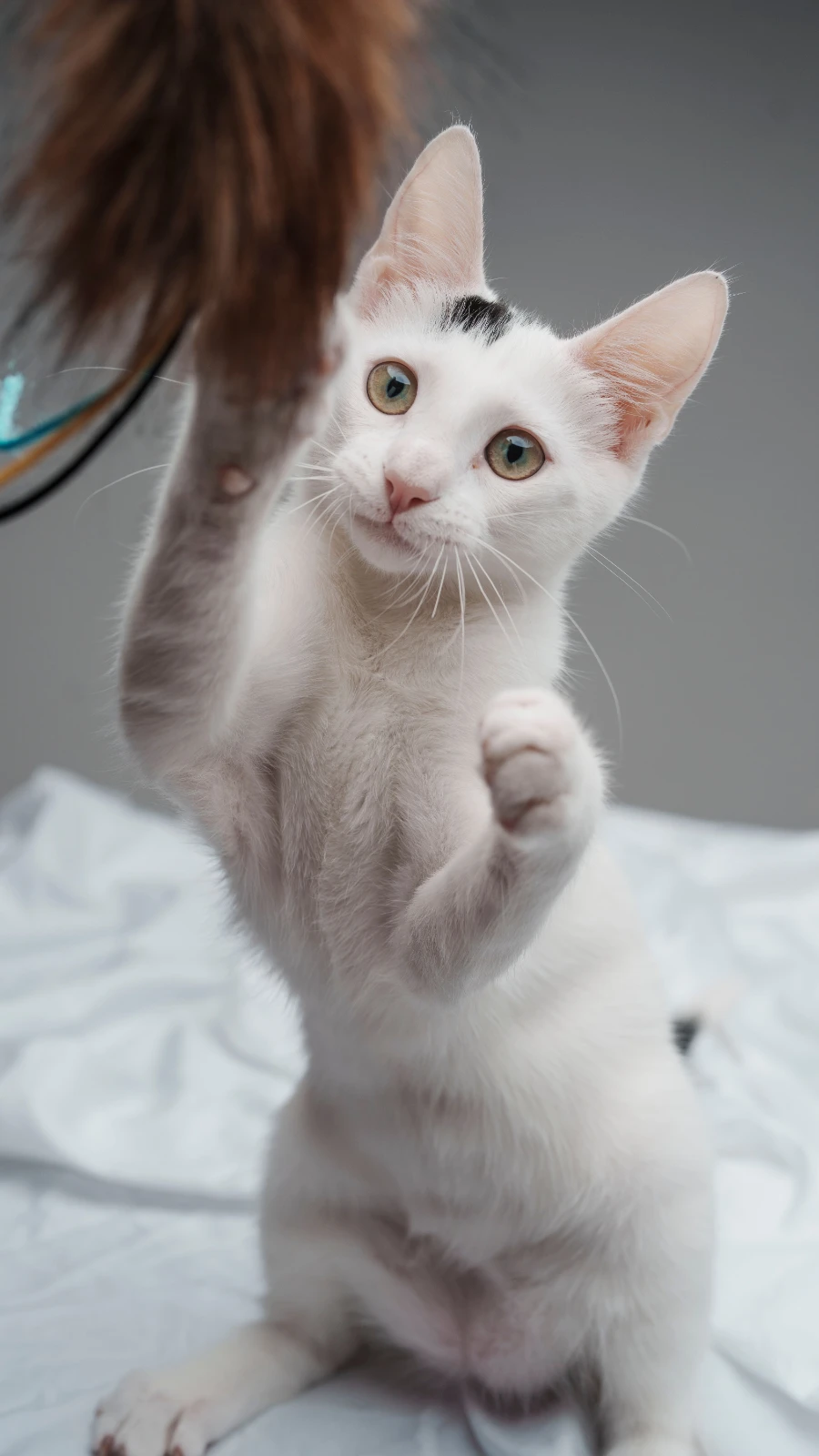
Inspect equipment and put string toys away after the supervised game. Let the cat stop, and avoid moving a toy into their face to provoke a response. Quiet engagement is a valid outcome even if you never hear a chirp. There is no need to train every cat to make the sound.
If watching outside repeatedly seems difficult, consider reducing that view while preserving comfortable alternatives and the ability to move away. Do not tap the glass, startle the cat, spray water, or scold them for making a normal sound. Persistent distress deserves a discussion with your vet and, where appropriate, qualified humane behavior support.
Cats Protection advises a veterinary check for new or much increased chattering. Tell the team about changes in eating, movement, grooming, or other daily habits as well. Avoid deciding that a new sound is harmless simply because it resembles a familiar internet video.
Frequently asked questions
Why do cats chatter at birds they cannot reach?
Excitement or frustration are possible explanations, but there is no single confirmed reason for every cat. The visible context is more certain: the cat is watching an animal and making sounds or mouth movements. Keep the boundary secure and offer appropriate chosen activity. Do not release the cat toward wildlife to find out whether the sound stops.
Does cat chirping always mean happiness?
No sound alone can establish one emotion or permission for contact. Look at the setting, the cat’s posture and movement, and whether they choose to remain nearby. A greeting-like trill differs from repeated clicking while watching prey. If the pattern changes, persists in an unfamiliar setting, or comes with other concerns, ask your veterinarian rather than interpreting it as happiness.
Is my cat trying to imitate birds?
Mimicry is a proposed explanation, rather than a demonstrated meaning for every household cat’s chatter. A noise that resembles a bird is not enough to prove the cat is intentionally copying or luring it. You can respond usefully without settling the theory: protect wildlife, maintain a secure viewing boundary, and offer suitable toy play if your cat chooses it.
Should I chirp back to my cat?
You do not need to copy the noise or make your cat respond. Stay calm, avoid startling sounds, and let the cat choose whether to approach. If they move away or seem tense, stop. Shared quiet company or a chosen game can be worthwhile without a matching sound, and a vocal response would not prove an exact message was understood.
Is it a problem if my cat never chirps?
Cats differ in the sounds they make, and Cats Protection notes that not all cats chatter. The absence of this particular noise is not by itself a reason to provoke or worry your cat. Focus on their usual pattern and daily health. If a cat who normally vocalizes changes suddenly, describe that change to your veterinarian when seeking advice.
What is the most useful response to cat chirping?
Check the target, wider body signals, and whether this is your cat’s familiar pattern. Protect wildlife, allow chosen contact, and offer safe toy play when appropriate. If the sound is new or much increased, ask your vet about it. Animalia’s cat behavior hub helps connect observations with the next practical care step.
Sources and editorial notes
- Cats Protection: Chattering and chirping at birds
- Schötz, van de Weijer, and Eklund: Feline vocalization study, 2019
- Cats Protection: Reading cat body language
Animalia Editorial. Publication date: October 30, 2026. Sources checked October 29, 2026. See our Editorial Policy. This guide supports everyday care and does not provide veterinary diagnosis or treatment.
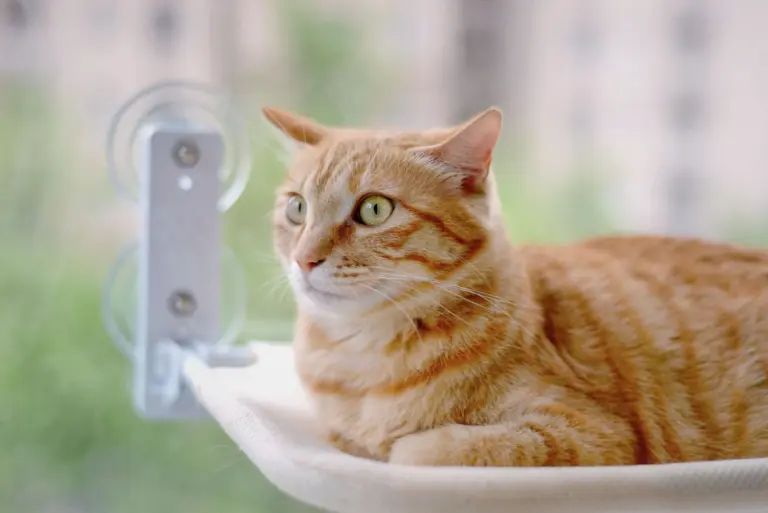
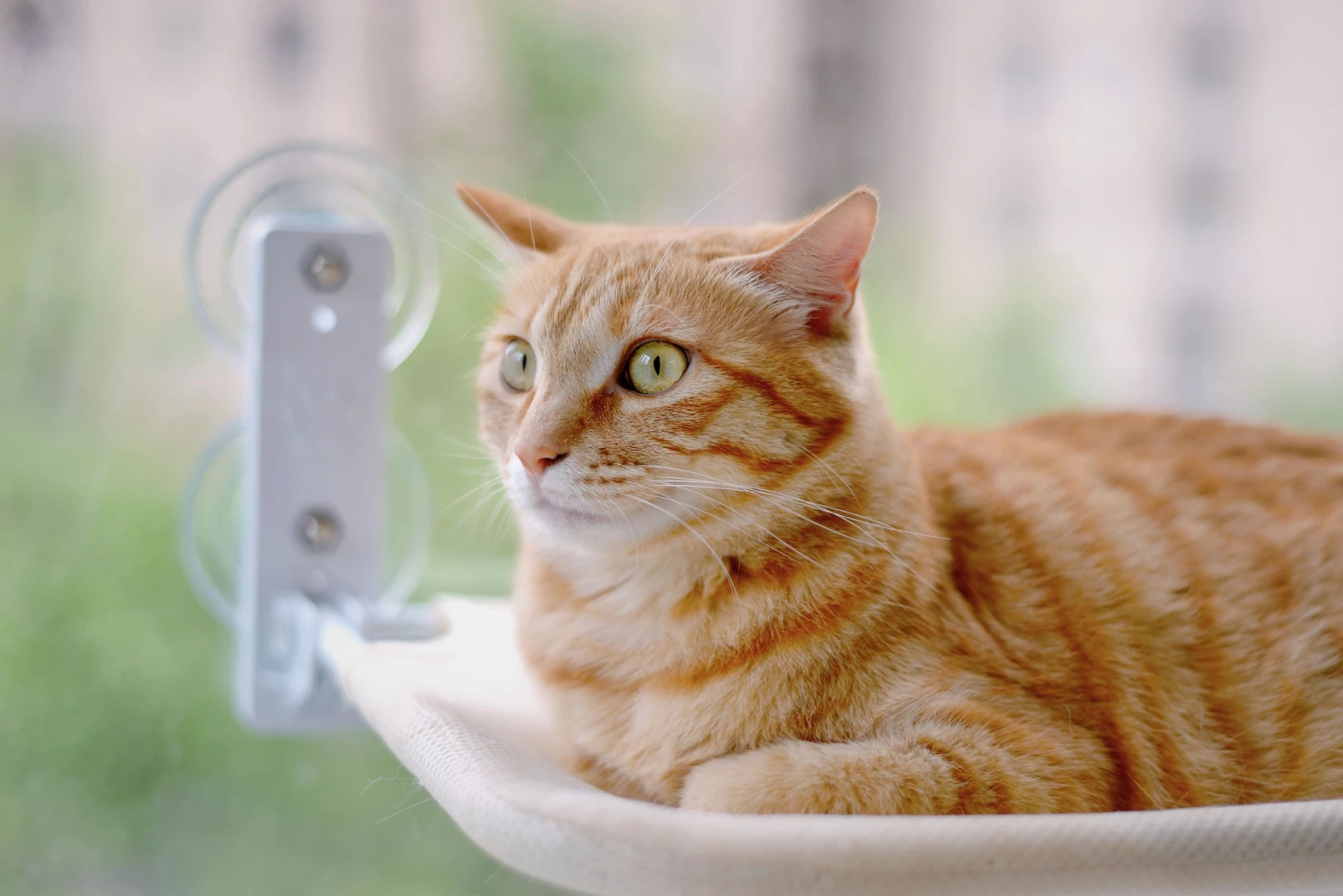
Featured photo: A ginger cat rests on a window hammock. The cat’s mouth is closed; this photo does not show chirping. Photo: 大 董 / Pexels.
Prepared with AI assistance and reviewed against the sources above.