A dog travel kit should support the ordinary care routine and the actual journey. Pack familiar food, suitable transport equipment, walking supplies, and accessible records. Confirm animal acceptance and current requirements with providers before departure rather than assuming a booking includes the dog.
Confirm the practical arrangements
Ask the transport provider and accommodation about equipment, access, animal policies, and documentation. Check the current requirements for the specific route. This general checklist cannot establish legal or cross-border compliance.
Discuss health, activity, and travel concerns with your veterinary team. Do not introduce medication or sedation based on a packing article. Keep any prescribed care instructions accessible.
Pack by care task
- Usual food and clear feeding instructions.
- Suitable bowls and access to water.
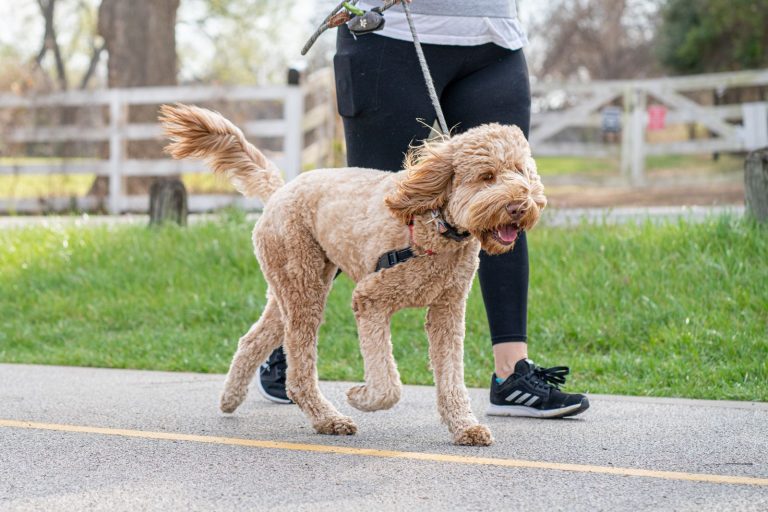
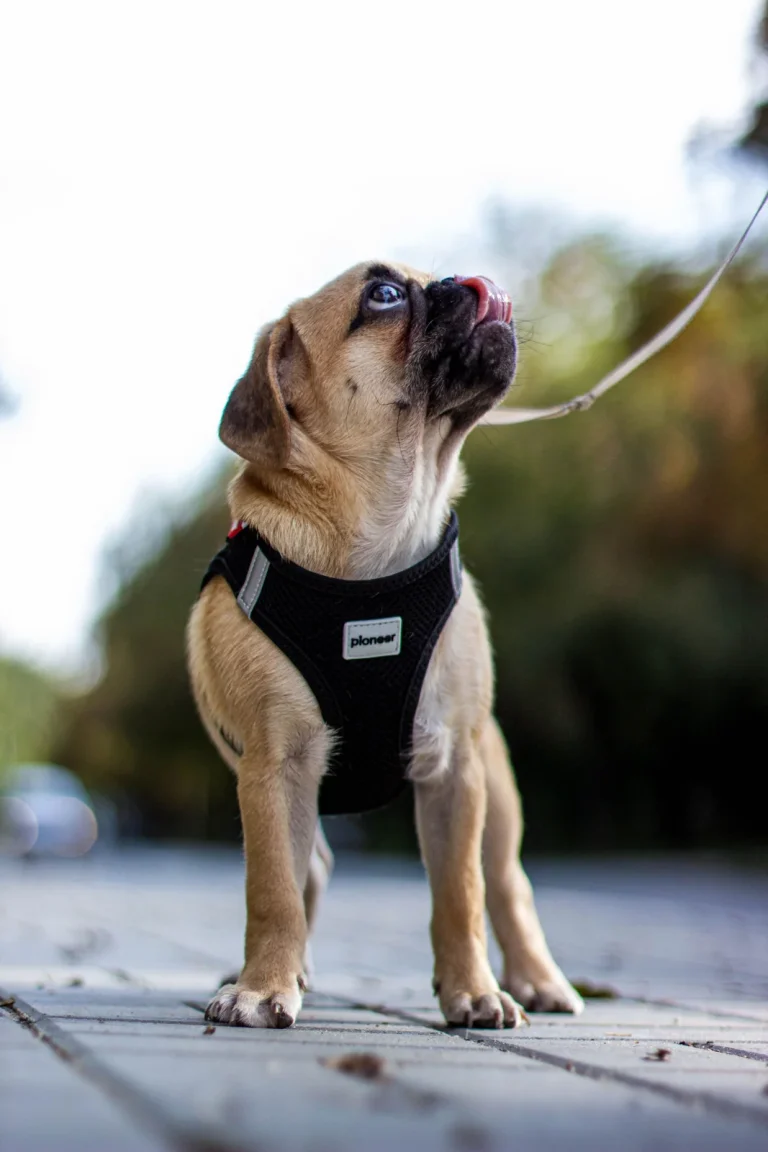
- Correctly fitted harness, collar, and leash as appropriate.
- Transport equipment required for the route.
- Waste bags and appropriate cleanup supplies.
- A familiar washable resting item.
- Suitable familiar toys for supervised use.
- Identification and care records as applicable.
- Owner, backup, and veterinary contacts.
Keep essential items reachable rather than under the heaviest luggage. A spare appropriate walking item may be useful if the normal one becomes damaged, but inspect and fit it before the trip.
Check equipment before departure
Review fastenings, stitching, closures, and condition. Follow manufacturer and provider instructions for transport equipment. A dog’s comfortable use at home does not prove that a product meets every transport requirement.
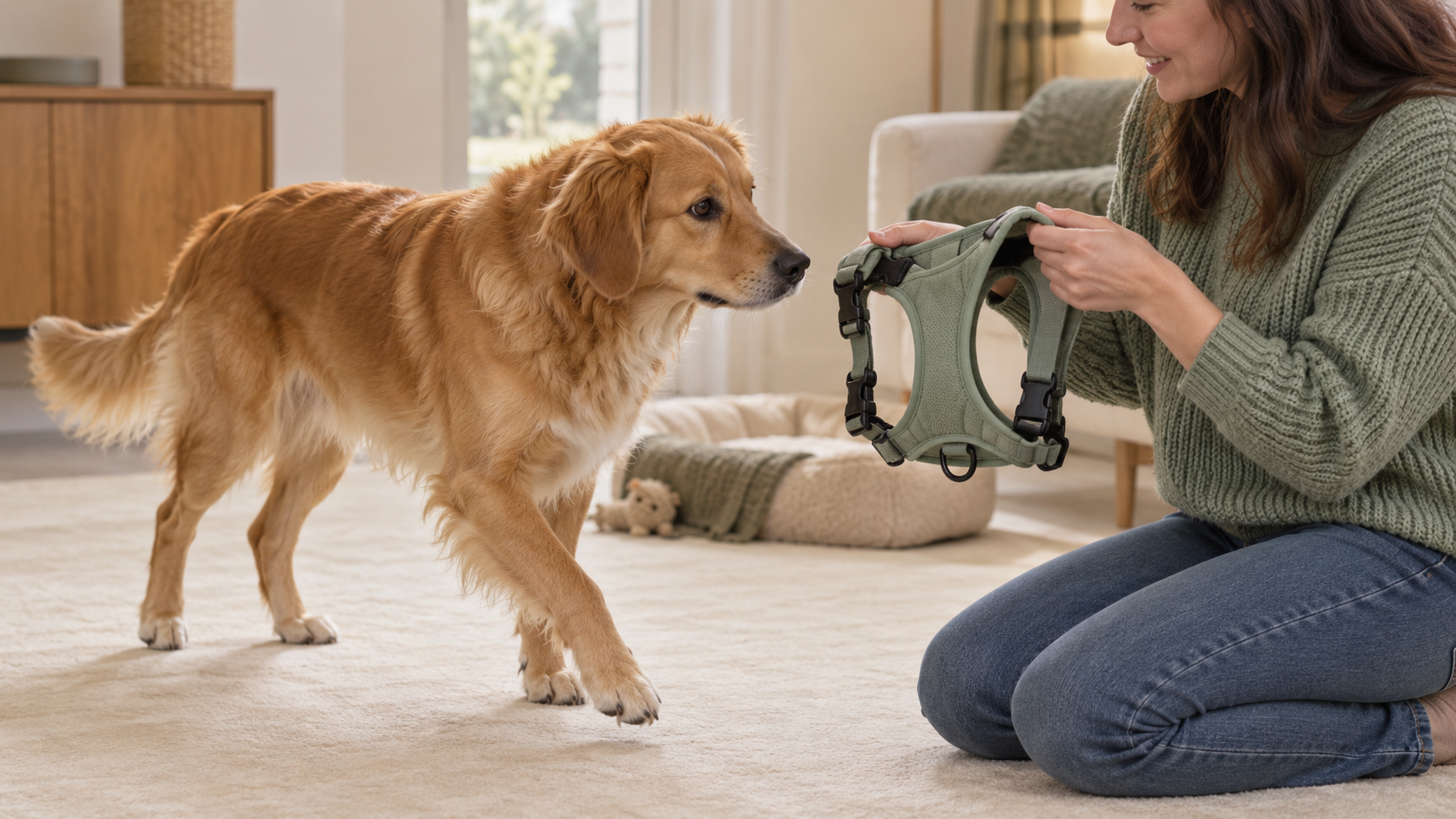
Practice ordinary equipment handling separately. Our harness introduction guide focuses on comfortable familiarization, not compliance certification.

Plan the destination routine
Locate appropriate bathroom opportunities, manageable walking areas, and a resting space. Review household doors and access rules before letting the dog explore. Avoid scheduling constant outings without time for rest.
Use the daily routine framework to adapt care, rather than copying your home timetable regardless of the destination.
Assign responsibilities
Agree on who handles equipment, supplies, and care at each stage. Give any temporary caregiver a concise care note. Keep records and contacts in a format available if a phone battery fails.
For a dog that finds travel difficult, discuss care alternatives and an individual plan before committing to the trip. Preparation includes deciding whether the journey is suitable.
Sources and editorial notes
General care context: Blue Cross: dog ownership guide. This is a packing and organization template, not route-specific legal advice, veterinary treatment, or a promise of stress-free travel.
Featured image: Illustrative harness introduction, generated with AI; follow equipment-specific fitting guidance.