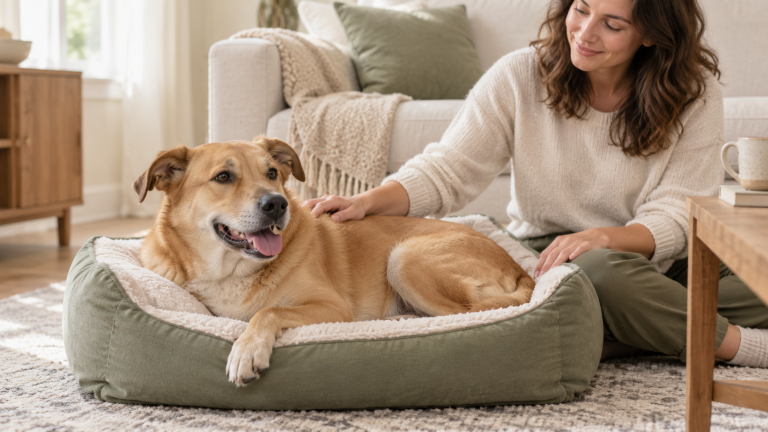
Build a puppy schedule around waking, toilet trips, meals, suitable play and learning, and quiet rest, then repeat that pattern through the day. The RSPCA recommends toilet opportunities after waking, meals, play, and excitement. Adapt the timing to your puppy and arrange the people who will provide care, including overnight support when needed.
| When | Starting plan | Caregiver check |
|---|---|---|
| On waking | Offer a toilet opportunity, then ordinary morning care | Who is ready to respond promptly? |
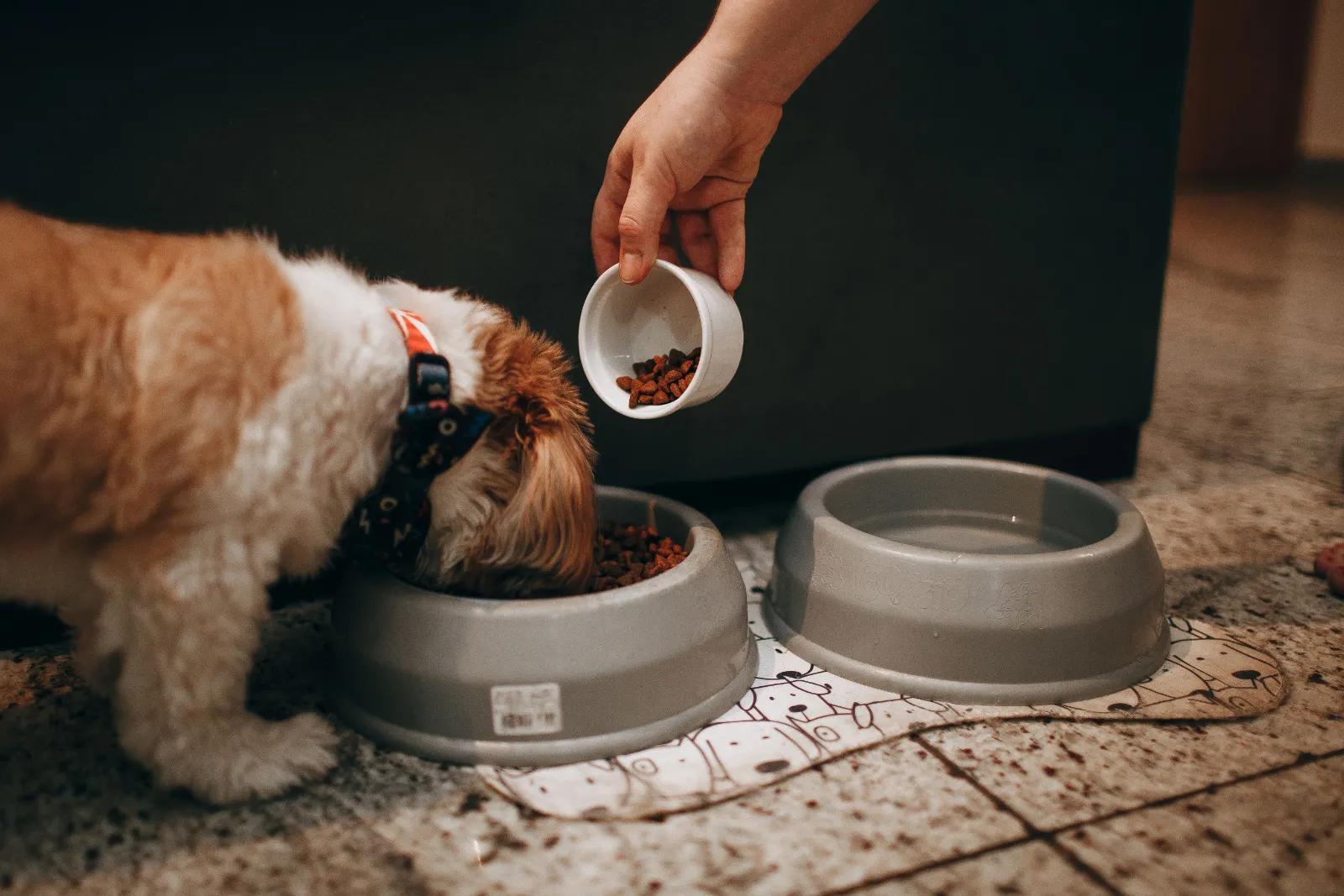
| At a planned meal | Follow the puppy’s feeding instructions and check water | Has another person already fed the puppy? |
| After eating or play | Offer a toilet opportunity and reward success | Is the toilet route ready and reachable? |
| During awake time | Supervise and offer suitable brief activity | Is the puppy comfortable with the current task? |
| For rest | Provide a suitable quiet place without disturbance | Who remains available if the puppy needs care? |
| After a nap | Return to the toilet-care part of the pattern | Is the next caregiver aware the puppy is awake? |
| Before bed and overnight | Arrange final care and responses to waking | Who will respond, and where are supplies? |
This is a flexible planning template, not a clock-based prescription. Animalia’s aim is a day that meets your puppy’s needs and that caregivers can actually follow. Keep food, water, rest, health, and supervision in view rather than treating a timetable as proof that every need has been met.
What belongs in a daily puppy schedule?
Include toilet opportunities, the puppy’s individual feeding plan, fresh water, suitable activity, company, and quiet rest. Organize those needs around events such as waking and meals, then assign a caregiver to each part. The plan should explain what happens next without requiring a puppy to wait through discomfort until a clock time arrives.
For that water part of the routine, our guide to how much water puppies drink explains rough intake ranges and a useful observation record. Water access and veterinary advice remain separate from a timetable for toilet trips.
The AKC organizes a sample day around meals, toilet trips, play, and naps. Use the broad pattern as a starting point rather than importing every instruction or time. A puppy in an apartment, a household with shift work, and a home with easy outdoor access may need different practical arrangements.
Separate a care routine from a training deadline. A young puppy can need help even when yesterday went smoothly, and a new experience can be difficult in an otherwise familiar day. The new puppy home checklist helps you prepare the supplies and responsibilities that make the schedule usable.
Use events to plan toilet trips and manageable activity
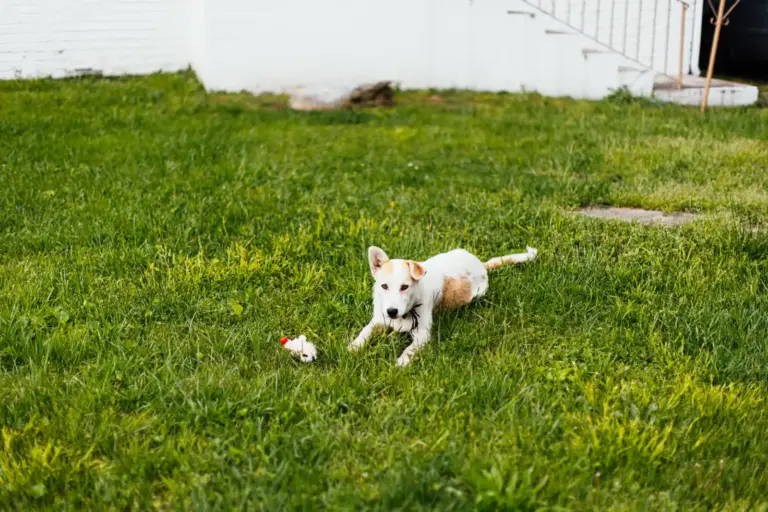
The RSPCA lists waking, meals, play, excitement, and departures or returns as toilet-care prompts. Plan a reachable toilet area and a caregiver who can respond. Watch the puppy as well as the plan, because fidgeting, sniffing, or circling may mean you need to act sooner.
For the actual teaching process, use the puppy potty-training guide. Reward the puppy promptly after toileting in the chosen place, and keep the route manageable. A timetable does not teach the right location by itself. If there is an accident, clean it calmly and review access and supervision rather than punishing the puppy.
Fit activity into the care pattern without trying to keep a puppy awake until a scheduled nap. Dogs Trust recommends adapting learning to the individual puppy. Choose something easy in a suitable space, and stop or simplify when the puppy struggles. Ordinary handling, a name-response game, and calm exploration can be useful small activities.
Public outings should fit veterinary advice about health and vaccination, while early experiences should remain manageable. The RSPCA describes positive introductions during the early weeks. Exposure does not mean forcing close greetings or completing a list of busy places. Your puppy’s response matters more than how many experiences fit on the calendar.
How should an 8-, 10-, or 12-week-old puppy schedule differ?
Use age as context for planning care, not a formula that determines how long your puppy can wait. Review feeding instructions, toilet access, rest, and comfortable activity with the caregiver and veterinary team. As the puppy grows, change the plan according to observations rather than automatically removing support at a particular weekly birthday.
| Age you are planning for | Useful review | Avoid assuming |
|---|---|---|
| 8 weeks | Confirm the previous caregiver’s food and routine, and arrange close care | The puppy can follow another household’s full timetable |
| 10 weeks | Use your observations to review access, rest, and caregiver cover | Two more weeks means a fixed extra period alone |
| 12 weeks | Review the care pattern and health or outing advice with your vet | Every puppy is ready for the same outings or overnight gap |
| As the puppy grows | Reassess meals, activity, toilet needs, and learning | All care should reduce on the same date |
These age rows are Animalia’s review prompts, not clinical milestones or a bladder-capacity chart. The RSPCA advises continuing familiar food and care while a puppy settles. Confirm changes with your veterinary team, especially when growth, body size, a prescribed diet, or health concerns affect the plan.
Do not compare your puppy’s rest or toilet needs with an online schedule and decide they must be doing something wrong. The owner who posted that schedule may have a different puppy and different help. If the current plan leaves repeated gaps, improve the care arrangement before trying to make the puppy tolerate them.
Protect rest and plan the periods when you are busy
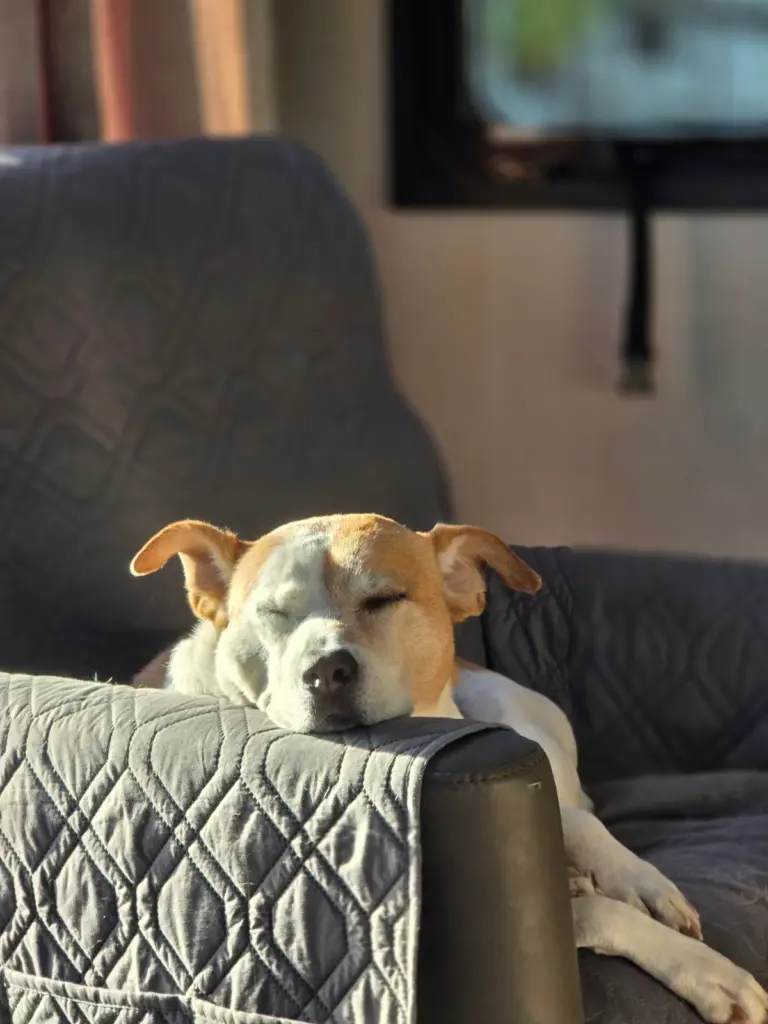
The RSPCA recommends a comfortable, quiet place to rest undisturbed. Give the puppy access to suitable rest without making every nap depend on completing a lesson. Ask the household to leave a sleeping puppy alone, and stay available to respond when they wake or need care.
If you use a crate, build comfortable use through the puppy crate-training guide rather than closing the door to enforce a timetable. Equipment and sleeping location do not remove the need for toilet care or support. A different managed space may suit some periods better, depending on the puppy and the home.
Use the workday care planning guide to identify the hours when you cannot respond yourself. A longer morning activity does not make a puppy ready for every absence. Arrange appropriate help and share the puppy’s current needs rather than asking a sitter to follow an adult dog’s routine unchanged.
Animalia suggests keeping the handover short and current: what happened, what needs doing next, and who is responsible. A note that says the puppy is napping is incomplete if nobody knows who responds on waking. Keep supplies reachable so a caregiver can act before a small delay becomes a missed toilet opportunity.
Keep a useful log and change one part at a time
Record the event, what you offered, and what happened next without guessing a motive. For example, note that the puppy woke, the toilet trip was delayed, and an accident followed. That observation suggests reviewing access and caregiver cover. It does not show that the puppy was being difficult or had forgotten everything.
| Event | Observation to write | Question for the next attempt |
|---|---|---|
| Waking | Whether the toilet route was ready | Can someone respond sooner? |
| Meal | What was offered and which instructions were followed | Did caregivers avoid repeating the meal? |
| Activity | Whether the puppy could engage comfortably | Should the setting or task be easier? |
| Rest | Whether the space stayed quiet and accessible | What caused an avoidable interruption? |
| Care handover | What the next person knew | Which instruction needs to be clearer? |
This log is a practical communication tool, not a diagnostic test or proof of a training result. If concerns involve eating, drinking, toileting, movement, or a marked change in behavior, contact your veterinarian. A qualified reward-based trainer can help review learning or settling difficulties while you keep care manageable.
Frequently asked questions
Does a puppy schedule need exact clock times?
Use predictable care and a manageable pattern, while responding to your puppy’s needs when they appear. A planned time should not postpone a toilet trip or other needed help. Meals or medication may have individual timing instructions, so follow veterinary guidance. Keep caregivers informed when plans change, and focus on reliable care rather than a perfectly completed timetable.
Can I use the same schedule for an 8- and 12-week-old puppy?
You can use the same broad pattern, but review the practical care rather than copying every interval. Feeding instructions, toilet access, rest, health, and caregiver availability may differ. A few weeks of growth do not guarantee that every puppy can manage the same absence. Use observations and veterinary guidance to adapt the arrangement as the puppy develops and needs change.
Should I keep my puppy awake until a planned nap?
Provide opportunities for quiet rest and watch the individual puppy rather than making them stay active to match a chart. A busy household can make rest difficult, so review the environment as well as the schedule. The RSPCA recommends an undisturbed resting place. Ask your veterinary team about changes in sleep, energy, or comfort that concern you.
What if the puppy has an accident before the next planned trip?
Review toilet access, supervision, and what happened before the accident. The RSPCA recommends frequent opportunities around events such as waking, meals, and play, with no punishment for accidents. Make the next trip easier to provide and clean calmly. Contact your veterinarian about changes or ongoing concerns, because a timetable cannot identify every reason a puppy toilets indoors.
How should I organize the puppy’s care while I work?
Map the periods when the puppy needs help and arrange people who can provide it. Include meals when needed, water, toilet opportunities, company, suitable activity, and rest. Share current instructions and a backup contact. A crate, pen, or puzzle does not provide that care by itself, and a young puppy should not be expected to copy an adult dog’s workday arrangement.
What should you prepare for the next waking period?
Confirm who will respond, prepare the toilet route, and check the next part of the care plan. Keep the pattern easy to follow and adjust gaps using observations. Return to Animalia’s puppy training and care hub for related resting skills, and ask your veterinary team about individual feeding, health, or comfort concerns.
Sources and editorial notes
- AKC: Puppy schedules and daily routines
- RSPCA: Toilet training your dog
- RSPCA: Caring for your puppy
- Dogs Trust: Puppy training
- RSPCA: Creating a good home for your dog
Animalia Editorial. Publication date: October 30, 2026. Sources checked October 29, 2026. See our Editorial Policy. This guide supports everyday care and does not provide veterinary diagnosis or treatment.
Featured photo: A puppy sleeps on a textured rug beside a soft toy. Photo: Magda Ehlers / Pexels.
Prepared with AI assistance and reviewed against the sources above.