How much water should a puppy drink? AKC gives older, weaned puppies a rough range of 0.5–1 fluid ounce per pound daily. Individual needs vary, and this is not a drinking limit. Keep fresh water accessible, and ask your veterinarian about a puppy who drinks less, drinks much more, or seems unwell.
Animalia’s chart translates that published range into simple weight examples. Use it as context for a conversation, alongside the food, activity, and changes you observe. It does not prescribe a ration, diagnose hydration, or cover newborn puppies who need an individual veterinary feeding and care plan.
How much water should a puppy drink by weight?
For older, weaned puppies, the chart below calculates AKC’s rough 0.5–1 fluid ounce per pound daily range. Multiply the puppy’s weight by each end of the range to obtain the example. These are arithmetic illustrations, not amounts to force, withhold, or apply to a sick puppy without veterinary guidance.
| Puppy weight | Calculated rough range per day | Calculation |
|---|---|---|
| 5 lb | 2.5–5 fl oz | 5 × 0.5 to 5 × 1 |
| 10 lb | 5–10 fl oz | 10 × 0.5 to 10 × 1 |
| 15 lb | 7.5–15 fl oz | 15 × 0.5 to 15 × 1 |
| 20 lb | 10–20 fl oz | 20 × 0.5 to 20 × 1 |
| 30 lb | 15–30 fl oz | 30 × 0.5 to 30 × 1 |
Fluid ounces measure volume; they are different from the ounces used to weigh food. Keep the units visible if you copy an example into a household note. Do not use the chart to decide that a puppy must be healthy because a bowl reading appears to fall inside the range, or that more water should be taken away.
If your veterinary team asks you to measure drinking, ask how to do that reliably in your own setup. Spills, refills, and other animals using the bowl can make a casual estimate misleading. Record those uncertainties rather than presenting an apparently precise number that the household cannot actually establish.
Review food, activity, weather, and the actual pattern
The amount a puppy drinks can change with diet, activity, conditions, and health. PDSA identifies those factors while advising veterinary contact for increased drinking or urination. A change after a different food or a warmer outing is useful context to report, but it does not establish the cause or make a persistent change safe to ignore.
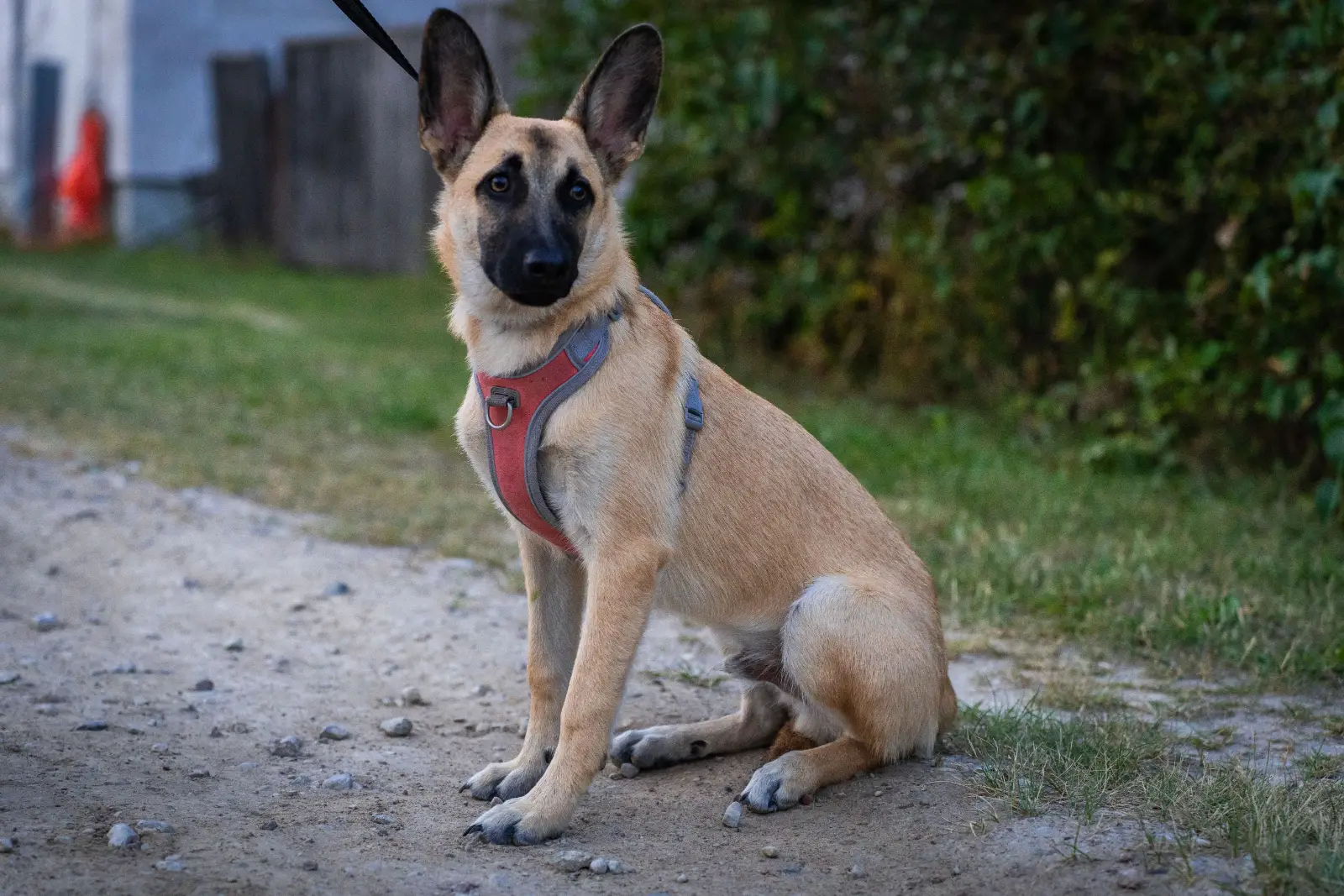
For an illustrative record, note the date, usual food, activities, access to water, and what seemed different. “The bowl emptied faster after the afternoon outing” is a clearer observation than “drinks too much because of exercise.” Include any uncertainty about spills or another animal using the same station.
Keep the feeding plan consistent with the puppy’s needs rather than changing diets or adding ingredients simply to make a bowl number match the chart. Our puppy meal measurement guide helps organize the current food plan, and the puppy daily schedule helps you review what happened around ordinary care.
Do not use a home skin or gum check as permission to delay help for an unwell puppy. This guide is about accessible water and useful observations, not diagnosing dehydration. Ask the veterinary team how promptly the puppy needs to be seen when the pattern or accompanying signs concern you.
Keep water accessible while planning toilet breaks
Make clean drinking water continuously available. RSPCA’s diet guidance calls for constant water access, and PDSA advises against restricting it to control increased drinking or peeing. Plan bathroom opportunities and caregiver support around the puppy’s needs instead of using the chart or a bedtime timer to ration water.
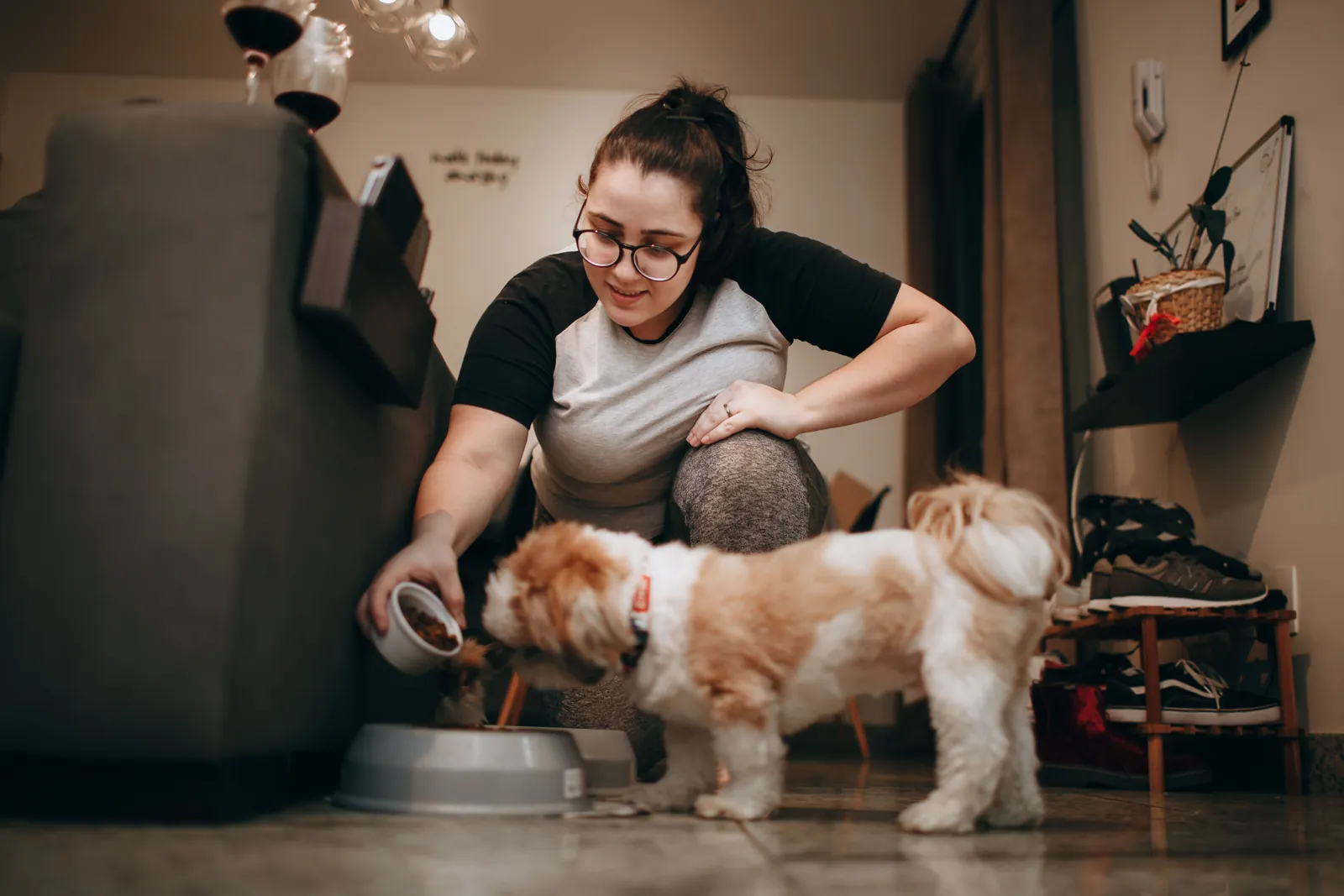
Check that the puppy can reach the water in the area they actually use, and that household members know who checks and refills it. If you change a pen, room, or resting arrangement, include water access in that review. A bowl elsewhere in the home does not help if the puppy cannot get to it.
Our puppy toilet-break guide separates bathroom planning from age-based waiting targets. Drinking and toileting belong within the same practical care arrangement, while each new concern still deserves its own review. Do not interpret an accident as proof that withholding water is the solution.
For workdays or overnight concerns, discuss your individual plan with the veterinary team and arrange suitable help. A generic online schedule cannot establish how long a puppy can comfortably wait. Keep appropriate water access and ordinary care in place while you seek advice, rather than testing a longer gap.
When should drinking changes prompt a veterinary call?
Contact your veterinarian about drinking or peeing more than usual, reduced drinking, or a puppy who seems unwell. PDSA advises veterinary contact for an increased pattern and keeping water available. If vomiting, marked lethargy, loss of coordination, or another acute concern accompanies the change, seek prompt veterinary advice instead of monitoring against a chart.
Describe what changed, when you noticed it, and what else happened around food, activity, urination, or illness. Do not assign a diagnosis from the amount alone. Keep any prescribed-care information available for the veterinary team, and do not start home treatments or try to force a measured volume into the puppy.
Start today by checking the water station and sharing the care plan with everyone involved. Return to our puppy care and crate-training hub for the wider routine. The next useful step is reliable access and an accurate observation, with individual veterinary help whenever the pattern concerns you.
Frequently asked questions
Is the chart a maximum my puppy should be allowed?
The chart is an arithmetic illustration of a published rough range, not a maximum drinking allowance. Keep appropriate fresh water available and ask your veterinarian about a concerning pattern. Do not remove the bowl because the puppy appears to have reached the example. Individual needs and the whole situation matter, and a number alone cannot explain why drinking has changed.
Should I take water away to prevent overnight accidents?
Keep water access within a care plan that meets the puppy’s needs rather than using a general bedtime restriction. RSPCA advises constant access, and PDSA warns against restricting water to control drinking or peeing. Discuss individual concerns with your veterinary team and arrange suitable toilet opportunities. A dry night is not a reason to test how long a puppy can go without water.
Does wet food change how much a puppy drinks?
Diet can affect what you observe at the water bowl, so record the food type when discussing drinking with your veterinarian. PDSA includes diet changes among possible influences on the pattern. Do not assume that a smaller bowl intake proves adequate hydration or that adding a different food is the right treatment. Keep the established feeding plan unless the appropriate professional advises a change.
Can I force my puppy to drink the chart amount?
Do not force a volume from the chart into your puppy. Offer accessible fresh water and obtain veterinary guidance if drinking or wellbeing concerns you. A rough online range is not a home fluid-treatment plan. Record what you have noticed, including any difficulty drinking, and ask the veterinary team how promptly the puppy needs assessment and what to do while arranging care.
How can I measure drinking in a multi-pet home?
Ask your veterinary team for a practical method suited to the household if measurement is needed. Shared bowls, spills, and refills can make a simple estimate unreliable. Record what you know and what you cannot separate rather than restricting access to produce a cleaner number. The measurement should support appropriate care without making the puppy’s drinking or other animals’ access more difficult.
Sources and editorial notes
Animalia Editorial. Reviewed November 4, 2026. The weight examples are calculated from the linked AKC range; they are not measured Animalia data or individual fluid prescriptions. See our editorial policy.
AKC: older weaned puppy range; RSPCA: constant water access; PDSA: changed drinking and urination.
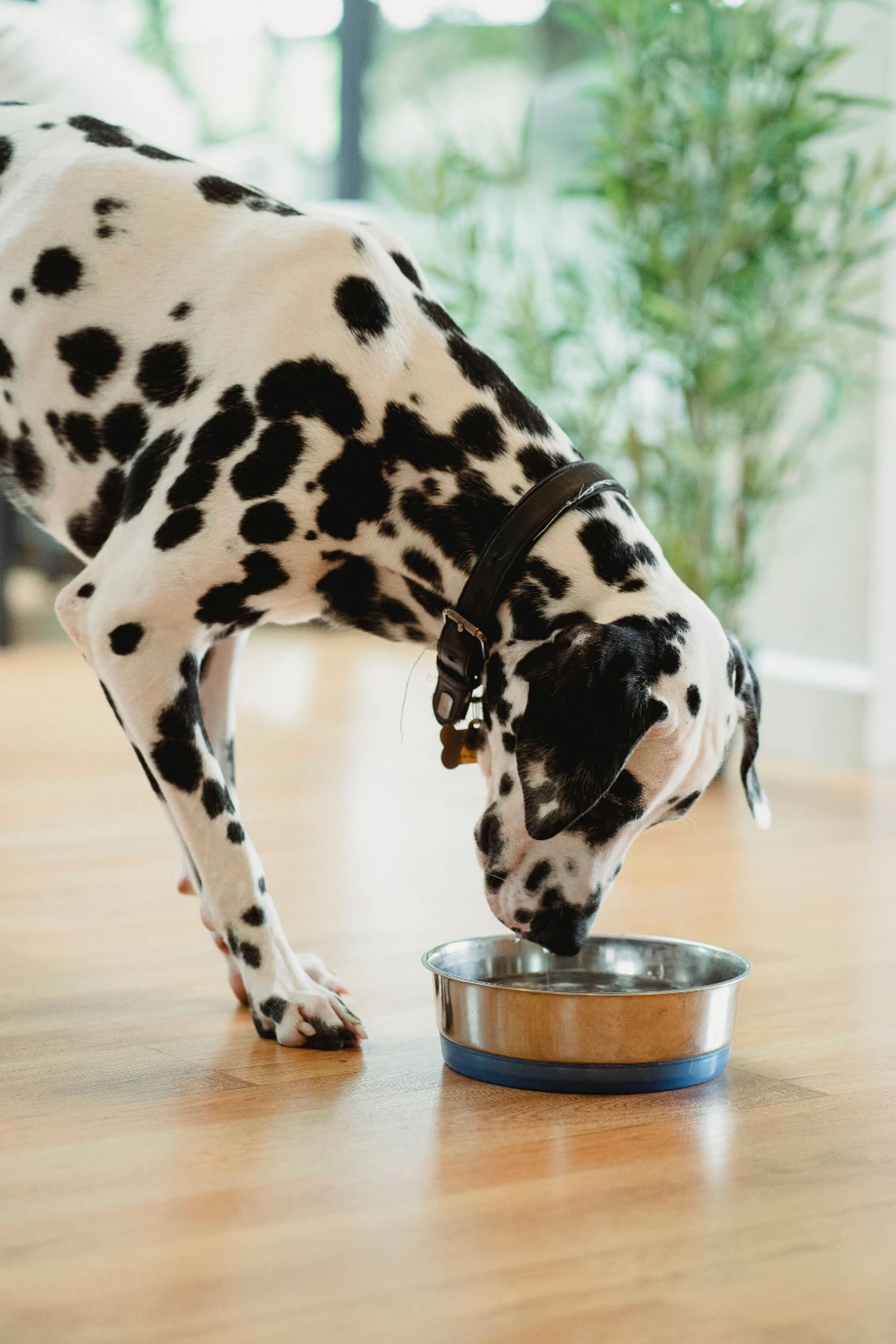
Featured photo: A Dalmatian drinks water from a metal bowl indoors. This adult dog illustrates water access, not a measured puppy requirement. Photo: Bethany Ferr / Pexels.
Prepared with AI assistance and reviewed against the sources above.