To teach a dog to leave it, begin with a harmless, low-interest item and reward the dog for turning away from it. Add the cue after that response becomes predictable. Practice in small steps before expecting the skill around tempting objects outdoors.
Leave it means disengaging before taking an item. Drop it is a separate skill for releasing something already in the mouth. Neither skill replaces keeping dangerous objects out of reach.
Prepare a safe beginner setup
Choose a quiet space, suitable rewards, and a boring item the dog cannot accidentally swallow during practice. A little of the dog’s usual food held securely in a closed hand can provide a controlled starting point.
Keep better rewards in the other hand or an accessible container. Reward from that separate source so the exercise clearly teaches turning away, rather than waiting to obtain the same item.
If your dog guards food or objects, growls during this kind of interaction, or tries to bite at your hand, stop this exercise and seek qualified help. Do not use a confrontation to test whether the dog respects a cue.
Step 1: wait for a small voluntary disengagement
Present the securely held low-interest item without pushing it into the dog’s face. Wait quietly for a tiny pause, glance away, or movement away. Mark that success if you use a marker and immediately provide a reward from the separate source.
Keep the attempt easy. If the dog persistently licks, paws, or becomes frustrated, remove the setup calmly and make the next attempt less tempting. Do not demand a prolonged struggle before rewarding.
Step 2: repeat the easy pattern
Offer the same controlled setup again and reward another small disengagement. The dog should begin finding that turning away is worthwhile. Finish the session while the pattern is comfortable and clear.
For an example, an initial goal might simply be a brief head turn away from the closed hand. You do not need a sit, a long stare, or a whole chain of behaviors. Extra requirements can obscure the lesson.
Step 3: introduce your cue
When you can reliably predict the dog will turn away, introduce a consistent cue such as “leave it” just before the familiar setup. Reward the successful response from the separate source.
As the association develops, the dog can learn to disengage after hearing the cue. Say it once in a calm voice. If it does not produce a response, lower the difficulty rather than repeating it louder. Review reward timing and cues if this step feels unclear.
Step 4: change one feature at a time
Try another harmless item held securely, a different quiet room, or a slightly different presentation. Keep the reward worthwhile and return to an easier version if success drops.
A floor-level item adds difficulty. Keep it controlled and prevent access during the lesson without pushing the dog or using leash force. If you cannot manage the setup calmly, practice the easier held-item version or get in-person instruction.
Do not use medication, toxic food, sharp objects, or another real hazard as a training prop. Practice should stay safe even if the dog makes a mistake.
Step 5: practice in everyday settings carefully
Begin outside in a quiet place with controlled, harmless distractions. Reward an early response and create space before the dog reaches the item. Combine this with comfortable loose-leash walking rather than repeatedly testing the cue at the end of a tight leash.
Everyday reliability develops through appropriate practice and management. A dog that succeeds in the kitchen may need easier repetitions elsewhere. Keep bins, medicines, and unsafe household items secured throughout training.
Leave it and drop it solve different moments
| Situation | Relevant response |
|---|---|
| Dog notices an item but has not taken it | A practiced leave-it cue and safe redirection |
| Dog already holds a safe toy | A separately taught drop or fair-trade skill |
| Dog may have swallowed something harmful | Prompt veterinary advice, not another training attempt |
| Dog guards an item | Distance, management, and qualified help |
Dogs Trust describes fair trade as exchanging an item for something better. Do not chase or force the mouth open as a routine training approach. If a suspected harmful exposure has happened, contact a veterinarian promptly and follow their instructions.
Common mistakes to avoid
- Starting with the most exciting object in the house.
- Repeating the cue before the dog understands it.
- Expecting indoor practice to transfer instantly outdoors.
- Adding a long wait before the basic response is easy.
- Using unsafe items to test the lesson.
- Relying on a cue instead of putting hazards away.
Common questions
What if my dog takes the practice item?
Keep all training items harmless and the setup controlled. Reset more carefully and reduce difficulty. Do not turn the mistake into a chase or a punishment.
Can I use leave it for every distraction?
Teach a clear basic meaning first. Difficult responses around animals, people, or fear may need a different plan and professional assessment rather than a stronger version of one cue.
What if my dog gets frustrated by the closed hand?
Pause and simplify. A suitable alternative setup or guidance from a reward-based trainer can be better than repeatedly waiting through pawing or licking.
Sources and editorial notes
Supporting guidance: Dogs Trust: leave training and fair trade and RSPCA: teaching leave. This guide describes introductory training, not emergency treatment or an assessment of resource guarding.
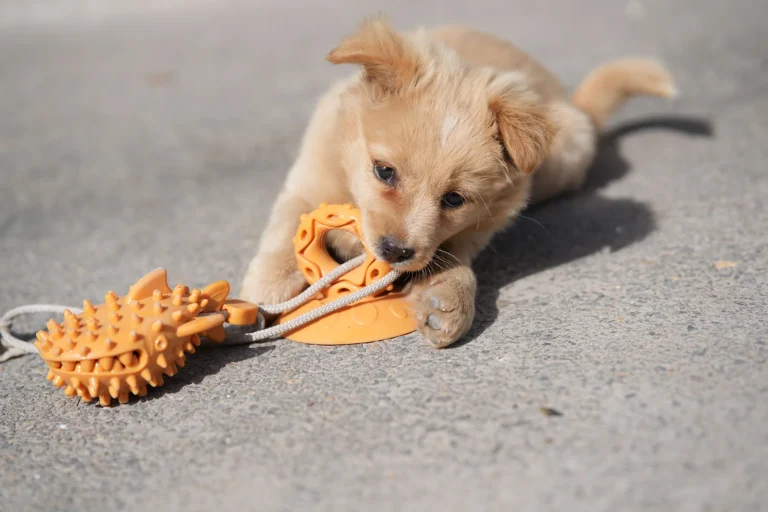
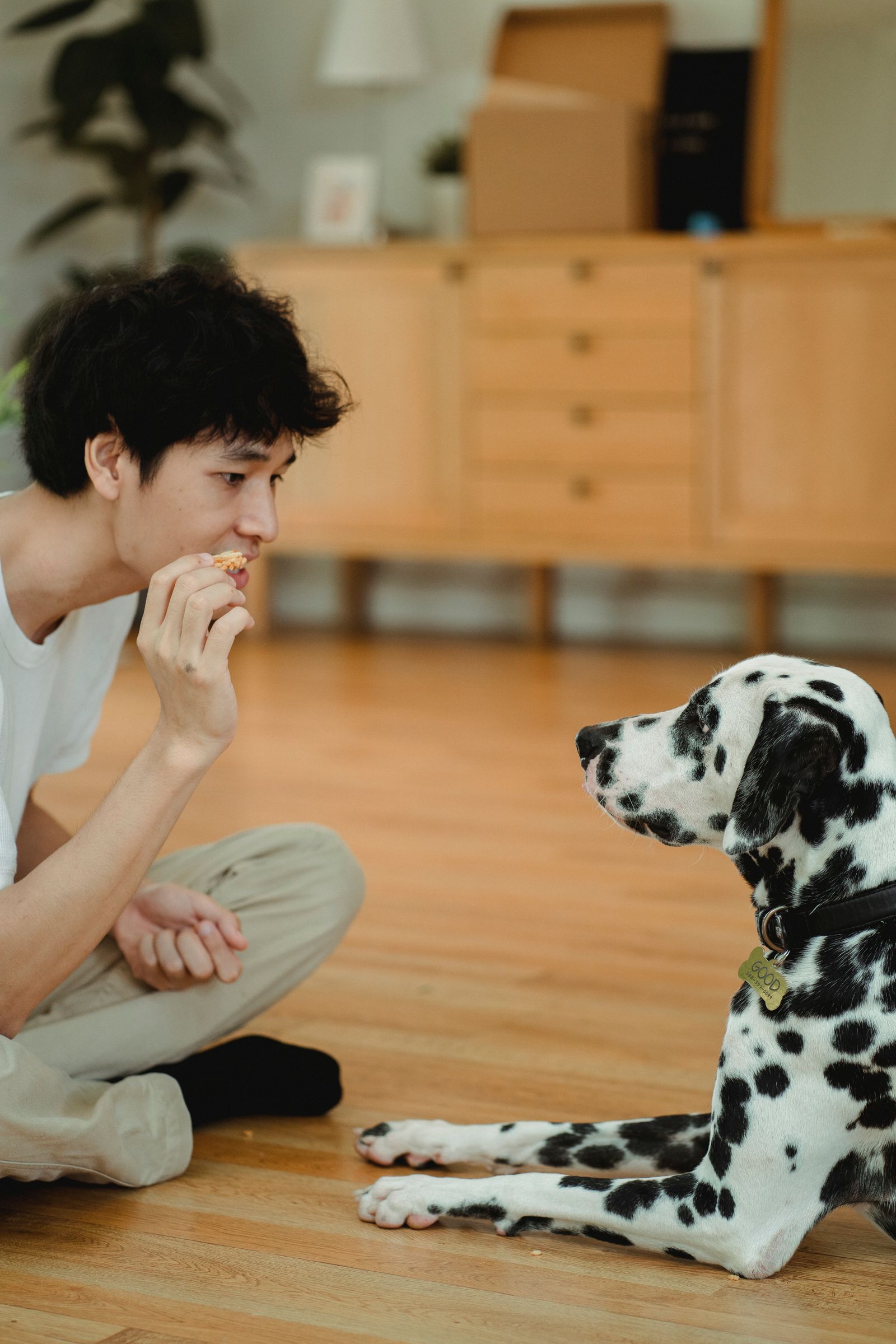
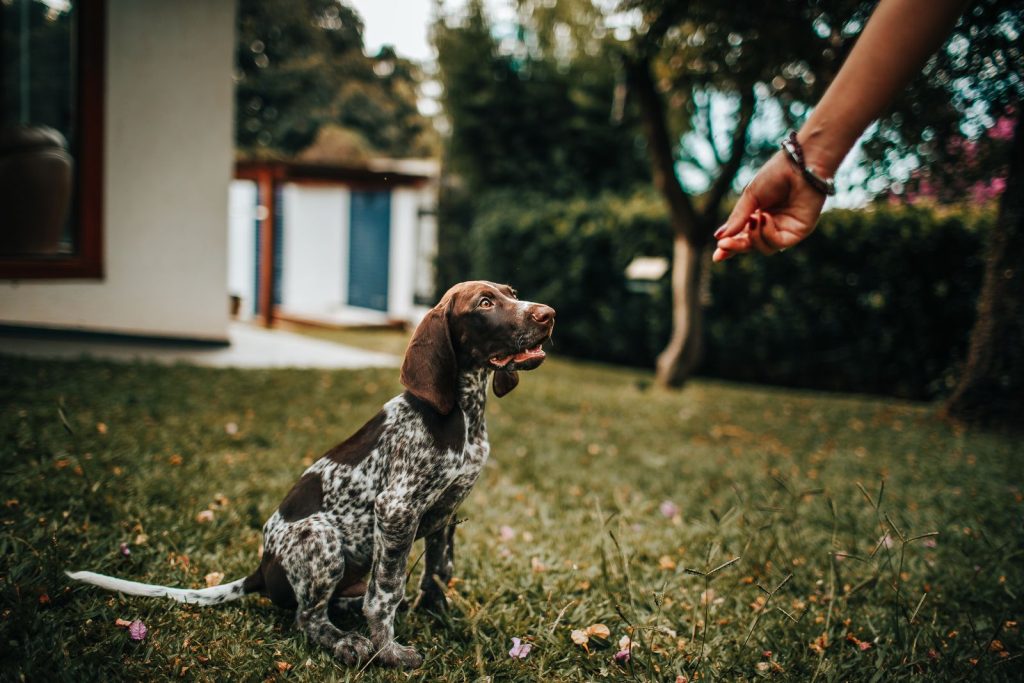
Featured image: Illustrative training scene, not a demonstration of the exact leave-it exercise. Photo: Bethany Ferr / Pexels.