Cats bring dead animals home because hunting and carrying prey are natural behaviors, and home can be a familiar place to take a catch. Cats Protection explains the safe-home connection. You cannot know an individual cat’s exact motive from the delivery. Respond calmly, prevent further contact, and protect both your cat and local wildlife.
Animalia starts with what to do when you find real prey, then how to reduce the chance of a new catch. Toy carrying is different and does not require the same wildlife or health response.
Why do cats bring you dead animals after a meal?
Hunting is not simply a response to an empty food bowl. A well-fed cat may still stalk, catch, and carry prey. Bringing it home can give the cat a familiar place to handle the catch. It does not prove that the cat is hungry, poorly fed, or delivering a gift meant for you.
Battersea explains that cats may still catch prey when they are not hungry. That is why extra food alone is not a reliable prevention plan. Do not add meals or change the diet just to stop hunting. Keep appropriate feeding in place and ask your vet about your own cat’s food needs.
Different explanations can sound appealing: a gift, an attempt to teach you, or proof of affection. Treat a neat story about your cat’s thoughts with caution. Whatever the motive, the next steps stay the same: prevent a new catch, get help for live wildlife, and avoid unsafe handling.
Match the response to what you find
| Situation | First priority | Who can advise |
|---|---|---|
| A dead animal near the cat | Keep pets and people away; avoid bare-hand contact | Local animal control or wildlife authority for removal guidance |
| A live animal caught by the cat | Separate the cat safely and seek prompt advice | A licensed wildlife rehabilitator or local wildlife authority |
| A bird caught by the cat, with no obvious wound | Explain the cat contact rather than assuming it is unharmed | A licensed wildlife rehabilitator |
| The cat seems unwell after wildlife contact | Call your vet and describe the exposure before arrival | Your vet or emergency clinic |
This Animalia table is a starting point, not a way to name a species or assess its health. Do not handle an animal simply to decide which row fits. Tell the professional whether the animal is moving, where it is, and whether the cat had it in their mouth. Follow instructions for that species and location.
What should you do when the cat brings prey inside?
Stay calm, keep children and other pets away, and separate your cat from the animal if you can do so safely. Avoid bare-hand handling. If it is alive, contact a licensed wildlife rehabilitator for advice and mention cat contact. If it is dead, ask local officials how to remove it safely.
CDC advises against touching dead animals with bare hands and recommends contacting animal control for removal. The right steps can vary with the species and the place. A rule about putting it in the trash may not fit where you live, so check before you move it or throw it away. Wash your hands after contact with wildlife or items they have touched.
For a live bird, do not assume that no wound in sight means it is safe to let it go. The Wildlife Sanctuary of Northwest Florida notes that cat-caught birds may be injured even when wounds are not obvious. Contact a rehabilitator promptly, explain what happened, and follow their handling and transport instructions. Do not give food, water, or medicine without advice.
Avoid chasing the cat around the room or trying to stage a photo of the catch. Keep the route calm and use a separate comfortable room when possible. Our cat room setup guide can help with planning a quiet resting space before the next incident.
When your cat needs veterinary advice
Call your vet if the cat seems unwell after contact, if they were injured, or if you are worried about what they ate. Describe the species if known, whether it was sick or dead, and when contact happened. Ask the clinic for instructions before bringing the cat in, especially after contact with a sick bird.
CDC warns that exposure to infected sick or dead birds can infect pets. Seek veterinary care if an exposed cat becomes unwell. Trouble breathing or other severe signs need urgent attention. This does not mean every catch carries bird flu, and appearance cannot rule infection in or out. Avoid handling sick or dead birds while you arrange advice.
Keep a short factual note for the clinic: “Animal found: __. Cat contact: __. Time: __. Changes in cat: __.” Animalia recommends describing observations rather than naming a disease yourself. For routine visit preparation, our cat carrier guide explains gradual practice; follow the clinic’s plan when care is urgent.
Reduce opportunities and offer play instead
Block access to wildlife
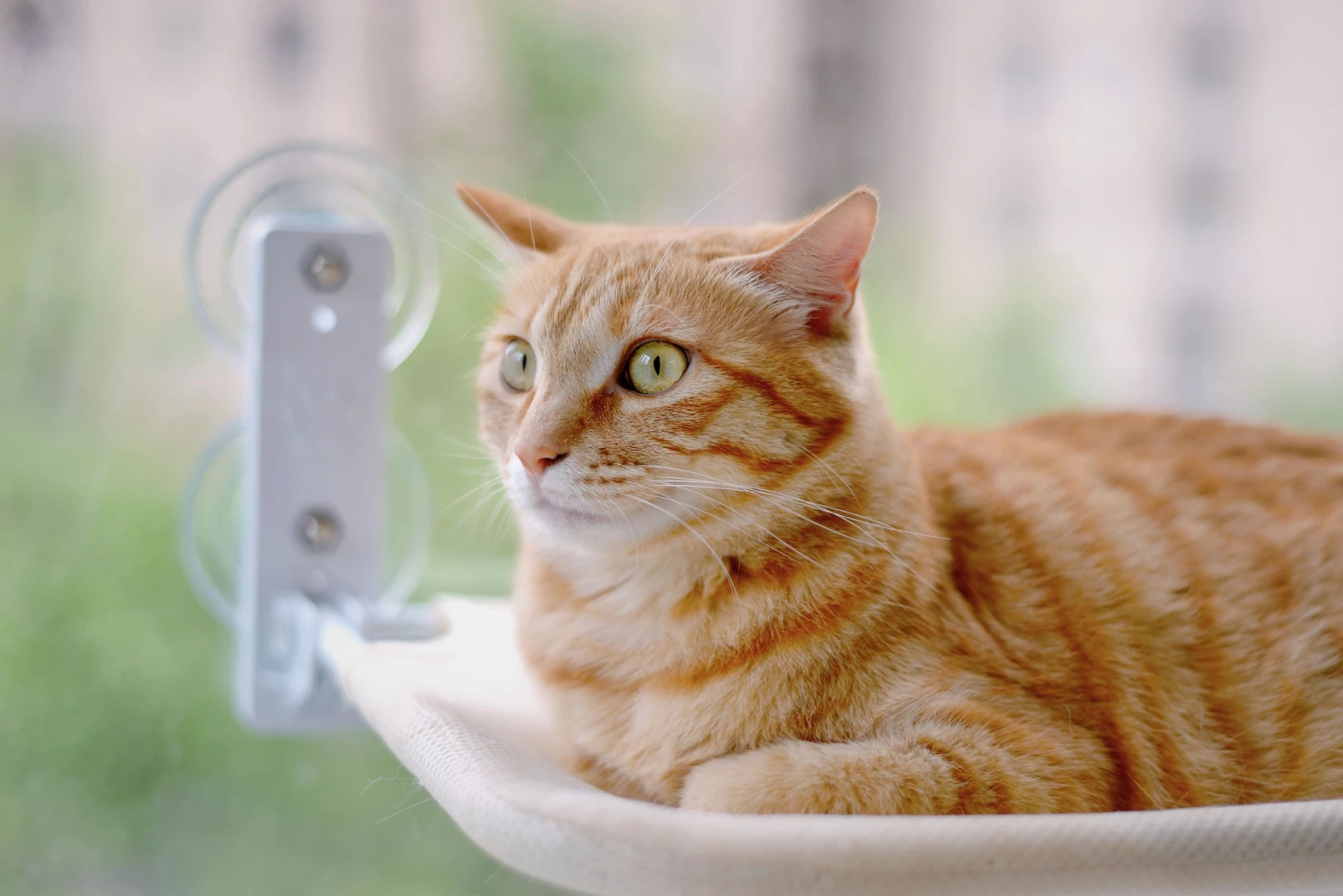
Preventing contact is more dependable than trying to change what a cat does after catching an animal. Review doors, outdoor access, and any place where wildlife gathers near the home. Keep your cat away from bird feeders and baths. Ask for help making a safe indoor or secure outdoor plan if your cat currently roams.
Offer an outlet that does not involve live prey
Battersea recommends games that imitate parts of hunting. Use a safe toy so your cat can watch, stalk, and catch it, while you stay to watch the game. Move it away from the cat at a pace they can follow and let them catch it. Stop if they disengage, and store string or wand toys safely after play.
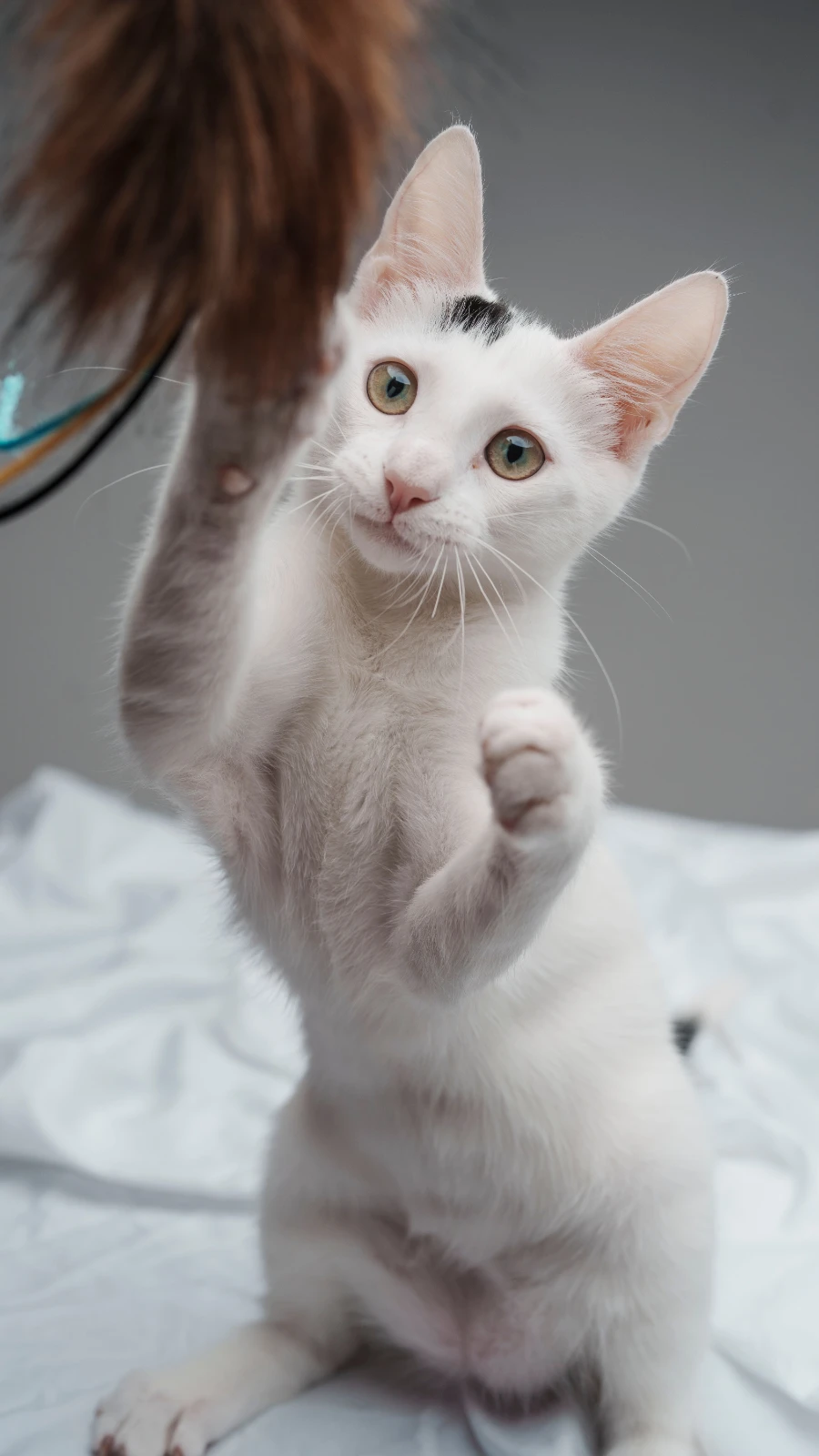
Do not punish a cat for bringing an animal home. Change access and offer other activities instead. Our bunny-kicking guide explains why a cat toy is a better target than your hands. Review the plan after each incident rather than assuming one play session will remove the urge to hunt.
FAQ: cats bringing prey home
Is a dead mouse a gift from my cat?
It can feel like one, but you cannot establish that motive just from finding a mouse beside your cat. Cats Protection describes bringing prey back to a familiar, secure home. Avoid turning the event into a test of affection. Focus on keeping pets away, asking how to remove the mouse safely, and reducing future access to wildlife without punishing the cat.
Does catching animals mean my cat needs more food?
Not necessarily. Cats may hunt even when they are well fed, and a catch is not a nutritional assessment. Keep feeding appropriate for your cat and ask your vet if you are concerned about appetite, weight, or diet. Extra food is not a substitute for managing wildlife access and providing safe ways to play and explore.
Can I release a bird that looks fine after my cat caught it?
Contact a licensed wildlife rehabilitator promptly and explain the cat contact before deciding to release it. Cat-caught birds can have injuries that are not obvious to you. Keep your cat away and follow the rehabilitator’s instructions for that bird. Do not attempt a home examination or use normal movement as proof that no care is needed.
Should I scold my cat when they bring an animal home?
No. Stay calm and address access and safety. Scolding does not protect the animal already caught or create a plan for next time. Keep the cat apart from wildlife, seek help where needed, and review outdoor access and play opportunities. If the pattern is difficult to manage, ask your vet and a qualified feline professional for guidance.
Will playing with my cat guarantee that hunting stops?
No. Play with safe toys offers an outlet for hunting-related behavior, but it cannot guarantee that a cat with access to wildlife will stop catching animals. Combine play with a practical access plan. Choose games your cat engages with, watch the cat with their toys, and let them catch the toy. Review the plan if animals continue to be brought home.
Plan for the next day, not another catch
Keep the response calm, get the right help for wildlife, and review how the encounter happened. Animalia’s indoor cat enrichment guide offers ways to support an engaging home. Pair those activities with preventing contact, rather than relying on a full food bowl or a guessed motive.
Sources and editorial notes
- Cats Protection: why cats bring animals home
- Battersea: why cats hunt
- CDC: staying healthy around wildlife
- CDC: bird flu in pets
- Wildlife Sanctuary of Northwest Florida: cat-caught birds
Animalia Editorial. Publication date: November 1, 2026. Sources checked October 29, 2026. Editorial Policy.
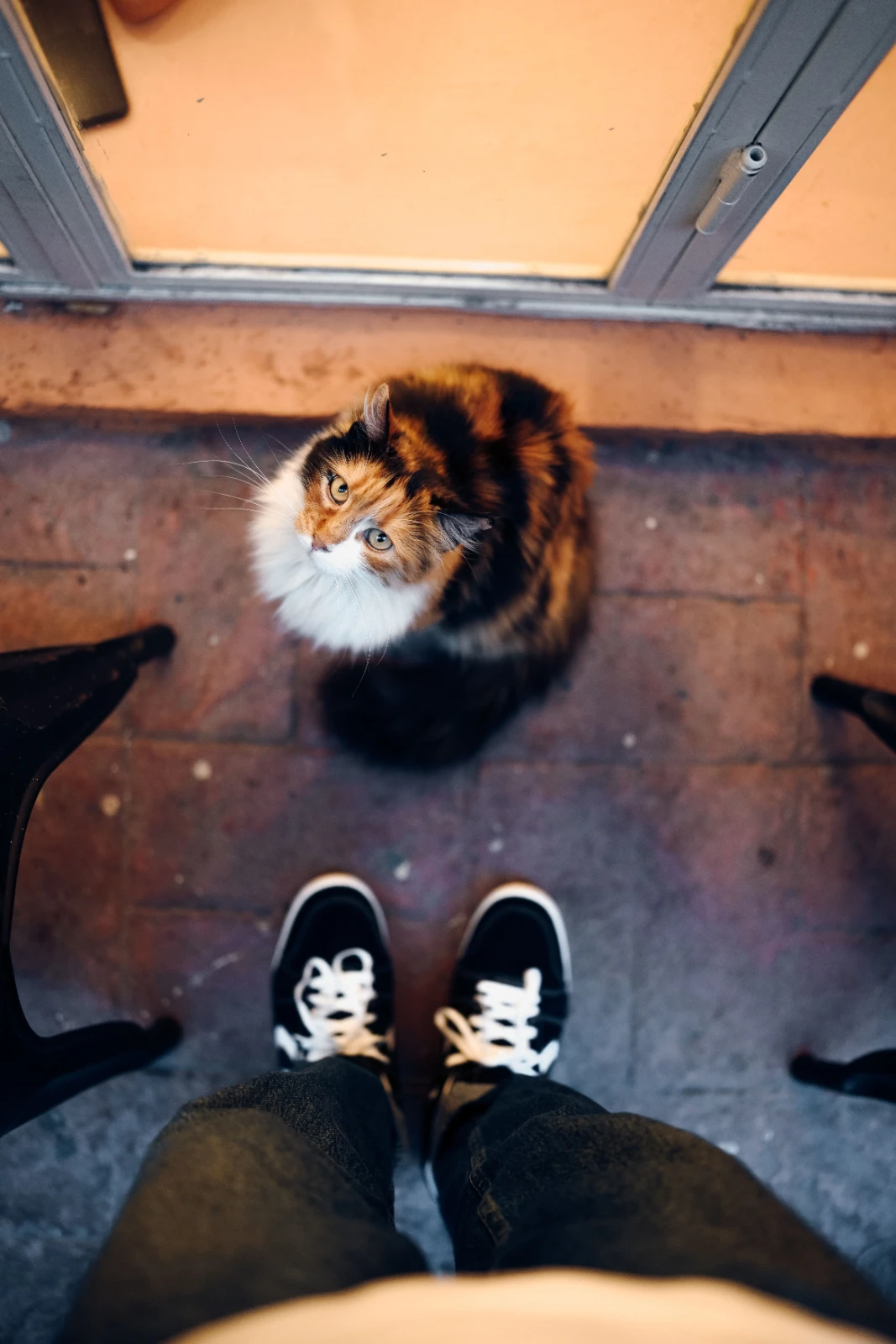
Featured photo: A cat waits near a doorway. Review outdoor access to help prevent encounters with wildlife. Photo: Tahir Osman / Pexels
Prepared with AI assistance and reviewed against the sources above.