Cats have a normal belly flap called the primordial pouch, usually most noticeable near the hind legs. Its exact purpose is uncertain; proposed roles include cushioning, flexibility, and energy storage. VCA explains that pouch size varies. A hanging flap alone cannot tell you whether your cat is overweight or whether a new change needs assessment.
When you ask why do cats have pouches, separate two questions: what this normal feature is, and whether your own cat’s appearance has changed. Animalia’s guide explains the difference without asking you to squeeze a belly, perform a home diagnostic test, or restrict food because of one view.
What is a cat’s primordial pouch?
The primordial pouch is a loose flap along the underside of a cat’s abdomen, often clearer toward the back legs. It contains skin and fatty tissue, rather than being an external organ or a separate stomach. Its appearance varies between cats, so a noticeable flap does not by itself establish excess body weight.
AniCura Vetamic describes the pouch near the lower abdomen and hind limbs. It can move as a cat walks, which is often what first draws attention to it. However, seeing movement does not let you identify every possible reason for a change in abdominal appearance.
Use ordinary observation without making your cat perform. If you happen to notice the underside while your cat walks comfortably past, note whether the appearance is familiar or newly different. Avoid pulling the skin, turning the cat onto their back, or trying to demonstrate the pouch for a photograph.
Possible functions: theories rather than a settled answer
VCA states that the exact purpose is not known. Several explanations are plausible, but describing one as a proven benefit overstates the evidence. You do not need to choose a favorite theory to provide appropriate daily care.
| Proposed role | What the explanation suggests | What it does not establish |
|---|---|---|
| Cushioning | Extra tissue may offer padding around the underside | That a cat is protected from injury during a fight |
| Flexibility | Loose tissue may allow more stretch during movement | A measured improvement in jumping or running ability |
| Energy reserve | Fat in the area may have served as a reserve | A reason to overfeed or skip ordinary meals |
| Evolutionary remnant | The feature may remain from wild ancestors | One confirmed purpose in every household cat |
These explanations describe hypotheses about anatomy, rather than instructions to test its limits. Keep cats away from fights and support safe movement regardless of the pouch. A normal feature does not make rough handling, forced stretching, or a difficult jump safe.
For safer access around the home, see cat jumping and landing considerations. For gripping and kicking during chosen toy play, our cat bunny-kicking guide keeps hands out of the game. Neither behavior provides a practical test of what the pouch does.
Does a belly pouch mean your cat is overweight?
No. A visible pouch and excess body fat are different observations, and a cat can have both. Assessing weight involves the whole cat, their history, and an appropriate body condition assessment. Ask your veterinarian to show you what is suitable for your cat instead of deciding from the size or movement of the flap.
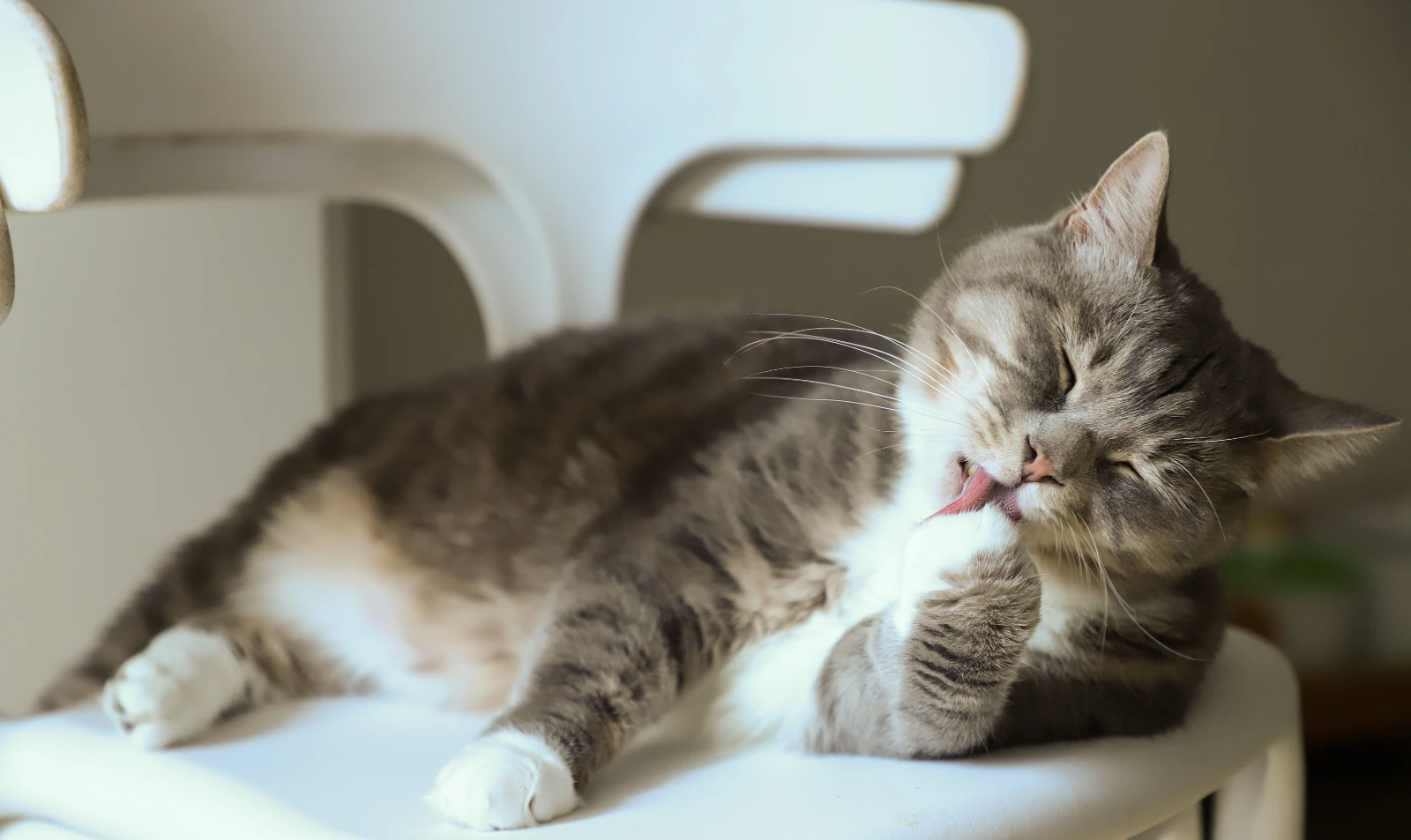
WSAVA’s body condition chart considers the waist, ribs, and fat distribution together. The chart is a structured aid, rather than a photograph of one belly shape to match. Coat length, posture, and the angle of a picture can also make comparisons difficult.
If you are concerned about weight, bring your questions to the next appropriate veterinary review. Ask what body condition your cat has, whether any change is needed, and how to monitor progress. Do not cut meals or change a medical diet solely because the belly looks lower in a new picture.
Use the cat-care household log to keep feeding instructions and relevant observations consistent between caregivers. Record the actual amount offered according to the agreed plan rather than letting everyone adjust food independently. If a weight change is unexplained, tell the vet rather than treating it as a cosmetic issue.
Notice changes without turning touch into a test
A familiar loose flap is different from a new lump, swelling, painful response, or sudden change in body outline. VCA notes that the pouch should not contain lumps or masses. If you notice a new concern, contact your own veterinarian and describe what changed, when you first saw it, and any other differences in daily habits.
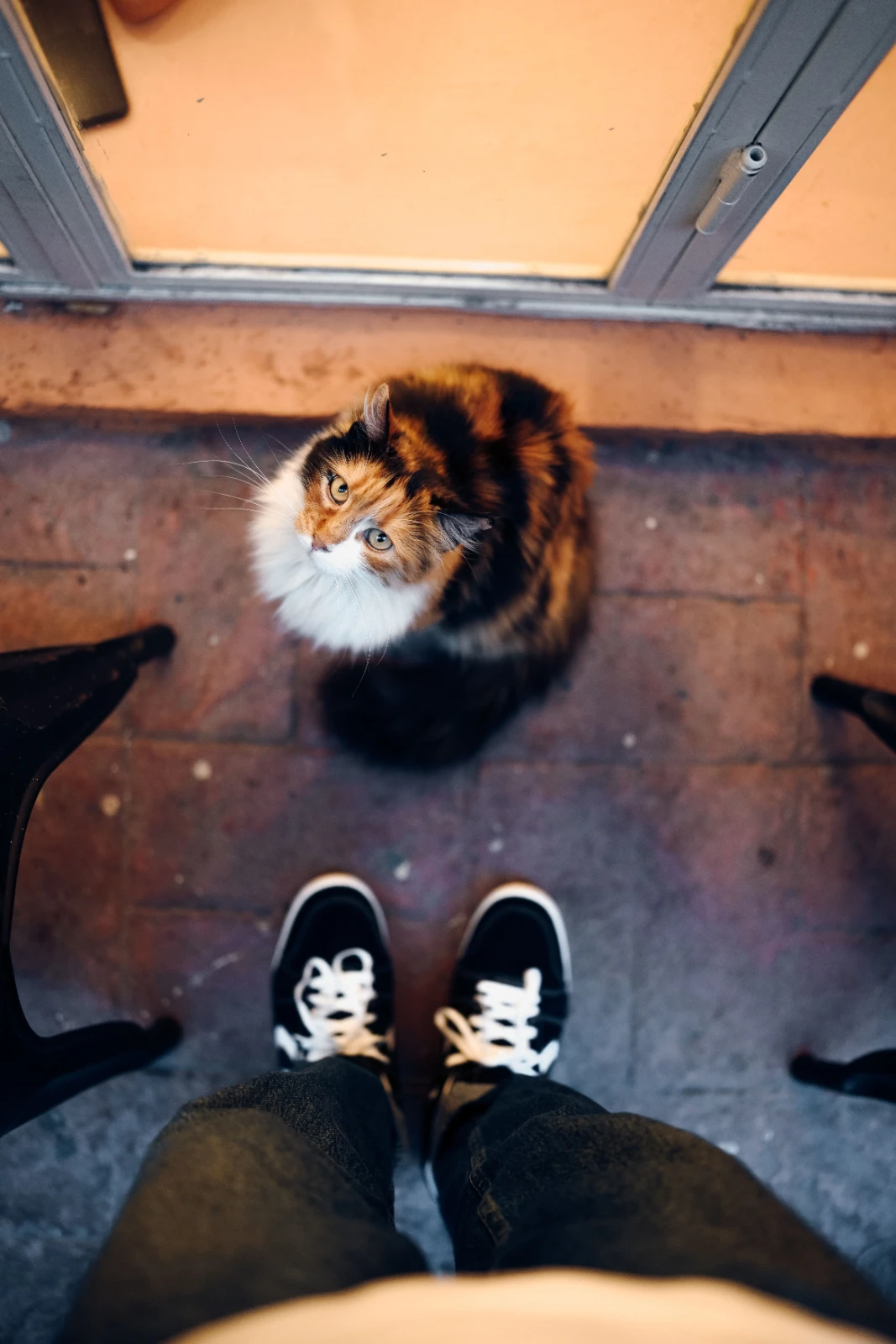
Do not repeatedly press an area that appears uncomfortable. A cat who moves away from your hand has given you a reason to stop, even if you have not worked out the cause. Our guide to petting a cat with choice explains how to pause and leave a clear option to move away.
A useful note might say that the outline looked different during ordinary walking, or that your cat avoided a familiar movement. It should not state a diagnosis you have inferred from an online chart. If your cat is unwell or the change seems urgent, ask the veterinary team how quickly they need to assess it.
Frequently asked questions
Do male cats have primordial pouches?
A primordial pouch is not a female-only feature or an external sign of pregnancy. Do not use a belly flap to determine sex, reproductive status, or health. If you are uncertain about your own cat’s anatomy, ask your veterinarian during an appropriate visit. A familiar feature and a newly changed abdomen still need to be considered separately.
Why is my cat’s pouch so large?
Appearance can vary with genes, breed, and age, according to VCA. Size alone does not answer whether your cat is at an appropriate weight or whether a new change is harmless. Compare with their usual appearance and ask your vet about anything newly different. Avoid squeezing or repeatedly touching the area to compare it with an online description.
Do all cats have an obvious hanging belly?
No. The pouch is not equally visible in every cat, and a small or hard-to-see flap is not automatically a problem. A standing photograph also shows only one posture and angle. Focus on your cat’s usual health and care rather than trying to make the feature more obvious, and discuss new changes with your veterinarian when needed.
Can exercise remove a primordial pouch?
Do not treat a normal anatomical feature as a target that needs to disappear. Appropriate play and nutrition should support the whole cat and follow any veterinary advice about weight or health. Ask the vet whether there is a body condition concern before changing food or activity. More exercise is not a substitute for assessing an unexplained change.
Should I rub my cat’s pouch to check it?
You do not need to rub, pull, or squeeze the belly to confirm what you read online. Let your cat choose contact and stop when they move away or appear uncomfortable. If you have noticed a lump, swelling, or another concerning change, contact the veterinarian instead of repeating the touch to see whether the cat reacts again.
What should you do after noticing the pouch?
If the flap is familiar and your cat is otherwise well, keep their usual care plan and raise weight questions at an appropriate vet visit. If the appearance has changed or your cat seems unwell, seek veterinary advice. Animalia’s cat behavior and care hub can help organize observations without assigning a diagnosis.
Sources and editorial notes
- VCA: What is the primordial pouch?
- AniCura Vetamic: Primordial pouch anatomy and weight
- WSAVA: Cat body condition scoring chart
Animalia Editorial. Publication date: October 30, 2026. Sources checked October 29, 2026. See our Editorial Policy. This guide supports everyday care and does not provide veterinary diagnosis or treatment.
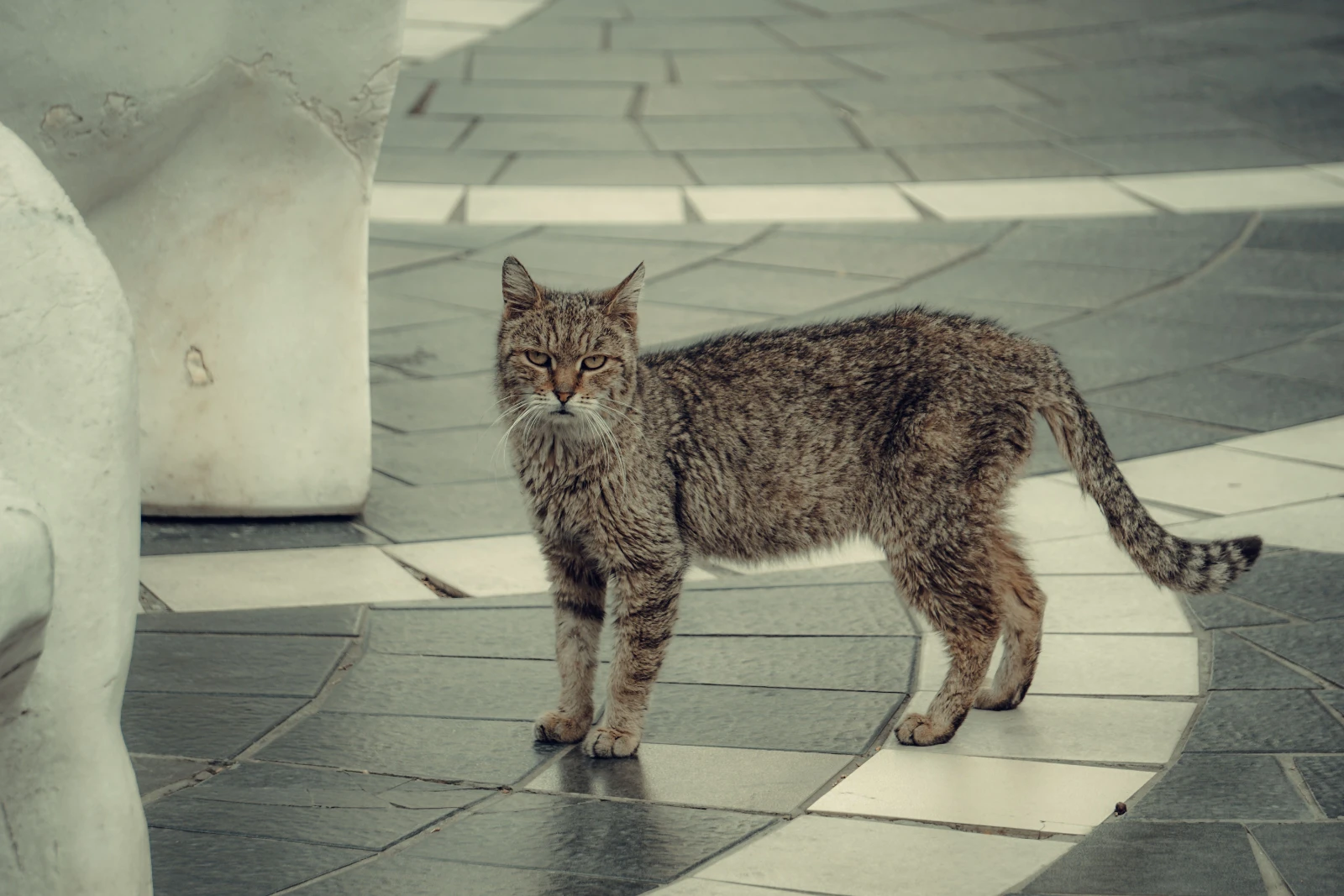
Featured photo: A tabby cat stands in profile with its lower abdominal outline visible. A photo cannot determine body condition. Photo: Elmir Jafarov / Pexels.
Prepared with AI assistance and reviewed against the sources above.