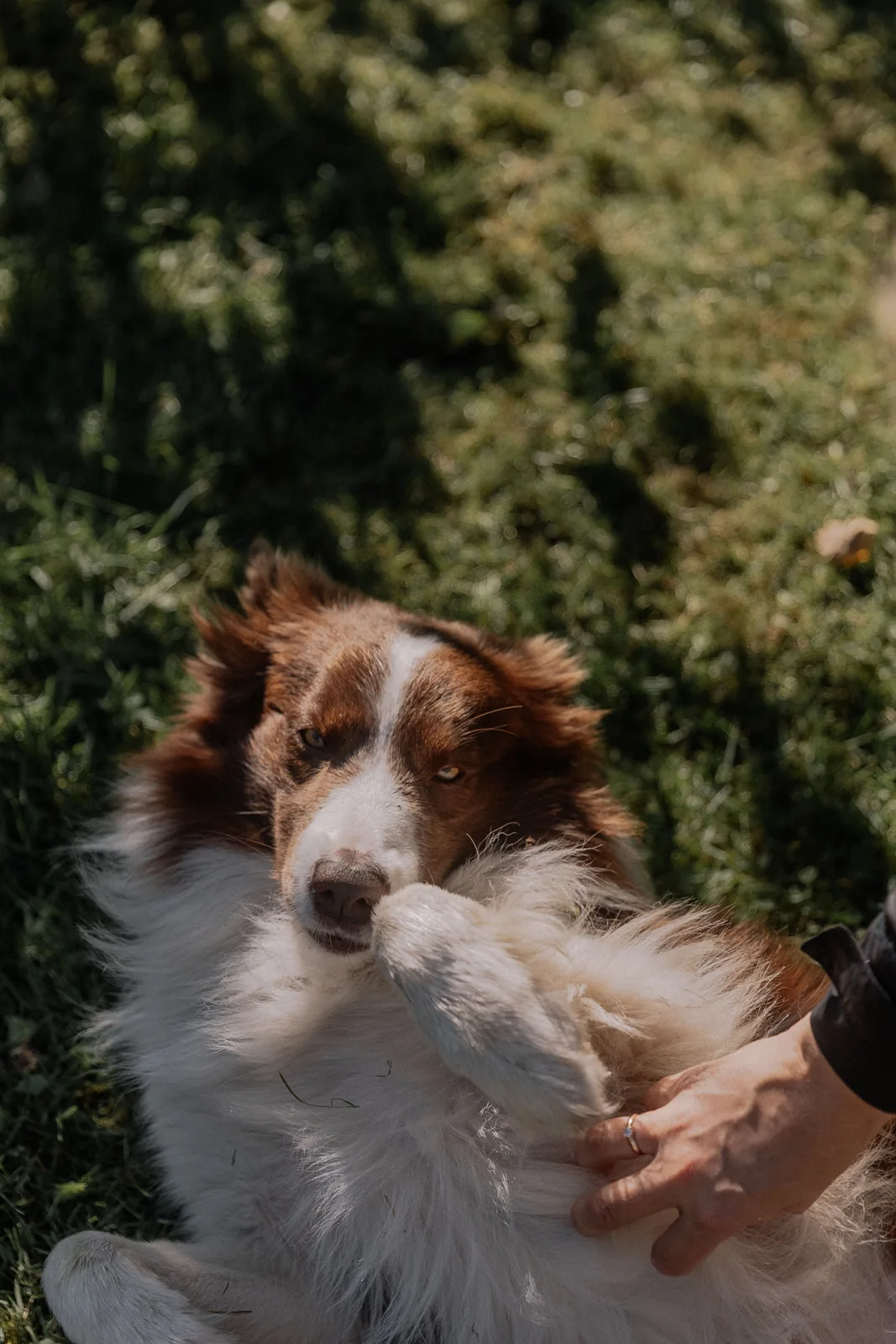
Some dogs like belly rubs because gentle touch and social attention feel rewarding, according to the AKC’s explanation. Preferences vary, and showing a belly can also signal play or unease. Look for a relaxed dog who chooses to stay engaged, pause often, and stop if the dog stiffens, turns away, or leaves.
You do not need to teach a dog to enjoy this particular kind of touch. The useful skill is noticing which contact your dog welcomes, especially in a new home or around unfamiliar people.
Why might a dog enjoy having their belly rubbed?
For a dog who welcomes touch, a belly rub can be another form of pleasant social contact. It may also become a familiar way to get attention from someone they trust. That is a plausible explanation for the preference, not proof of what every dog feels in the same position.
The AKC notes that direct research specifically explaining belly-rub enjoyment is limited. Avoid confident claims that a rub releases a particular amount of a hormone, cures stress, or proves your dog’s trust. You can observe whether the dog comes back for more without making those claims.
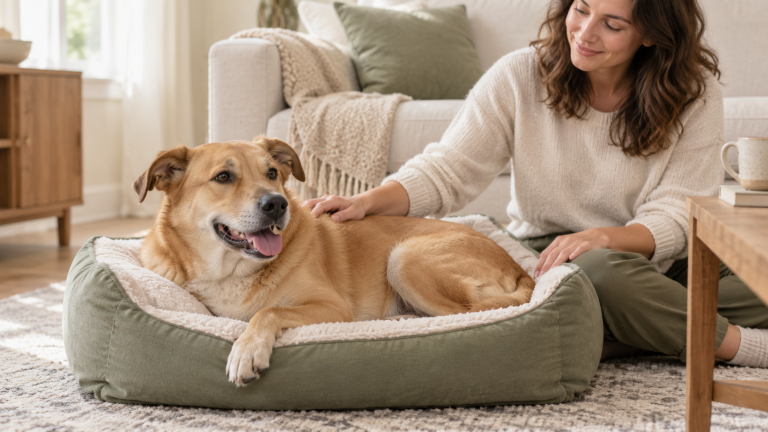
A familiar pattern may look simple: the dog approaches, lies loosely beside you, and moves closer after your hand pauses. Another dog may prefer a chest scratch while standing. Treat those as individual preferences rather than ranking one form of affection above another.
A belly-up position can mean several things
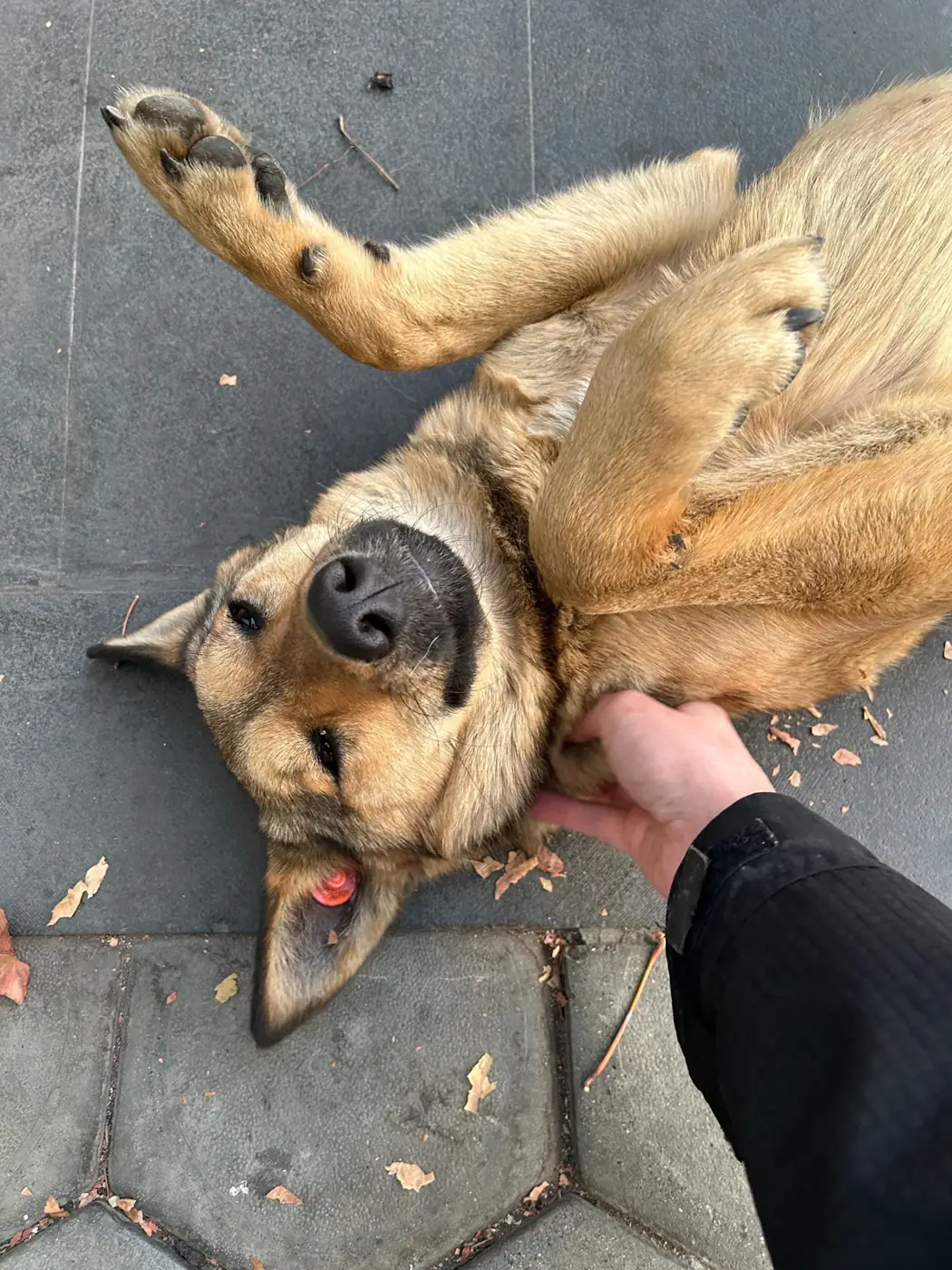
Spay Neuter Network explains that exposing the belly does not always invite touch. A dog may roll during play, rest on their back, or use the posture when uneasy. The position is one piece of information; what happened just before it and the rest of the body matter.
| What you notice | What it might fit | Useful response |
|---|---|---|
| Loose body and voluntary approach | Interest in friendly contact | Offer gentle touch, then pause |
| Stiff body or repeated turning away | Discomfort or uncertainty | Stop reaching and allow space |
| Rolling during an active game | A play movement | Do not assume it invites rubbing |
| Dog resting belly-up at a distance | A resting position | Leave the dog undisturbed |
| Sudden sensitivity when touched | Possible discomfort requiring advice | Stop and contact your vet |
This Animalia comparison is a context checklist, not a way to diagnose an emotion from a photograph. A wagging tail does not settle the question. Dogs Trust advises reading the whole body and the situation because individual signals can have different meanings.
Do not lean over a tense dog to test your interpretation; give them space to decide whether to approach. During greetings, our calm greeting guide provides an alternative to immediately reaching toward a dog on the floor.
How can you check whether your dog wants more?
Offer gentle contact only when the dog appears comfortable and can move away freely. Pause your hand and watch what happens next. Moving closer may support continuing; turning away, freezing, or leaving means stop. If the signals are unclear, give the dog space rather than asking them to tolerate more.
- Let the dog approach instead of rolling them onto their back.
- Begin with light contact where the dog already enjoys being touched.
- Keep your movements calm and avoid crowding the face.
- Pause and allow the dog to choose whether to re-engage.
- Stop promptly if the dog becomes tense, turns away, growls, or leaves.
There is no need for a stopwatch or a forced “consent test.” The pause is simply a chance for the dog’s response to change what you do. Keep an exit clear and never hold a paw or collar to make the dog remain in position.
Animalia example: a dog lies on their back when a visitor leans over them, then turns their face away. The visitor stops reaching and sits farther away. The next interaction might be a toy game or no interaction at all; the dog does not have to accept a belly rub.
Respect preferences and respond to new sensitivity
If your dog dislikes belly rubs, choose contact or play they do enjoy. The AKC advises against forcing a dog onto their back. Ordinary care and grooming can be introduced separately through gentle, reward-based practice; affection does not need to become a handling lesson.
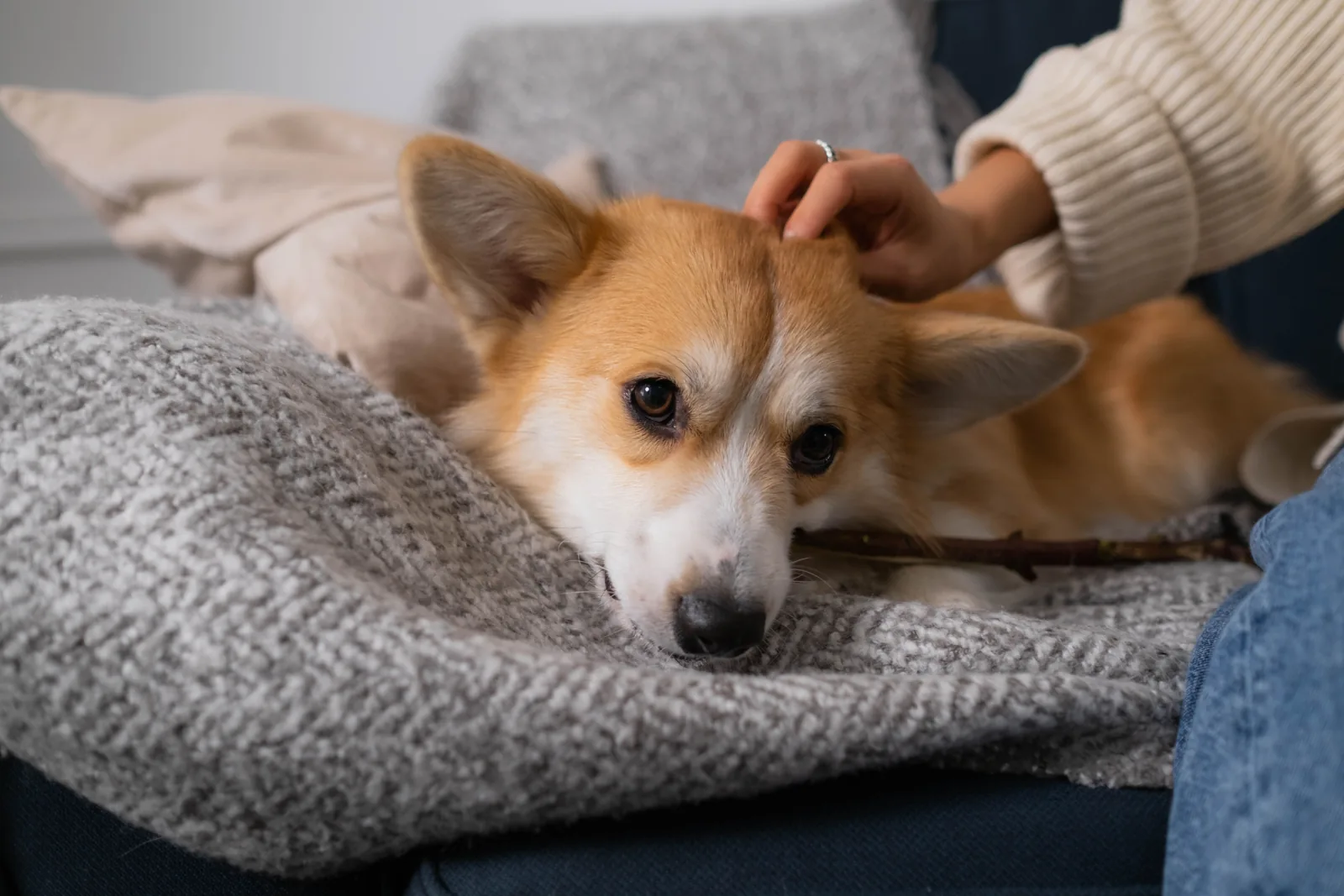
Children should not rub the belly of a dog who is resting, cornered, or reluctant to interact. An adult must actively supervise and step in before the dog has to growl or snap. Teach everyone to leave resting dogs alone, with a comfortable place to retreat.
If a dog who used to welcome touch suddenly avoids it, seems painful, or shows a new change in behavior, contact your vet. Do not keep pressing the same spot to check. For fear, guarding, or biting concerns, arrange appropriate veterinary and qualified reward-based behavior support.
Your next step can be a quieter choice: offer the non-food activity your dog already enjoys, or protect their comfortable resting area. Find related practical advice in the training and behavior hub.
Frequently asked questions
Do all dogs like belly rubs?
No. Some dogs enjoy them, some prefer another kind of touch, and others want little physical contact. Respect the dog’s response rather than treating enjoyment as a requirement. You can build a relationship through play, walks, training, and calm companionship. A dog who declines belly rubs can still enjoy spending time with you.
Does rolling over mean my dog trusts me?
It may occur during a comfortable interaction, but the posture alone cannot prove trust. Dogs also roll during play or when uncertain. Look at the whole situation and whether the dog freely approaches and remains relaxed. Stop if they stiffen, avoid your hand, or try to leave, whatever you think the posture means.
Why does my dog kick a leg during a rub?
A scratch reflex can cause automatic hind-leg kicking: skin stimulation sends a signal through the spinal cord and back to the leg. The movement alone does not prove enjoyment. Pause contact and watch the whole dog; stop for tension or avoidance. Ask your veterinarian about a new, unusually strong reaction, persistent itching, or apparent pain.
Should I keep rubbing if my dog freezes?
No. Stop touching, give space, and let the dog move away. Stillness does not necessarily mean comfort. Do not hold the dog in position, scold a growl, or ask a child to continue. If freezing or defensive responses recur, seek veterinary advice and qualified reward-based help with the specific situation.
Can belly rubs treat anxiety?
They are not an anxiety treatment. A dog who enjoys gentle contact may find that interaction pleasant, but another dog may find the same touch stressful. Persistent fear or distress needs an appropriate care and behavior plan. Let the dog choose comfortable contact while arranging professional help rather than relying on rubbing alone.
What if my dog prefers chest scratches?
That is a valid preference. Offer gentle contact in the area they already welcome, pause, and notice whether they stay engaged. You do not need to work toward belly rubs as a goal. Keep grooming and health checks separate, and ask for help if the dog shows pain or cannot tolerate necessary care.
Why do dogs like being petted?
Some dogs find gentle petting rewarding as social contact. In a 2015 study, dogs in the tested groups preferred petting to vocal praise. That finding does not mean every dog wants every touch or that praise has no value. Let your dog approach, pause contact, and respect their response instead of treating petting as proof of affection.
Sources and editorial notes
- AKC: why some dogs enjoy belly rubs
- Dogs Trust: understanding the whole body and context
- Spay Neuter Network: different meanings of exposed bellies
Animalia Editorial. Last reviewed: October 22, 2026. The comparison table and visitor example are original editorial aids. Belly-rub preferences are interpreted cautiously; no hormone levels, veterinary diagnosis, or individual emotional state are claimed. Editorial standards: Animalia Editorial Policy.
Featured photo: A dog lies belly-up on paving stones beside a person’s hand. Photo: Dogs Devotion / Pexels.
Prepared with AI assistance and reviewed against the sources above.