A puppy may poop several times a day, often soon after meals, so plan a toilet trip after each meal as PDSA advises. There is no single daily count that proves a puppy is healthy. Watch their usual pattern, stool, appetite, and comfort, and call your vet about a sudden change.
Counting every pile can make a new puppy feel like a math problem. A short record is more useful than trying to reach an online average. This guide helps you plan trips, notice changes, and explain a concern to your vet without guessing at a diagnosis.
How many times a day should a puppy poop?
Expect several bowel movements rather than one fixed quota. Meals provide useful prompts for toilet trips, but a trip does not have to produce poop. A puppy may pee, poop, do both, or need another chance later. Judge the pattern alongside how the puppy feels, rather than the count alone.
The primary care sources reviewed for this guide do not set a universal stool count for each puppy age. So this table uses situations you can observe. It is a planning aid, not a test for health or a way to decide how long to withhold a break.
| Situation | What to record | Next step |
|---|---|---|
| After a meal | Meal time and whether poop follows | Offer a toilet trip and note the result |
| After sleep or play | The last break and new toilet signals | Offer access without waiting for the usual clock time |
| Same count, different stool | Any new looseness, blood, or discomfort | Contact your vet about the change |
| More frequent small attempts | What passes and any straining | Ask your vet for advice promptly |
| No stool with discomfort | Attempts, appetite, and other changes | Contact your vet instead of trying home remedies |
Keep pee and poop separate in your notes. A puppy who has already pooped can still need to pee. Our puppy bathroom-break planning guide covers that separate timing question. A daily poop total should never become the maximum number of outings you allow.
What can change your puppy’s poop pattern?
Changes to meals, new foods, stress, and illness can change the pattern you see. The count alone cannot tell you which applies. Note what changed and whether the stool or puppy looks different. Then share the record with your vet if the change is sudden, persistent, or worrying.
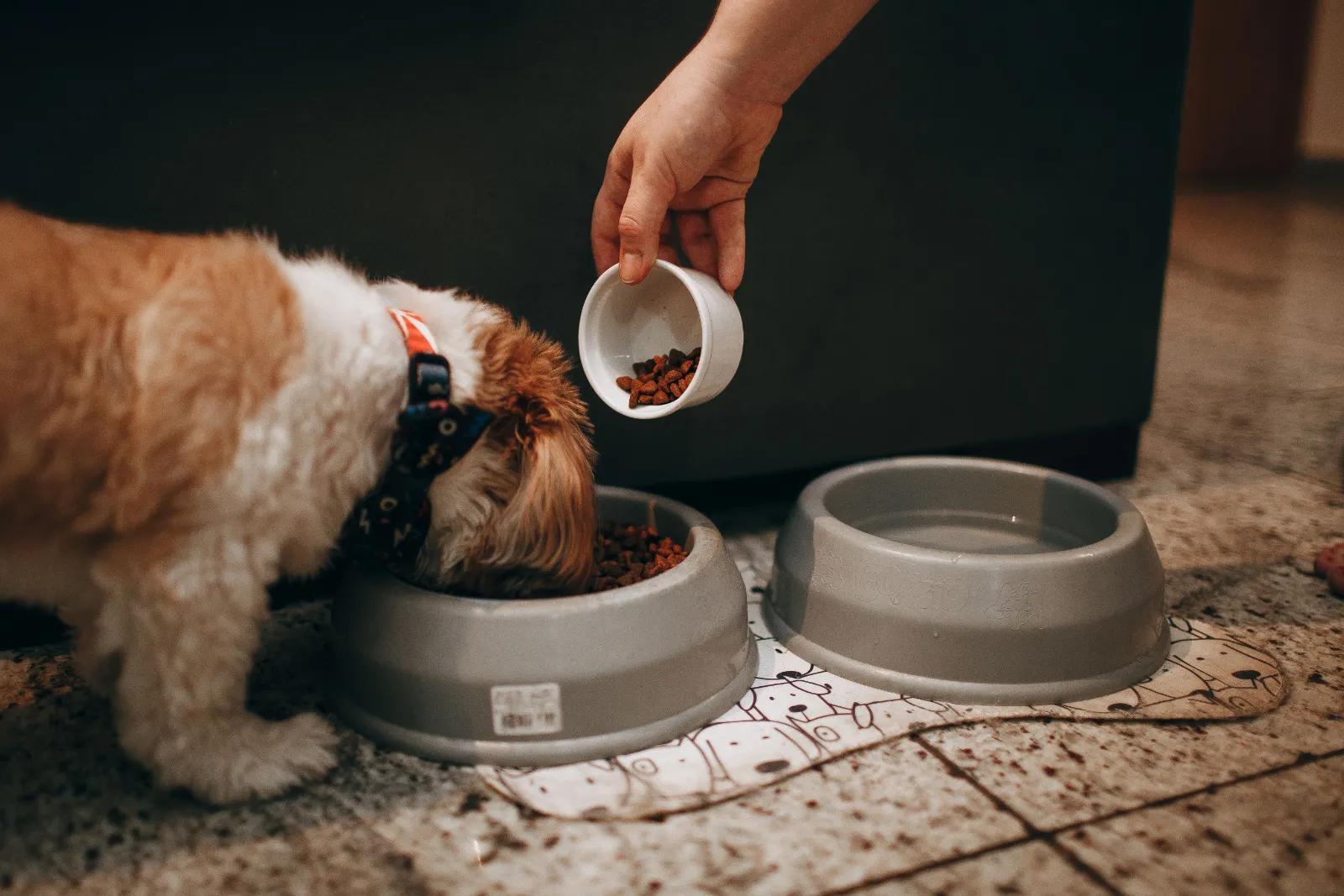
Animalia recommends recording what changed before trying to explain it. Keep the food and care notes for your vet.
Cornell lists abrupt diet changes and stressful events among possible causes of diarrhea. That does not mean you can identify the cause from a busy day or a new treat. Keep the food label and note all extras. Ask your vet before changing the diet to fix the count.
Also keep routine health checks in place. Cornell explains that puppies can have roundworms and some infected dogs have no signs. A normal-looking stool does not rule out parasites. Let your vet decide which checks are needed; do not diagnose worms from a photo or start a treatment plan yourself.
Make a useful toilet and meal record
For each trip, record the time, whether the puppy peed or pooped, and anything unusual. Add meal times and who was supervising. Write plain descriptions such as “loose stool” or “strained without passing anything.” These notes give your vet context and help another caregiver offer breaks before an accident.
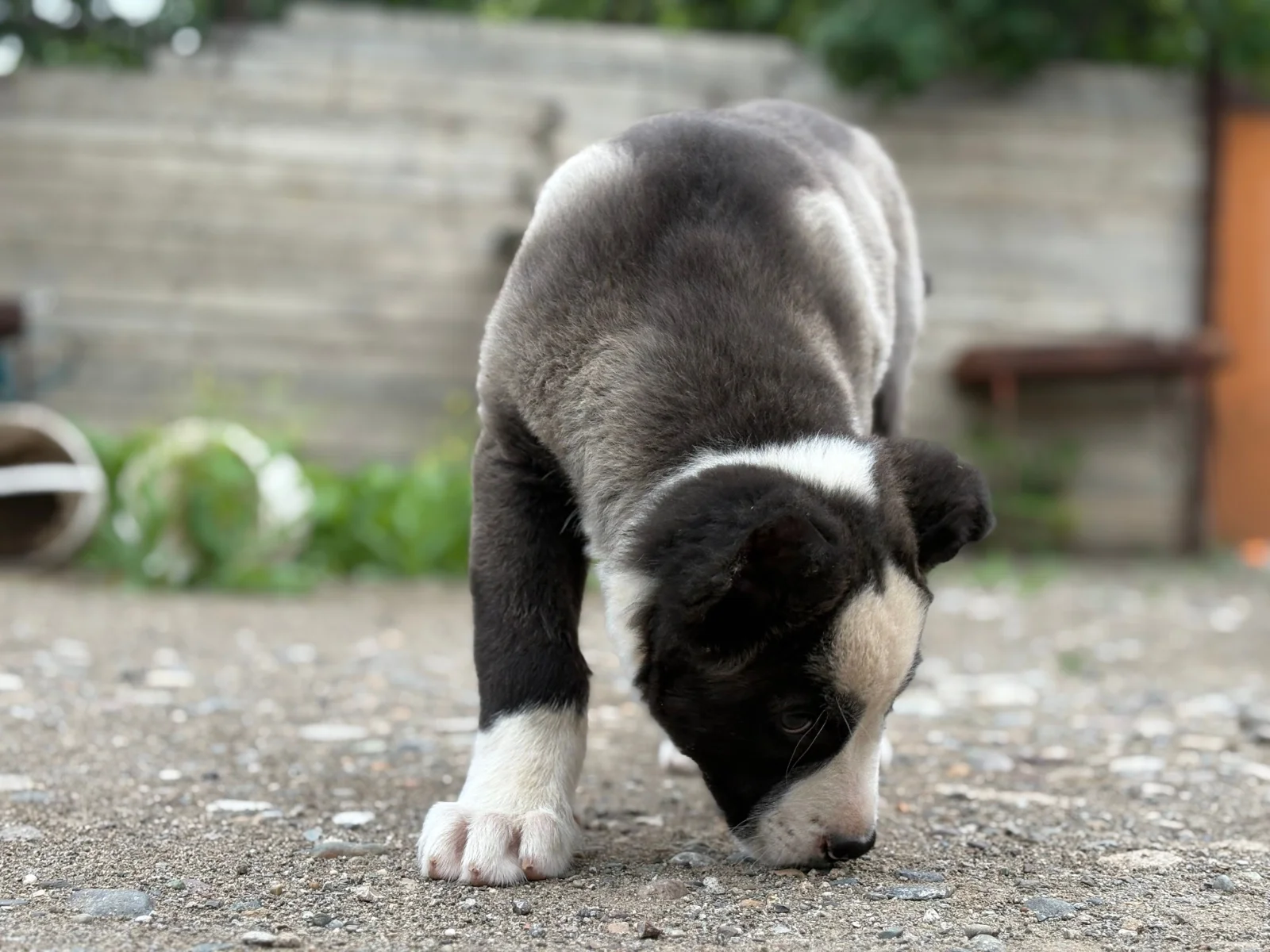
For example, a record might read: “Breakfast, then a trip outside; peed but no poop. Later, sniffed near the door; went outside and passed stool.” This is an invented illustration, not a target schedule. You can use a phone note or paper kept beside the puppy’s supplies.
PDSA recommends outings after meals, sleep, and play, with praise and rewards for toileting in the chosen place. If the puppy does not go, keep them close enough to notice signals and offer another chance. Do not force a long wait or punish an accident. Our puppy potty-training routine explains the full learning process.
When should you call your vet?
Call promptly if the puppy has diarrhea, repeatedly strains, or has a marked change in their usual pattern. Seek urgent veterinary care for blood with illness, black or tarry stool, vomiting, weakness, obvious pain, or a puppy who will not eat. Do not wait for a daily stool quota.
Animalia’s priority is timely help for a sick puppy. A count on a chart should never delay that call.
VCA advises immediate veterinary attention when puppy diarrhea comes with lethargy, refusal of food, vomiting, or blood. If you are unsure how urgent the problem is, phone your vet or emergency clinic. Describe the puppy’s age, symptoms, and when the change began.
Ask whether to bring a stool sample and how the clinic wants it stored. Keep fresh water available. Do not fast a puppy, add laxatives or supplements, or give human medicines to change the result without veterinary advice. For the wider care setup, return to our puppy care and crate introduction guide.
For the next step, write down meals, trips, and stool changes. Use our puppy care guide for the wider setup, potty-training routine for learning, and bathroom-break guide for the separate pee-timing question.
Frequently asked questions
Is pooping after every meal normal?
Meals are a useful cue to offer a toilet trip, and many puppies need to poop soon afterward. But do not expect a one-for-one match every time. Record the pattern your own puppy shows. If their stool changes, they seem uncomfortable, or the frequency shifts suddenly, contact your vet rather than relying on meal timing.
Should my puppy poop on every outing?
No. A toilet trip offers a chance to go; it does not have to produce a bowel movement. Your puppy may need to pee instead, or may need another chance later. Continue to watch for signals such as sniffing and circling. Never restrict later breaks because the puppy has already met a daily count.
What if my puppy poops twice on one walk?
Record both bowel movements and look at the stool and the puppy’s comfort. The number alone does not tell you whether anything is wrong. If the second attempt is repeated straining, only a small amount passes, or there is a new stool change, contact your vet. Do not keep walking to force another result.
Does normal-looking poop rule out worms?
No. Cornell notes that some dogs with roundworms show no signs, and your vet may need to check a stool sample. Keep the puppy’s planned health visits and parasite checks. If you see something unusual, record or photograph it safely and call the clinic. A picture alone cannot establish the cause or the right treatment.
How long can I wait if my puppy cannot poop?
Do not use an online hour limit when your puppy is straining, vomiting, painful, weak, or otherwise unwell. Contact your vet promptly and describe what you are seeing. If the puppy seems comfortable but their normal pattern has stopped, still call for advice. Do not try to make them poop with food, medicines, or force.
Sources and editorial notes
- PDSA: puppy toilet-training care
- VCA: what to do when a puppy has diarrhea
- Cornell: diarrhea and warning signs
- Cornell: roundworms
Animalia Editorial. Last reviewed: October 29, 2026. This guide supports observation and care planning; it does not diagnose stool changes or prescribe treatment. See our editorial policy.
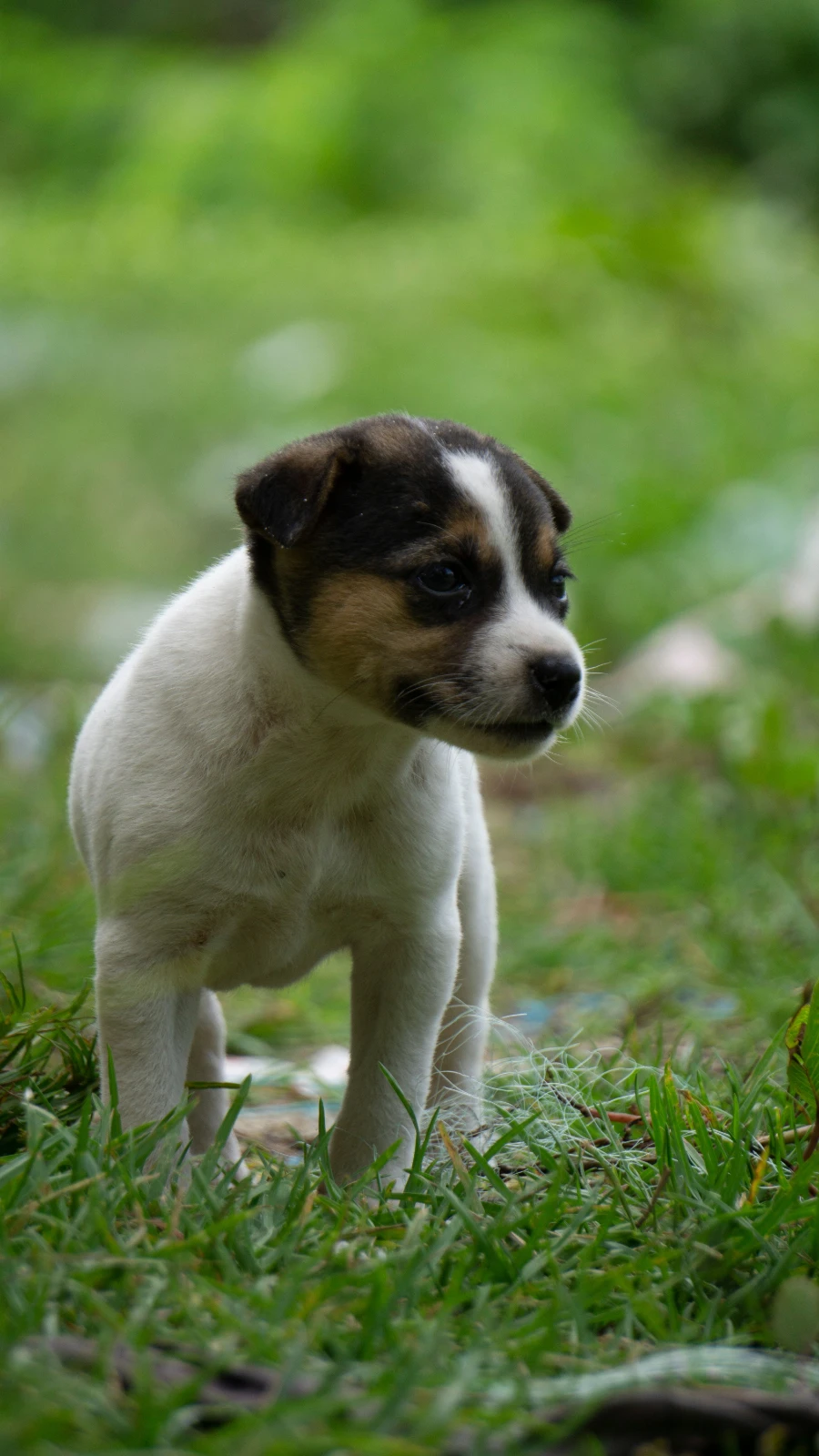
Featured photo: A brown and white puppy standing on grass. Photo: Rohit George / Pexels.
Prepared with AI assistance and reviewed against the sources above.