An adult rescue dog’s first week should make care predictable and the home manageable. Prepare a comfortable resting area, agree on household responsibilities, and keep introductions and outings modest. Follow the rescue’s handover advice and the veterinary team’s guidance for the individual dog.
Use the handover information
Ask about familiar food, equipment, care records, preferences, and known difficulties. Keep contact details for the rescue and veterinary team available. Clarify anything you do not understand before trying a new routine.
Do not assume a dog’s behavior in a new home exactly matches a brief meeting. Give yourself a plan for observation and support rather than promising that settling will take a fixed number of days.
Prepare a manageable starting space
- A comfortable bed with undisturbed access.
- Reliable water and the established feeding arrangement.
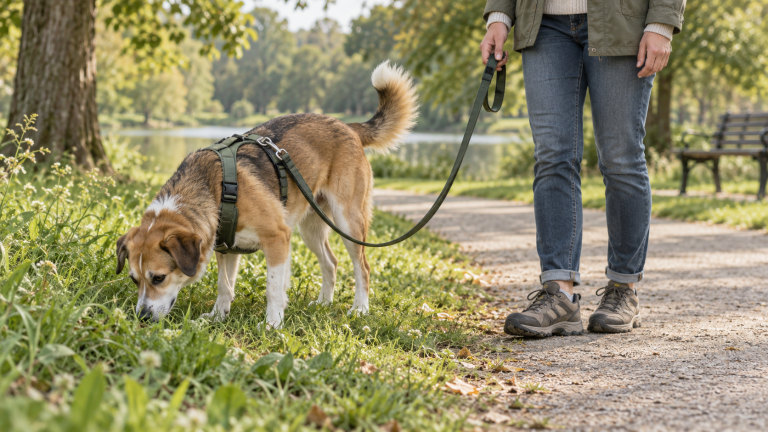
- Suitable inspected walking equipment.
- Clear household routes and secure access rules.
- A small selection of appropriate toys.
- A bathroom and supervision plan.
Keep visitors limited and explain that the dog can choose space. Avoid crowding the resting area or arranging immediate greetings with several unfamiliar animals.
Start with ordinary care
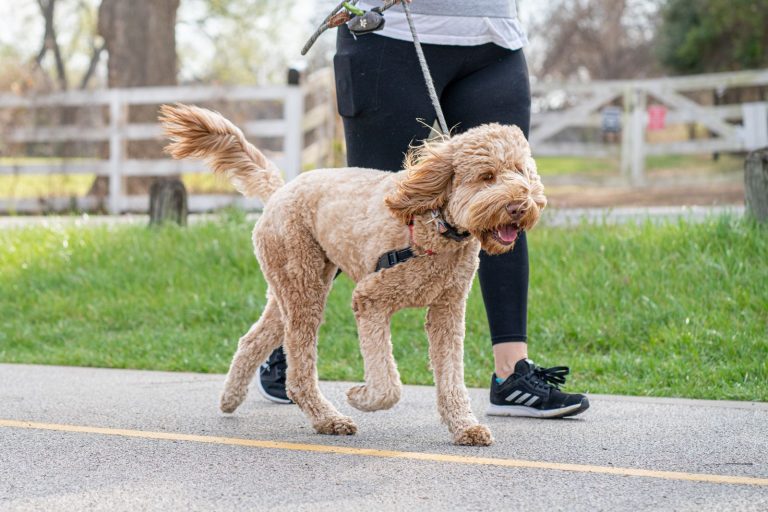
Provide appropriate bathroom opportunities, suitable manageable outings, and rest. Watch the response to surroundings instead of choosing the busiest route as the first adventure.
The daily routine guide provides a framework to adapt. It is not a timetable every dog should follow from arrival.
Introduce learning in easy moments
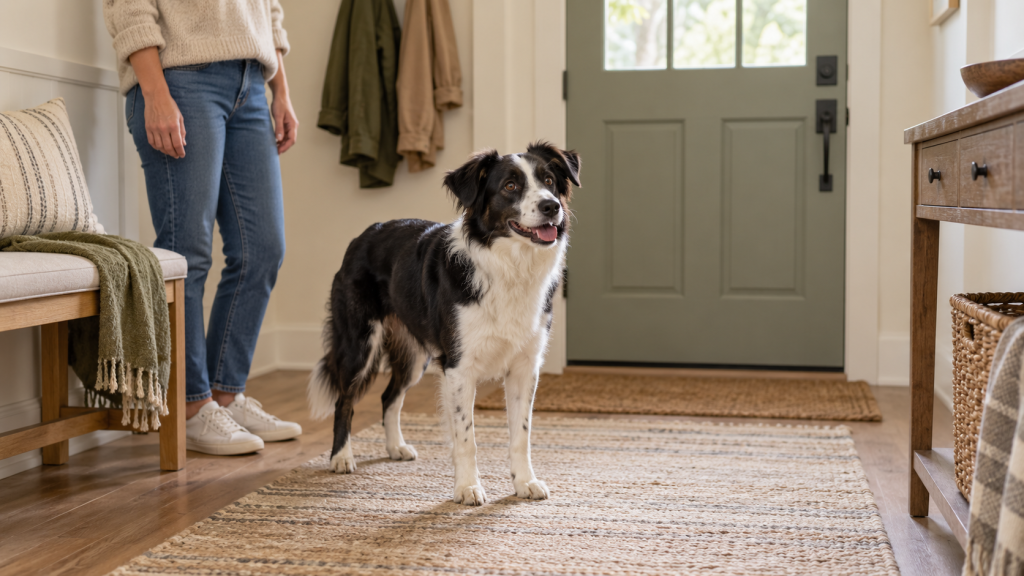
Reward small useful behavior, such as a voluntary check-in in a quiet room. Keep practice brief and avoid testing advanced cues in unfamiliar situations. Review our reward-based training guide.
Manage the environment while you learn about the dog. Putting tempting items away or allowing more space is often more practical than expecting immediate understanding of household rules.
Know where to seek support
Contact the rescue and veterinary team about concerns. Persistent distress, fear, guarding, or discomfort needs individualized guidance. Do not use force or intimidation to prove household authority.
Keep factual notes about the setting and response. “Avoided the busy road” is more useful information than “refused to obey.” Do not stage difficult encounters to test progress.
Sources and editorial notes
General welfare context: Dogs Trust: dog ownership guide. This is a home-planning checklist, not an individualized rescue assessment or a guaranteed settling timeline.
Featured image: Illustrative resting scene, generated with AI; resting dogs should be allowed to choose interaction.