To teach a name response, start somewhere quiet and reward your dog for turning their attention toward you after hearing their name. The name asks for attention; it does not automatically mean sit, come, or stop. Keep that meaning clear as you practice.
Prepare an easy starting point
Choose a familiar room without an exciting activity happening nearby. Have small suitable rewards ready. Begin when the dog is awake, comfortable, and available to interact rather than interrupting sleep or an important care task.
Decide what you will reward: a voluntary turn of the head toward you is enough initially. Do not require prolonged eye contact.
Practice the first response
- Stand or sit close enough for an easy interaction.
- Say the dog’s name once in a friendly voice.
- When they orient toward you, mark that moment if you use a marker.
- Deliver a suitable reward promptly.
- Pause before another opportunity.
If there is no response, do not repeat the name louder and louder. Reduce distractions, reposition, or take a break and return to an easier setup.
Keep the name distinct
Avoid using the name as a scolding sound or repeating it throughout every conversation. For movement toward you, teach a separate recall cue.
Ask household members to use the same simple approach. A name response becomes less clear when one person rewards attention and another expects an untrained sequence of actions.

Change the setting gradually
When the starting setup is comfortable, practice in another quiet room or at a slightly different distance. Change one feature at a time and reward easy responses.
Do not jump straight to asking beside moving dogs or busy traffic. Our distraction checklist helps plan a smaller next step.
Keep a useful record
Note the location, distance, and what else was happening. “Turns toward me in the kitchen when it is quiet” gives you a clearer starting point than “knows his name.”
If a previously responsive dog suddenly stops responding, consider hearing, health, comfort, and context with your veterinary team rather than assuming deliberate disobedience.
Sources and editorial notes
Training reference: Dogs Trust: name training. This is an introductory practice plan without a promised learning deadline.
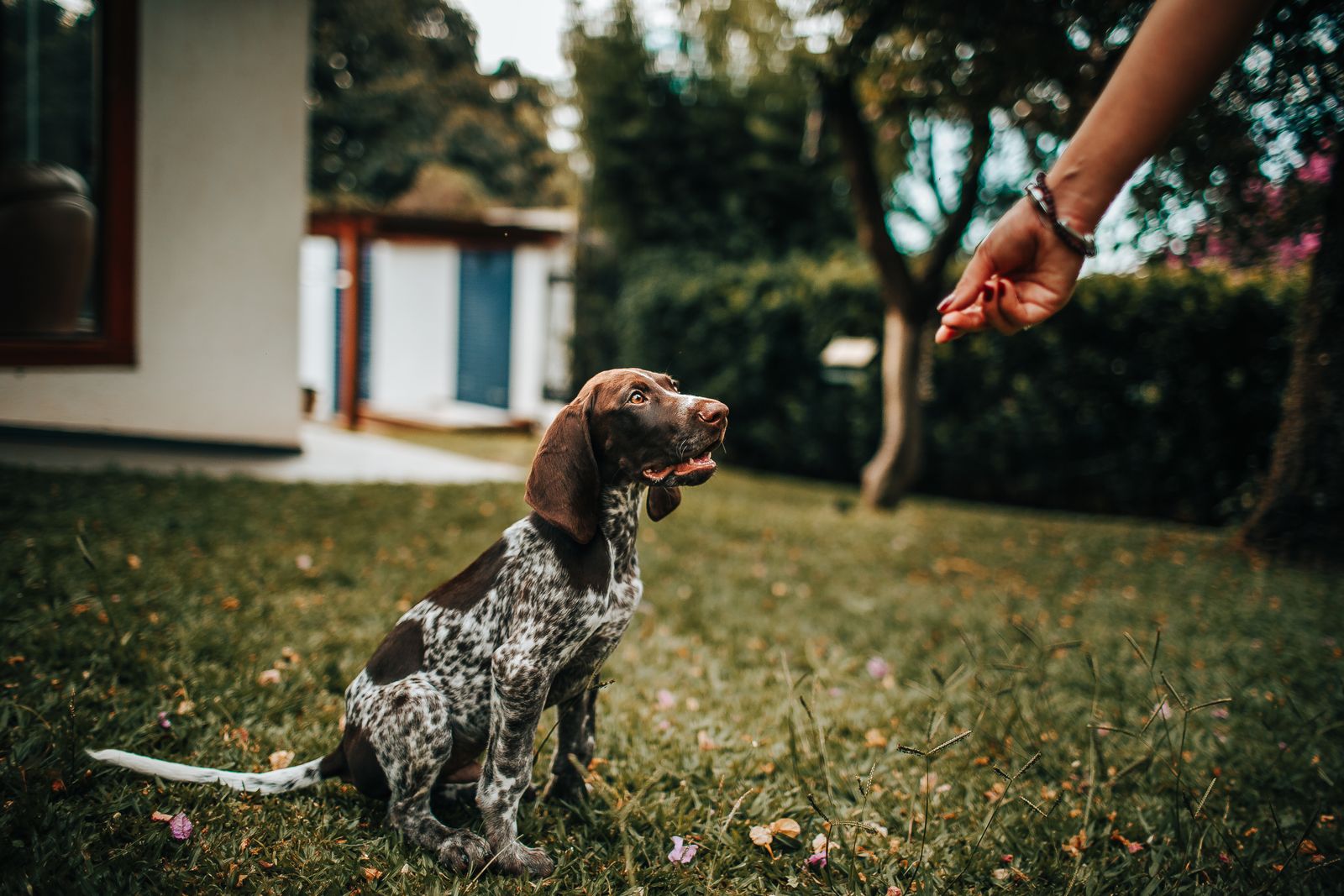
Featured image: Illustrative reward-based interaction, not a documented Animalia training session. Photo: Helena Lopes / Pexels.