To potty train a puppy, take them to the same toilet area after waking, meals, drinking, and play. Stay nearby and reward right away after they finish. Between trips, watch closely and clean accidents calmly. AVSAB recommends immediate outdoor rewards, close watching, and avoiding punishment so the puppy learns where to go.
The difficult part is fitting those steps around naps, work, and trips through an apartment building. This guide gives you a repeatable routine, an accident-troubleshooting table, and a simple record you can share with everyone caring for your puppy.
How often should you take a puppy outside?
Humane World for Animals recommends taking puppies out at least every two hours, plus after sleep, play, eating, and drinking. An awake, active puppy may need more frequent chances. Treat that interval as a starting reminder, then shorten it whenever your puppy’s signals or accidents show they need earlier access.
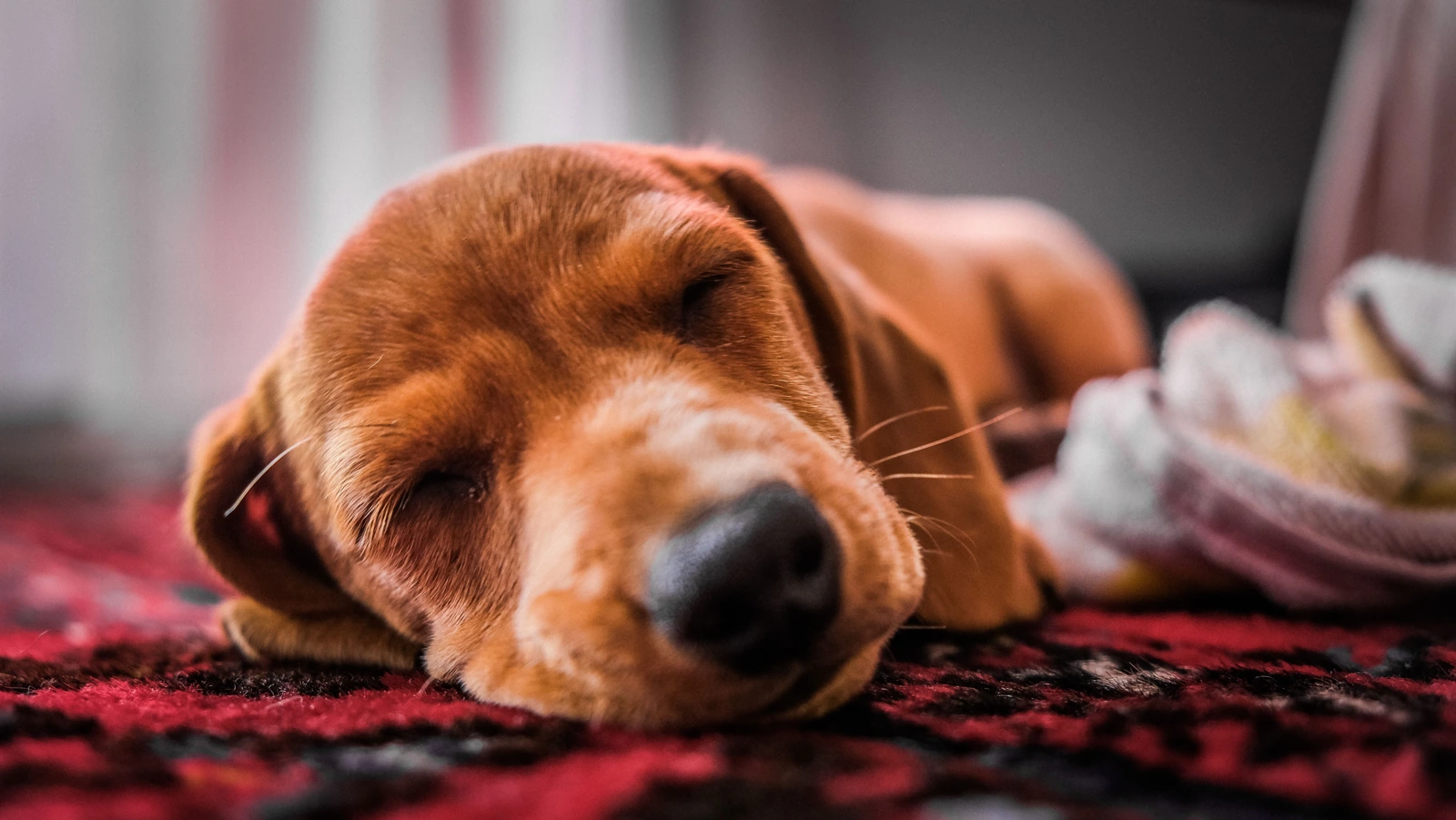
A calendar age cannot tell you exactly how long your puppy will stay dry today. Do not use a months-to-hours rule as a target to make them wait. Instead, note what happened before each successful trip or accident. Set the next reminder earlier than the point where your own puppy usually struggles.
| When to offer a trip | What you do | What to record |
|---|---|---|
| Waking in the morning or from a nap | Go to the chosen toilet area before starting another activity. | Wake time and whether your puppy peed or pooped. |
| After a meal or a drink | Watch closely and provide a prompt chance to go. | When they ate or drank, then the next toilet time. |
| During or after active play | Pause the game for an easy toilet trip. | Whether excitement meant an earlier break was needed. |
| Sniffing, circling, or suddenly wandering away | Guide your puppy to the spot without a delay. | Which signal you noticed and whether you arrived in time. |
| Before settling for the night | Offer a quiet final toilet chance. | Bedtime and any overnight wake-ups. |
Where should you set up the toilet area?
Choose a reachable spot where you can accompany your puppy. Put shoes, waste bags, a leash, and small rewards by the exit. Decide who is watching the puppy before each handoff. A clear plan matters more than buying a special bell, spray, or branded training kit.
For a new puppy, ask your vet which outdoor areas are suitable locally while their vaccination course is in progress. If your route includes an elevator or shared hallway, allow time for that journey. Keep your puppy’s access needs in mind when choosing a temporary indoor toilet area.
Prepare the rest of the home with the new puppy home checklist. Close access to rooms you cannot watch. Your puppy still needs a comfortable place to rest, drinking water, and normal chances to play and interact.
A seven-step potty training routine
Repeat the same small sequence each time rather than changing methods after every accident. The AVSAB house-training guide emphasizes close watching, clear rewards, and preventing accidents. Keep the reward ready before you leave so the useful moment does not pass while you search a pocket.
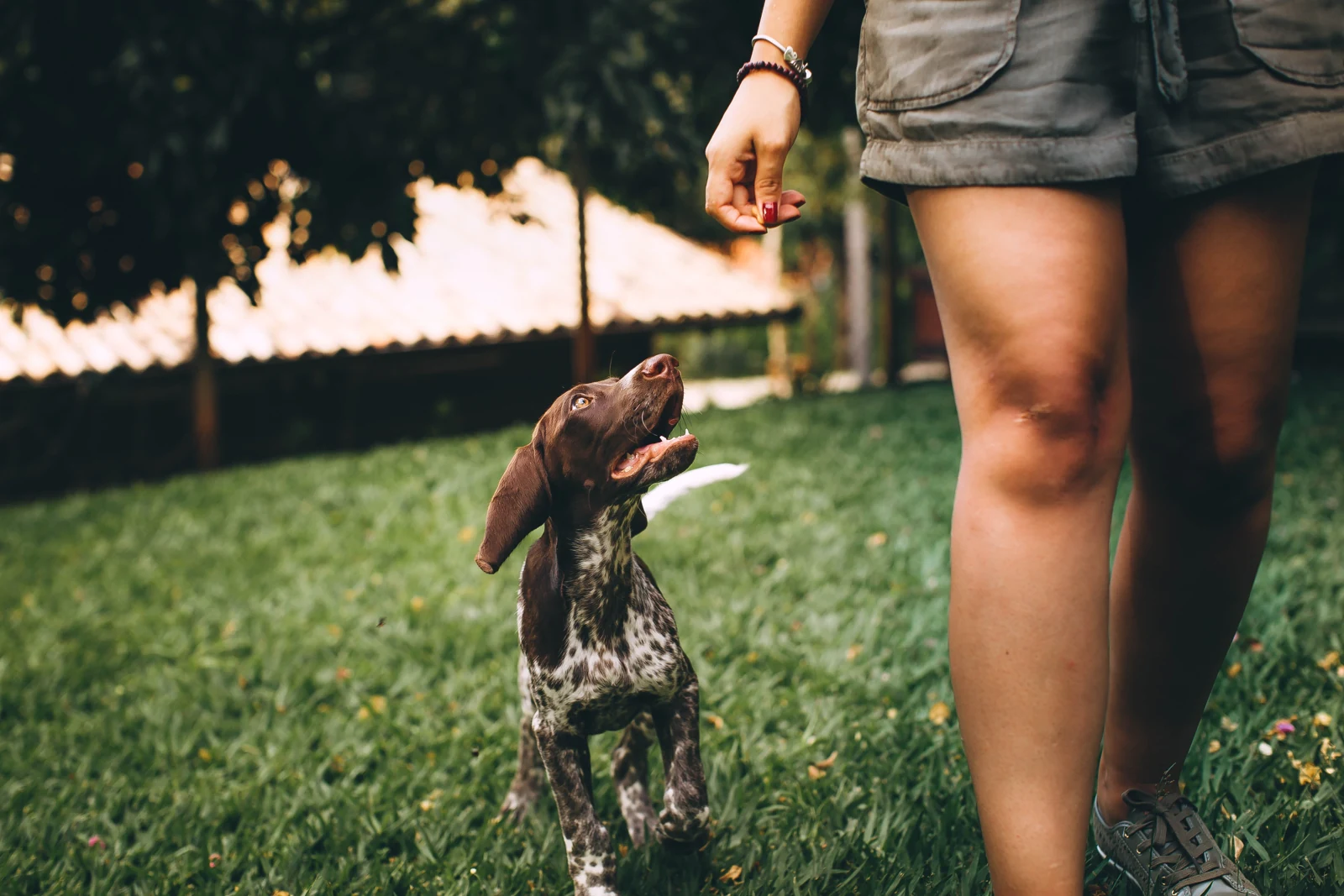
- Notice the chance. Use a routine event, a reminder, or an early toilet signal to start the trip. Do not wait for barking at the door.
- Go to the chosen spot. Accompany your puppy. In an unfenced area, use a comfortable harness or collar and leash so you can stay safely nearby.
- Give them a quiet chance. Let them sniff without starting an exciting game or repeating a cue over and over.
- Add a cue as it happens. Say a short phrase, such as “go potty,” quietly when toileting starts. It becomes meaningful through repetition.
- Wait until they finish. Then praise and give the reward right there. A treat delivered after returning to the kitchen rewards a different moment.
- Continue with a suitable activity. If the surroundings are safe and the puppy is comfortable, the trip can include a little calm sniffing afterward.
- Record the result and watch again. Write down success, no result, or an accident. Use that information to plan the next chance.
The cue and reward timing follow Dogs Trust’s house training guidance. Once your puppy understands the routine, the cue may help in a familiar place. It still cannot make a puppy empty a bladder or bowel that does not need to empty.
What if your puppy does not go outside?
Return indoors calmly, keep your puppy in view, and offer another chance soon. Avoid giving them free access to a hidden corner right away after an unsuccessful trip. The RSPCA recommends responding to toilet signals and rewarding success, rather than using fear or punishment to stop accidents.
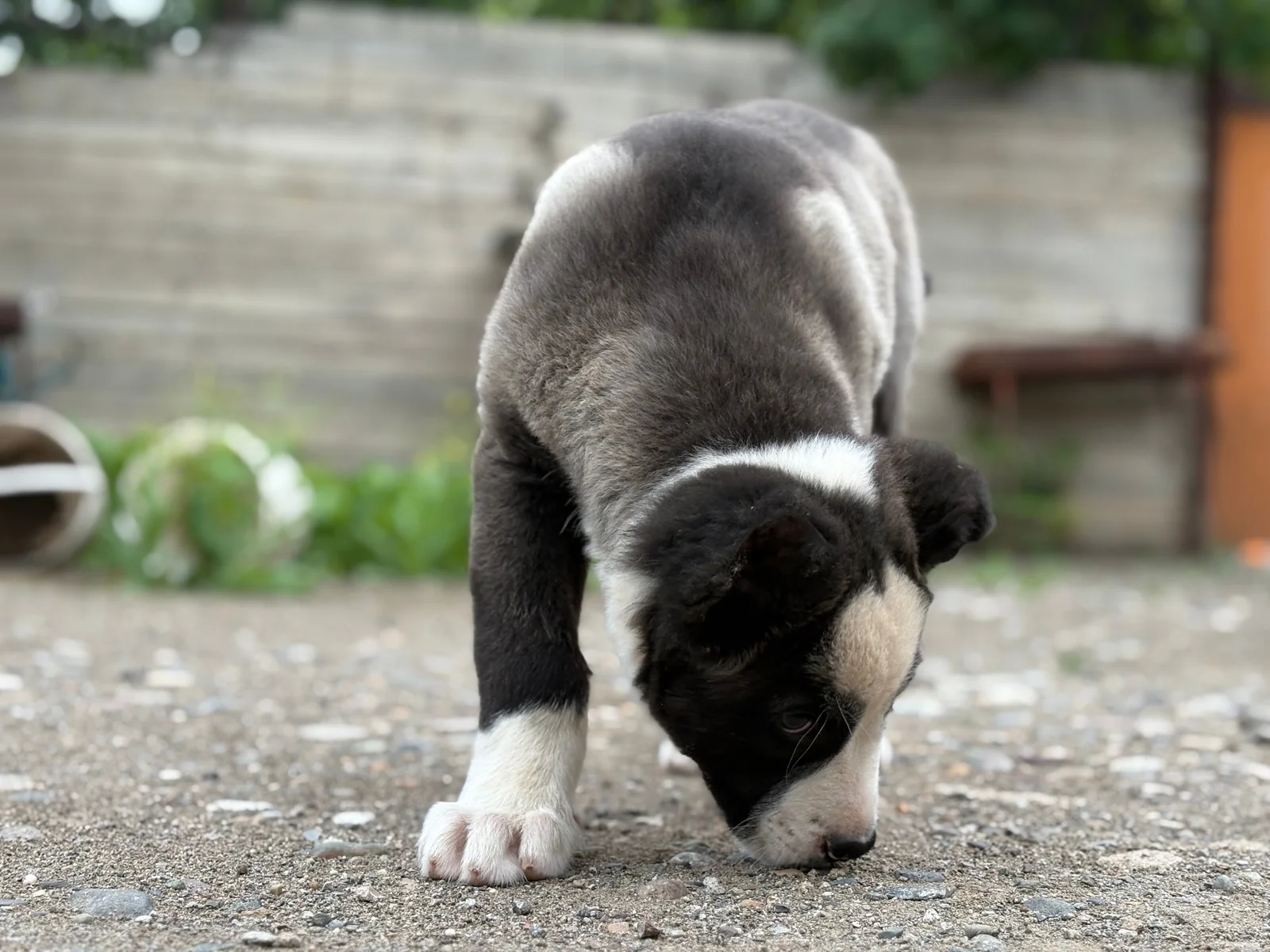
Look at the trip itself. Was the place busy? Did you begin playing before your puppy could settle? Did the elevator journey use up the time you had? Change one part of the setup so you can tell whether it helps. If your puppy seems frightened, prioritize a quieter, safer location.
| What you notice | First adjustment | What you are checking |
|---|---|---|
| Pees just after coming inside | Supervise closely after a no-result trip and try again sooner. | Whether the outdoor break was long enough and calm enough. |
| Accidents in another room | Reduce roaming space and name the person watching. | Whether you can notice early signals. |
| Accidents around playtime | Build a toilet pause into the game. | Whether activity predicts an earlier need. |
| Avoids toileting when you watch | Use quiet company and stop all corrections. | Whether your presence has become worrying. |
| A new pattern despite previous progress | Record the change and contact your vet. | Whether health or another concern needs assessment. |
Handle accidents, nights, and time away
If you find a puddle later, clean it without taking your puppy back to inspect it. Use a pet-safe cleaner intended for urine, follow its label, and keep the puppy away while it is in use. An accident is information about timing and access, not evidence that your puppy is being spiteful.
Dogs Trust advises staying calm if you notice toileting in progress. Avoid grabbing, shouting, or frightening your puppy. If they can move comfortably to the right place, give them that chance and reward any finish there. If they have already finished, concentrate on cleaning and adjusting the next chance.
At night, plan a quiet route and listen for your puppy waking or becoming restless. Offer a toilet break and return to the resting area with little excitement. Do not promise yourself that a puppy should sleep through by a particular age. Keep notes so nighttime help matches their current needs.
When you cannot watch, arrange another caregiver or a suitable puppy-safe area. A crate is an option only after a gradual, comfortable introduction. It should never force a puppy to soil their bed. For shared care, use clear sitter instructions with the same route, cue, and reward timing.
An indoor toilet area may be necessary when outdoor access cannot be provided reliably. Keep it distinct from bedding and food, and use the same reward-based process there. If the eventual goal is outside, plan a gradual transition. Do not remove the available option before the puppy can reach the new one.
Keep a useful log and know when to ask for help
Animalia’s example log below is a planning aid, not a prediction for your puppy. Record actual events instead of copying a rigid day plan. In a shared household, the final column prevents two people from assuming the other has already taken the puppy out.
| Event | Toilet result | Next action | Caregiver |
|---|---|---|---|
| Woke from a nap | Pee outside | Watch after breakfast and offer another trip. | Write a name. |
| Finished breakfast | No result outside | Stay in view and try again soon. | Write a name. |
| Started a chase game | Pee outside during a pause | Return to a calmer activity. | Write a name. |
| Found a puddle by the sofa | Timing unknown | Clean, reduce roaming, and note the watching gap. | Write a name. |
| Woke during the night | Pee outside | Return quietly to rest and record the time. | Write a name. |
Contact your vet if toileting changes suddenly, your puppy appears uncomfortable, or you are concerned about frequent accidents despite a consistent routine. Describe what you observe without trying to diagnose it. If your puppy seems unable to pee, contact a vet or emergency clinic right away. A qualified reward-based trainer can help with the learning plan.
Frequently asked questions
Can I potty train my puppy without a crate?
Yes. Supervision, frequent access to the chosen toilet area, and immediate rewards are the core process. A puppy-safe pen or gated area can support management when used comfortably. A crate is one possible tool, not a requirement. Choose an arrangement that meets your puppy’s toilet, rest, water, movement, and social needs.
Should I use puppy pads or go straight outside?
Choose the option your household can provide consistently and safely. If you can take your puppy outside whenever needed, you can begin there. If access takes too long or a vet advises avoiding particular outdoor areas, an indoor option may help. Make the surface and location clear, then plan any later change gradually.
How long does puppy potty training take?
There is no reliable finish date for every puppy. Age, previous learning, health, watching, and access all affect progress. Look for a pattern of successful trips, fewer accidents, and clearer signals before increasing freedom. A setback means reviewing the setup. It does not mean that you should punish the puppy or suddenly change every part of the routine.
Why does my puppy pee as soon as we come inside?
The puppy may not have finished, may have been distracted, or may need an earlier chance than your schedule provides. Keep them in view after a no-result trip and offer another chance soon. Record whether the outdoor location is noisy or worrying. If the pattern is new or accompanied by discomfort, ask your vet.
Should I wait for my puppy to ask to go out?
No. Offer planned chances before the puppy has to signal urgently. You can build a door or bell signal later, but it does not replace access after sleep, meals, drinks, and play. Note small signals too, such as sniffing or circling. The aim is to arrive at the toilet spot while success is still possible.
What should everyone in the household do the same way?
Use the same toilet location, a calm route, the same short cue, and a reward right away after toileting finishes. Share the log and say explicitly who is watching next. Keep cleaning supplies and rewards accessible to adults. If one person is missing chances, change the handoff rather than blaming the puppy for mixed routines.
Your next step
Start with the next nap, meal, or play session: have rewards ready, take your puppy to the chosen spot, and write down what happens. Review the positive reinforcement training guide for timing and the training and behavior guides for related skills. Adjust the routine to your puppy’s results.
Sources and editorial notes
- AVSAB: Housetraining Tips, immediate rewards, watching, and avoiding punishment.
- Humane World for Animals: How to Potty Train Your Dog or Puppy, regular chances and management.
- Dogs Trust: How to Toilet Train Your Puppy, toileting cues and calm accident handling.
- American College of Veterinary Surgeons: Urinary Obstruction in Dogs, why inability to urinate needs immediate veterinary attention.
- RSPCA: Toilet Training, responding to signals and seeking professional advice.
Animalia Editorial. Sources checked October 22, 2026. The log and troubleshooting tables are original illustrative planning tools, not results of a puppy trial. This article gives general care and training information. It does not diagnose or treat a health condition. See the editorial policy.
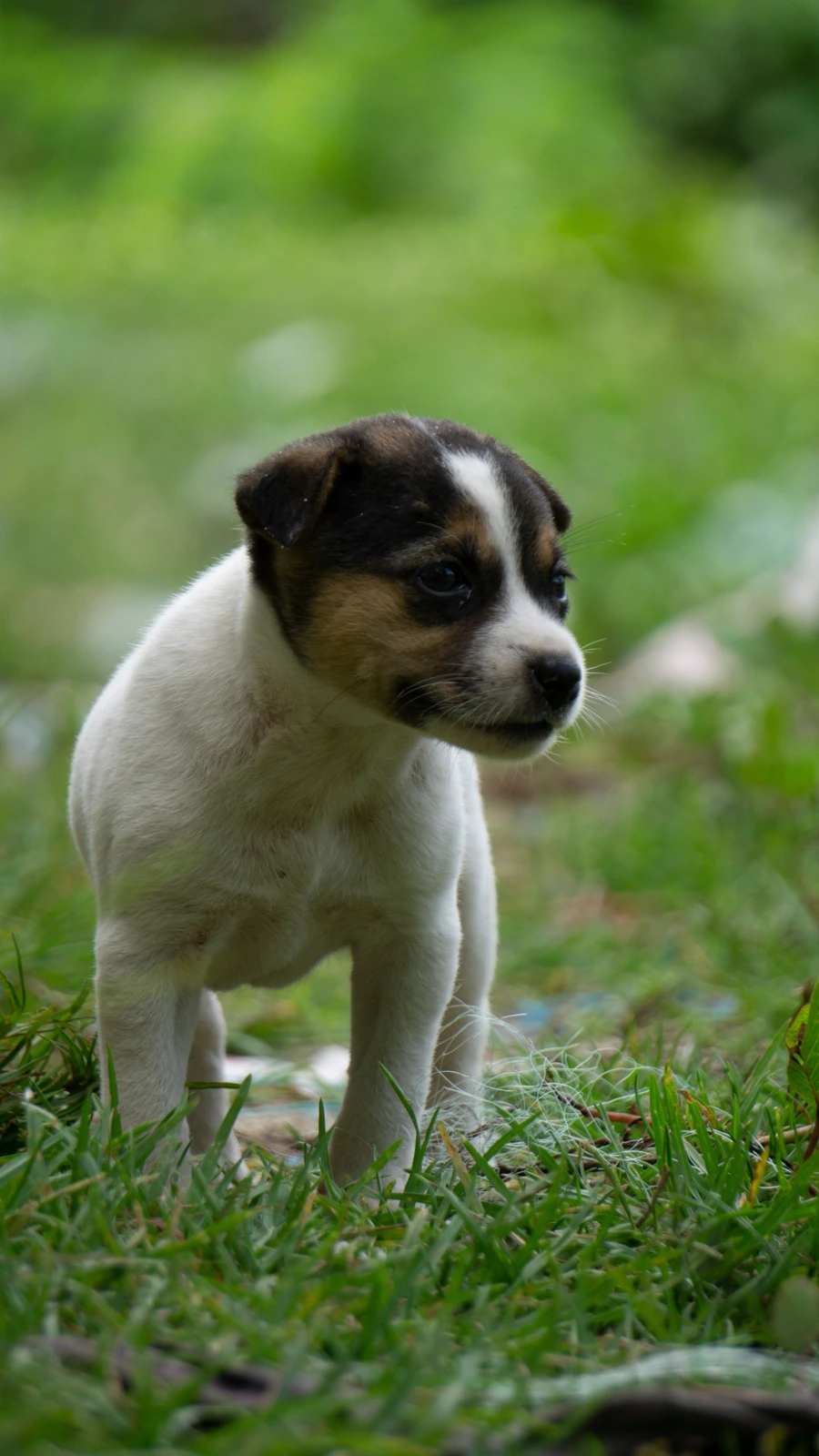
Featured photo: A brown and white puppy standing on grass. Photo: Rohit George / Pexels.
Prepared with AI assistance and reviewed against the sources above.