Feed puppy food until growth is complete: VCA places maturity around 10–12 months for small and medium breeds, and 18–24 months for large and giant breeds. These are planning ranges, not automatic switch dates. Your vet should confirm the timing for your dog’s growth, expected adult size, and current diet.
The question is when to change the food’s life stage, rather than when to reduce meal frequency. Start with the new puppy care checklist if you still need to organize food records and veterinary care.
When should puppy food end for different dogs?
Use expected adult size and your puppy’s growth history to plan the review. A small dog may finish growing well before a giant breed of the same age. Looking adult, losing baby teeth, or reaching a birthday does not prove that your puppy should immediately change foods.
| Dog or situation | Useful starting point | What to check |
|---|---|---|
| Small or medium breed | Maturity often around 10–12 months | Ask whether growth has finished |
| Large or giant breed | Maturity may take 18–24 months | Check large-breed growth needs |
| Mixed breed, adult size unclear | Use growth records and veterinary advice | Avoid guessing from paw size |
| All-life-stages food | Read the full adequacy statement | Check growth suitability and feeding directions |
| Poor appetite or growth concern | Arrange veterinary advice | Do not solve it by changing life stage alone |
The age ranges above come from VCA’s growth guidance. Its puppy nutrition advice explains why a package’s one-year suggestion does not fit every dog. The table’s decision prompts are Animalia editorial aids, not a substitute for checking the individual puppy.
Bring the current food label, recent weights, and any breeder or shelter records to the discussion. If adult size is uncertain, ask for a review plan rather than choosing the longest or shortest range yourself.
Read the label before buying an adult formula
The front of a bag may emphasize breed names, ingredients, or a picture of a puppy. The nutritional adequacy statement gives you a more useful starting point. AAFCO distinguishes growth, adult maintenance, and all life stages and explains that feeding directions depend on the life stage.
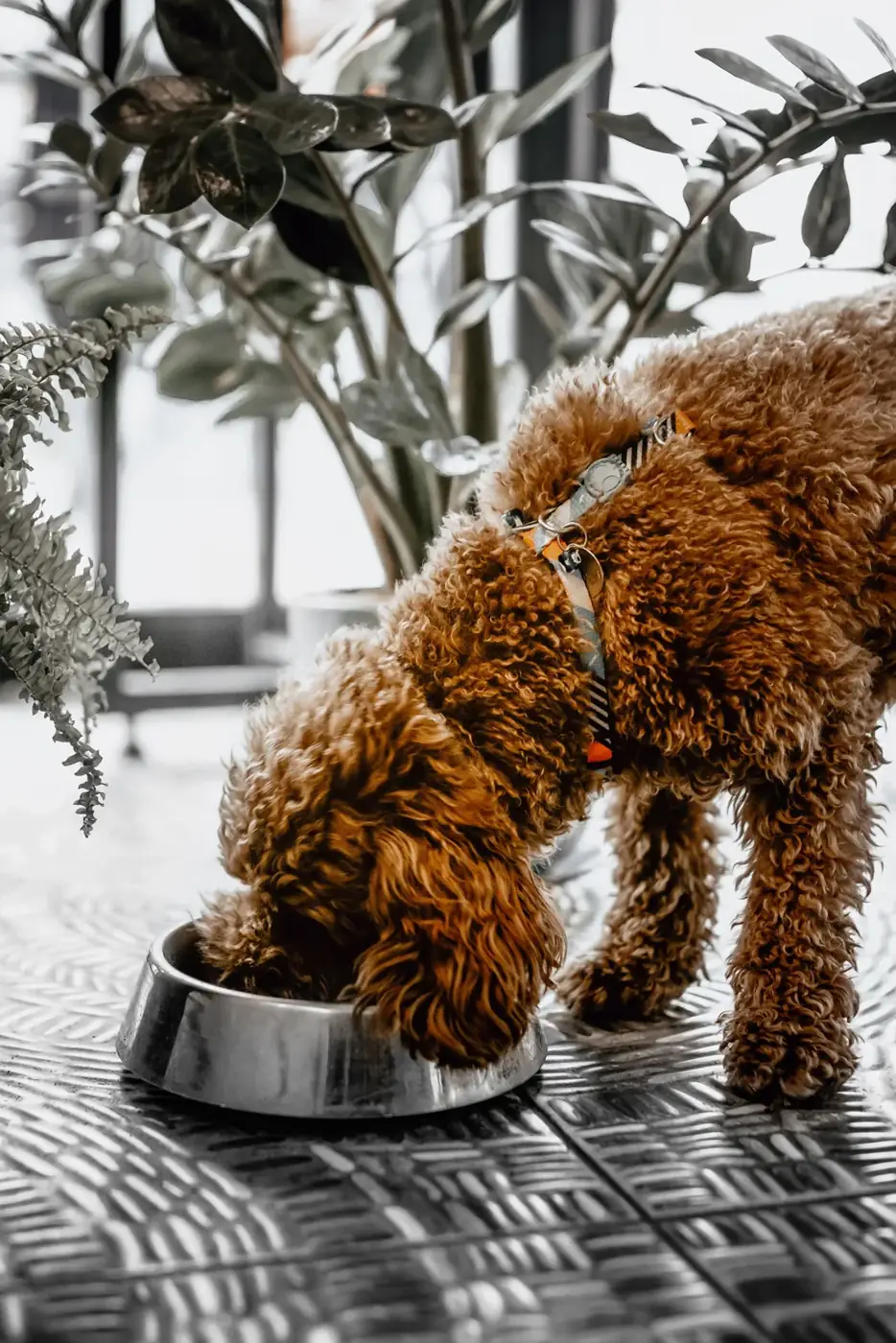
A growing puppy needs a diet suitable for growth. An adult-maintenance food is intended for a different stage. For a large-breed puppy, check the growth statement with your vet rather than assuming every puppy formula is interchangeable.
- Photograph the food’s exact name and nutritional adequacy statement.
- Check whether it is a complete diet, rather than a treat or supplemental food.
- Record the feeding directions and the amount you currently offer.
- Include treats, chews, and food used in training when describing the diet.
- Ask whether the proposed replacement is suitable for your dog’s stage and size.
“All life stages” does not mean the same portion suits every age. If your vet recommends keeping the same product, you may still need to review its feeding instructions as your dog matures. Do not swap cups between products without checking the new label.
How should you plan the switch to adult food?
Confirm that your puppy is ready, choose the new food, and agree on a gradual transition with your vet. Keep the rest of the routine as steady as practical. A change in food type, amount, treats, and meal times all at once makes a setback harder to understand.
The AKC recommends making food changes gradually. Follow the plan appropriate for your dog rather than copying a rigid mixing schedule from another owner. If your puppy has a prescribed diet or a known dietary problem, ask the veterinary team before changing it.
An Animalia planning example: a family notices that their young large-breed dog looks nearly full size. They keep the current growth diet while asking the vet to review recent weights and the label. The useful next step is that review, not buying adult food because a neighbor has already switched.
Write the agreed plan where every caregiver can find it. Record which food is in each container and who prepares meals. Our dog-sitter care handoff helps prevent a sitter from following outdated instructions during the change.
Review appetite and growth without guessing
VCA recommends monitoring growth and body condition with the veterinary team. The aim is appropriate growth, not making a puppy as large as possible. Overfeeding and uncontrolled growth are reasons to review the feeding plan, particularly for large and giant breeds.
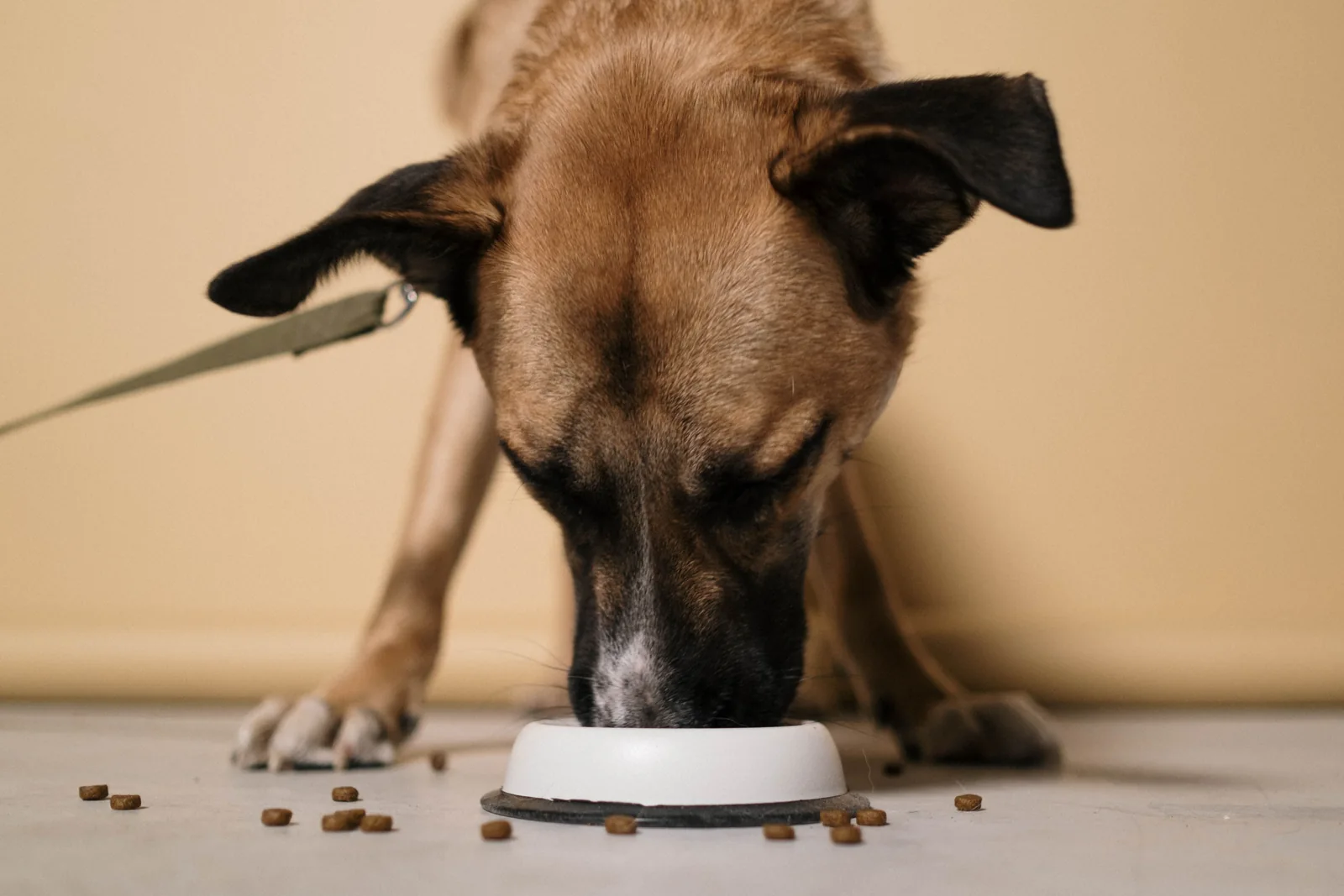
Do not use a single unfinished meal as proof that puppy food is no longer needed. Appetite changes may have other explanations. Contact your vet promptly about a puppy who stops eating, seems unwell, or has ongoing vomiting, diarrhea, weight loss, or an unexpected growth change.
Avoid adding vitamin or mineral supplements to “balance” an adult food for a growing puppy. VCA advises discussing supplements with the vet when a complete growth diet is already being fed. This guide does not provide a homemade replacement diet or a calorie prescription.
Choose one practical next step: save a clear photo of the label and ask when your dog’s growth should next be reviewed. Keep the answer with the daily care routine and explore the dog care hub for related household planning.
Frequently asked questions
Can I stop puppy food at one year?
Sometimes, but one year is not a universal cutoff. Small and medium dogs often mature sooner than large or giant dogs. Ask your vet whether your dog has finished growing and whether the current food still fits. Use the birthday as a reminder to review the diet, rather than a reason to change it automatically.
Should a large-breed puppy stay on puppy food longer?
Often yes, because large and giant breeds can take longer to mature. Use a growth food suitable for the dog’s expected adult size and confirm the timing with your vet. Keeping a puppy on an appropriate diet is different from offering unlimited food or trying to speed growth with extra portions.
Does an all-life-stages food need replacing?
Not necessarily. Read the nutritional adequacy statement and ask whether the food is suitable for your dog’s growth and expected size. Even if the product stays the same, its feeding directions may differ for growth and adult maintenance. Review the portion plan instead of assuming that the label makes every feeding decision unnecessary.
Can I switch early because my puppy looks overweight?
Do not choose adult food as a weight-control shortcut for a growing puppy. Ask the veterinary team to assess body condition, growth, total intake, and the current diet. They can help adjust the plan while meeting growth needs. A photograph or a puppy’s outline alone cannot establish the right dietary change.
Does eating twice a day mean adult food is needed?
No. Meal frequency and food life stage are separate decisions. A puppy may eat fewer meals while still needing a growth diet. Keep the total daily feeding plan clear, and ask your vet about both questions if you are unsure. Do not switch foods just because an older puppy now follows a different meal schedule.
What if my puppy eats another dog’s adult food?
Prevent repeated meal swapping and tell your vet what happened if you are concerned. One accidental meal does not establish a suitable long-term diet. Feed dogs separately when needed and label their supplies clearly. Seek prompt advice if the puppy becomes unwell, stops eating, or may have eaten a product that was not ordinary dog food.
Sources and editorial notes
- VCA: feeding growing puppies
- VCA: puppy nutrition questions
- AAFCO: selecting food for the correct life stage
- AKC: puppy feeding fundamentals
Animalia Editorial. Last reviewed: October 22, 2026. The size table and family example are editorial planning tools. Photo subjects illustrate feeding setups; their exact age, food type, and health status are not known. Editorial standards: Animalia Editorial Policy.
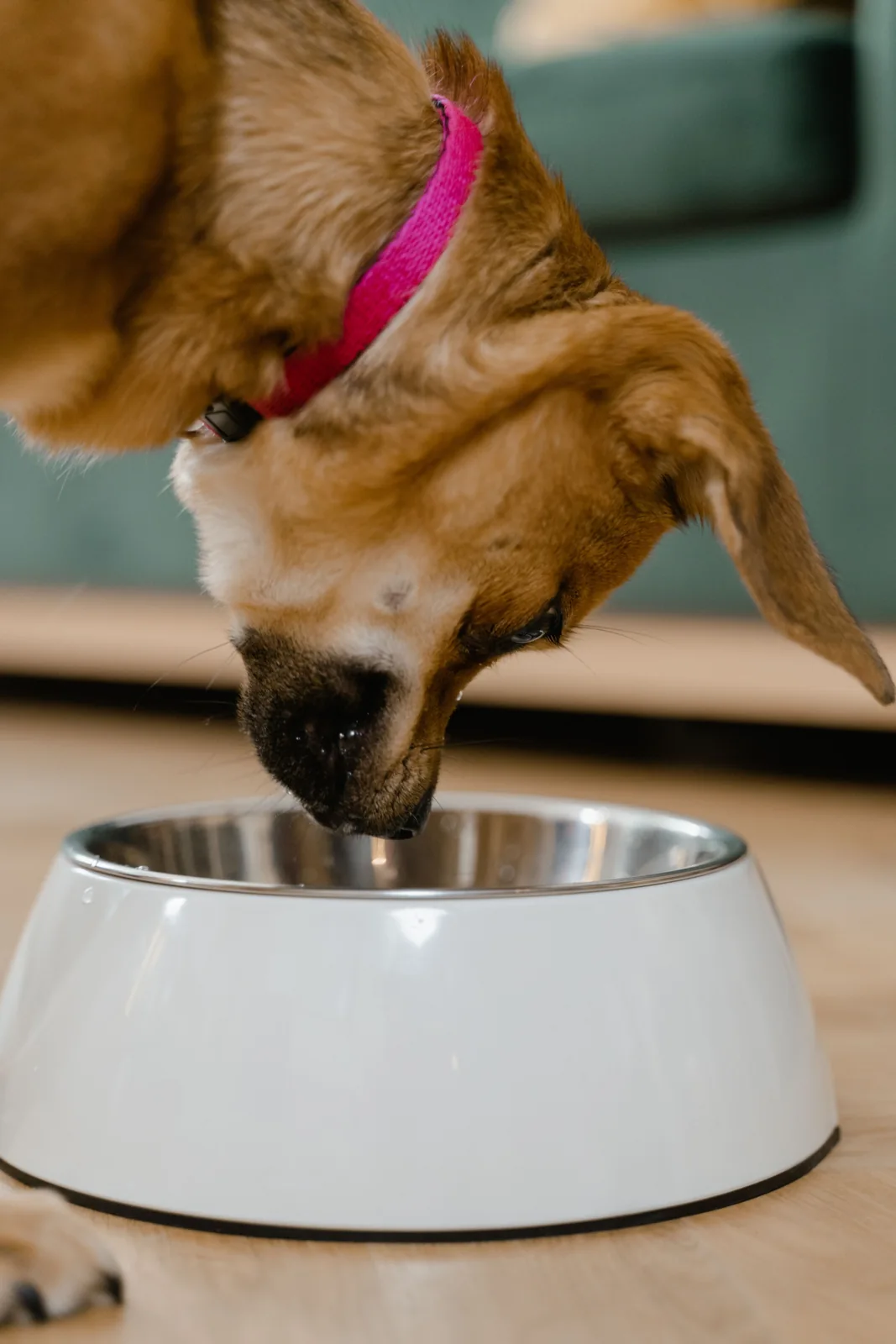
Featured photo: A dog eats from a metal-lined bowl indoors. Photo: MART PRODUCTION / Pexels.
Prepared with AI assistance and reviewed against the sources above.