A puppy training plan should begin with name response, toilet habits, safe rest, gentle handling, and short reward-based lessons. Start when your puppy comes home, then add everyday skills at their pace. Dogs Trust recommends this flexible approach rather than expecting every puppy to reach the same milestone at the same age.
New owners need a way to choose today’s lesson. Animalia’s plan below separates essential care from skill practice, with a progress table you can copy. It is an editorial planning aid, not a tested curriculum or a deadline for your puppy.
What should a puppy training plan teach first?
Begin with the skills that make your puppy feel safe and help you meet their needs. Name learning and toilet habits can start as soon as they arrive. Add calm resting, handling, and brief lessons around ordinary care, while allowing your puppy time to explore and sleep.
For the care pattern around these lessons, our puppy day-planning guide helps organize toilet opportunities, meals, quiet rest, and caregiver handoffs. Keep that daily arrangement separate from deciding which skill to practice next.
Dogs Trust’s puppy guidance emphasizes individual needs and experience when choosing what to teach next. A puppy who already follows their name may need help settling, while another needs simpler attention games. Neither puppy needs to work through a list on someone else’s timetable.
Before practicing, gather a comfortable harness and leash, suitable rewards, a safe resting area, and a simple notebook. Agree on cue words with everyone who provides care. Use our new puppy home checklist for setup, then keep your training notes focused on what the puppy actually does.
A seven-step puppy training plan for everyday life
Use these steps as a menu that you revisit, rather than seven days you must complete in order. Blue Cross recommends short sessions of about two to five minutes, immediate rewards, and fewer distractions when teaching something new. Finish earlier whenever your puppy needs a break.
1. Make their name predict something pleasant
Say your puppy’s name in a calm voice when they are nearby and likely to notice you. Reward the turn toward you, then let them return to exploring. Avoid repeating the name over and over. Choose an easier moment if you cannot get their attention without competing with something exciting.
2. Build toilet habits into care
Plan a toilet opportunity around waking and other daily care, rather than waiting for a mistake to teach the lesson. Accompany your puppy, notice what happens, and reward the behavior you want. Our puppy toilet and crate routine explains how to fit rest around these needs without using confinement to make a puppy wait.
3. Reward calm use of a resting place
Let your puppy investigate their bed, pen, or open crate without being pushed inside. Notice voluntary settling and reward it gently. If using a crate, work through gradual puppy crate training separately. Closing a door and leaving home are later skills, not automatic consequences of entering for food.
4. Teach a simple way to ask for attention
Pick an easy action, such as looking at you or keeping four paws on the floor. Reward it during calm greetings, while arranging space so visitors cannot overwhelm the puppy. Dogs Trust explains how consistent rules and environment management help prevent unwanted habits from being practiced repeatedly. Ask every caregiver to follow the same plan.
5. Practice coming toward you safely
Start nearby in a quiet, secure space and reward your puppy when they move toward you. Keep the experience pleasant instead of calling them over for something they dislike. Follow our puppy leash introduction before adding outdoor challenges. A successful kitchen game does not establish reliable recall beside a road.
6. Introduce handling as a choice
Show a brush or reach toward a paw slowly, then pause and reward comfortable participation. Allow your puppy to move away. Separate the sight of a tool, a light touch, and longer handling into smaller lessons when needed. Avoid completing a grooming task at the expense of making the next attempt frightening.
7. Add gentle experiences with the world
Let your puppy observe unfamiliar sights, surfaces, and people from a distance where they seem comfortable. Blue Cross advises brief, positive social experiences with rest and an option to move away. Ask your veterinarian which places and dog contacts are appropriate while vaccinations are underway; a crowd is not a required training exercise.
Track the skill, setting, and next easier step
This original table turns a vague goal into something you can observe. Copy the rows that matter to your household, leaving others for later. The examples describe choices an owner might record, not measured stages that every puppy must pass. Keep care needs separate from your lesson score.
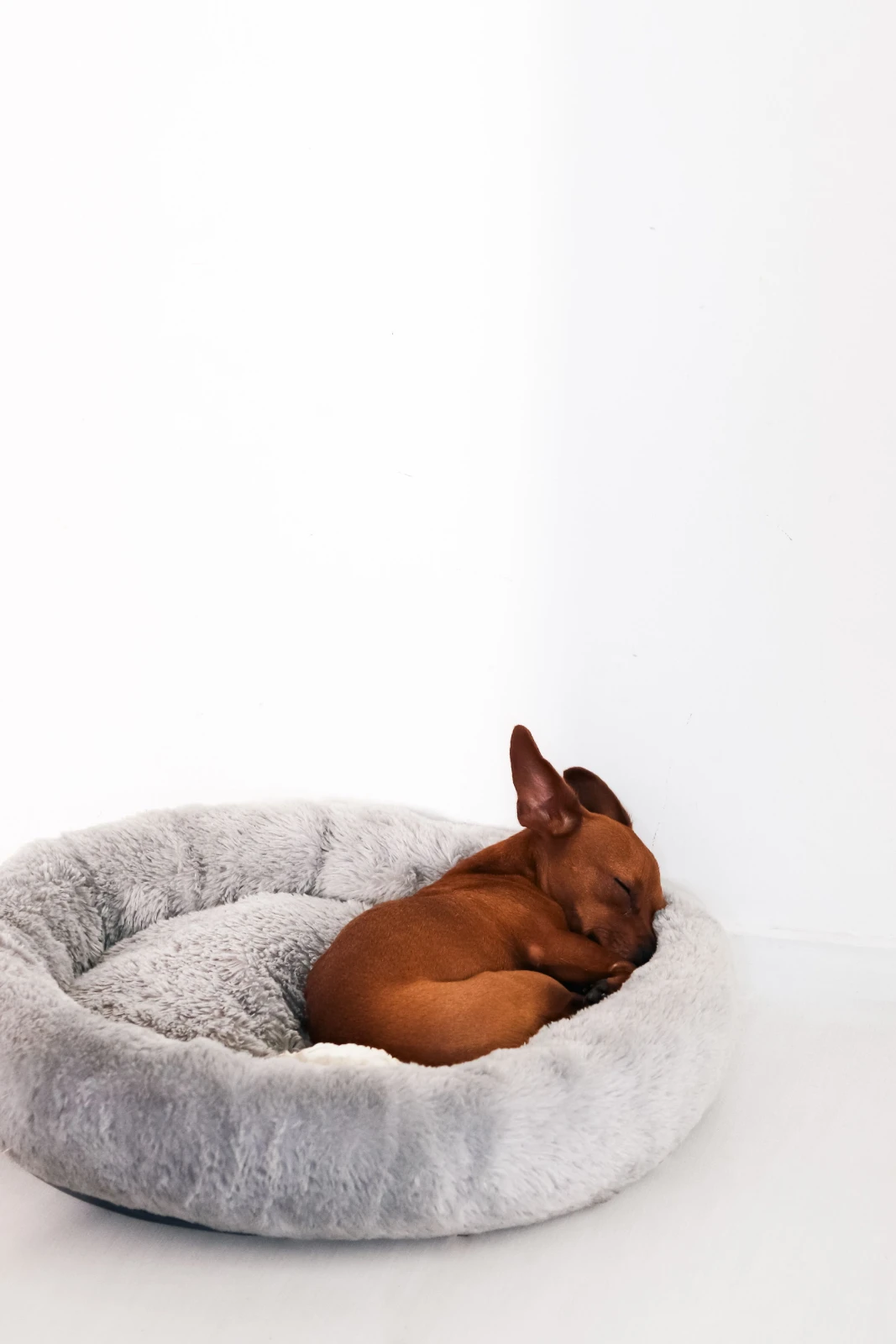
| Skill | What to record | Next easier option | When to add a challenge |
|---|---|---|---|
| Name response | Turns toward me in the kitchen | Stand closer in a quiet room | Comfortable response in that setting |
| Resting | Chooses the bed with me nearby | Leave more space and keep access open | Looks relaxed rather than waiting to escape |
| Recall | Moves toward me indoors | Reduce distance and distractions | Willing approach without repeated calling |
| Handling | Comfortable with brush in view | Put the brush farther away | Relaxed participation at the current step |
| New experiences | Can watch and then disengage | Increase distance or leave | Stays comfortable without being drawn closer |
For example, “looked at the brush, then walked away” gives you a clear next lesson: show it farther away. “Bad at grooming” does not. Animalia suggests recording the setting and your puppy’s response together so a different caregiver can repeat the easier version.
How do you adapt the plan as your puppy grows?
Adapt the difficulty to your puppy’s current skills and comfort, rather than promoting them because of a birthday. Young puppies need simple beginnings and support with daily care. Older puppies still benefit from easy practice when a place, distraction, or household routine changes. Progress can differ between skills.
Think of puppy training by age as a reminder to review the plan, not a reason to delay useful learning. Name games, safe handling, and pleasant contact with everyday life can overlap. Dogs Trust says training continues through adolescence and adulthood, so there is no single graduation day when practice should stop.
Instead of demanding more difficult work, change one feature of an exercise and watch your puppy. Try the same easy action in another quiet room before expecting it around visitors. If the response disappears, return to the last comfortable version and make a note of what changed.
Troubleshoot the setup before asking for more
When a lesson becomes difficult, review the place, reward, handling, and your puppy’s need for a break. This is an owner’s review checklist, not a diagnosis of why a behavior occurred. Pause the exercise while you check these factors, then choose the easiest useful version to try next.
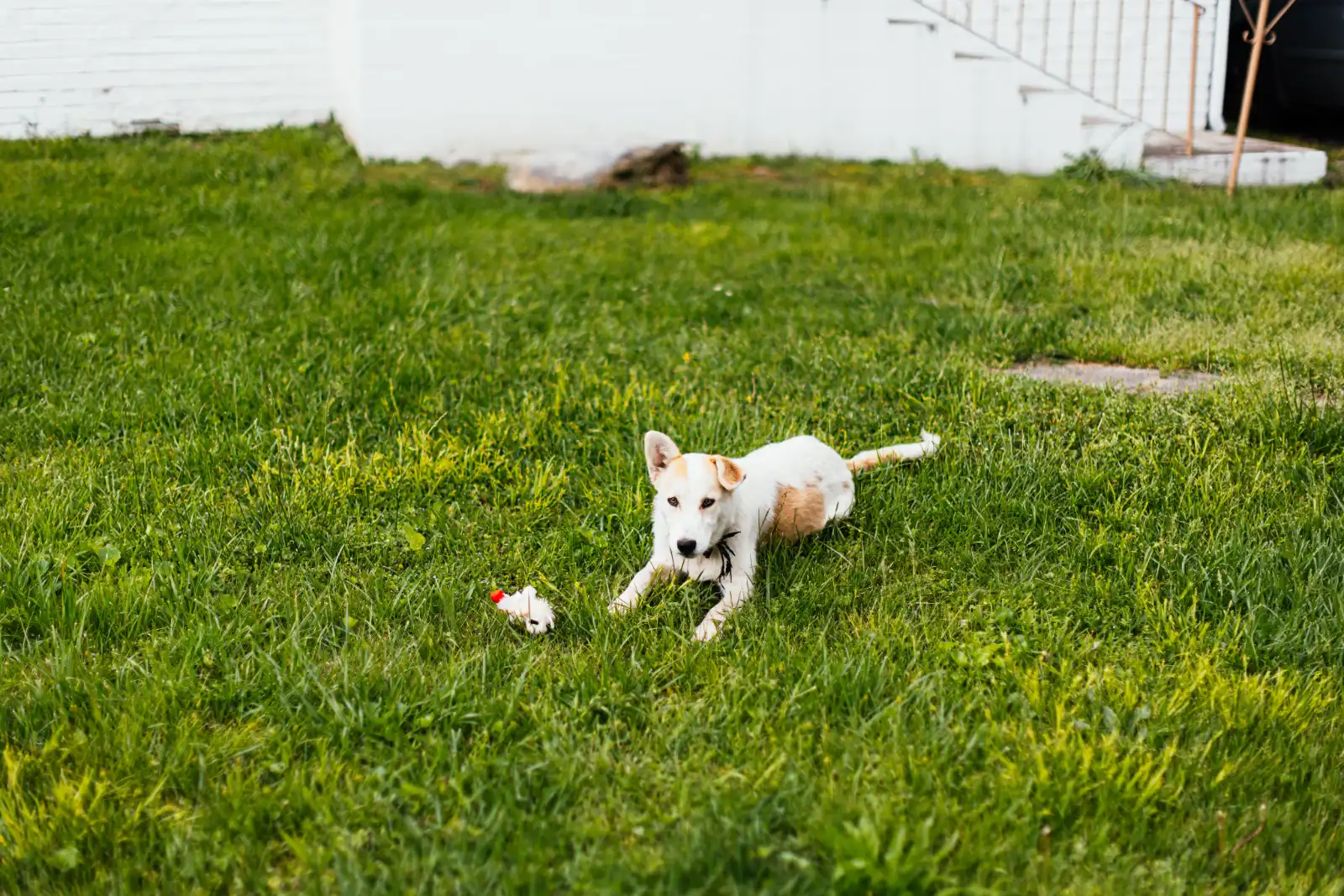
- If attention drifts, move away from the distraction and shorten the task.
- If the puppy avoids a tool, create more space and return to observation.
- If family cues differ, agree on the word and reward before another lesson.
- If you are frustrated, stop and arrange a calm care break.
- If progress stalls or fear grows, contact a qualified reward-based trainer.
Sudden behavior changes, pain during handling, or concerns about eating, toileting, or energy belong with your veterinarian. Repeated panic also deserves professional help. Keep the trainer’s plan and medical advice connected, rather than treating every problem as a need for more obedience practice.
Frequently asked questions
When should puppy training start?
Start gentle learning when your puppy comes home, using everyday care as the first opportunity. Name response, a toilet routine, and feeling safe around you are useful foundations. Keep expectations modest and give the puppy time to rest. Starting early means making experiences pleasant, rather than asking a new arrival to complete a long obedience lesson.
How many minutes should I train each day?
Use brief opportunities instead of aiming for a fixed daily total. Blue Cross suggests sessions of about two to five minutes, while your puppy may need less at first. A calm name game before ordinary care can be enough for that moment. Stop when attention or comfort fades, and make the next attempt easier rather than longer.
Should I teach sit before everything else?
Sit can be useful, but it is not a requirement before name learning, toilet habits, or comfortable handling. Choose the skill that helps your puppy with the situation in front of them. If a sitting lesson is frustrating, reward another easy action and return later. Avoid pressing the puppy’s body into a position to finish the exercise.
Can an older puppy use this beginner plan?
Yes. Begin with the skills your puppy needs, even if they are older than a schedule’s suggested starting age. Check what they understand in your home before adding distractions. Their previous experience may make some tasks easier and others unfamiliar. Use the same gradual, reward-based approach and ask a qualified trainer for help where confidence is low.
What if I feel overwhelmed by puppy training?
Choose one useful skill and protect the care routine before adding more lessons. Arrange help with toilet trips, rest, and supervision so the plan is manageable for everyone. Keep a short record to help caregivers stay consistent. Our guide to coping with puppy blues offers practical support when the change feels harder than expected.
What should you practice next?
Choose one puppy training plan goal that would make today easier, then write down its simplest version. Prepare the reward and quiet space before beginning. If rest is the priority, return to the puppy crate and rest guide and keep the door open while building comfort. Review the puppy’s response before adding difficulty.
Sources and editorial notes
- Dogs Trust: Puppy Training 101
- Blue Cross: Dog and puppy training
- Dogs Trust: Teaching your puppy good habits
- Blue Cross: Socialising your puppy
Animalia Editorial prepared this guide for everyday care and training decisions, following our Editorial Policy. It does not provide veterinary diagnosis or treatment. Last updated: October 29, 2026.
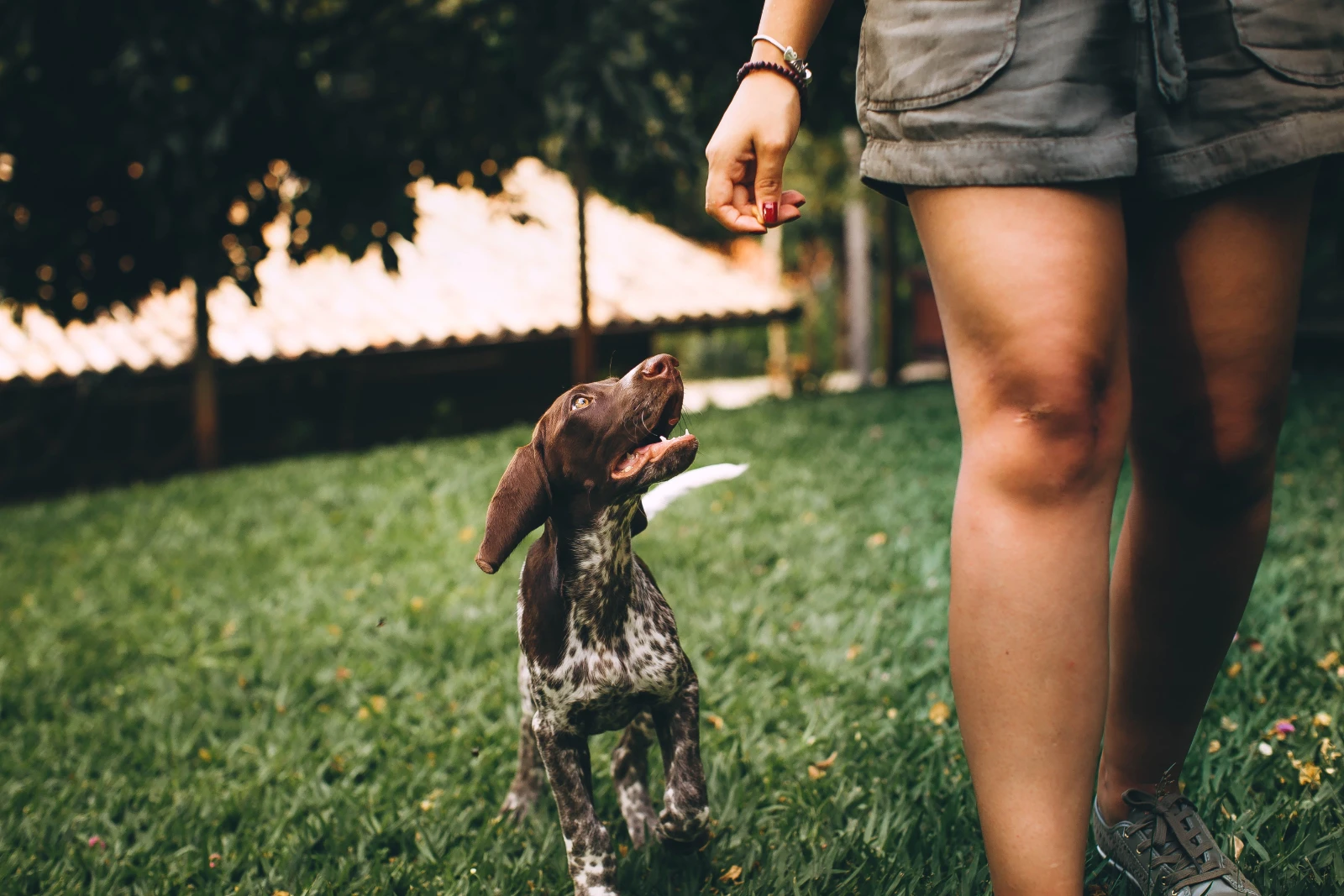
Featured photo: A puppy sits on grass and looks toward a person’s hand. Photo: Helena Lopes / Pexels.
Prepared with AI assistance and reviewed against the sources above.