To stop a puppy from pooping in the house, provide earlier toilet opportunities, reward outdoor success, supervise between trips, and clean accidents without punishment. The RSPCA recommends trips around waking, meals, play, and excitement. Review the pattern of accidents, and ask your veterinarian about sudden changes, abnormal stools, discomfort, or ongoing difficulty.
If you already take your puppy outside, the useful question is what happens before and after that trip. Animalia’s reset plan focuses on repeated indoor accidents, nighttime gaps, and what to change when an outing does not lead to pooping. For the full first-time method, start with our puppy potty-training guide.
Why might a puppy keep pooping indoors?
Your puppy may need a clearer toilet routine, earlier access, closer supervision, or a more comfortable place to go. A health problem can also affect toileting, so do not assume every accident is a training mistake. Review the situation and seek veterinary advice when changes, discomfort, abnormal stools, or persistent problems raise concern.
| What you notice | What to review | When to get help |
|---|---|---|
| Pooping soon after coming inside | Whether the puppy actually went outside and what happened next | Ask for help if the pattern continues |
| Accidents after waking, food, or activity | How quickly a caregiver can provide a toilet trip | Review care gaps before extending intervals |
| Nighttime accidents | Who can respond and whether the plan meets current needs | Discuss ongoing difficulty or changes with your vet |
| Sudden change or abnormal stool | Share observations and care information with your veterinarian | Do not treat this as a training-only problem |
VCA explains that house soiling can involve incomplete training, physical illness, or behavioral problems. That list cannot diagnose your puppy from a description online. Use the pattern to decide what information to share with your veterinary team and which practical care arrangements you can improve safely.
Five steps to reset the accident pattern
1. Note what happened before the accident
Write down waking, meals, play, toilet trips, and the accident itself, including whether the puppy actually pooped outdoors. Keep descriptions factual rather than guessing that the puppy was spiteful or testing you. If more than one person helps, share the note so the next caregiver does not assume a toilet trip happened when nobody saw it.
2. Offer toilet access before the usual missed moment
The RSPCA recommends opportunities after waking, meals, play, and excitement. Prepare the route and the person who will respond, then watch for signs such as sniffing or circling. If the puppy repeatedly needs to go before your planned trip, arrange earlier access rather than using the schedule to make them wait longer.
3. Reward the finished outdoor success promptly
Stay with your puppy so you know what happened, and have suitable rewards ready at the toilet area. The RSPCA advises rewarding immediately after the dog finishes toileting. Rewarding only after returning indoors makes the sequence less clear. Keep the experience calm and give the puppy a comfortable chance to use the chosen place.
4. Supervise after a trip that produced no result
An outing is not proof that the puppy no longer needs to poop. If nothing happened, return to close supervision in a suitable managed space and offer another opportunity according to the puppy’s behavior and care needs. Avoid immediately giving access to the whole home, especially the place where accidents keep happening. Keep the arrangement comfortable rather than punitive.
5. Clean calmly and adjust the next attempt
The RSPCA advises no punishment for an accident, during or afterward. Clean with a pet-appropriate method suitable for the surface, following the product instructions and keeping the puppy safely away during cleaning. Then review the missed opportunity, access, and supervision. A useful change makes the next success easier instead of frightening the puppy about toileting near you.
Review the toilet place, meals, and shared care
A toilet area should be reachable when the puppy needs it, and comfortable enough for them to use. VCA notes that fear outdoors can interfere with elimination. If a busy or frightening setting is a problem, discuss a more manageable arrangement with a qualified reward-based professional rather than trying to force the puppy to go there.
In an apartment, include the hallway, elevator, and getting ready in your care plan. A caregiver who notices a signal still needs time to reach the toilet area, so prepare shoes, suitable walking equipment, and rewards in advance. Animalia recommends reviewing the whole route rather than simply adding more time outside after every accident.
The ASPCA recommends fresh water and appropriate feeding guidance. Keep a record of meals and dietary instructions when several people provide care, but do not withhold water to make the training easier. Ask your veterinarian about feeding or digestive concerns rather than making repeated food changes in response to accidents.
Use the dog sitter handover guide to share the current toilet plan, what has happened today, and the next caregiver responsible. If work creates a gap, use the workday care planning guide to arrange help. A puppy’s care needs do not disappear because the household is busy.
What if the puppy poops indoors at night or in a crate?
Review whether the puppy has a suitable toilet opportunity before rest and someone available to respond overnight. Check comfort, the sleeping setup, and any changes in stools or health. A crate does not guarantee that a puppy can wait, and repeated accidents call for better care and appropriate advice rather than a smaller, harsher space.
Arrange nighttime responses around what the puppy needs, without assuming another puppy’s sleep pattern will fit. If you find an accident in the morning, record the situation and review the next night’s care. Do not punish after the event, and do not require a puppy to sleep beside a mess to teach a lesson.
If a crate is part of the plan, use the calm puppy crate-training guide to review suitability and a positive introduction. A different managed area or more caregiver support may be necessary. Reducing space is not an answer to a health problem, distress, or a care period that the puppy cannot manage.
A puppy who has never been reliable overnight may need a different plan from one whose toileting changed suddenly. VCA recommends a veterinary check, particularly when house soiling begins suddenly. Share stool changes and other observations rather than waiting for a training deadline before asking for advice.
Know when to involve your vet or a qualified trainer
Contact your veterinary team about a sudden change, abnormal stools, discomfort, or other concerns, including problems that persist despite an appropriate care plan. VCA explains that physical illness and pain can affect toileting. Possible health causes are reasons for assessment, not a diagnosis you should make from an accident pattern.
If the situation seems urgent, seek urgent veterinary help. For practical learning and care arrangements, a qualified reward-based trainer can review what happens before, during, and after trips. Dogs Trust recommends teaching at the puppy’s individual pace. Training should support the puppy while veterinary questions are addressed, rather than replace a health assessment.
Animalia’s practical goal is an earlier, clearer opportunity for success. Keep the plan small enough to follow, use the same information across caregivers, and avoid repeatedly testing how long the puppy can wait. There is no useful promise that a particular reset will stop every accident within a set number of days.
Frequently asked questions
Why does my puppy poop inside just after being outside?
The puppy may not have finished outdoors, may have been distracted or worried, or may need a different care arrangement. Check what actually happened instead of treating time outside as proof that they went. Supervise after an unsuccessful trip and offer another suitable opportunity. Ask your veterinarian about sudden changes, abnormal stools, discomfort, or a pattern that remains difficult to manage.
Should I punish a puppy for pooping in the house?
No. The RSPCA advises against punishment both during an accident and after you discover one. It can frighten or confuse the puppy rather than teach the right place. Clean calmly, review access and supervision, and reward future success in the toilet area. If you are frustrated or unsure what to change, ask a qualified reward-based professional for help.
Will a smaller crate stop my puppy from pooping?
A crate cannot make a puppy ready to wait through an unsuitable care period or resolve a health concern. Review comfort, toilet access, supervision, and whether the puppy is comfortable using the crate. Do not respond to repeated accidents with increasingly restrictive space. Ask your veterinarian and a qualified reward-based trainer to help you choose an appropriate arrangement.
Should I stop giving water before bed to prevent accidents?
Do not withhold water as a training shortcut. Provide appropriate care and discuss individual health or feeding instructions with your veterinary team. Nighttime accidents mean you should review toilet opportunities, the sleeping arrangement, and who can respond. A schedule that works by ignoring basic needs is not a suitable solution, even if it seems to reduce the cleaning temporarily.
How quickly should a reset stop indoor pooping?
There is no reliable deadline that applies to every puppy or every cause of accidents. Review whether the plan gives clear opportunities, prompt rewards, suitable supervision, and enough care. Seek veterinary advice about changes or ongoing concerns, and qualified training support when the process is difficult. Use observations to improve the next attempt rather than treating a date as proof of readiness.
What should you change before the next toilet trip?
Choose the missed moment you can improve, prepare the route, and confirm who will respond. Reward the finished success and keep supervision in place if nothing happens. Return to Animalia’s complete puppy potty-training guide for the foundation, and contact your veterinary team when a change, discomfort, or persistent problem needs assessment.
Sources and editorial notes
- RSPCA: Toilet training your dog
- VCA: Dog behavior problems, house soiling
- Dogs Trust: Puppy training
- ASPCA: General dog care
Animalia Editorial. Publication date: October 30, 2026. Sources checked October 29, 2026. See our Editorial Policy. This guide supports everyday care and does not provide veterinary diagnosis or treatment.
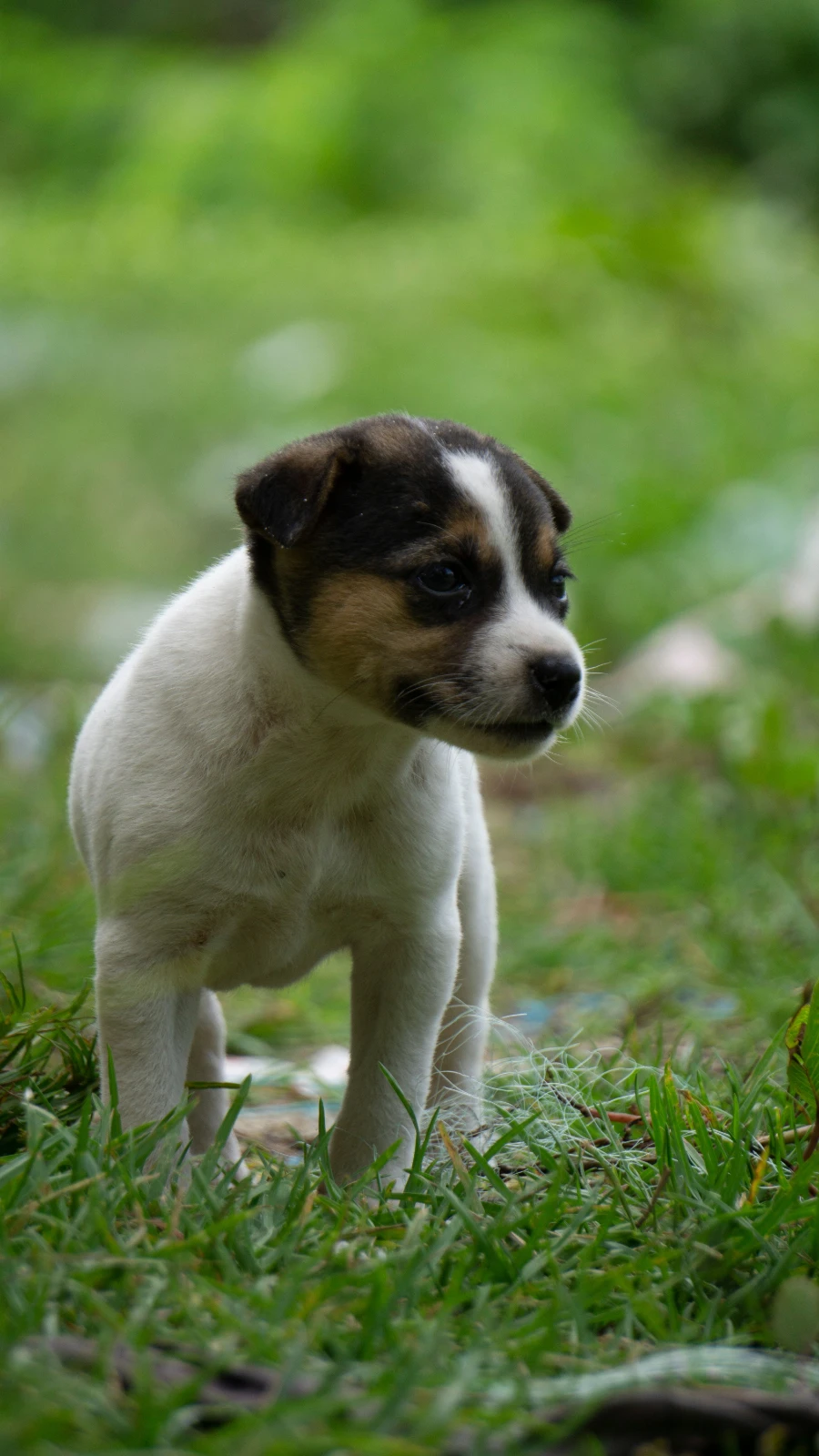
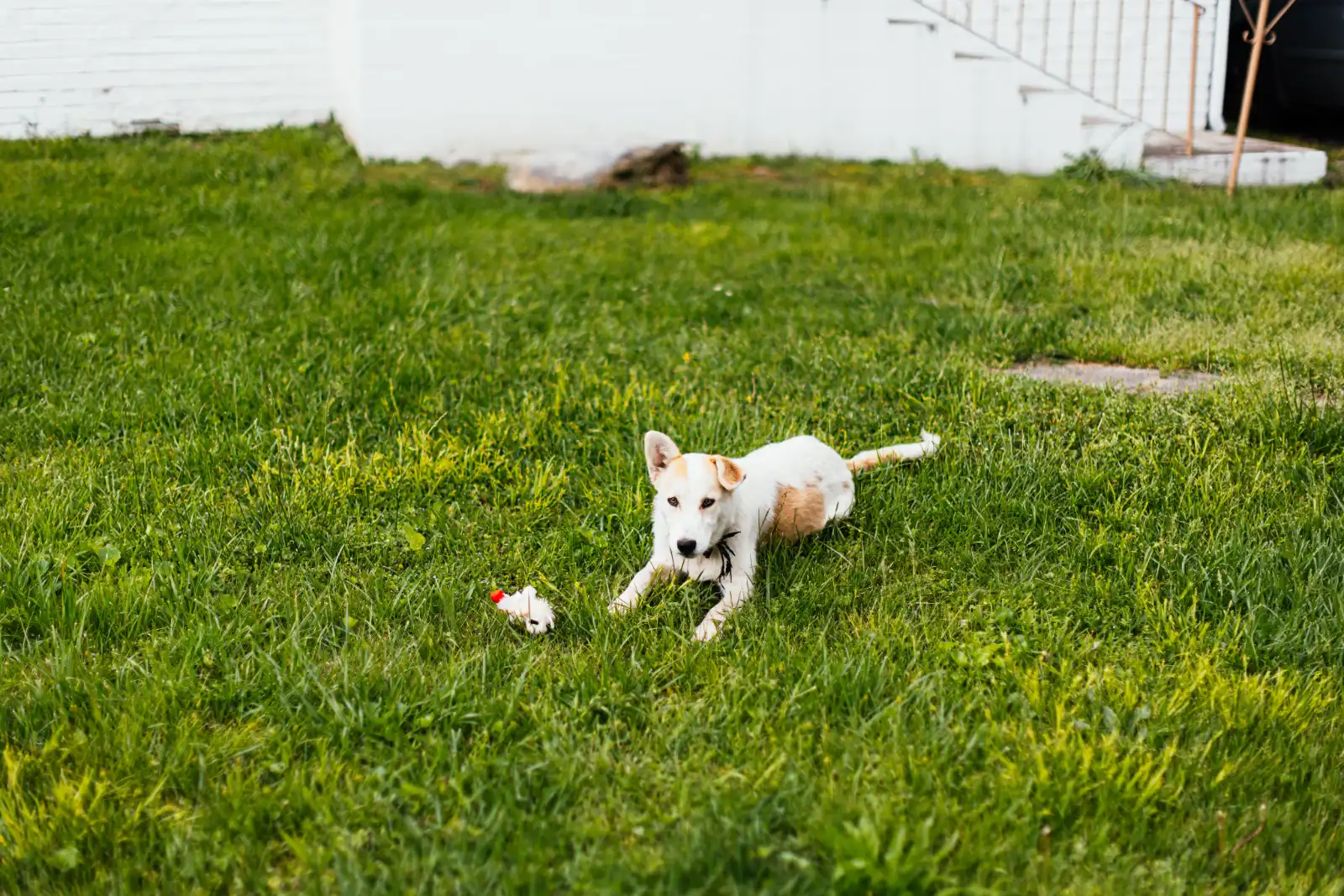
Featured photo: A puppy stands on grass outdoors. The photo does not document a toilet-training result. Photo: Rohit George / Pexels.
Prepared with AI assistance and reviewed against the sources above.