To puppy proof your house, remove chewable hazards, secure food and chemicals, block unsafe areas, and set up a cozy space where you can watch your puppy. PDSA recommends securing hazards and setting boundaries. Work through each room before your puppy arrives, then check again as their reach and habits change.
Animalia’s room check starts with keeping hazards out of reach. For the wider arrival plan and supplies, use our new puppy home checklist. Training helps, but it should not be the barrier between a curious puppy and a live wire.
How to puppy proof your house before the first day?
Start with one small living space, then check each room the puppy may enter. Remove hazards before testing gates and closed storage yourself. Put a bed, water, and safe toys in that space, and plan who will watch the puppy. Expand access only after you have checked the next room.
| Area | Check first | Confirm before access |
|---|---|---|
| Kitchen | Food, trash, cleaners, small dropped items | Cupboards and trash stay closed; the floor is clear |
| Living room | Cords, batteries, plants, bags and small toys | Hazards are out of reach, even behind desks and chairs |
| Bathroom and laundry | Medicines, cleaners and loose personal items | Storage and room boundaries close securely |
| Bedroom and hallway | Shoes, clothes, bags and open exit routes | Items are put away; access is managed |
| Garage and outdoor exit | Chemicals, tools, gates and possible escape gaps | The puppy cannot enter rooms you have not checked |
Use this table as an Animalia starting checklist, not a promise that any room is safe. Write down the hazard, what you changed, and who checked it. “Charger moved behind a closed barrier” is more useful than “living room done.” Check the actual result before your puppy enters.
Seven steps for a safer home
1. Choose the first living area
Choose a space where you can care for and watch your puppy. Add a soft bed and fresh water, with room to move. A well-fitted gate or pen can help keep the puppy there. If the puppy climbs, squeezes through, or becomes distressed, change the setup. The gate must fit your puppy and the place where you use it.
2. Clear loose items and bags
Put away shoes, socks, children’s toys, and other loose belongings. Check under furniture and in the places where people leave bags. The goal is to remove tempting objects before they become a problem. Leave safe puppy toys close at hand, and praise calm play with them. Our puppy enrichment guide offers simple ways to provide suitable outlets.
3. Make cords inaccessible
AVMA identifies electrical cords as a household hazard. Route them out of reach or block access, and use cord covers where needed. Check phone chargers and cables behind desks as well as obvious floor wires. A cover or clip does not make every setup chew-proof. If access remains possible, keep the puppy out of that space.
4. Secure food, trash and medicines
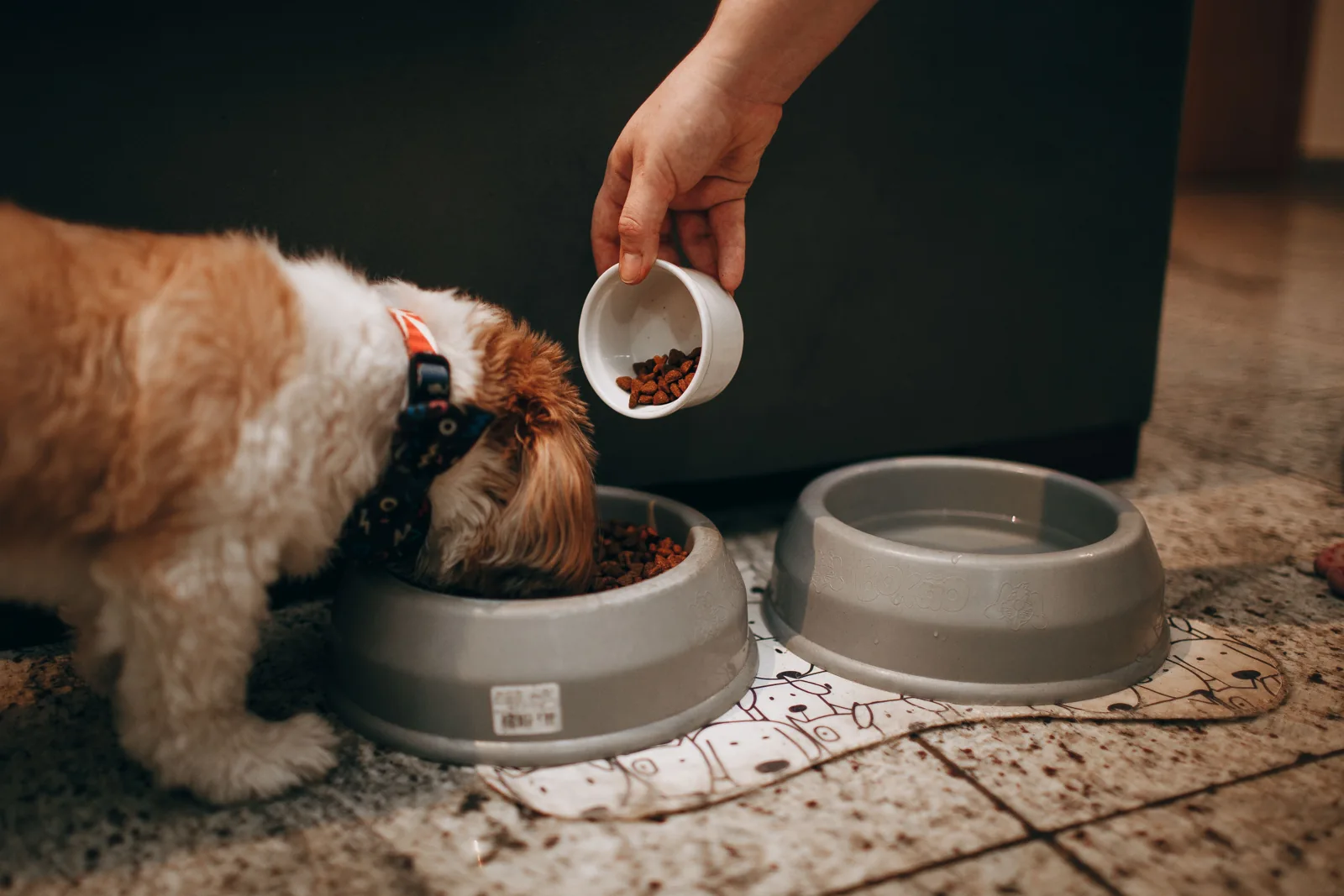
Ohio State’s veterinary center recommends secure storage and preventing access to garbage. Keep food and drugs in closed storage the puppy cannot open. Include visitors’ bags and pet medicines in the check. Choose a trash can and storage place the puppy cannot reach. Do not rely on a verbal cue, an open shelf, or a lightweight lid to protect a known hazard.
5. Check plants and cleaning products
Identify your plants by name before allowing access. The ASPCA plant database explains that its list is not exhaustive and that even plant material listed as non-toxic may upset the stomach. Keep plants out of reach while you check their names. Store cleaners securely in their original packaging, follow their labels, and keep the puppy away during use as directed.
6. Check boundaries and the route outside
Close access to unchecked rooms, and inspect gates and outdoor fencing before use. Look for gaps your own puppy could get through. Check the route people use while carrying shopping or opening the front door. Agree who moves the puppy to a prepared area before a delivery, repair visit, or busy arrival.
7. Make the plan work for everyone
Show each caregiver where items belong and how barriers close. Keep puppy toys close at hand for people, rather than leaving risky items for the puppy to find. Reward the behavior you want when it occurs. If the puppy cannot settle or keeps reaching hazards, simplify the space and ask for help with the setup.
Our household consistency guide can help everyone use the same cues and care plan. You can teach useful skills alongside management, but a new cue is not proof that a hazardous room is ready for free access.
What if your puppy has already chewed or swallowed a hazard?
Move the puppy away from further access if you can do so safely, and call your vet right away if the puppy may have eaten poison or swallowed a harmful item. Describe the item and what happened. Do not wait for symptoms to prove there is a problem, or try a home treatment without veterinary instructions.
Ohio State advises emergency care after toxin ingestion. Keep the product container or an accurate photo available for the veterinary team. AVMA also recommends prompt professional advice and information about the pet and possible exposure. Follow the team’s instructions; a room checklist cannot determine whether an amount was safe.
Once the puppy has the care they need, fix the access point before they return to that space. Record what was available, how it was reached, and what barrier needs changing. If the same item could affect another pet, keep them away too. Avoid scolding or chasing as a substitute for preventing access.
When should you repeat the room check?
Repeat it whenever your puppy’s reach changes or the room changes. New furniture, visitors, deliveries, decorations, and work on the house can create fresh access. Check the space before reopening it. A room that worked last week needs another look when your puppy can reach a new shelf or move a barrier.
Keep a short note: “Room: __. New hazard: __. Access blocked by: __. Checked by: __.” Animalia recommends checking the barrier, not asking the puppy to test it. If you cannot make an area suitable yet, use another prepared space while you arrange a better solution.
Ask your vet or a qualified reward-based professional for help if chewing, swallowing objects, or distress keeps recurring. Describe what you have observed and the changes you have tried. A quiet place to rest can support the plan; our puppy crate training guide explains gradual, comfortable introductions.
FAQ: puppy-proofing your home
Do I need to puppy proof every room at once?
Prepare the areas your puppy will use first and securely block access to unchecked rooms. That can make the task manageable, but dangerous items must stay inaccessible wherever the puppy could reach them. Walk through each new space before allowing access. Supervise during transitions and check that other people keep doors and barriers closed.
Is a baby gate enough to make a room safe?
A well-fitted gate can help manage access, but it does not remove hazards inside the room. Check cords, food, medicines, plants, and loose objects separately. Confirm that your puppy cannot climb, squeeze through, or become trapped. If the gate or location does not suit your puppy, choose a different arrangement and keep providing supervision and care.
Can I put houseplants on a high shelf?
Height alone does not confirm that a plant is inaccessible, especially as a puppy grows or furniture changes. Identify the plant and check reliable advice for dogs. Keep unknown or harmful plants away from the puppy’s area. The ASPCA notes that even plants listed as non-toxic can cause stomach upset when eaten, so discourage plant chewing.
Will training stop my puppy chewing household items?
Training can help your puppy learn useful choices, but it takes practice and does not replace removing hazards. Offer safe toys and games, reward the behavior you want, and manage access while skills develop. If chewing or swallowing objects keeps happening, talk with your vet and a qualified reward-based professional about the puppy’s needs and the home setup.
Should I punish a puppy for finding a dangerous item?
Focus on immediate safety and professional advice if exposure is possible. Then change the environment so the puppy cannot reach that item again. Punishment does not secure a cupboard or remove a live wire. Keep the puppy safe and reward the choices you want. If you need help preventing repeated incidents, ask a qualified reward-based professional to review the setup.
Start with one checked space
Clear the hazards, verify the barriers, and show everyone how the room will be managed. Animalia recommends a fresh check whenever access or the household changes. Build useful skills alongside that plan through our puppy care and crate training hub, while keeping dangerous items out of reach from the start.
Sources and editorial notes
- PDSA: making your home dog friendly
- AVMA: household hazards
- ASPCA: toxic and non-toxic plants
- Ohio State Veterinary Medical Center: household hazards
Animalia Editorial. Publication date: November 1, 2026. Sources checked October 29, 2026. Editorial Policy.
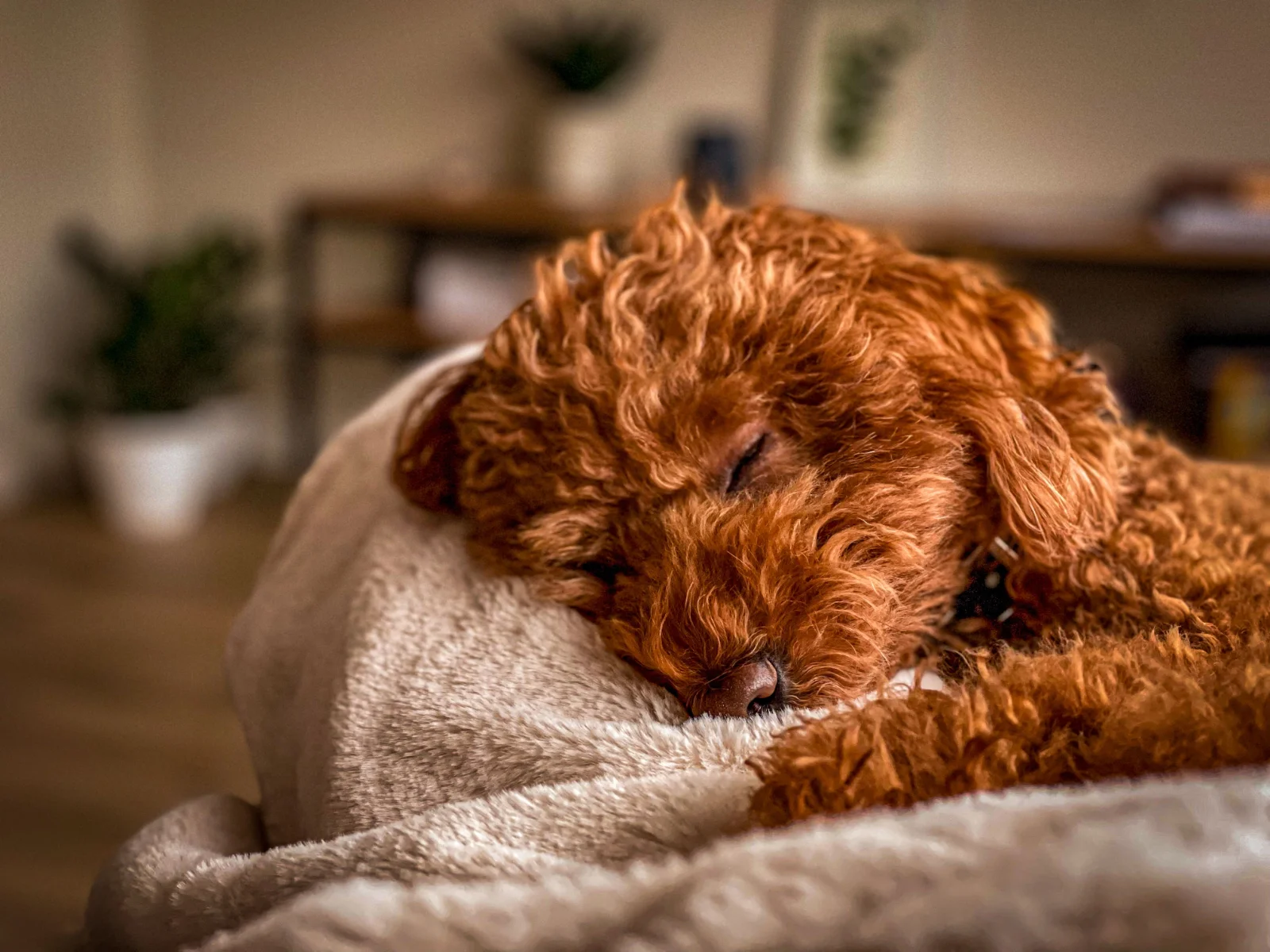
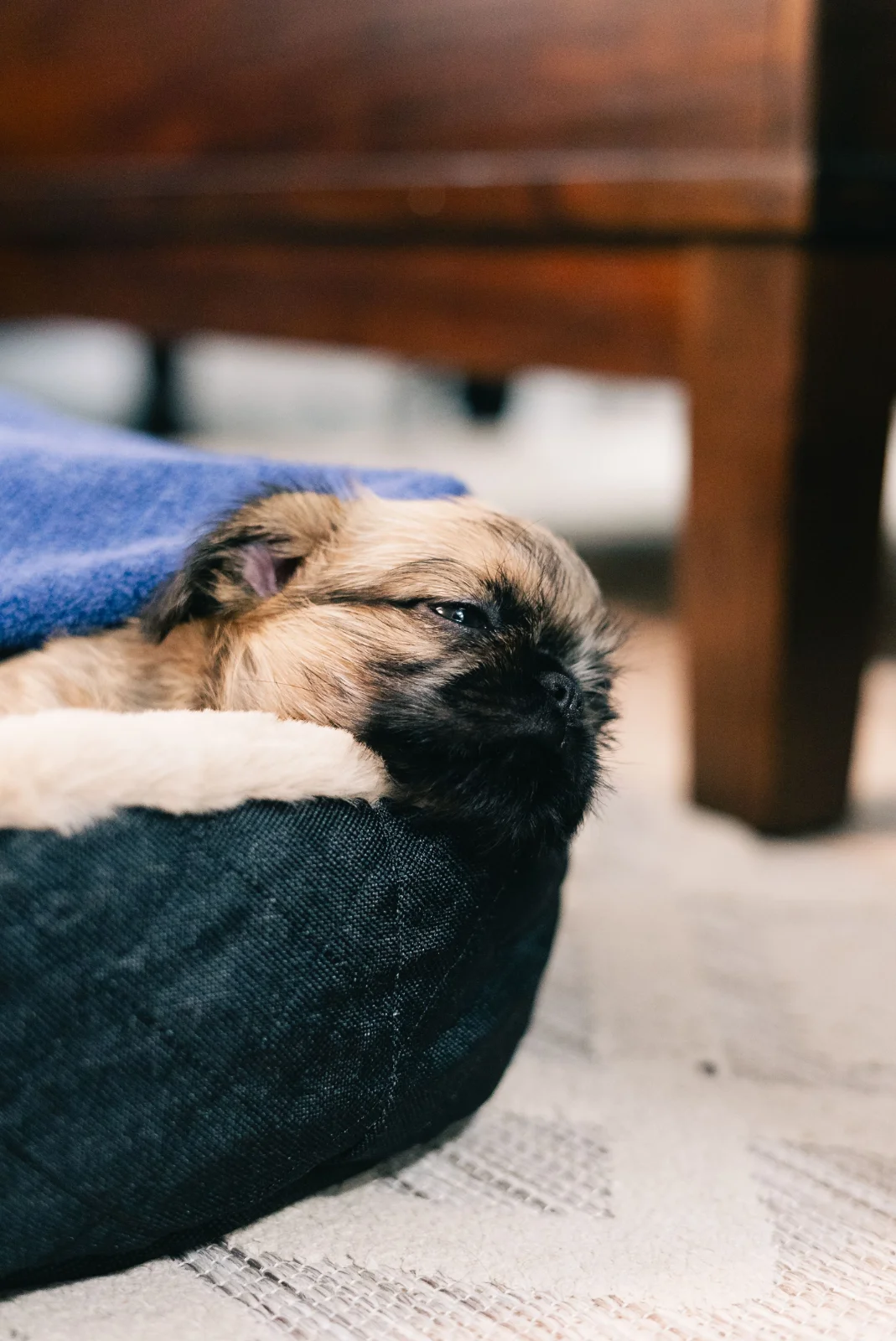
Featured photo: A puppy rests indoors. Check plants and other household items before allowing access. Photo: Katia Oleksa / Pexels
Prepared with AI assistance and reviewed against the sources above.