Start home-alone practice with only a few minutes after your puppy is comfortable apart from you indoors, as Blue Cross advises. There is no single safe hour limit for every puppy. Their comfort, toilet access, meals, health, and experience must shape the plan, with help arranged before those needs go unmet.
Animalia’s guide separates a short learning exercise from a real absence for work or errands. A puppy who can hold pee still needs company and care. Our puppy toilet-break guide explains why a bladder estimate cannot settle the alone-time question.
How long can puppies be left alone at first?
A puppy new to the home needs an easy introduction rather than an immediate long absence. Dogs Trust recommends building time apart gradually and shortening it if the puppy is worried. Begin with comfortable distance while you remain nearby, then practice brief departures only when that easier step is going well.
PDSA gives four hours as a routine maximum for dogs, while warning that this is generally too long for a young puppy. That figure is not a puppy allowance or a target to work toward. A puppy may need help much sooner because of distress, toileting, feeding, or another care need.
| Your puppy’s situation | What to plan | What changes the decision |
|---|---|---|
| New home or no alone-time practice | Have someone available and begin easy distance practice. | Worry while you are still visible means the starting step is too hard. |
| Relaxed with you elsewhere indoors | Try a brief departure and observe the response. | Return to easier practice if the puppy becomes uneasy. |
| Comfortable during short absences | Arrange care before the next meal, toilet need, or comfort limit. | A previously easy absence can change with health or routine. |
| Workday longer than the puppy can manage | Use reliable in-person care rather than testing the limit. | A camera can show a problem but cannot provide a toilet trip. |
Build comfort before increasing an absence
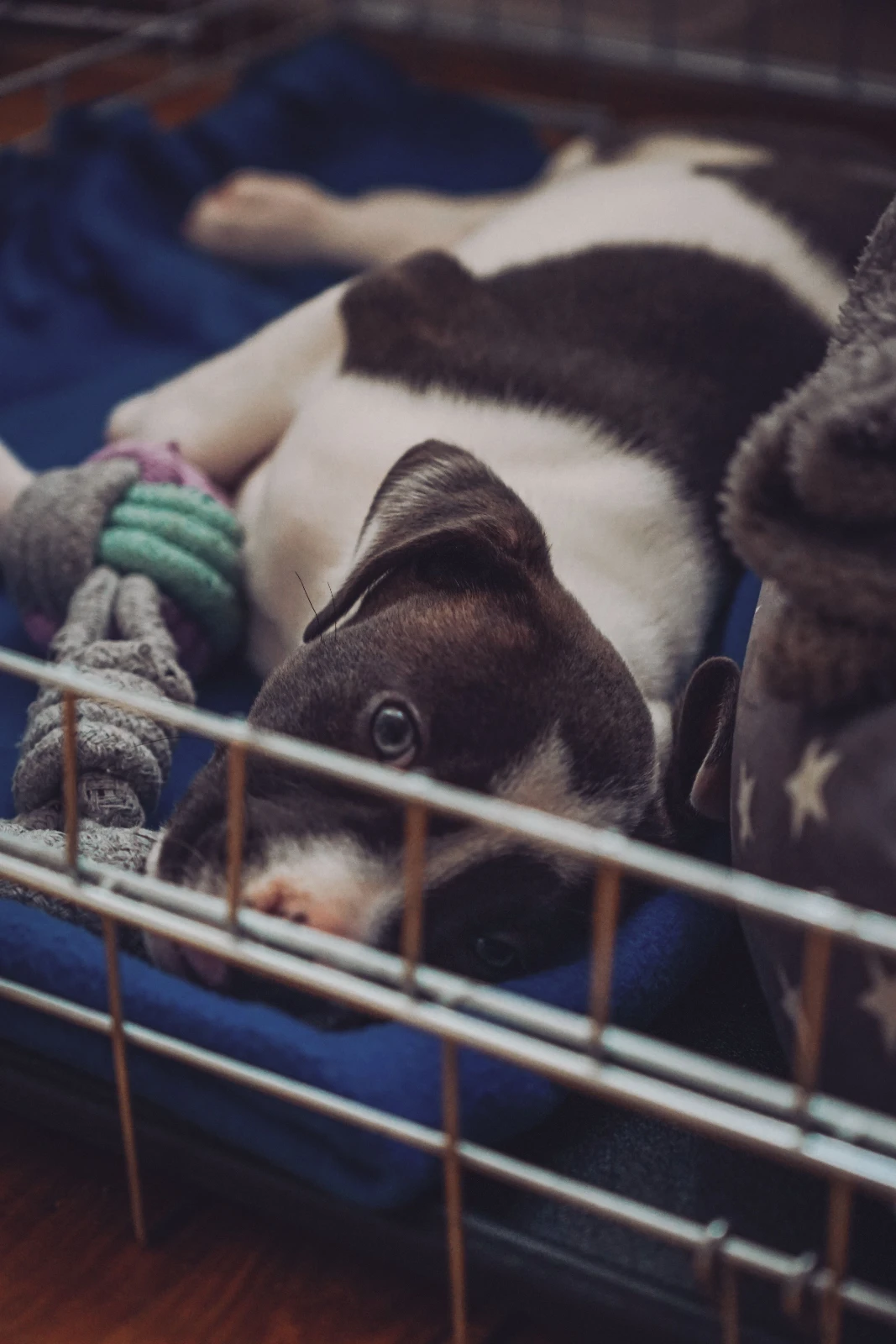
Blue Cross recommends a familiar safe area with a comfortable bed and water, introduced while you are home. A gate can let the puppy see and hear you during early practice. Choose a puppy-proofed area they can use comfortably, and keep a crate optional rather than assuming confinement solves separation worries.
- Meet immediate needs. Offer a suitable toilet chance and make sure rest, water, and normal care are covered before the lesson. Avoid beginning while the puppy is already distressed.
- Practice nearby. Let the puppy settle while you are calmly occupied in the same area. Reward relaxed behavior without expecting them to understand a long disappearance immediately.
- Change a small part. Step a little farther away or briefly out of view, keeping the rest of the setup familiar. Make the task easier if their body language changes.
- Observe, then decide. Return before the exercise becomes worrying, and repeat comfortable steps instead of increasing time every attempt. Keep departures and reunions calm while staying responsive to needs.
- Record the real response. Note the setting, what the puppy did, and when help was needed. A quiet room or an untouched toy cannot by itself prove relaxed sleep.
For a detailed foundation plan, use the guide to separation-related worries. This brief sequence organizes the care decision; it does not promise that a fixed number of sessions will prepare your puppy for a workday.
Which signs mean the absence is too difficult?
PDSA lists pacing, vocalizing, destructive behavior, escape attempts, and toileting among signs that can accompany separation distress. These observations do not diagnose a condition by themselves. If your puppy shows them, arrange help and review the situation rather than waiting for a longer absence to make them get used to it.
Use a camera if it helps you see what happens after you leave, but keep someone available to respond. Note whether the puppy settles, stops using enrichment, paces, or repeatedly approaches the exit. A recording can help your vet or a qualified reward-based behavior professional understand the pattern.
Dogs Trust advises against telling a worried dog off. Avoid punishment for barking, damage, or accidents when you return. Help with the immediate need, then plan a shorter or easier step. A camera and a supposedly calming toy are tools for observation and comfort, not replacements for care.
Ask your vet about a sudden change, pain, or ongoing distress. If needed, the vet can recommend a qualified behavior professional. Do not diagnose separation anxiety from one bark, and do not dismiss repeated panic because your puppy eventually becomes quiet.
Plan care for work, travel, and unexpected delays
PDSA suggests arranging a friend, sitter, or professional care when an absence exceeds what the dog can manage. Choose help that actually meets your puppy’s needs. A brief greeting at the door may not provide the toilet access, company, feeding, or calm rest your plan requires.
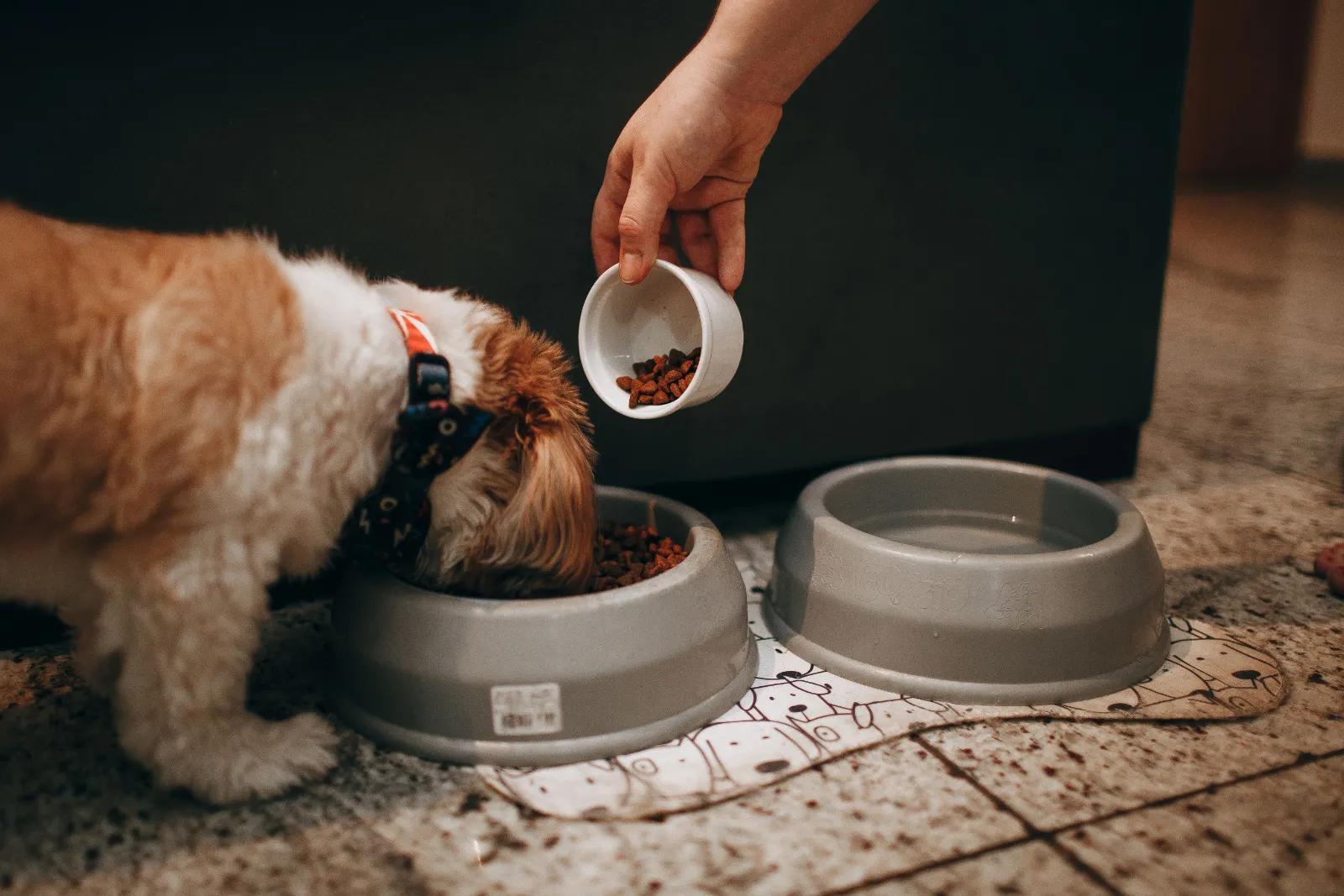
Write down who arrives, what they will do, and who covers a delay. If your puppy needs company throughout the gap, a single drop-in may not be enough. Discuss vaccination and suitability with your vet before choosing group care, and make sure any sitter knows your puppy’s current routine.
Use the workday care plan for the practical handoff, and share written sitter instructions with the same toilet route and care notes. These arrangements let you protect learning without making a departure longer simply because the calendar says you must leave.
Animalia suggests reviewing the next real absence before extending a practice session. Match the care plan to the puppy you have today, and return to the rest-area training foundations if confinement itself is a problem. Comfortable distance, available care, and gradual learning belong in the same plan.
Frequently asked questions
Can an eight-week-old puppy stay alone for a workday?
Do not plan an entire workday alone for a newly arrived young puppy. They need frequent care and a gradual introduction to time apart, rather than an age-based allowance. Arrange someone who can meet those needs while you are away. Practice easy distance at home first, and use what the puppy actually shows you to plan the next step.
Does sleeping through the night mean a puppy can stay alone all day?
No, sleep in a familiar nighttime setting does not prove that a daytime absence will feel the same or meet the same care needs. Toileting, meals, activity, company, and the household routine all matter. Assess daytime comfort separately, arrange help before it is needed, and avoid using a dry bed as the only sign of readiness.
Should I leave a puppy to bark until they stop?
Do not leave a puppy to panic or treat quietness after prolonged distress as successful learning. Check immediate needs and return to a step they can manage comfortably. Barking can have different causes, so note the context and ask for help when it persists. Avoid punishment, and seek veterinary advice about a sudden change or signs of pain.
Can another dog keep my puppy company instead?
Another animal does not guarantee that a puppy will cope with your absence, and adding a pet is not an alone-time training plan. Each animal needs safe space, suitable care, and a comfortable introduction. Observe how the puppy responds rather than assuming company solves the problem. Arrange human help when the puppy’s needs cannot otherwise be met.
How quickly should I increase time alone?
Increase it only when the easier step is comfortable, with shorter familiar exercises mixed into the routine. Blue Cross notes that progress varies between puppies and may take longer than a few days. If worry appears, return to an easier stage and plan care for real absences. A deadline for work should not become a deadline for the puppy.
Sources and editorial notes
- Blue Cross: puppies and time alone: gradual indoor practice and short initial departures
- Dogs Trust: time alone: individual comfort, gradual learning, and avoiding punishment
- PDSA: home alone: care limits, signs, health review, and care options
Animalia Editorial. Publish date: October 31, 2026. Last updated and sources checked: October 29, 2026. The situation table is an original care-planning aid, not a prediction of a puppy’s bladder control or emotional tolerance. See the editorial policy.
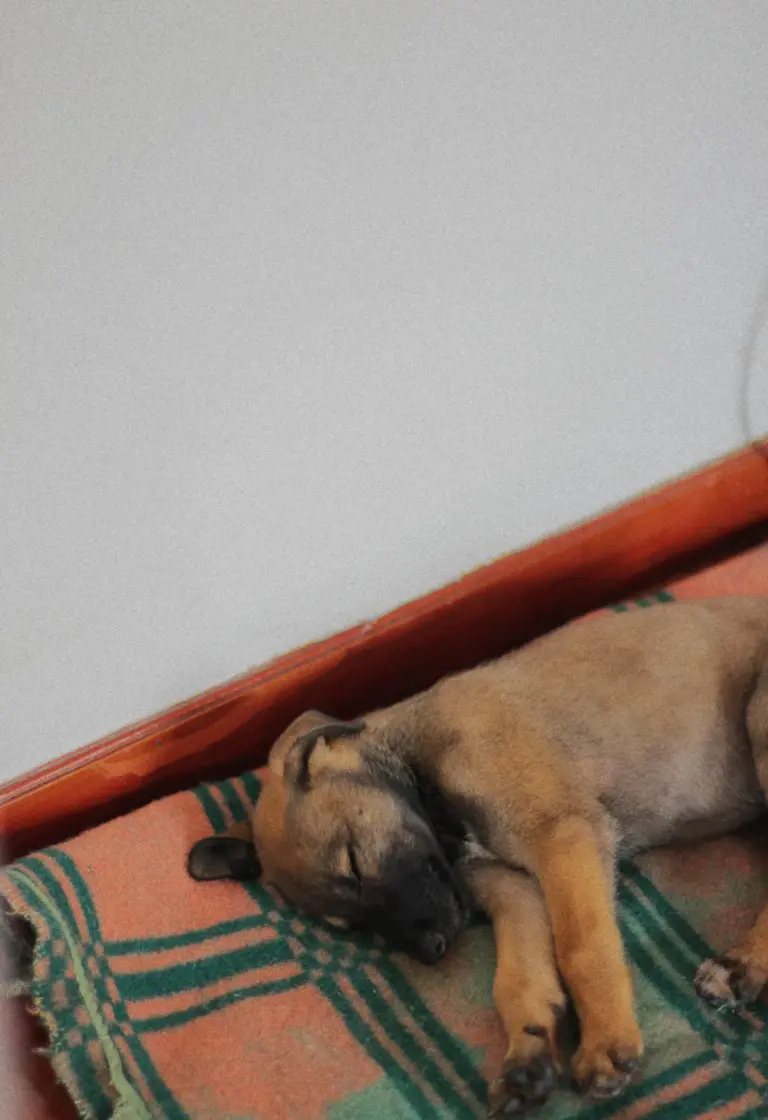
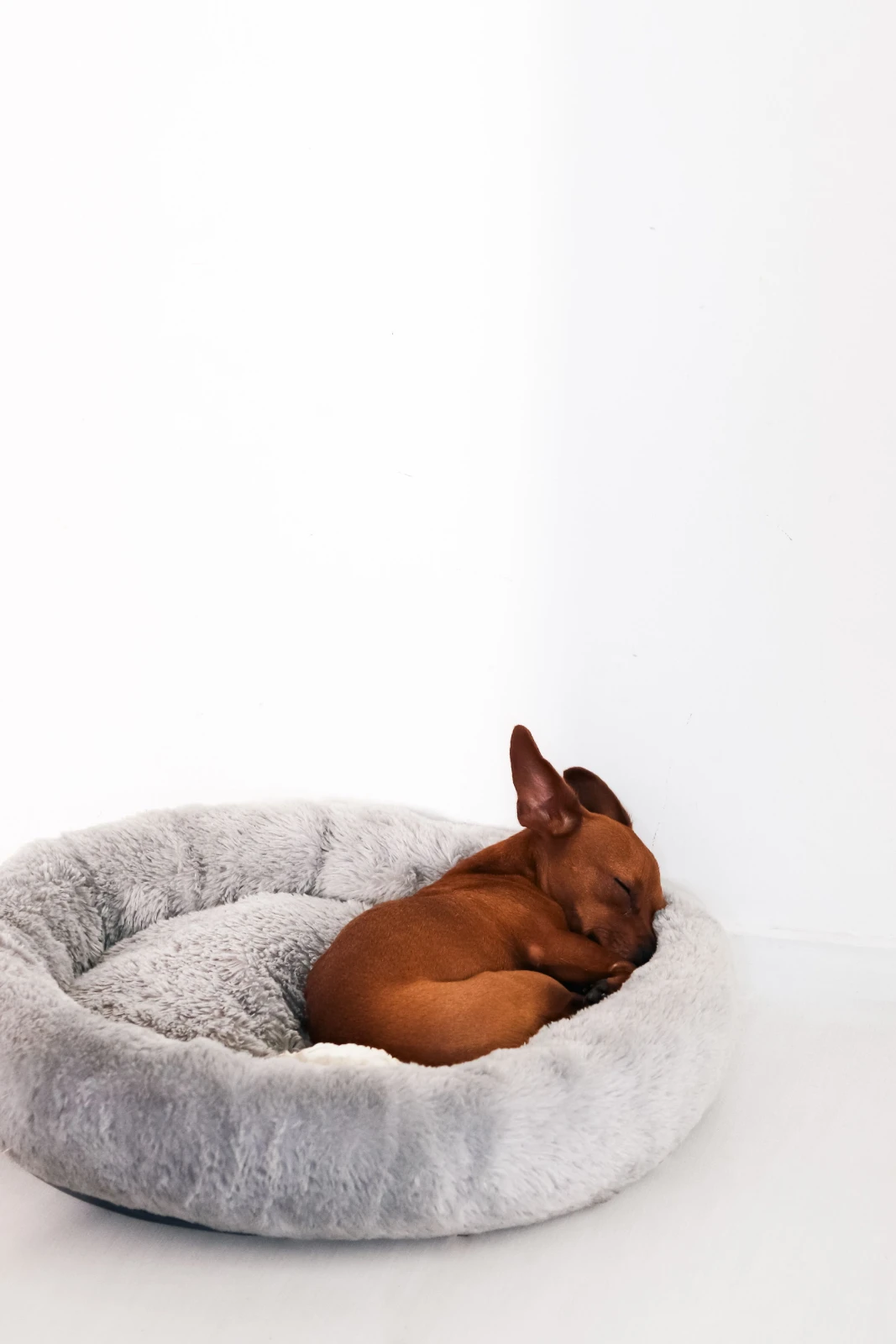
Featured photo: A small puppy sleeps in a padded bed, illustrating comfortable rest rather than confinement. Photo: thiago japyassu / Pexels.
Prepared with AI assistance and reviewed against the sources above.