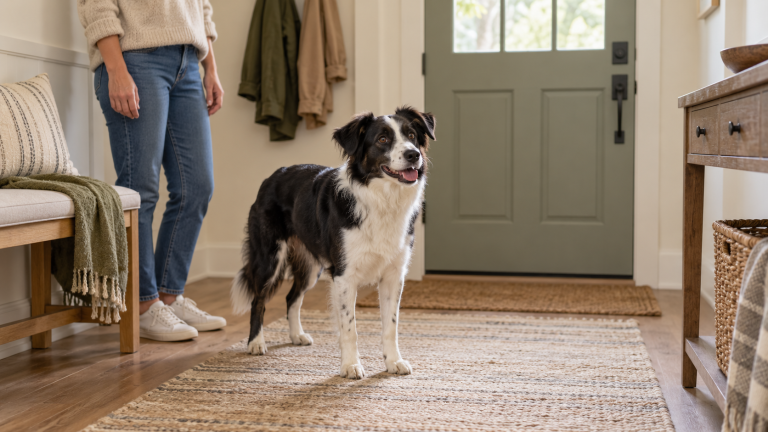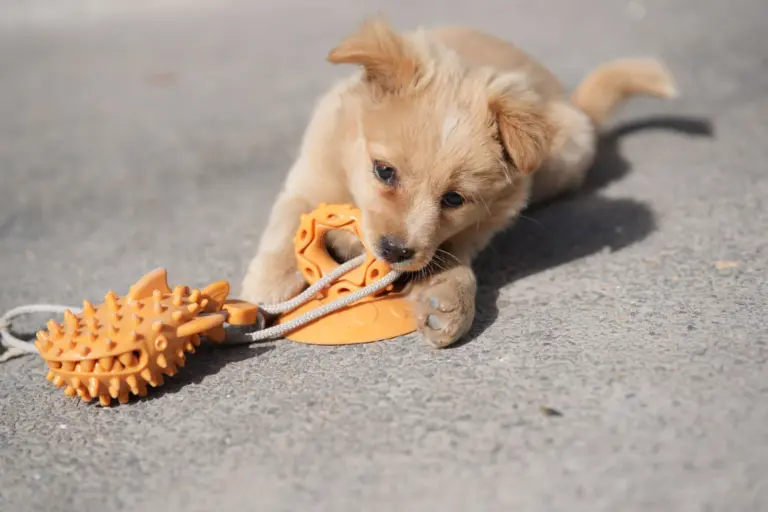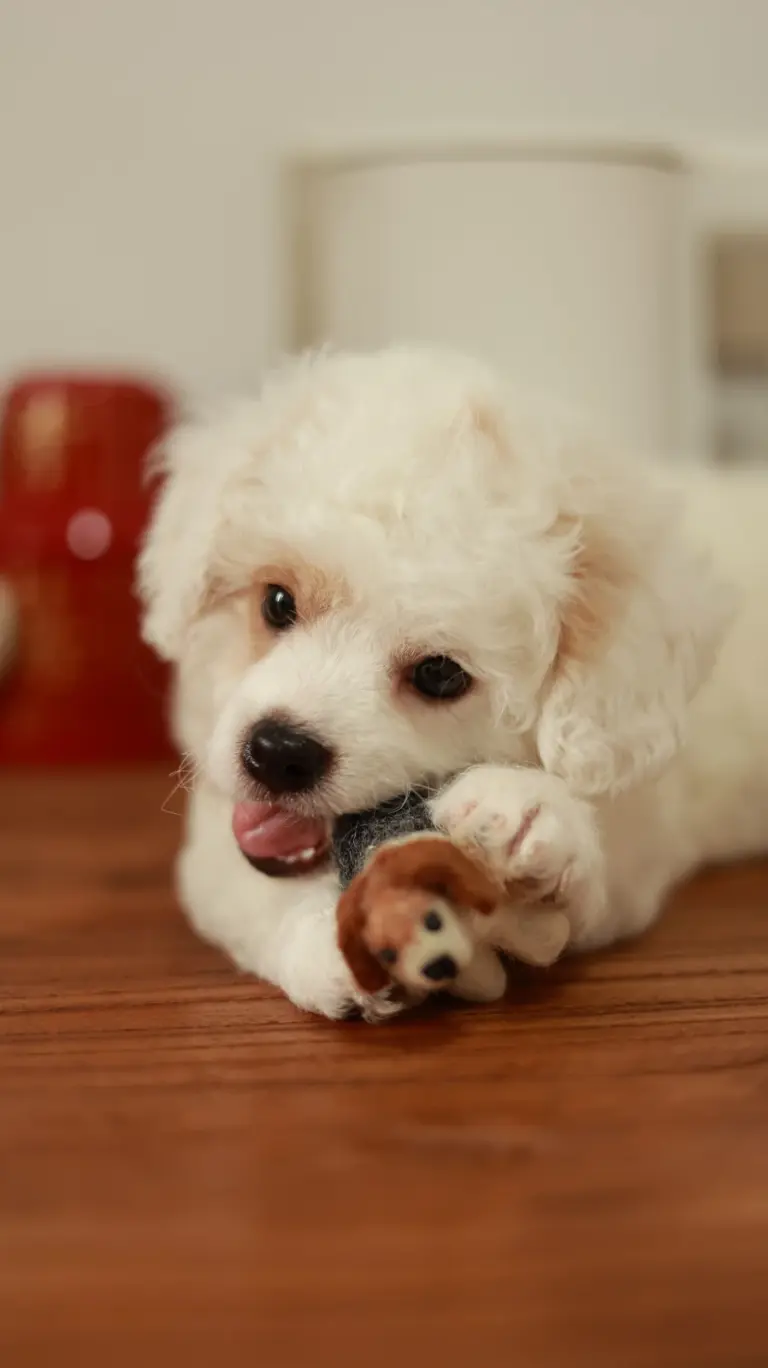
Potty training a puppy with puppy pads starts with a consistent indoor spot away from food and bedding. Guide your puppy there before accidents, and reward completed toileting. Battersea recommends a clear pad location and close supervision. If outside is the eventual goal, plan that transition without removing needed toilet access.
Pads can solve an access problem, but they still require teaching. This Animalia guide focuses on choosing the surface, preventing near misses, and changing locations safely. For the wider daily routine, start with the puppy potty-training guide.
When are puppy pads a useful choice?
Puppy pads may help when a safe outdoor toilet cannot be reached quickly, such as in an apartment. RSPCA Australia recognizes pads as a temporary toilet-training aid. Choose them because they meet your puppy’s access needs, then decide whether you want a lasting indoor station or an eventual move outdoors.
Begin by asking your vet which outdoor areas are suitable before your puppy’s vaccination course is complete. A pad should not become a reason to skip suitable social experiences or leave a puppy without company. Consider who can provide breaks, including during work calls or overnight.
| Your situation | Useful plan | Important check |
|---|---|---|
| A long elevator journey | Place an indoor station where it can be reached promptly. | Keep the route clear and the sleeping area separate. |
| Safe, nearby outdoor access | Begin outside, or use pads only when access genuinely fails. | Take your puppy out before the need becomes urgent. |
| Several people provide care | Share the same pad location and handoff notes. | Name the next person responsible for watching. |
| A puppy shreds the pad | Stop access to loose material and discuss an alternative setup. | A pad that is eaten cannot safely serve as the toilet surface. |
The table is an original planning aid, rather than a test showing which surface is best. Choose the setup you can supervise consistently. Changing the pad brand repeatedly will not fix a blocked route, a watching gap, or a puppy who cannot wait.
Seven steps for potty training with puppy pads
Keep spare pads, waste bags, a pet-safe cleaner, and suitable rewards ready before starting. The RSPCA advises watching for toilet signals and rewarding immediately after toileting. Apply that timing to your chosen station; a treat in the kitchen later does not identify the same action.
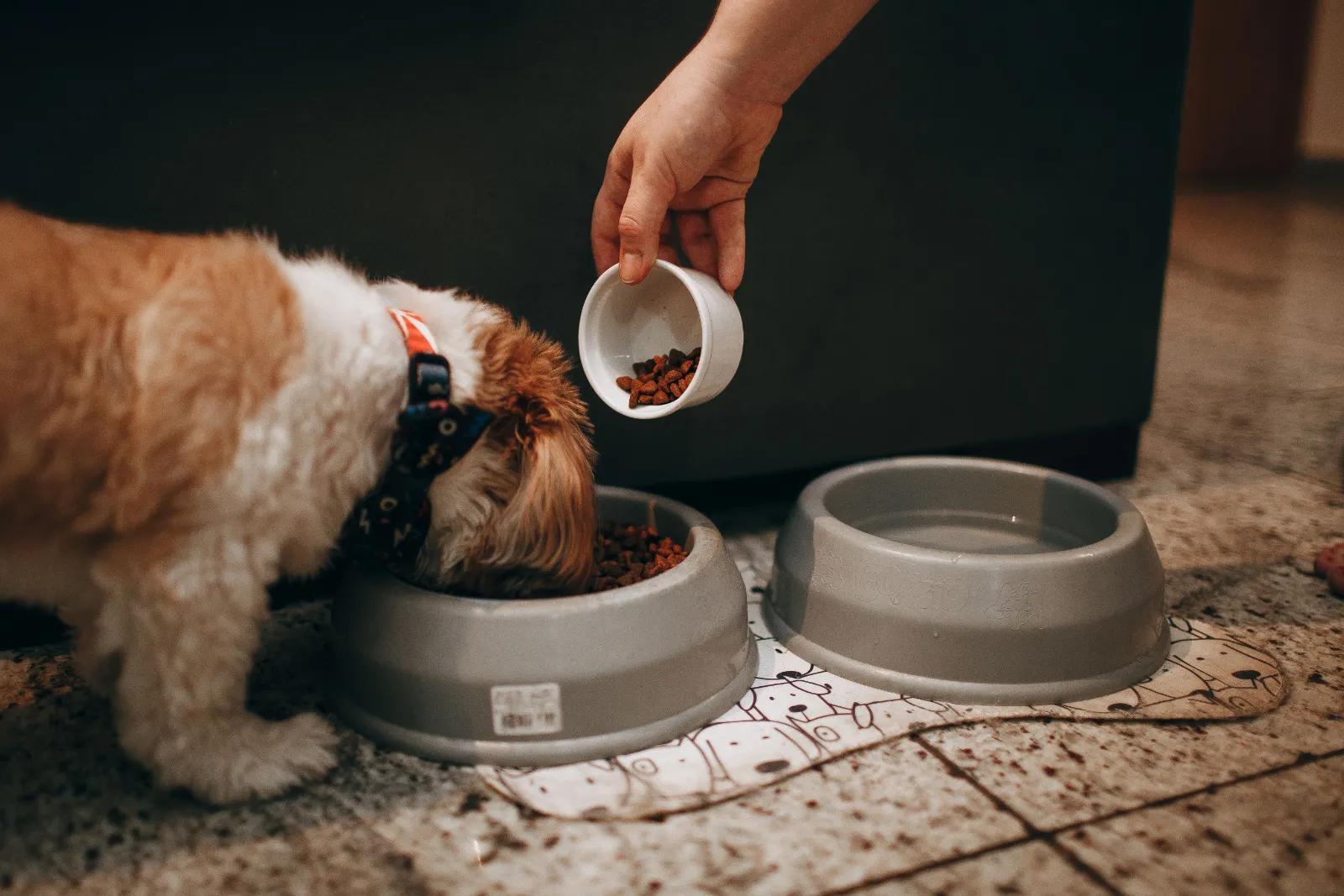
- Choose the station. Put the pad on an easy-clean floor, away from meals and bedding. Make the whole route easy to reach, without expecting your puppy to cross a closed gate.
- Make the surface clear. Lay it flat so your puppy can stand comfortably. If nearby rugs attract accidents, temporarily remove or block access to those rugs while teaching the chosen place.
- Offer chances before urgency. Guide your puppy there after waking, eating, drinking, and play. Watch between those events, because a routine reminder cannot cover every individual need.
- Wait nearby without pressure. Give your puppy room to sniff and settle. Avoid holding them on the pad, scolding a miss, or repeating a toilet cue while nothing is happening.
- Reward the completed event. Once your puppy finishes on the pad, praise calmly and offer the chosen reward there. Keep attention on actual toileting rather than paying for merely standing on the surface.
- Supervise after no result. If your puppy walks away without going, stay close and offer another chance soon. Free roaming into an unseen room makes it harder to notice the next signal.
- Clean and record. Replace soiled pads and clean surrounding misses according to the cleaner’s label. Write down the previous activity and outcome, then adjust the next opportunity rather than blaming the puppy.
Why is your puppy missing the pad?
A miss can reflect a hard-to-reach station, an unclear surface, a late opportunity, or a health concern. Battersea recommends checking access, surface preferences, and consistency. Watch where your puppy stands and when the miss happens before changing the plan. New discomfort or sudden regression needs veterinary advice.
If the front paws land on the pad while the body hangs over the edge, review the usable space. If accidents happen behind furniture, reduce unsupervised roaming. When your puppy only uses the station with company, make sure you still accompany early attempts instead of testing independence too soon.
| What you observe | Change to try | What to record |
|---|---|---|
| Accident beside the pad | Check usable space and approach direction. | Body position and whether the pad shifted. |
| Uses a rug instead | Keep rugs out of reach while making the station distinct. | Which surface your puppy repeatedly chooses. |
| Accident during a care handoff | State who is watching and offer a timely break. | The last successful toilet event. |
| Repeated urgent attempts or discomfort | Contact your vet instead of adding training pressure. | The change, timing, and other signs you notice. |
A puppy who bites or swallows pad material needs a safer arrangement. Remove access without chasing, and ask your vet if material may have been swallowed. Do not cover the whole home with pads to avoid supervising, because that removes the clear location you are trying to teach.
How do you move from pads to outdoor potty trips?
Keep offering easy access while teaching the new outdoor location, and reward toileting there as it happens. Battersea describes phasing pads out once accidents reduce. Let successful outdoor opportunities guide the change, because removing every pad before your puppy can reach the new spot may simply create more accidents.
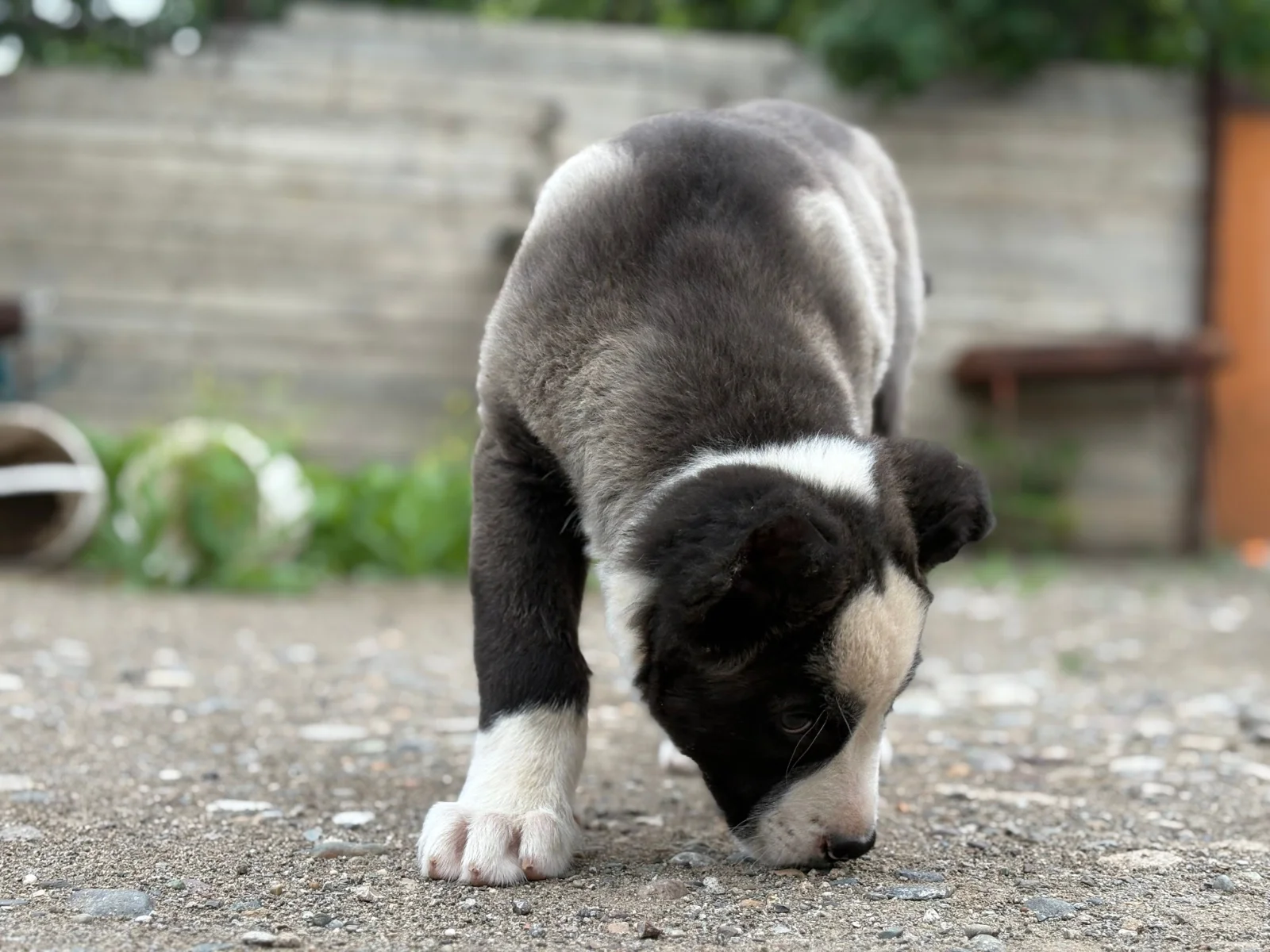
First confirm that the destination and route are suitable for your puppy. Prepare shoes, a leash, rewards, and waste bags before the likely toilet event. If an elevator or hallway slows the trip, plan around that delay rather than waiting until the puppy starts squatting.
Animalia suggests keeping a small record with columns for location, surface, previous activity, and result. A successful outdoor trip is useful information, but it does not prove that every future need can wait. Keep the next chance easy, especially after naps and active play.
Move or remove the indoor option only when the replacement is practical for the household and puppy. Avoid making several surface and location changes together. If you use a crate for rest, keep the toilet station separate; the crate-to-potty sequence explains those transitions.
Review a return of accidents
If your puppy used the station reliably before accidents returned, our potty-training regression guide helps you review what changed in access, timing, and the household routine. Keep veterinary concerns alongside that review instead of assuming the puppy has forgotten the lesson.
Protect rest, handle accidents, and get help
RSPCA Australia advises against punishing toilet accidents. If you find a puddle later, clean it and review the preceding watching gap. Taking your puppy back to inspect the mess cannot explain where you wanted them to go. Keep cleaners out of reach and follow their product directions.
Keep drinking water available, as the RSPCA advises for puppy rest areas. A puppy also needs movement, rest, play, and company beyond the toilet routine. For confinement decisions, review the positive crate-training foundations rather than treating a pad or crate as a substitute for care.
Ask your vet about frequent accidents, increased thirst, straining, or discomfort. Describe what changed without trying to label the cause yourself. If the vet rules out a health concern, a qualified reward-based trainer can help assess timing, access, surface preferences, and the household’s response.
Your next step is to prepare the station before the next nap ends. Share its location and reward timing through written caregiver instructions, then record the result. Animalia’s aim is reliable access and clear teaching, with a setup that can change as your puppy’s needs develop.
Frequently asked questions
Can puppy pads confuse a puppy about going indoors?
They can make the indoor surface part of what your puppy learns, so choose a clear location and an intentional plan. Pads do not automatically ruin housetraining, but if outside is the goal, keep providing outdoor opportunities and reward them there. Avoid expecting the puppy to understand an abrupt change in rules without guidance or reliable access.
Should the puppy pad go inside the sleeping crate?
For ordinary housetraining, keep the toilet station separate from the sleeping space. A crate should support comfortable rest, with breaks that meet the puppy’s needs. If you need a larger safe area with an indoor toilet option, plan distinct rest and toilet zones rather than requiring your puppy to soil the bed. Ask for tailored advice when space is limited.
How long should puppy pad training take?
There is no dependable deadline for every puppy, because access, supervision, previous surfaces, health, and individual development all affect the process. Look for more successful visits and fewer misses under the same conditions before making things harder. If progress stalls, review the setup and discuss persistent accidents with your vet rather than adding punishment or assuming stubbornness.
Can I use washable puppy pads?
A washable pad can be an option if the surface is safe for your puppy and easy to keep clean. Choose something distinct from rugs and bedding, as Battersea recommends. Watch for chewing, shifting, or poor absorption, because a reusable label does not make the item suitable for unsupervised use by a puppy who pulls it apart.
What should I do when my puppy will not use the pad?
Check that your puppy can reach the station and has a quiet chance when they genuinely need to go. Stay nearby after an unsuccessful attempt and offer another opportunity soon. Avoid forcing them to remain on the pad. Record surface preferences and timing, and seek veterinary advice if the change is sudden or your puppy appears uncomfortable.
How can I potty train a puppy in an apartment?
Plan the whole journey to the toilet area, including doors, hallways, and the elevator. Offer opportunities early enough to reach it comfortably, then reward toileting in the chosen place. If outdoor access is impractical, arrange a suitable separate indoor station and discuss a transition plan. Avoid making the puppy wait beyond their ability while you complete the trip.
Sources and editorial notes
- Battersea: toilet training: pad location, surface changes, phase-out, and veterinary referral
- RSPCA Australia: toilet training: positive reinforcement, supervision, temporary pads, and avoiding punishment
- RSPCA: toilet training: toilet signals, opportunities, and reward timing
- RSPCA: crates and puppy areas: water access and comfortable rest
Animalia Editorial. Publish date: October 31, 2026. Last updated and sources checked: October 29, 2026. The decision and troubleshooting tables are original illustrative planning aids, not results of a pad trial. This article provides general care information, not diagnosis or treatment. See the editorial policy.
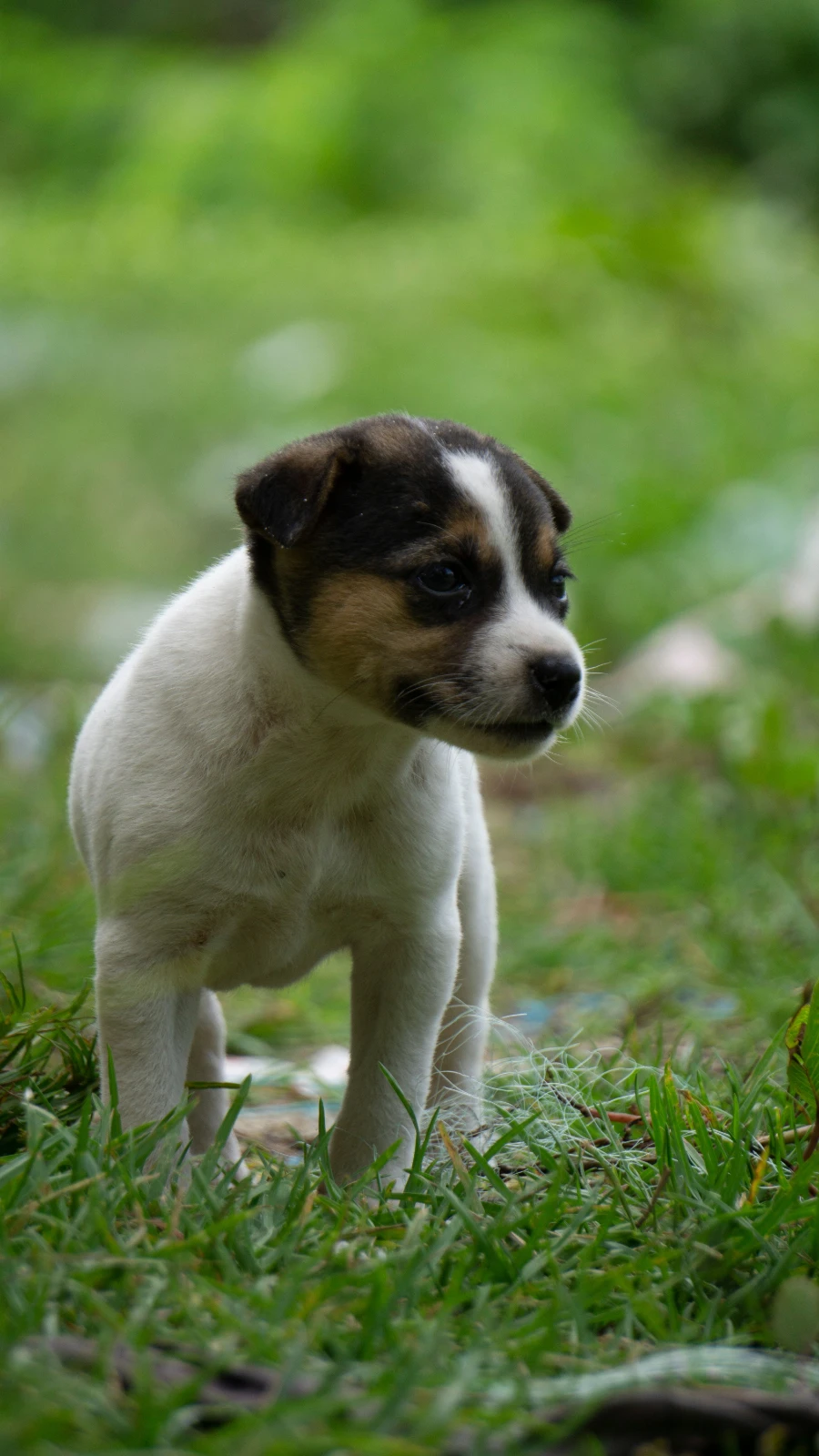
Featured photo: A brown and white puppy standing on grass. Photo: Rohit George / Pexels.
Prepared with AI assistance and reviewed against the sources above.