To discipline a puppy, prevent unsafe choices, calmly interrupt when needed, and reward a useful alternative right away. AVSAB recommends reward-based teaching and clear boundaries without fear or pain. If you find a mistake afterward, clean up and change the setup. Scolding later does not explain the action you wanted instead.
Chewed shoes and jumping can leave you unsure what to do next. Animalia’s plan separates the response in the moment from the lesson you teach later. Start with one recurring problem, then use the response table to decide what your puppy needs before another attempt.
What does fair puppy discipline actually teach?
Fair discipline shows a puppy what to do when a choice could cause trouble or harm. That might mean chewing a safe toy, greeting with paws on the floor, or following you away from a shoe. Keep the rule clear, while helping your puppy learn without fear, force, or pain.
PDSA explains why telling a puppy off after the event rarely helps. The puppy cannot use your late reaction as a clear instruction about what to do next time. So deal with the practical problem, then plan a better opportunity to teach the skill before it is needed again.
Use our beginner puppy training plan to choose the wider skills you want to build. This guide focuses on your response when an unwanted action happens, rather than setting a full daily curriculum. A missed lesson is useful information about the setup, not a reason to become harsher.
Six steps to handle an unwanted action
Set out safe toys, rewards your puppy enjoys, a gate, and a soft place to rest near you. The steps below put Dogs Trust’s advice on consistent rules and environment management into a plan you can follow at home. There is no fixed number of tries that makes every puppy learn the same skill.
1. Make the situation safe without a confrontation
Move people and other pets out of reach, then block the hazard if you can do so safely. If your puppy holds a risky object, do not turn it into a chase or a grabbing game. Call your vet right away if they may have swallowed something harmful or seem hurt.
2. Check what happened just before it
Write down what happened so you can plan the next step from the facts you saw. Was the shoe beside the bed, was a guest leaning over the puppy, or had play become too rough? Check toilet needs, water, rest, and signs of worry before you try to teach a skill.
3. Interrupt gently only when it helps
Use a familiar, pleasantly taught name or invitation to move with you if the puppy can respond. Then create space from the problem. Avoid shouting, startling noises, or pulling the puppy into position. If your cue gets no response, change the environment instead of making the same cue louder.
4. Give the puppy an achievable alternative
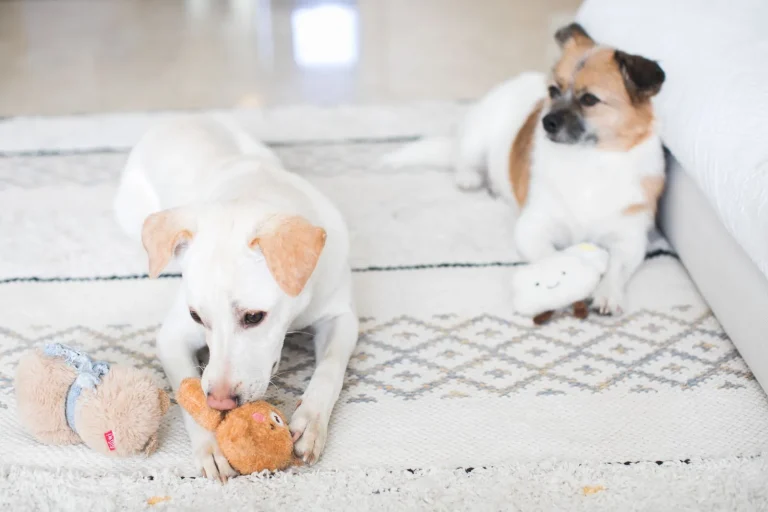
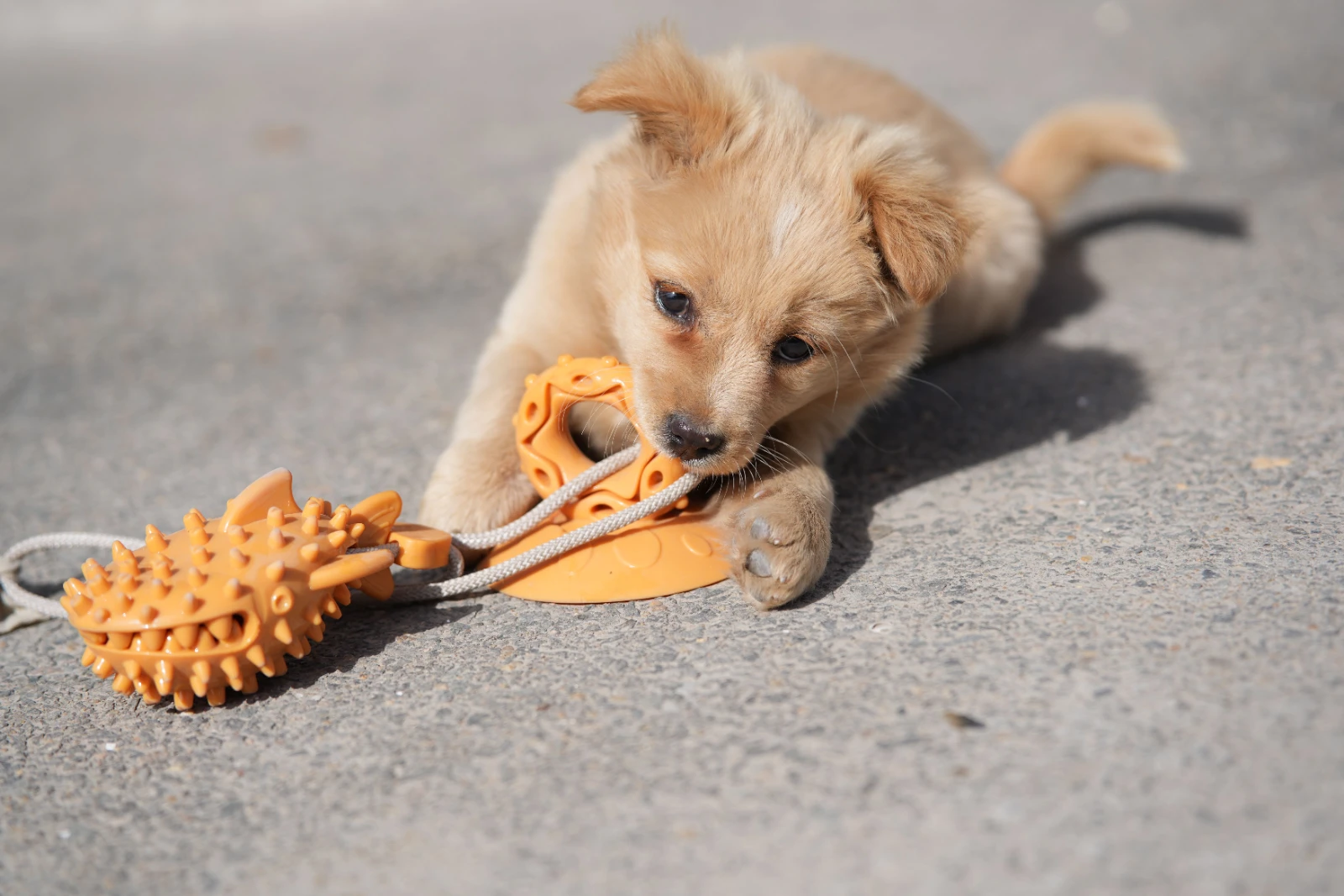
Offer a safe toy when chewing is the issue, or make room for all paws to reach the floor. Choose a task your puppy can do well now, rather than one they have yet to learn. If they seem too upset to take part, meet their needs and try the lesson later.
5. Reward the action you want to see again
Blue Cross recommends rewarding immediately after the successful action. Notice the puppy choosing the toy, turning toward you, or greeting calmly. Prepare rewards before the predictable situation so you can catch the useful choice early. You do not need to wait for a perfect performance before teaching becomes worthwhile.
6. Change the next opportunity
Put the shoe away, plan a calm greeting, or stop the next game before play gets too rough. Then teach the skill you want at a time when your puppy can do it well. A gate can help while you teach, but it does not teach the skill for you. Share the plan with everyone.
Choose a response for the actual situation
Animalia’s table turns the sequence into concrete household decisions. These are editorial examples, not diagnoses or reports of training results. Use the matching specialist guide when a problem needs more detail, and get individual help when safety or your puppy’s comfort is in doubt.
| What happens | Respond now | Prepare next time |
|---|---|---|
| Chews an accessible shoe | Offer a safe alternative without chasing | Store shoes and make suitable toys available |
| Jumps to greet | Create space and reward paws on the floor | Plan a calm greeting before the guest enters |
| Mouths during play | Pause the interaction safely | Use a toy and add earlier calm breaks |
| Has a toilet accident | Clean up calmly; offer an appropriate trip | Review supervision and toilet opportunities |
| Avoids a training cue | Make the task easier or pause | Teach the missing step in a quiet setting |
| Guards an object or growls | Give space and protect others | Seek a qualified reward-based professional |
For repeated mouthing, use our puppy biting and play guide. For accidents, follow the puppy potty-training routine. Neither problem needs a punishment routine. The next useful lesson depends on the action you want to replace and the puppy’s current ability to do it.
Should you use time-outs, shouting, or the crate?
Do not use shouting, physical punishment, frightening tools, or forced crate confinement as discipline. You can stop an interaction calmly and arrange a safe break, but the puppy still needs care and support. A comfortable resting area should remain a place of safety, rather than a consequence they learn to fear.
Blue Cross advises managing the environment and teaching alternatives instead of punishing puppy mistakes. If play is getting too rough, calmly step out of reach or use a familiar barrier while staying available. Then review whether the puppy needs a toilet trip, gentler activity, or rest before play resumes.
Use gradual crate training only to build comfort with a resting space. Do not push a puppy inside after a mistake or leave them crying as a lesson. A pen or bed near you may be the more workable care setup while you help them settle.
How do you know the plan is helping?
Look for more chances to reward a useful choice and fewer repeats of the problem in the same setting. Note what the puppy did, where it happened, and what you changed before it began. No fixed date tells you when a habit will form, and quietness alone does not prove that your puppy feels safe.

For example, write “greeted with paws down while the guest stood farther away” instead of “was good.” Repeat that easier greeting before you ask for more. If setbacks keep happening, check whether the whole household rewards the same action and whether the puppy’s daily needs are being met.
Call your veterinarian about sudden behavior changes, signs of pain, or concerns about eating, energy, or toileting. For guarding, snapping, intense fear, or ongoing trouble, ask for a qualified reward-based trainer or veterinary behaviorist. AVSAB supports referral when a training plan needs more specialist help.
Frequently asked questions
Is it okay to discipline a puppy?
Yes, when discipline means teaching safe boundaries and rewarding useful behavior. Prevent access to hazards and show the puppy what to do instead. Avoid actions that hurt, frighten, or intimidate them. If you are too frustrated to teach calmly, arrange a safe care break and ask another caregiver to help you reset the situation.
What if I find the mess later?
Clean up calmly and review how it happened. A reaction after the event does not give your puppy a useful practice opportunity. Instead, change access, supervision, or the toilet plan before the next likely mistake. If accidents change suddenly or you notice discomfort, speak with your vet rather than assuming your puppy has forgotten the rules.
How do I stop puppy biting without punishment?
Pause rough play safely, offer a suitable toy, and reward gentler interaction when your puppy can manage it. Also review rest and the way people play with them. Do not hold the muzzle shut, pin the puppy, or use startling corrections. Get individual professional help for guarding, injuries, or behavior that makes you feel unsafe.
What month is hardest with a puppy?
There is no single hardest month for every household or puppy. The difficult part may change as care needs, skills, and daily routines change. Write down the situation that is hardest today, then simplify that part of the plan. A practical handoff for sleep, toilet trips, and supervision helps more than waiting for a particular birthday.
Should I follow a seven-seven-seven rule?
Do not treat a numbered online rule as a required timetable for your puppy. Such labels can refer to different ideas and cannot show what an individual puppy understands or tolerates. Choose small, comfortable lessons and review their response. Ask a qualified reward-based professional to help when you need a plan for a specific behavior or safety concern.
Start with one predictable problem
Choose one situation you can make easier today, then prepare the alternative before it happens. Keep rewards ready and tell other caregivers what to notice. Return to the puppy care and rest hub for the wider setup, while keeping your response to mistakes calm and consistent.
Sources and editorial notes
- AVSAB: humane dog training position statement
- PDSA: basic training for puppies
- Dogs Trust: teaching good habits
- Blue Cross: giving your puppy an education
- Blue Cross: dog and puppy training
Animalia Editorial. Published: November 2, 2026. Last updated: November 2, 2026. Source review: October 30, 2026. The response table and household examples are original editorial planning aids, not tested results. Editorial standards: Animalia Editorial Policy.
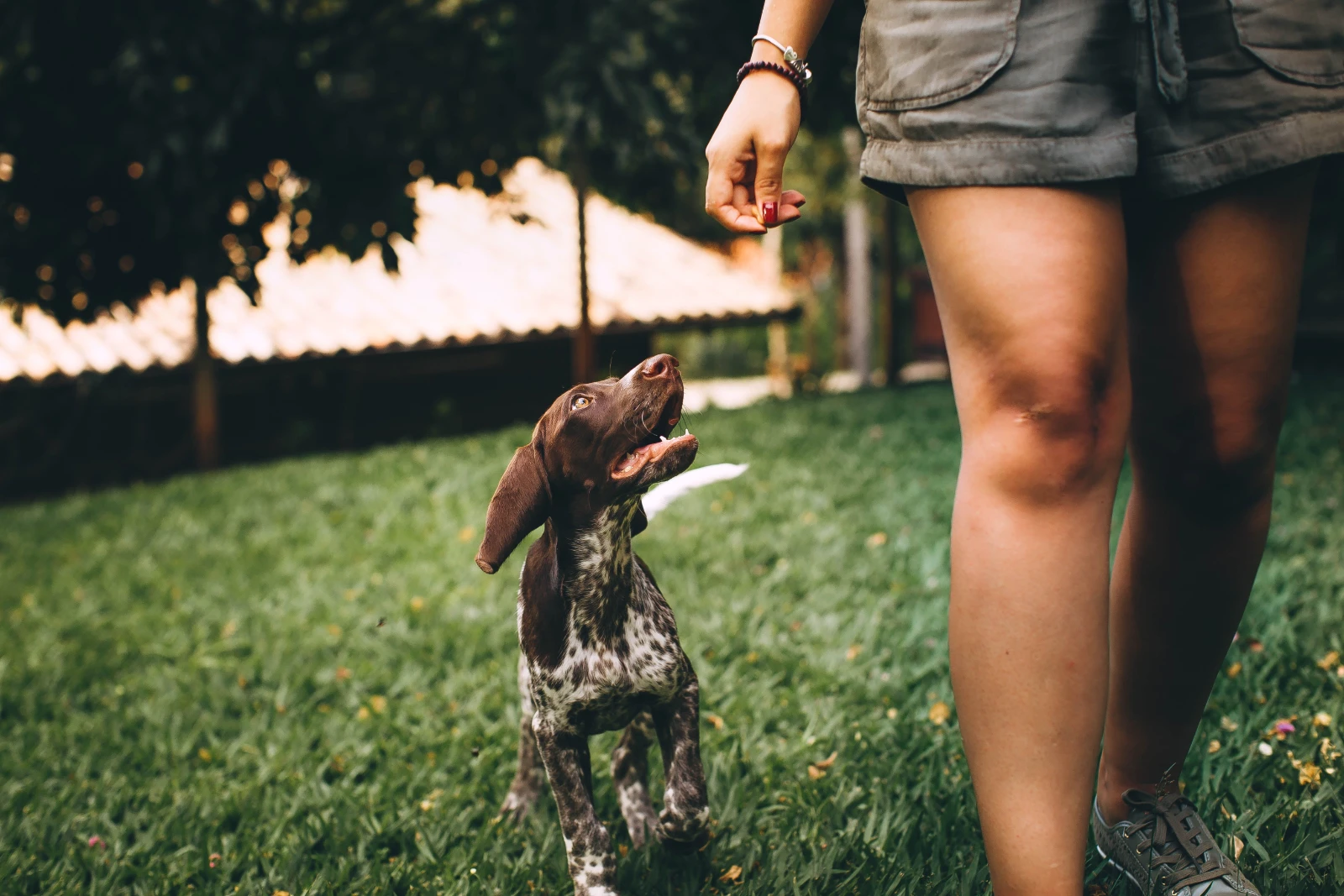
Featured photo: A puppy sits on grass and looks toward a person’s hand. Photo: Helena Lopes / Pexels.
Prepared with AI assistance and reviewed against the sources above.