How to raise a puppy starts with safe spaces, regular care, gentle learning, and enough uninterrupted rest. RSPCA’s puppy guidance emphasizes preparation, positive experiences, and a consistent routine. Arrange veterinary care, reward useful behavior, and plan help before leaving your puppy alone longer than they can comfortably manage.
You do not need to teach everything during the first week. Animalia’s plan helps you choose the next manageable action, share the workload, and notice when the setup needs changing. Start with the puppy in front of you, rather than a deadline.
What should you prepare before training?
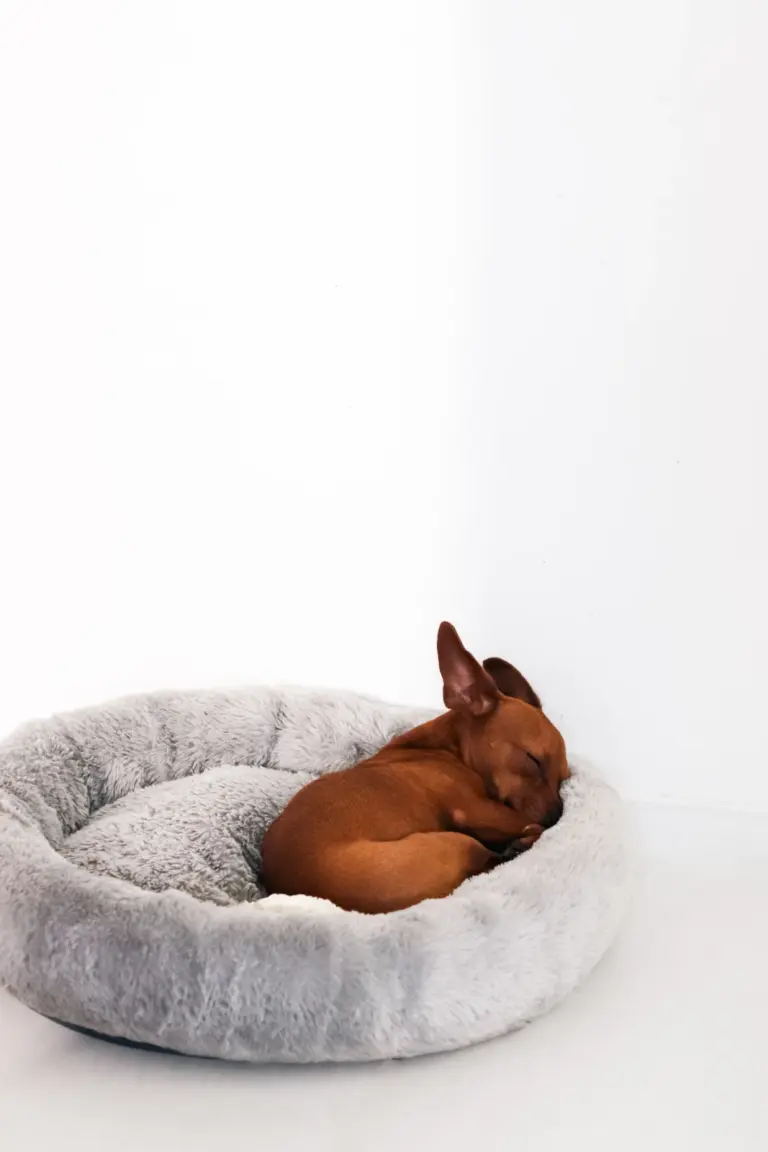
Prepare a safe rest area, suitable food and water bowls, an outdoor toilet plan, and veterinary support before adding training goals. RSPCA recommends a quiet resting place and removing dangerous chewable objects. Keep the puppy’s previous food and routine initially, and ask your veterinarian about any changes your puppy needs.
Place the supplies where the person providing care can reach them easily. For example, keep the leash beside the door you will use for toilet trips, rather than in a distant closet. Store cleaning products and small objects behind secure doors, and check the floor again after visitors leave bags or shoes nearby.
Use our new puppy checklist to organize purchases and our puppy-proofing guide to review rooms. Write the clinic’s contact details where every caregiver can find them. If the first setup is difficult to supervise, make the usable space smaller before adding more equipment or activities.
Repeat a flexible care cycle through the day
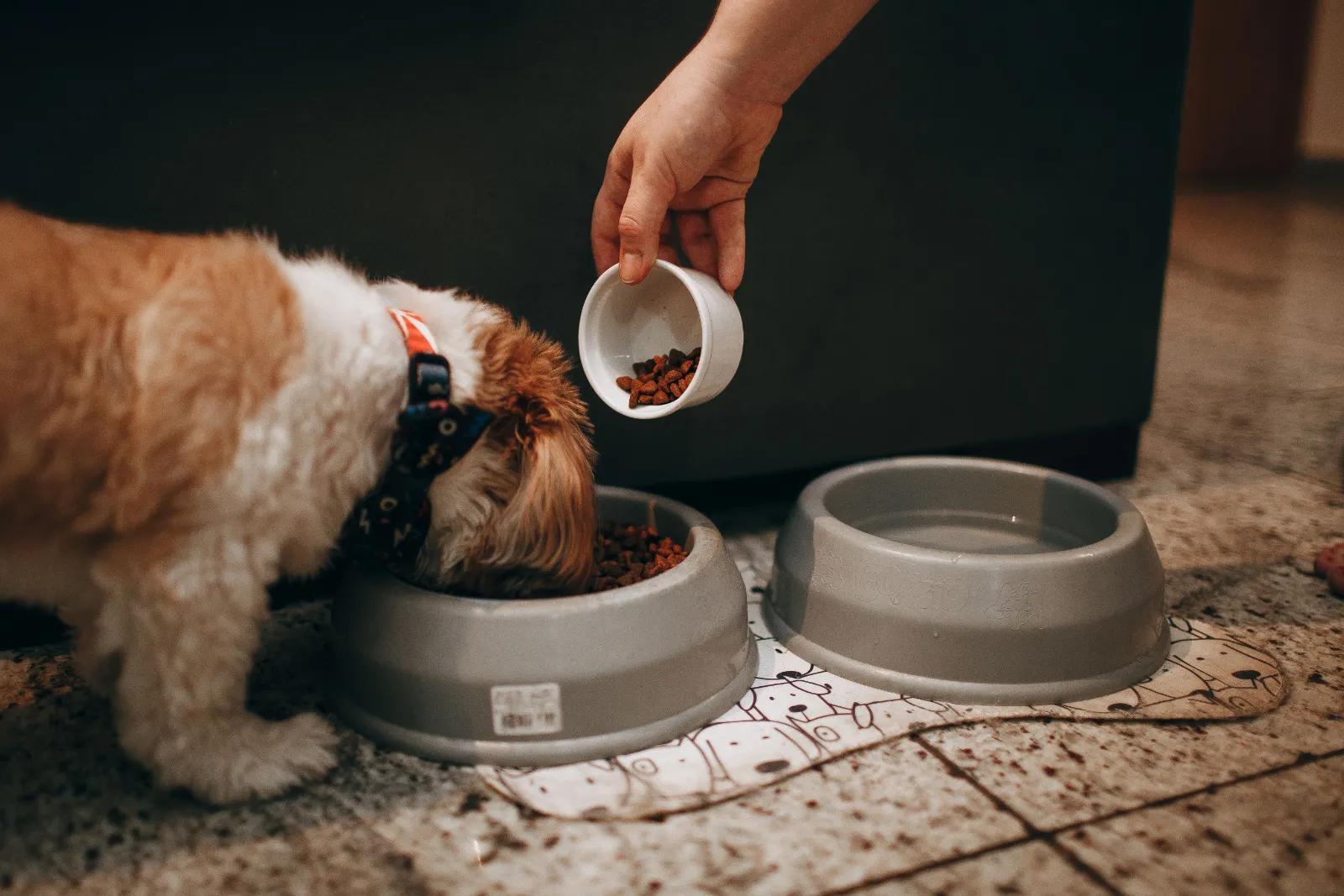
Think in repeatable events instead of a timetable that promises every puppy the same result. AKC’s routine guide includes meals, toilet breaks, short play periods, and naps. Clean drinking water also belongs in the plan. Your veterinarian can help you choose appropriate food and care for your individual puppy.
| Daily moment | Care action | What to note |
|---|---|---|
| Waking | Offer a toilet opportunity, then calm interaction | Whether someone can supervise the next activity |
| Mealtime | Follow the puppy’s agreed feeding plan | Who fed the puppy and when |
| After activity | Offer another toilet opportunity | The context of accidents, without blame |
| Quiet period | Provide an undisturbed resting place | Whether the room remains busy or noisy |
| Caregiver handoff | Share the latest care note | The next person responsible for a break |
This Animalia handoff table is a planning example, not a feeding prescription or a bladder-capacity chart. Keep the sequence practical for your household, and use the puppy schedule guide for a fuller example. When the day changes, name the replacement caregiver instead of expecting the puppy to absorb the gap.
How do you teach useful behavior gently?
Reward the behavior you want and make the next repetition easy enough for your puppy to succeed. AVSAB recommends reward-based methods for dog training. Begin with simple everyday actions, such as looking toward you or standing calmly nearby. Avoid physical corrections, frightening devices, and lessons that keep getting harder after your puppy struggles.
Choose one action before reaching for a reward. For example, say the puppy’s name once, then reward a glance toward you when it happens. Practice in a quiet room before expecting attention outside. If the puppy cannot engage, pause and review the setting, rather than repeating the cue more loudly or withholding normal care.
Keep the household wording consistent and write it beside the care note. One person asking for “down” to mean lying down while another uses it for leaving furniture creates an avoidable conflict. Our puppy training plan breaks early skills into manageable practice, while a qualified reward-based trainer can help when progress becomes confusing.
Introduce the world through positive experiences
Socialization should give your puppy safe, positive experiences, rather than force contact with everything you encounter. RSPCA includes gentle introductions to people, handling, and everyday situations. Ask your veterinarian how to balance local health risks with appropriate experiences. Avoid treating a busy public place as the automatic next step for every puppy.
For an illustrative first outing, you might observe a quiet street from a comfortable distance and leave while your puppy remains settled. Another day’s practice could involve hearing a household sound at a level the puppy can tolerate. The useful question is what the puppy can manage now, rather than how many encounters you can count.
Give your puppy a way to move away, and ask visitors to respect that choice. Keep play and handling brief enough that you can notice a change in comfort. If your puppy freezes, hides, or repeatedly tries to escape, end the situation and discuss the pattern with your veterinarian or a suitable reward-based professional.
Plan rest, supervision, and working-day help
An ordinary working day needs a real care arrangement, rather than a longer training challenge. AKC advises arranging a sitter or suitable care when an absence exceeds the puppy’s toilet needs. Build the plan around access to care, a suitable space, and the puppy’s observed comfort, with uninterrupted opportunities to rest.
If you are learning how to raise a puppy while working full time, list each period when nobody can provide care. Put a person’s name beside each gap, including a backup for delays. A camera can help you observe an arrangement, but it cannot take the puppy outside, refill water, or respond physically when something goes wrong.
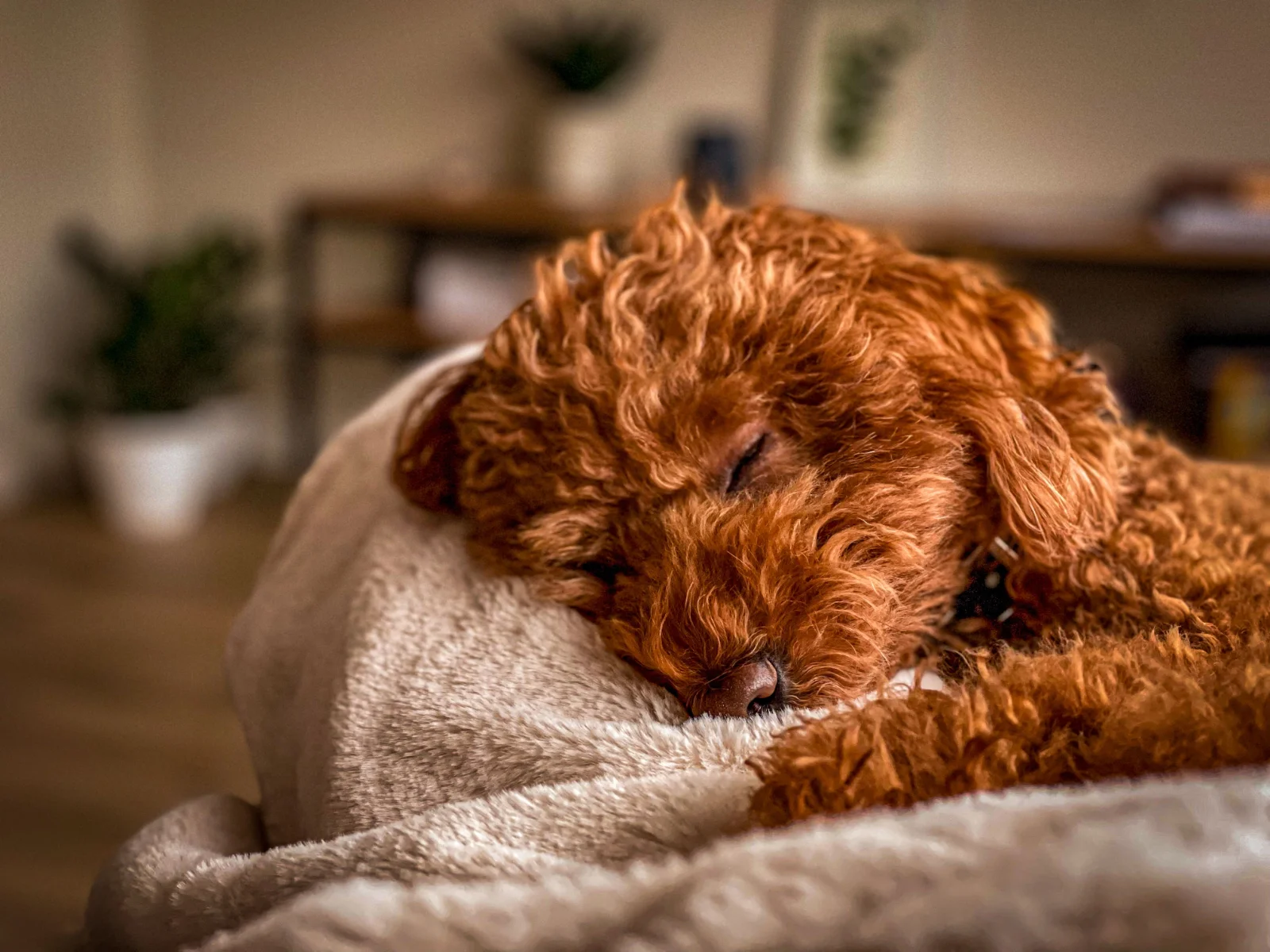
Practice a comfortable resting setup while someone remains available, and avoid using confinement to cover an unresolved care gap. Our puppy crate training guide explains a gradual introduction; a crate is optional household equipment, rather than a substitute for care. Agree that sleeping puppies can rest without visitors repeatedly waking them to interact.
What should you do when the plan goes wrong?
Review the environment, the care gap, and the difficulty of the task before adding another demand. A missed toilet trip needs a better handoff; difficulty settling may need a quieter setup. If behavior changes suddenly, the puppy seems unwell, or anyone feels unsafe, contact your veterinarian instead of treating the problem as disobedience.
Keep a short account of what happened before and after the problem. For example, note that an accident followed a missed handoff, rather than writing that the puppy “knew better.” When the cause is uncertain, preserve that uncertainty in the note. Your veterinarian and trainer will have more useful information than a broad label provides.
Animalia recommends choosing one practical change for the next cycle: move the leash, confirm the caregiver, or reduce the distraction. Then review whether that change was possible to maintain. No single age marks the end of raising a puppy, and a difficult afternoon does not erase earlier learning. Ask for help before frustration becomes a handling habit.
Frequently asked questions
What should I teach my puppy first?
Begin with safety and everyday care, then reward simple actions such as attention and calm interaction. You do not need a long list of cues before your puppy can settle into the home. Choose one manageable skill in a quiet setting, and keep the household response consistent. If you need help choosing priorities, ask a qualified reward-based trainer.
Can I raise a puppy while working full time?
Yes, if you arrange care that meets the puppy’s needs during the periods you cannot be available. Write down who will provide toilet opportunities, meals, water checks, and supervision, with a backup for delays. The plan must work on an ordinary busy day. Leaving a camera running or buying a crate does not provide those hands-on care tasks.
Do I need a crate to raise a puppy?
A crate is one possible rest or management option, but the puppy needs a gradual, comfortable introduction if you use one. A suitable pen or puppy-safe area may fit some households better. Choose around supervision and the puppy’s response, rather than a claim that every puppy must use identical equipment. Ask for help if confinement causes distress.
How long does raising a puppy take?
There is no universal finish date for learning household routines or becoming comfortable with new situations. The RSPCA’s care guide follows needs across the first year, rather than promising a completed dog after a short course. Review your puppy’s care and skills as they grow. Ask your veterinarian and trainer about the next appropriate step for your particular puppy.
How should everyone share the puppy’s care?
Assign each care period to a named person and keep a brief shared note about what happened. Include meals, toilet opportunities, rest, and anything unusual that the next caregiver should know. Agree on the words you use for training and on how to respond gently. Review the handoff when plans change, instead of relying on someone else to notice.
Sources and editorial notes
Animalia Editorial. Reviewed November 4, 2026. The table and examples are editorial planning aids, not observed results or a fixed developmental timetable. See our editorial policy.
RSPCA: puppy care; AKC: puppy routines; AVSAB: humane training position statements.
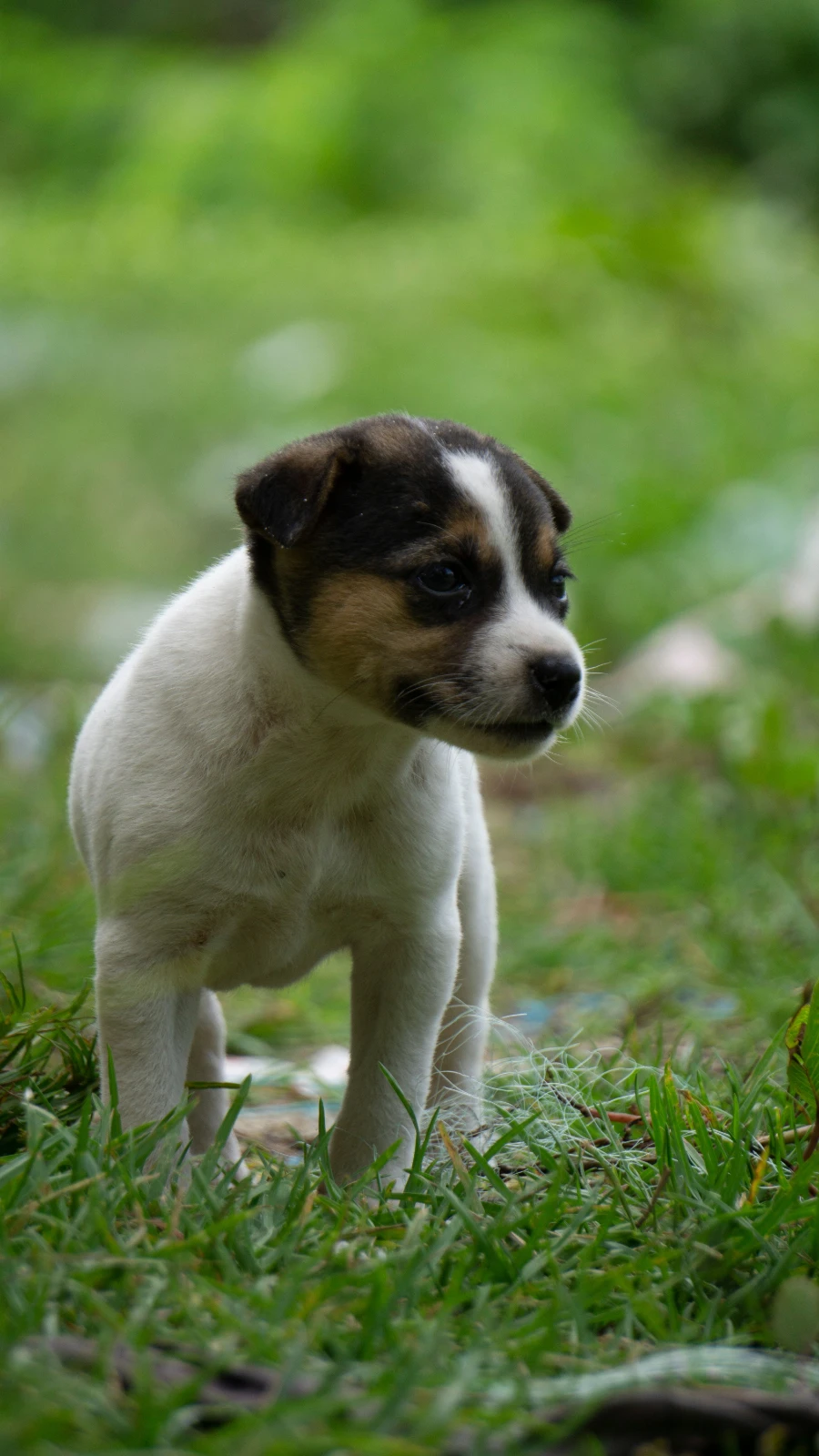
Featured photo: A brown and white puppy standing on grass. Photo: Rohit George / Pexels.
Prepared with AI assistance and reviewed against the sources above.