Good cat sitter instructions explain the normal routine, where essential supplies live, and whom to contact when something changes. Put the practical information in one short care note and walk through the home together. A clear handoff is more useful than scattered messages.
Start with identification and contacts
List each cat’s name and a brief description so the sitter can distinguish them. Include your contact, a backup contact, veterinary practice, and local emergency arrangements. Agree on how the sitter should reach you and what to do if you are unavailable.
Store access instructions securely and share them through an appropriate private channel. Do not put door codes or private contact details in a public checklist or on a visible exterior notice.
Explain food and water precisely
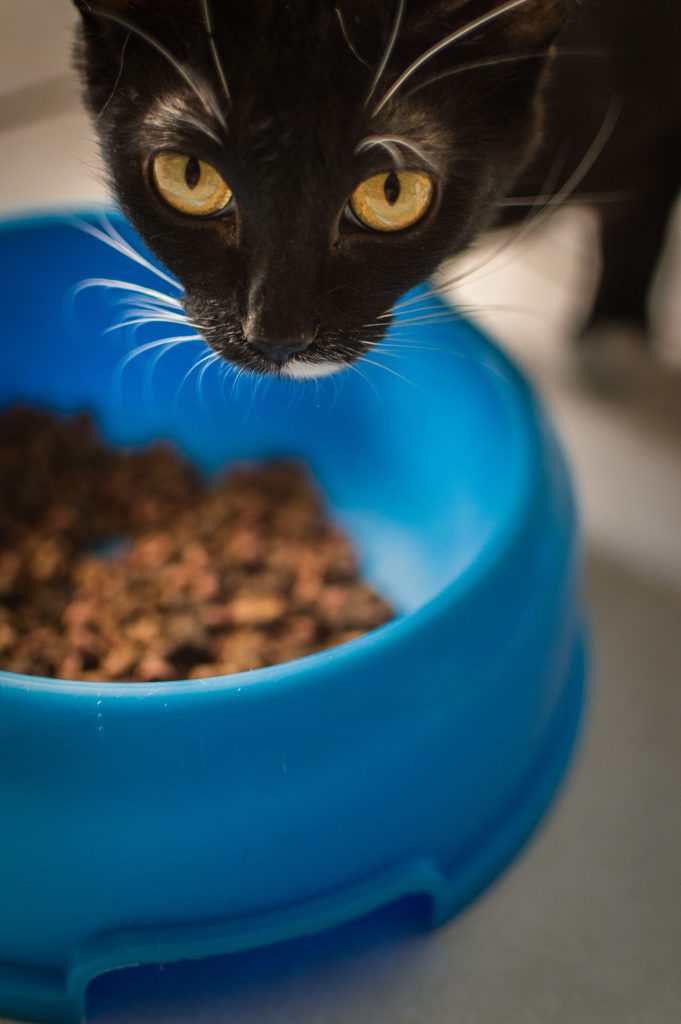
Write the existing food, quantity, timing, and location of supplies. Identify separate feeding arrangements where necessary. Ask the sitter to follow the established plan rather than introducing new treats or puzzles while you are away.
If care includes prescribed medication or a medical feeding plan, provide the veterinary instructions and an agreed qualified caregiver. This article does not supply dosing or treatment directions.
Map routine tasks
- Where every water bowl is located.
- Which litter boxes to check and where waste supplies live.
- Which toys are suitable for supervised play.
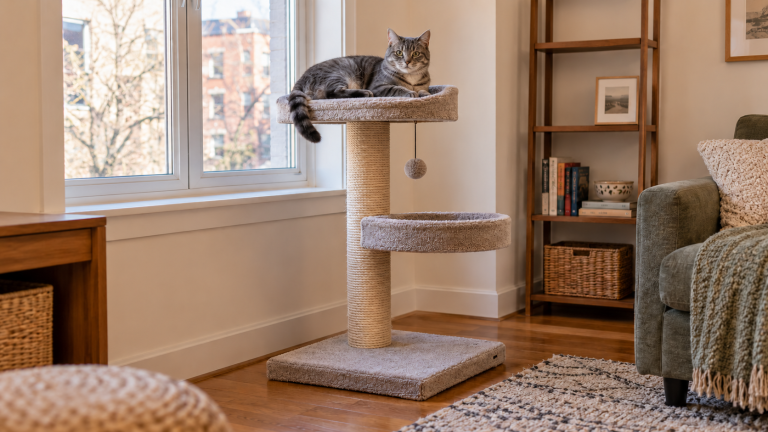
- Where the cats prefer to rest and retreat.
- Which doors or rooms have specific access rules.
- Where the carrier and care records are stored.
Use a small home map if resources are spread out. Our multi-cat layout guide can help identify items that are easy to overlook.
Agree on a manageable visit update
Ask for useful observations: cats seen, food and water checked, litter cleaned, and anything noticeably different. A brief photograph may help when the cat chooses to be visible, but the sitter should not disturb a hiding or resting cat to obtain one.
Define the contact process for reduced eating, toileting concerns, or other changes with your veterinary team before departure. Avoid instructing the sitter to wait several days because a cat is usually shy.
Do a real walkthrough
Show how equipment works and confirm the sitter can access the property and supplies. Invite them to describe the routine back to you. Correct confusing labels before departure rather than after the first missed task.
Keep a copy of the final care note with the sitter and another accessible inside the home. Update it whenever the established routine changes.
Sources and editorial notes
This is an Animalia handoff template. General resource context: Ohio State University: indoor cat needs. For suitable optional play, use the familiar activities from your cat’s play routine, not a new challenge introduced during an absence.
Featured image: Illustrative caregiver planning scene, generated with AI; the image does not show a real care record.