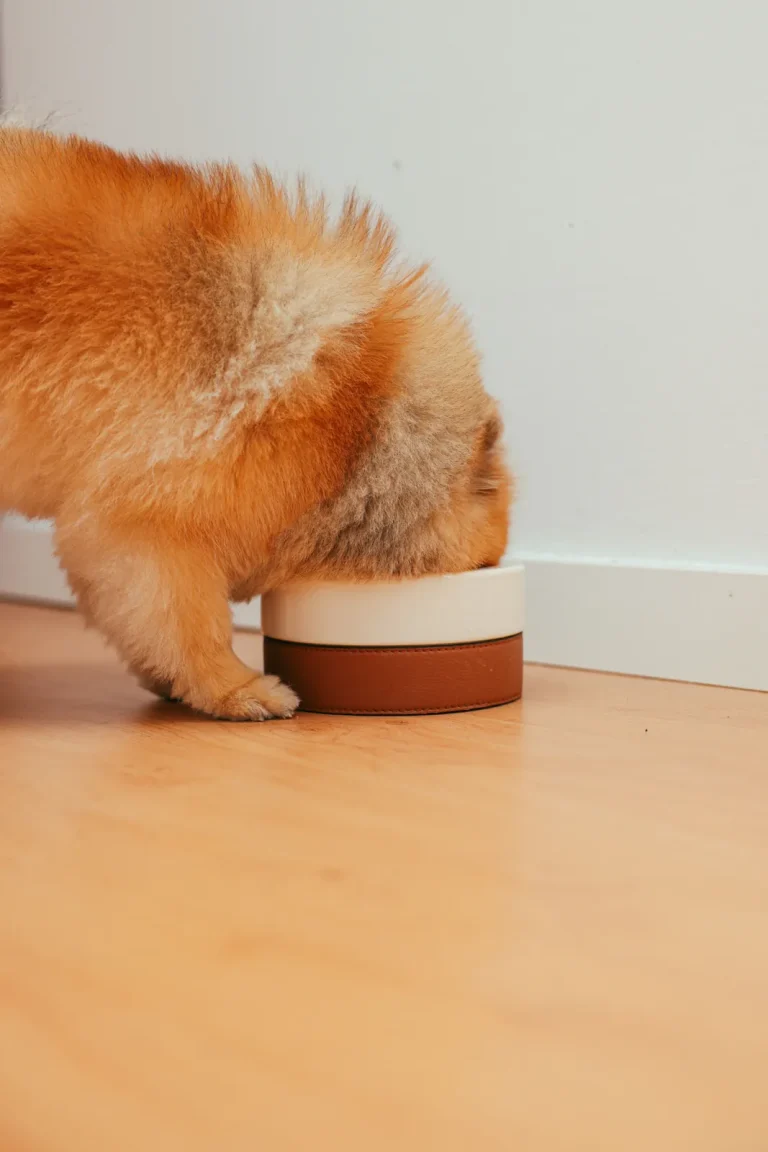
To stop puppy barking for attention, meet care needs first, then reward a quiet, easy way to ask for contact before barking starts. Dogs Trust explains that attention can accidentally reward barking. Keep your response calm and consistent, while checking for fear, discomfort, or bathroom needs instead of treating every bark as a demand.
A puppy who barks while you read needs a workable plan for that moment. Animalia’s steps focus on attention-seeking with a caregiver present. Barking during panic, illness, or an absence needs a different response. Start with the pattern you can observe, rather than deciding what the puppy intends.
Is the puppy really barking for attention?
A puppy may bark to ask a nearby person to play, look at them, or share a toy. However, they can also bark when they feel scared, stuck, sore, or in need of care. Check what happens before and after the sound, and make sure your puppy has the help they need.
ASPCA distinguishes attention-seeking barking from alarm, greeting, and other functions. A puppy who barks toward a moving person outside may need distance from that sight. A puppy who wakes and moves toward the door may need the bathroom. Sound alone cannot establish that ignoring is appropriate.
If the puppy cries while confined, use our crate-whining care checks instead. If barking appears when you leave, start with our separation-support plan and arrange help. Needed reassurance and bathroom access are care tasks, rather than rewards you should withhold to prove a point.
Six steps to teach a quieter request
Have rewards, a mat your puppy knows, a safe toy, and a way to offer a care break ready. Start when someone has time to watch the puppy and respond to the choices they make. Animalia’s plan uses rewards and a simpler setup, rather than a test of how long you can stand the noise.
1. Meet needs before a predictable busy period
Offer a toilet trip and check water, rest, comfort, and time with you before you sit down to work. Set out a safe toy or game your puppy knows and enjoys. Do not add more running to make them too tired to ask for help, and watch closely with any new toy or chew.
2. Choose an easy replacement for barking
Pick a quiet choice you can see at once, such as a glance toward you or paws on the floor. Some puppies may choose to rest on a mat near you. Keep the goal small, rather than asking for a long stay before your puppy knows what will earn time with you.
3. Practice while the room is still calm
Notice the chosen action and respond with quiet attention, play, or another appropriate reward. Blue Cross emphasizes rewarding at the successful moment. Then let the puppy move naturally. You are teaching a clear request, rather than asking them to stay frozen beside you throughout an entire work session.
4. Catch quiet choices before the first bark
When you start to read, watch for a quiet glance or another easy choice and reward it early. Choose a practice task that still lets you keep an eye on your puppy. If work needs your full focus, change the care plan so someone can help rather than trying to teach at the same time.
5. Respond calmly if demand barking happens
If you have checked needs and the puppy remains comfortable, avoid launching the requested game during barking. Notice a quiet moment or the easy alternative, then respond calmly. If the puppy escalates, looks worried, or cannot disengage, stop the attempt and check the situation again instead of waiting them out. If barking and a brief pause keep repeating, reset the lesson and reward the alternative before the next bark.
6. Make the next busy period easier
Try a shorter, easier task next time and reward the quiet choice before your puppy starts to bark. Ask everyone who cares for the puppy to notice and reward that same choice. Also make time to play and be with them outside lessons, so a busy phone call does not become their only chance for contact.
How do you prevent a bark-pause-reward routine?
If your puppy barks, pauses, and gets a reward each time, move the lesson to an earlier point. Animalia suggests noting what they did just before you gave the reward, so you can see the pattern. Teach the quiet choice in calm moments, then offer time with you before the usual barking starts.
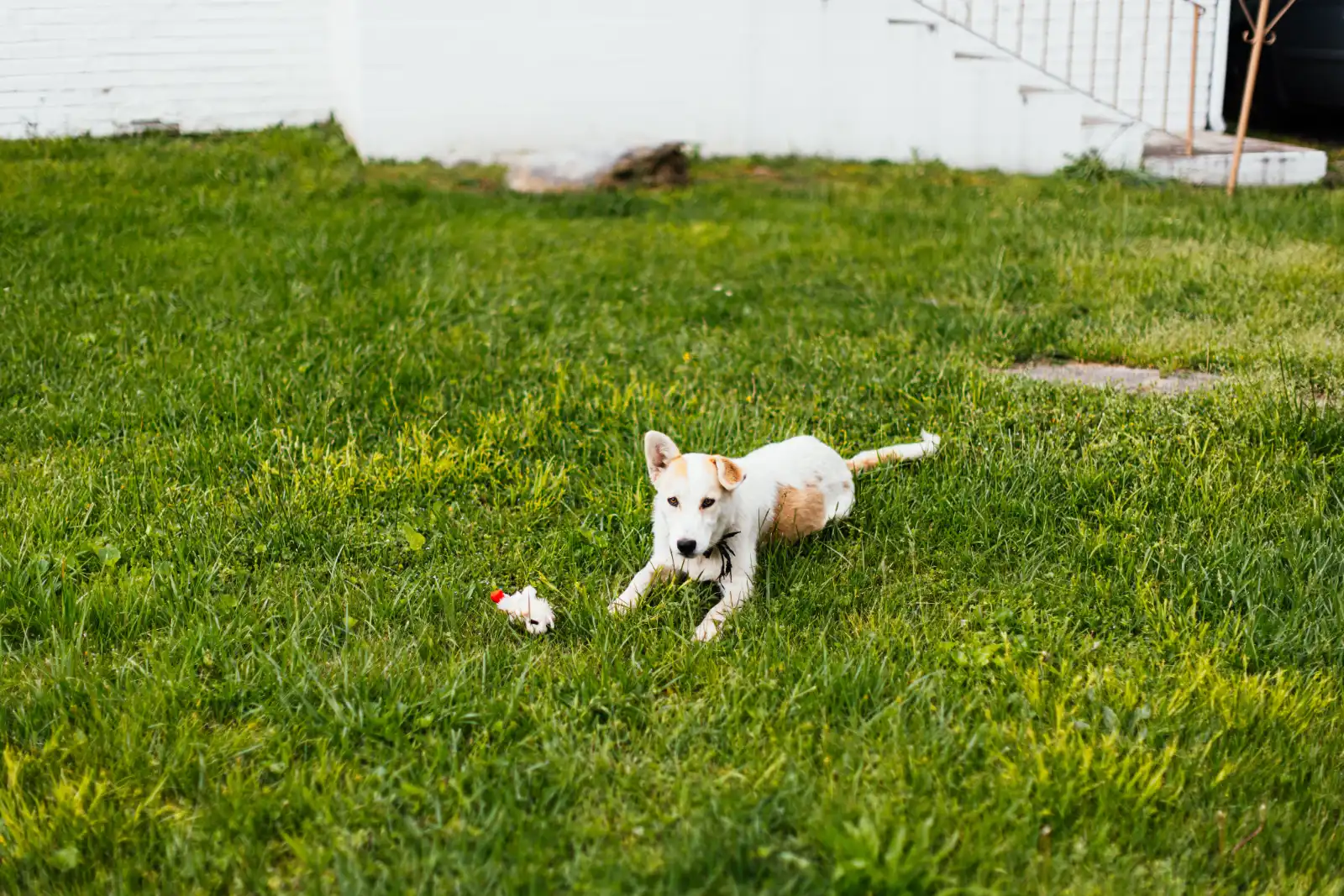
Dogs Trust’s settling exercise rewards relaxed behavior in a quiet setting before distractions increase. Use our calm mat-training guide for the separate resting skill. A mat should stay comfortable and optional during learning; it is not a place to restrain the puppy until they stop making noise.
| Pattern you notice | Change the plan | Watch next time |
|---|---|---|
| Barks as you pick up the phone | Prepare care and an easy activity first | Quiet choices before the call begins |
| Barks, pauses, then gets a game | Practice the request before barking | What happens immediately before play |
| Cannot settle beside the desk | Shorten the busy period and add support | Comfort rather than a silence timer |
| Barks toward a window | Move away from the sight and reassess | Whether the trigger is outside |
| Wakes and barks near the door | Offer a bathroom opportunity | Last successful trip and new changes |
When does barking need a different kind of help?
Call your vet if barking changes all at once or comes with signs of pain, illness, or poor health. Ask for a qualified reward-based trainer when your puppy panics, guards a toy or food, or keeps finding daily life hard. A puppy who feels upset needs help, rather than a stricter demand to be quiet.

AVSAB recommends reward-based methods and rejects frightening or painful corrections. Avoid bark collars, spray bottles, shouting, and forcing the puppy into a crate. Keep a simple record of the setting, recent care, your response, and what happened next. Share that pattern with the professional helping your household.
Frequently asked questions
Should I ignore a puppy barking for attention?
Only consider briefly withholding the requested interaction after checking the puppy’s needs and comfort. Do not ignore distress, pain, fear, or a bathroom request. Teach and reward an easy alternative before barking becomes the routine. If your puppy escalates or you cannot tell what is wrong, pause the lesson and provide help while you reassess the situation.
How do you discipline a puppy for barking?
Use prevention and reward-based teaching instead of punishment. Decide which quiet action can request attention, practice it when the puppy is comfortable, and reward it promptly. Shouting can add attention or fear without explaining the alternative. If barking continues, review the cause and care plan rather than increasing the force or volume of your response.
What is the three-bark rule?
A fixed number of barks is not a reliable welfare check or a universal puppy-training rule. The situation and the puppy’s comfort matter more than counting sounds. Notice whether they need help, what triggers the barking, and what your response reinforces. Then teach an appropriate alternative while keeping expectations suited to what your puppy can manage.
What if my puppy barks at everything?
Reassess the triggers instead of treating all barking as attention-seeking. Sights outside, unfamiliar sounds, frustration, and being alone may call for different changes. Create distance from a worrying trigger and keep the setting manageable. A vet and a qualified reward-based professional can help when the puppy remains unsettled or the behavior affects ordinary daily life.
What will make a barking puppy quiet quickly?
There is no safe universal switch for barking. First check what the puppy needs, then make the situation easier and offer a familiar, comfortable alternative. Avoid frightening tools or prolonged ignoring to obtain silence. If the puppy seems ill, injured, or severely distressed, seek professional help promptly rather than waiting for a training exercise to work.
Prepare the next quiet opportunity
Choose the busy period that is easiest to shorten, then arrange care and rewards before it starts. Keep the goal small enough for everyone to follow. Our puppy rest and care hub helps with the broader setup, while quieter requests grow through comfortable practice and predictable responses.
Sources and editorial notes
- Dogs Trust: barking causes and attention-seeking
- ASPCA: functions of barking and alternative behaviors
- Blue Cross: reward timing and short sessions
- Dogs Trust: rewarding calm settling
- AVSAB: humane training and professional referral
Animalia Editorial. Published: November 2, 2026. Last updated: November 2, 2026. Source review: October 30, 2026. The observation table is an original editorial planning aid. Barking cannot establish a diagnosis or a motive by itself. Editorial standards: Animalia Editorial Policy.
Featured photo: A puppy looks toward a nearby adult’s hand on a lawn; this is an illustrative interaction, not a barking trial. Photo: Helena Lopes / Pexels.
Prepared with AI assistance and reviewed against the sources above.