“Drop it” asks a dog to release an object they already hold. Begin with a suitable toy the dog comfortably enjoys and practice a fair voluntary trade. This differs from leave it, which concerns an item the dog has not taken.
Choose the practice object carefully
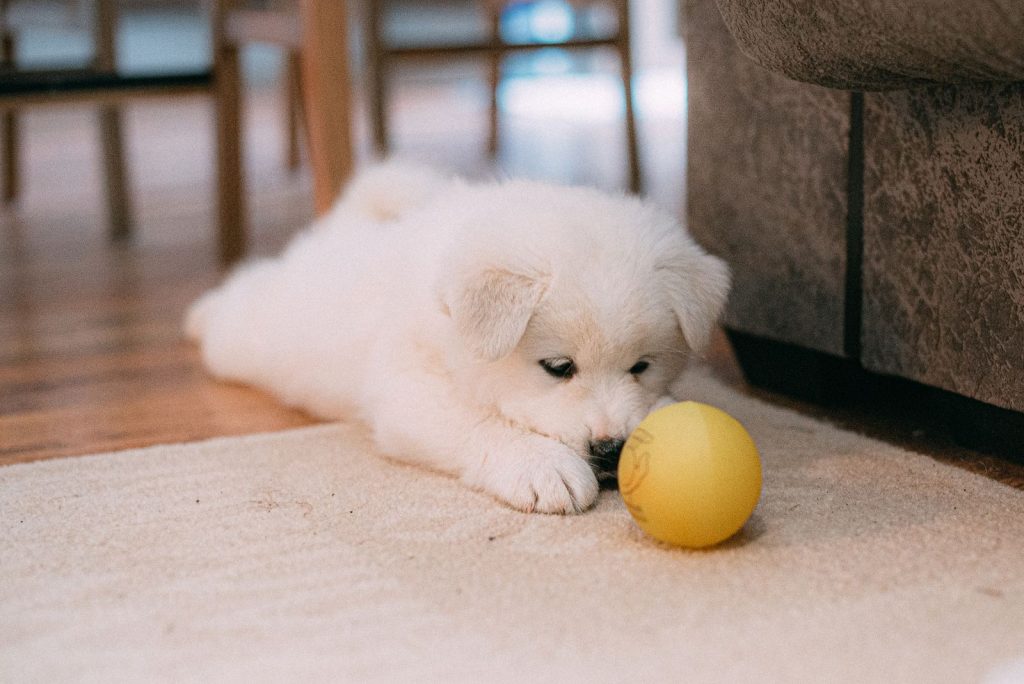
Use a safe familiar toy and a quiet space. Avoid a prized chew, a stolen household object, or anything dangerous as the first lesson.
If the dog freezes, guards, growls, or seems worried when someone approaches an object, do not test a trade at close range. Seek qualified individualized help and use safe management.
Make releasing worthwhile
Have a suitable reward ready. Offer the trade without crowding, chasing, or reaching into the dog’s mouth. When they voluntarily release the toy, mark the release if using a marker and provide the reward.
Where appropriate, return the safe toy afterward. Practice should not always predict permanent loss of an enjoyable object.
Add the cue to a familiar action
- Establish a few comfortable voluntary trades.
- Say the chosen cue just before the familiar trade setup.
- Reward the release promptly.
- Reset without hurrying into another repetition.
Keep the exercise easy enough that the dog remains comfortable. If the toy stays in their mouth, change the setup next time instead of pulling harder.
Separate practice from emergencies
A dangerous item is not an opportunity to test a new cue. Contact your veterinary team promptly if ingestion or injury is possible, and follow professional instructions.
Do not chase a dog around the room or force open their mouth as a training method. Protect access to hazardous objects through household management.
Build gradually and keep records
Practice in another quiet setting only after the original setup is comfortable. Do not jump to high-value objects or competing dogs.
Record which toy and trade worked using our session log. If the dog’s behavior around objects changes, pause and seek advice rather than assuming the cue needs more force.
Sources and editorial notes
Trade and item-management context: Dogs Trust: leave training. This introductory exercise is not a resource-guarding treatment or emergency object-removal procedure.
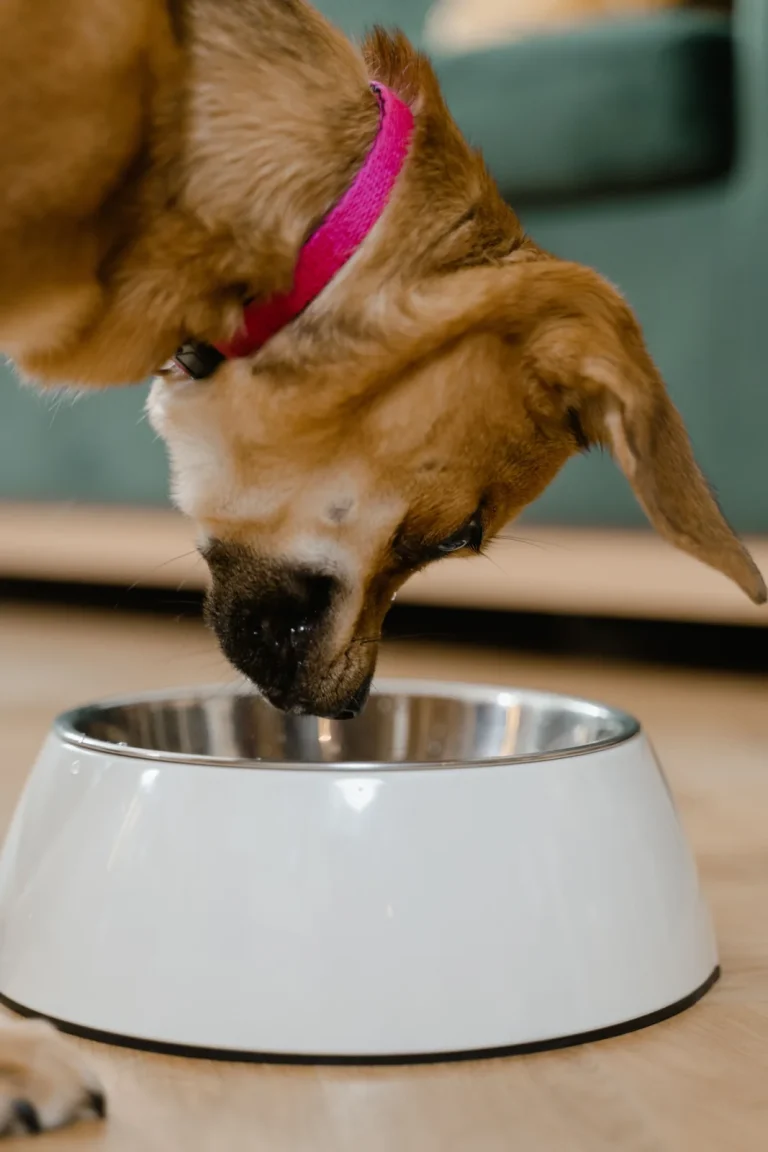
Featured image: Illustrative reward-based interaction, not a documented Animalia training session. Photo: Helena Lopes / Pexels.