Some cats like being petted because touch may feel pleasant, help them relax, and support a familiar social bond. Cats Protection describes these as possible explanations, not a rule for every cat. Past handling and individual preferences matter, and choosing to sit near you does not always mean wanting your hands on them.
Why can petting feel rewarding to a cat?
For cats that enjoy it, gentle touch may feel good, help them relax, and bring them close to a familiar person. Scent may also play a part when the face rubs against a hand. More than one reason may fit. But none proves that every cat likes every kind of touch or wants a long session.
Here, “pets” means being petted or stroked. Cats Protection offers a few possible reasons why some cats like it. These include the feel of touch in areas with many nerve endings and the spread of familiar scent. These ideas can help you think about touch. They cannot tell you exactly what a cat feels.
For another interpretation of familiar greetings, read whether cats think humans are cats. The guide keeps observed social behavior separate from the claim that cats mistake people for felines.
A pleasant first stroke does not mean your cat wants endless touch. What your cat likes can change with who is touching, where, how, for how long, and what else is happening. A cat can enjoy a cheek rub in a quiet room and decline the same contact while resting, playing, or watching another animal.
Why do preferences differ so much?
Past experiences help shape how a cat responds to human hands. Cats Protection explains that gentle early handling and frightening contact can affect later comfort. Each cat also has their own nature. A cat who wants company without strokes can still bond with you. They do not need to like as much touch as another cat.
Cat Friendly Homes emphasizes the cat’s disposition, experience, and current circumstances. This is why a list of favorite spots cannot fit every cat. Look at whether your cat is relaxed and chooses to return. Do not assume that breed, age, or coat type means they must like cuddles.
A cat who used to like touch may start to avoid it. If this is a clear change, ask your vet about health and comfort. Do not label the cat difficult. Do not repeatedly touch a sensitive area to see whether the response happens again.
Compare invitation, tolerance, and an ending
This table is an editorial aid for thinking about daily contact. It cannot diagnose a problem or promise that a cat will not bite. Read the whole situation and choose less touch when the response is unclear.
| What you observe | What it can tell you | A respectful response |
|---|---|---|
| Cat approaches and leans into a hand | Contact may be welcome now | Keep it gentle and allow pauses |
| Cat sits close but avoids the hand | Company and petting may be separate choices | Share the space without reaching again |
| Cat stays but becomes tense or turns toward the hand | The interaction may be becoming unwelcome | Stop touching and give room |
| Cat walks away after a few strokes | This session has ended | Let them leave without following |
| A familiar touch suddenly causes a strong response | Comfort or health may have changed | Stop and arrange veterinary advice |
A cat who stays still may not enjoy the touch. Cats Protection notes that a cat may stay still but feel tense. This differs from relaxed, willing contact. If you need a practical way to offer contact and pause, see our existing how-to guide to petting with choice. Here, the aim is to explain why cats differ in what they like.
Do cats like hugs, paw touching, or ear scratches?
Some cats enjoy gentle contact near the head, while paws, the belly, and restraint are often less welcome. There is no rule that a cat who likes cheek rubs also likes hugs or having their feet held. Treat each kind of contact separately and avoid holding a cat still to create affection.
Cats Protection lists cheeks, chin, and the top of the head among commonly preferred areas. It also identifies paws and the belly among less favored places. “Behind the ears” is not the same as putting a finger into an ear or manipulating a sore area. Keep contact external and gentle.
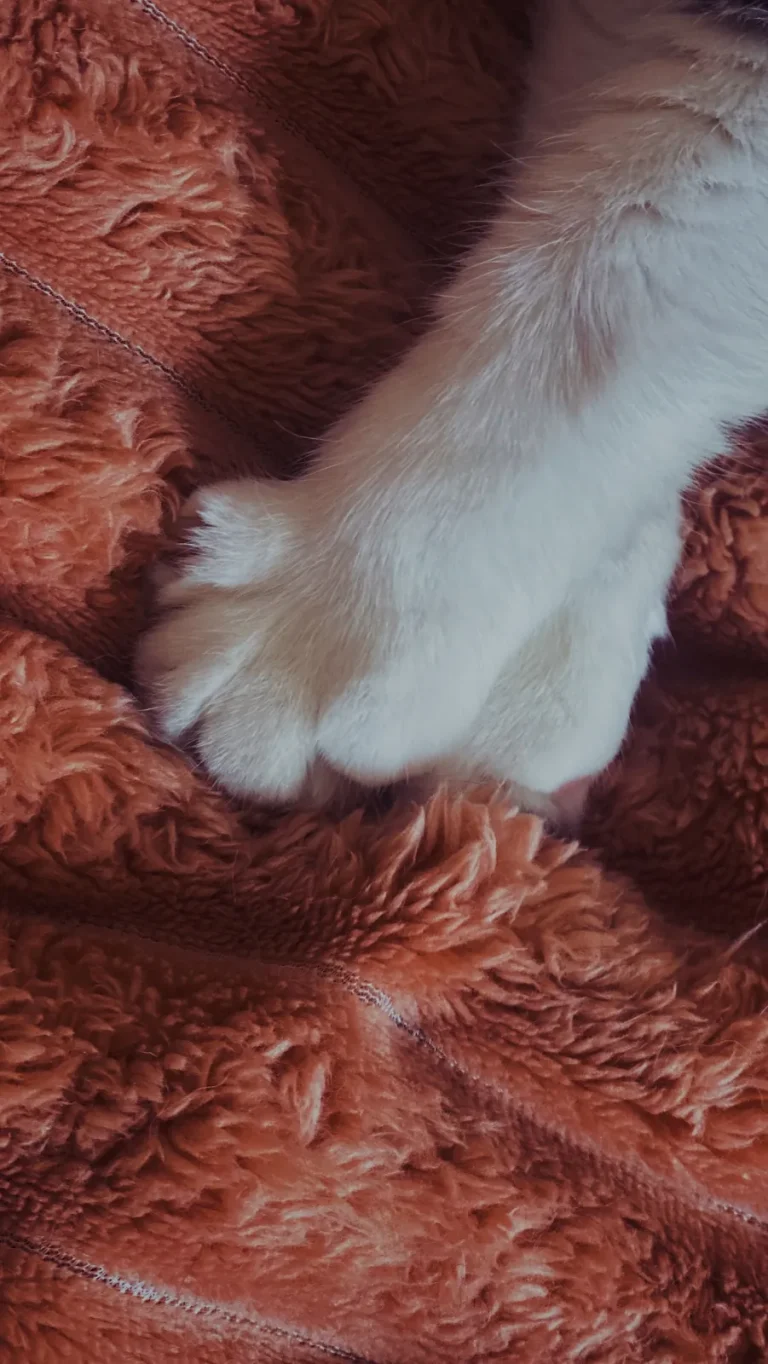
A hug can block escape even if you mean to comfort the cat. If your cat chooses to lean against you, you can enjoy that closeness without wrapping your arms around them. A cat showing their belly may be relaxed without inviting a belly rub. Their exposed position is not permission to test it.
Paw checks, grooming, and vet care serve a different need from social touch. Ask your vet team how to teach those care tasks in small steps with rewards. A need for care does not mean your cat must accept cuddles they avoid.
Build a bond that includes the cat’s preferred activities
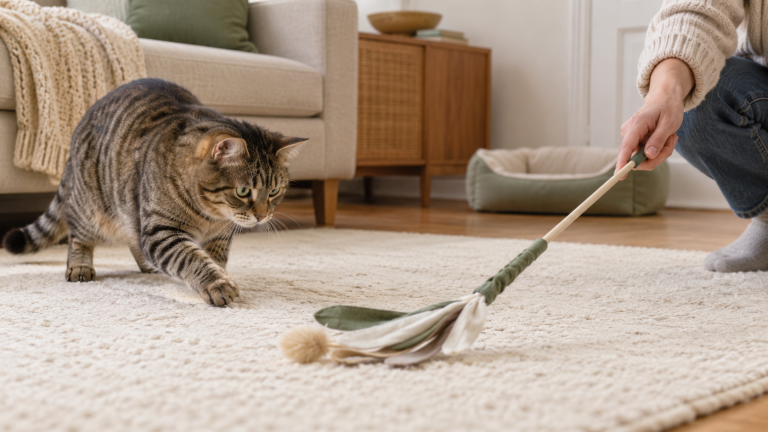
A bond does not need constant touch. Sit nearby, keep a predictable routine, or offer suitable play when the cat is alert and interested. Our daily cat play guide and non-food enrichment ideas describe other ways to share time.
For the broader relationship, read what research tells us about cats feeling love. The guide connects attachment findings with everyday choices, including company and play, without making cuddles the measure of a bond.
Cats Protection advises against trying to teach a cat to enjoy random strokes just to please the person. Helping a cat cope with care they need has a different goal. You can respect a cat who likes little touch and still seek help to make care safer.
If several people care for the cat, agree on one rule: nobody follows, holds, or wakes the cat for strokes. Leave resting and hiding places undisturbed. If what your cat likes changes, note the setting and talk to your vet. Do not push the cat to return to an old habit.
FAQ: cats and human touch
Do cats like belly rubs?
Some do, but many cats prefer gentle contact around the head instead. Cats Protection describes individual exceptions while advising against assuming an exposed belly invites touch. Let your cat choose contact, pause to read the whole response, and stop if they become tense or move away. Do not hold the cat in place to test a preference.
Does purring prove my cat enjoys petting?
Purring should be considered alongside the whole interaction, rather than used as permission to continue. Check whether your cat is relaxed, free to leave, and choosing contact. If they become tense, turn toward your hand, or move away, stop. You do not need to wait for a hiss or bite to respect an ending.
Why does my cat ask for pets and then leave quickly?
Your cat may enjoy brief contact and then want something else. An approach is an invitation for the current moment, not a promise to stay for a long session. Let them go without following. Their return later can be another choice, rather than evidence that the earlier departure was a mistake or rejection.
Can I make a cat enjoy being hugged?
You should not hold a cat in a hug to teach them that it is safe. Restriction can make an unwanted interaction harder to escape. Enjoy closeness the cat chooses, such as sitting beside you, and use other shared activities. Necessary handling can be taught gradually with appropriate guidance, but optional hugging is a different goal.
Do cats like having their paws touched?
Many cats are less comfortable with paw contact than with gentle touch around the head. An individual may differ, but liking petting does not mean liking feet being held. If you need to check paws or trim claws, ask your veterinary team about a gradual care plan rather than testing tolerance during a cuddle.
When should I call the vet about avoiding touch?
Call if your cat has a clear new sensitivity, reacts strongly to previously welcome contact, or shows other changes in movement, grooming, appetite, or behavior. Do not keep pressing the area to locate pain yourself. A vet can assess possible health issues and advise whether a qualified behavior professional would also help.
Let your cat’s preferred activities shape your time together. Gentle touch can be one part of a bond, while quiet company and play are equally valid choices. Browse Animalia’s cat care hub for home routines that leave room for individual preferences.
Do cats like being picked up?
Some do, while others prefer keeping their paws on the ground. Enjoying strokes does not automatically mean enjoying a lift. Follow your cat’s choice rather than holding them until they stop struggling. The Feline Veterinary Medical Association recommends supporting the chest and hindquarters when lifting is needed. Ask your vet about a new aversion or help with necessary handling.
Sources and editorial notes
- Cats Protection: How to pet a cat and why some cats enjoy it
- Cat Friendly Homes: Best ways to handle and pet cats
Animalia Editorial. Last reviewed: October 22, 2026. The tables and worked examples are editorial planning aids, not a diagnosis or reported result. See the Animalia Editorial Policy.
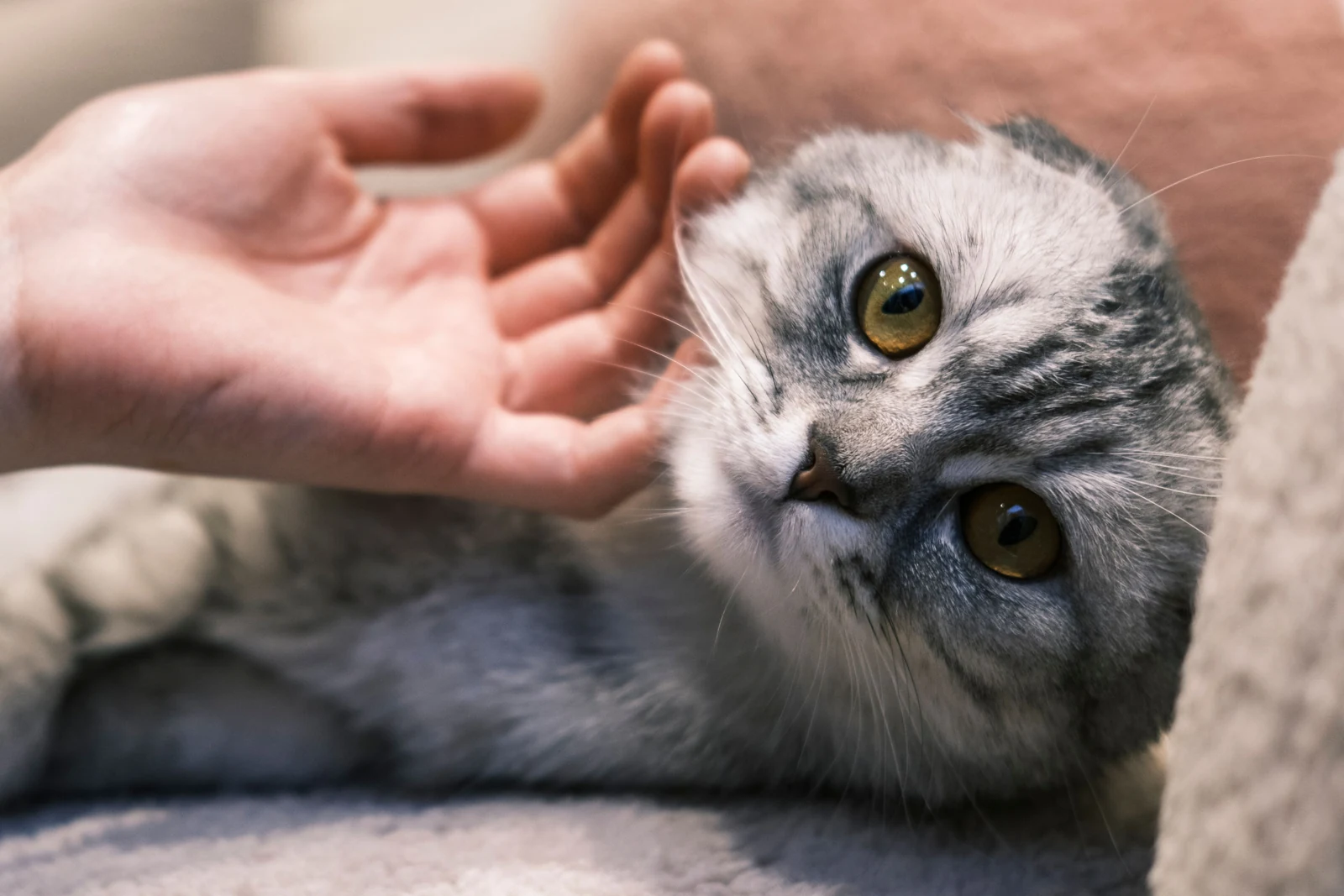
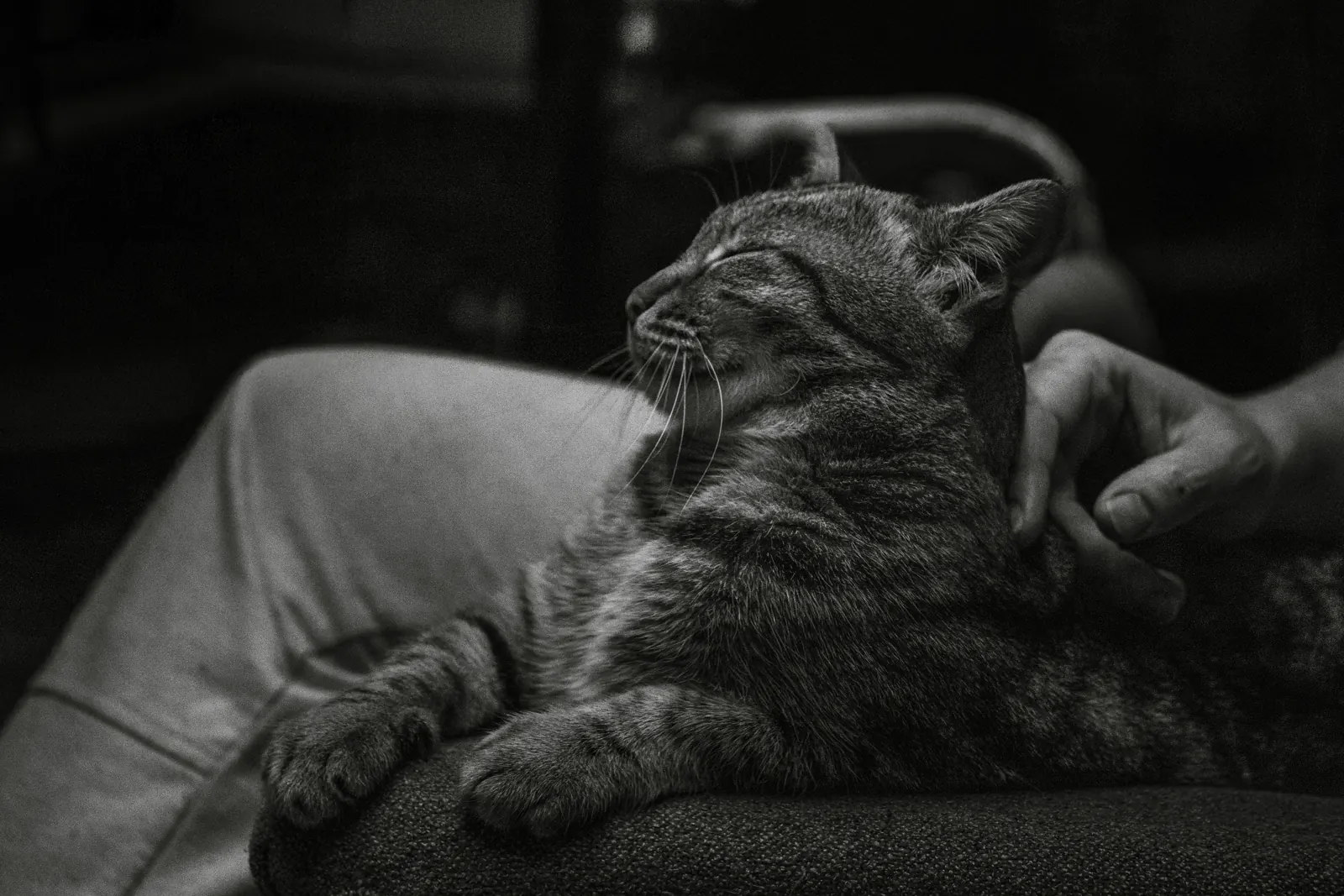
Featured photo: A cat receives contact near the head. A still image cannot establish whether every part of an interaction is welcome. Photo: Yusuf Çelik / Pexels.
Prepared with AI assistance and reviewed against the sources above.