Cats may sit on paper because it is a new surface to explore, carries a familiar smell, or puts them close to your attention. Cats Protection describes these reasons for sitting on objects. A paper preference does not reveal one certain motive; location, texture, and what you do next may all matter.
You can protect a document without arguing with your cat. First notice the setting, then offer a safe nearby place that lets the cat choose to settle.
Why do cats sit on paper instead of a bed?
A sheet of paper may be interesting because it just appeared or because it lies where you are working. Your cat may also like its surface or your familiar scent. Those possibilities can overlap. Choosing the paper does not prove the bed is unsuitable or that your cat is trying to annoy you.
Cats Protection explains that cats investigate new objects and may return to things with comfortable textures, familiar smells, or access to attention. A book on your lap and a lone sheet on the floor are different settings, so one explanation need not fit both.
Warmth can matter when cats choose resting places, but a piece of paper is not a heater. Do not assume a single sheet creates the same shelter or comfort as a bed or enclosed box. The attractive part may instead be its position beside you.
Keep a comfortable bed available rather than replacing every resting option with paper. Our guide to choosing a cat bed can help you match resting choices to your cat’s observed preferences.
Separate the surface from the setting
Animalia’s comparison table helps you choose a practical next step. It is not a behavior experiment or a way to prove exactly what the cat wants. Never move or confine the cat to make them choose.
| What happens | A possible influence | A gentle adjustment |
|---|---|---|
| Cat sits on a new sheet, even when you leave | Novelty or the surface itself | Offer a clean, safe resting surface and leave other choices open. |
| Cat lies across the page you are reading | Your location, activity, or attention | Set a comfortable spot beside you before reading. |
| Cat prefers the book on your lap | Closeness, a familiar smell, or comfort | Offer nearby contact if wanted; protect fragile books. |
| Cat rubs a cheek against a new folder | Investigation and scent communication | Let safe exploration happen; do not assume sitting alone proves ownership. |
| Cat bites and swallows pieces | Ingestion risk rather than a seating preference | Remove access and contact your veterinarian. |
Notice whether the cat also uses the alternative when it is beside you. If the paper only wins at your desk, improve the nearby resting place before buying a different bed.
How can you keep your cat off important papers?
Put valuable documents away when you are not using them and prepare an appealing spot beside your workspace. Offer attention or play before you settle, when your cat wants it. If the cat climbs onto a page, pause and invite them to the alternative rather than pushing, scolding, or startling them.
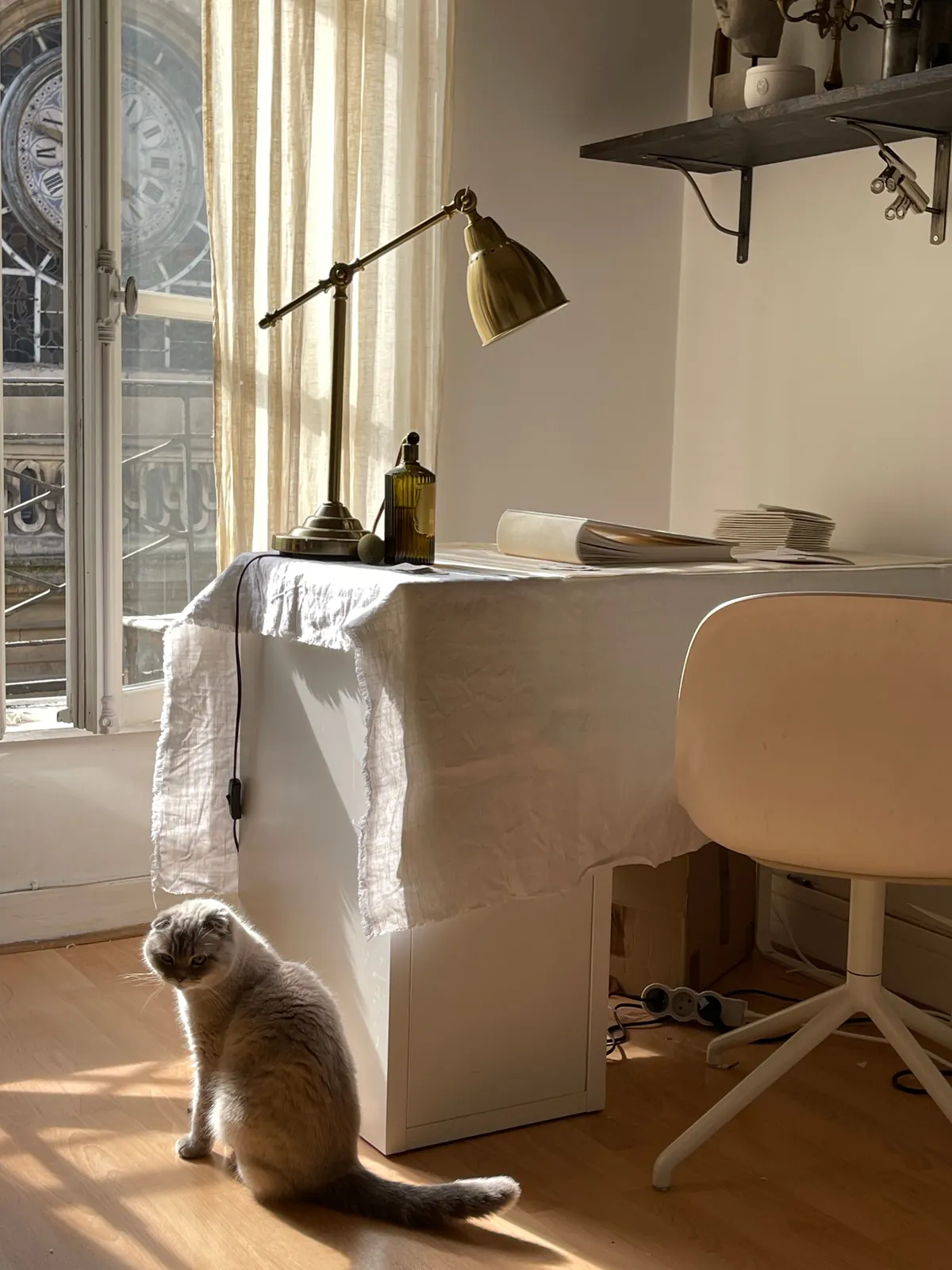
Start with an easy option: a stable chair, a clear desk corner, or a bed close enough for company. Keep the spot free of hot drinks, unstable piles, cords, and items that could fall. Let the cat explore it without being placed there.
A short chosen game may also help meet the need for activity before quiet work. Use our daily cat play routine for structure. If your cat prefers a sheltered retreat, cat hideout ideas can help you provide one without losing access to the room.
Animalia’s practical rule is to protect the document first and make the alternative easy to use. Repeatedly arguing over the same page gives you little useful information and can turn relaxed company into conflict.
Paper safety, books, and laptop look-alikes
Choose plain, clean paper only when your cat uses it without swallowing pieces. Remove staples, clips, tape, string, elastic bands, and packaging handles. Avoid food-soiled or chemically contaminated paper. If your cat shreds or mouths it, supervise closely and remove it before pieces become a swallowing risk.
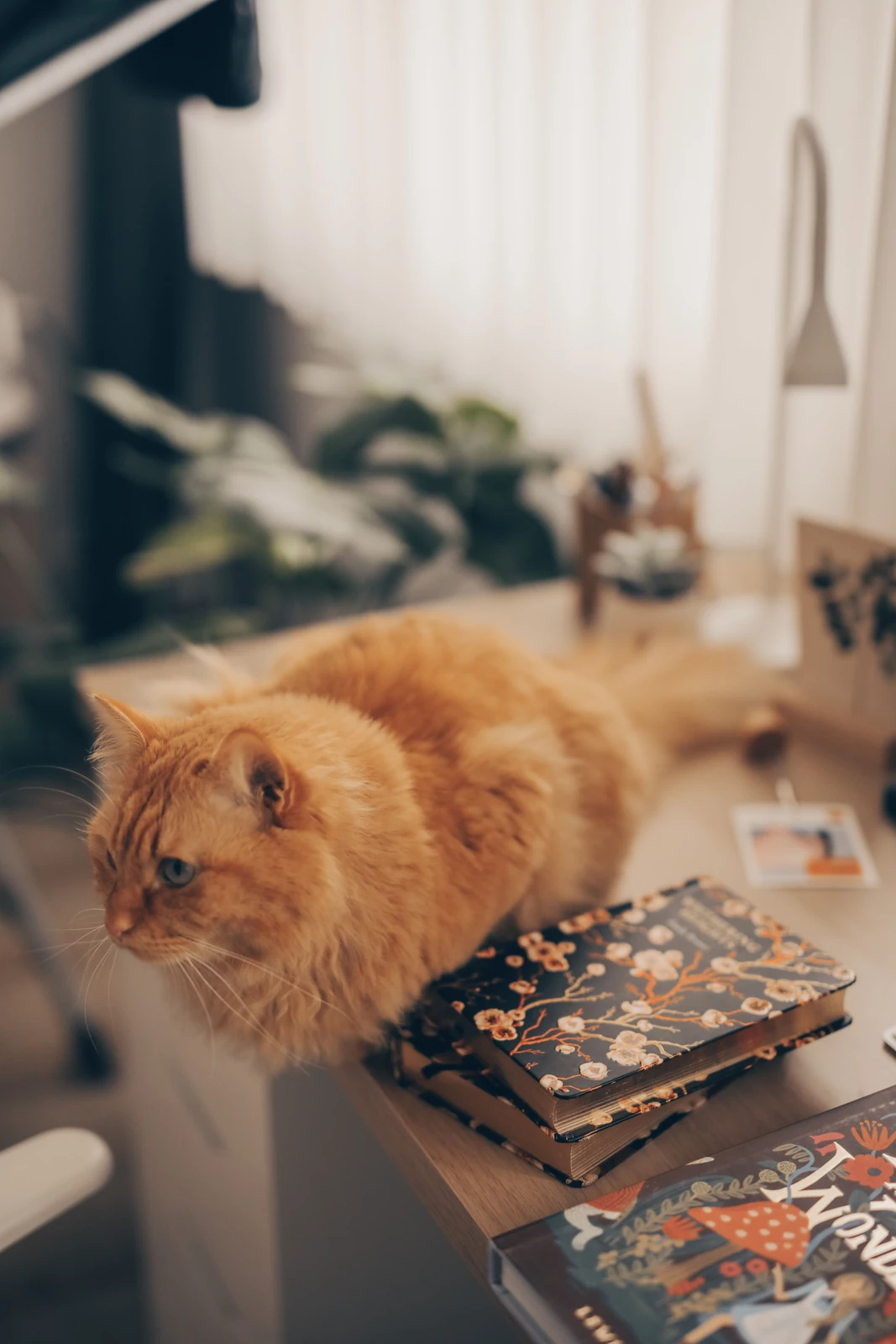
UC Davis explains that eating nonfood objects can cause serious problems and needs veterinary advice. Sitting on paper and eating paper are different behaviors. Do not dismiss repeated chewing or missing pieces as a harmless preference, and do not try deterrent chemicals or home treatment.
An open book adds fragile pages and an unstable stack can fall. A laptop adds heat, cables, and ventilation openings. Keep the cat away from hot surfaces and protect cords; do not offer a working computer as a bed.
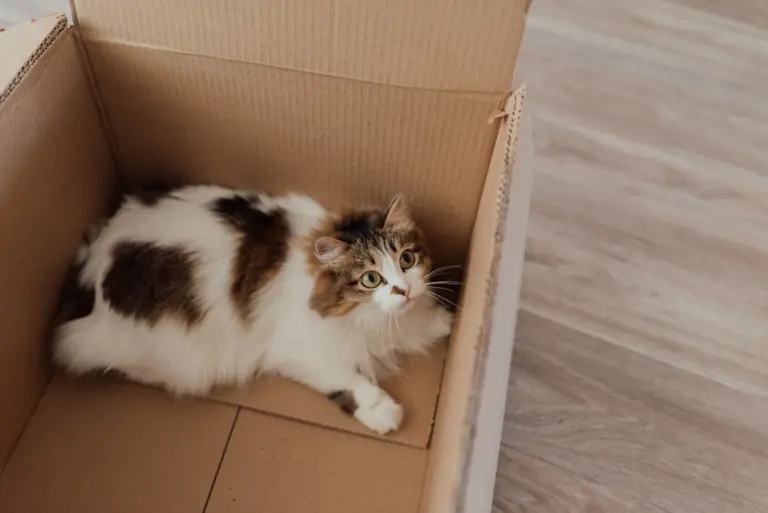
If you offer a box instead, inspect it and keep exits easy. Cats Protection’s box guidance explains why a sheltered choice may appeal. Our cardboard box games guide covers related safe activity, without requiring a cat to stay in a box.
When does a paper preference need veterinary advice?
A familiar paper seat in an otherwise comfortable cat is different from a sudden change in resting behavior. Contact your veterinarian if the new preference comes with hiding, reduced appetite, trouble moving, or other changes. Record the timing and what else is happening rather than blaming the paper.
If paper or another object has been swallowed, call your veterinarian for advice. Tell them what material may be missing and when it happened. Do not wait for a perfect count of scraps, attempt to make your cat vomit, or pull material from the mouth or rear.
Keep the rest of the cat’s routine visible in your notes: eating, drinking, litter-box use, movement, and normal social contact. A photo of the damaged item can help explain the concern without recreating the event.
Frequently asked questions
Does sitting on my book mean my cat is jealous?
It does not establish jealousy. Your book may be where your cat can stay close to you, explore something interesting, or receive a response. Look at the setting and what happens after the cat settles. You can offer a nearby resting spot and chosen attention without deciding that the cat resents your work or needs to be corrected for it.
Is a sheet of paper like a box to a cat?
A visible outline may interest a cat, but a flat sheet does not provide the walls or hiding space of a box. Avoid treating the two as interchangeable forms of security. If your cat wants a retreat, offer a stable, suitable hideout with an easy exit. Keep other comfortable resting places available so the cat can choose what suits the moment.
Why does my cat ignore the expensive bed?
The bed’s price does not tell you whether its location, surface, or shape suits your cat. Paper beside your chair may offer a different experience from a bed in another room. Try improving the bed’s placement while keeping access voluntary. Watch which choices your cat uses, rather than repeatedly putting them into the bed or assuming the purchase was a failure.
Can I let my cat play with crumpled paper?
Only offer a clean, suitable piece under supervision if your cat does not swallow it. Remove fasteners, tape, string, and other attachments, and discard damaged pieces before they become an ingestion risk. Cats that mouth or eat paper need a different toy. Ask your veterinarian about repeated nonfood eating rather than using paper play to satisfy the same behavior.
How do I move my cat without upsetting them?
Start by protecting the papers and inviting your cat to a nearby alternative. Let the cat walk there if possible instead of pushing them off the desk. If they appear tense, pause and give space. Plan ahead next time with a clear resting spot and chosen activity, so you do not have to repeatedly interrupt a cat that has already settled.
Protect the page and preserve the company
Store important papers, make a safe nearby option available, and let your cat choose whether to join you. For more practical ways to arrange a comfortable home, visit Animalia’s cat care collection.
Sources and editorial notes
- Cats Protection: why cats like sitting on things
- Cats Protection: why cats love boxes
- UC Davis: unusual eating habits in cats
Possible explanations for a paper preference remain hypotheses for an individual cat. The table offers practical choices rather than a claim of experimental proof. Only the nonfood-ingestion safety information from UC Davis informs this article; punitive suggestions are not adopted.
Animalia Editorial. Sources last reviewed October 22, 2026. Editorial Policy.
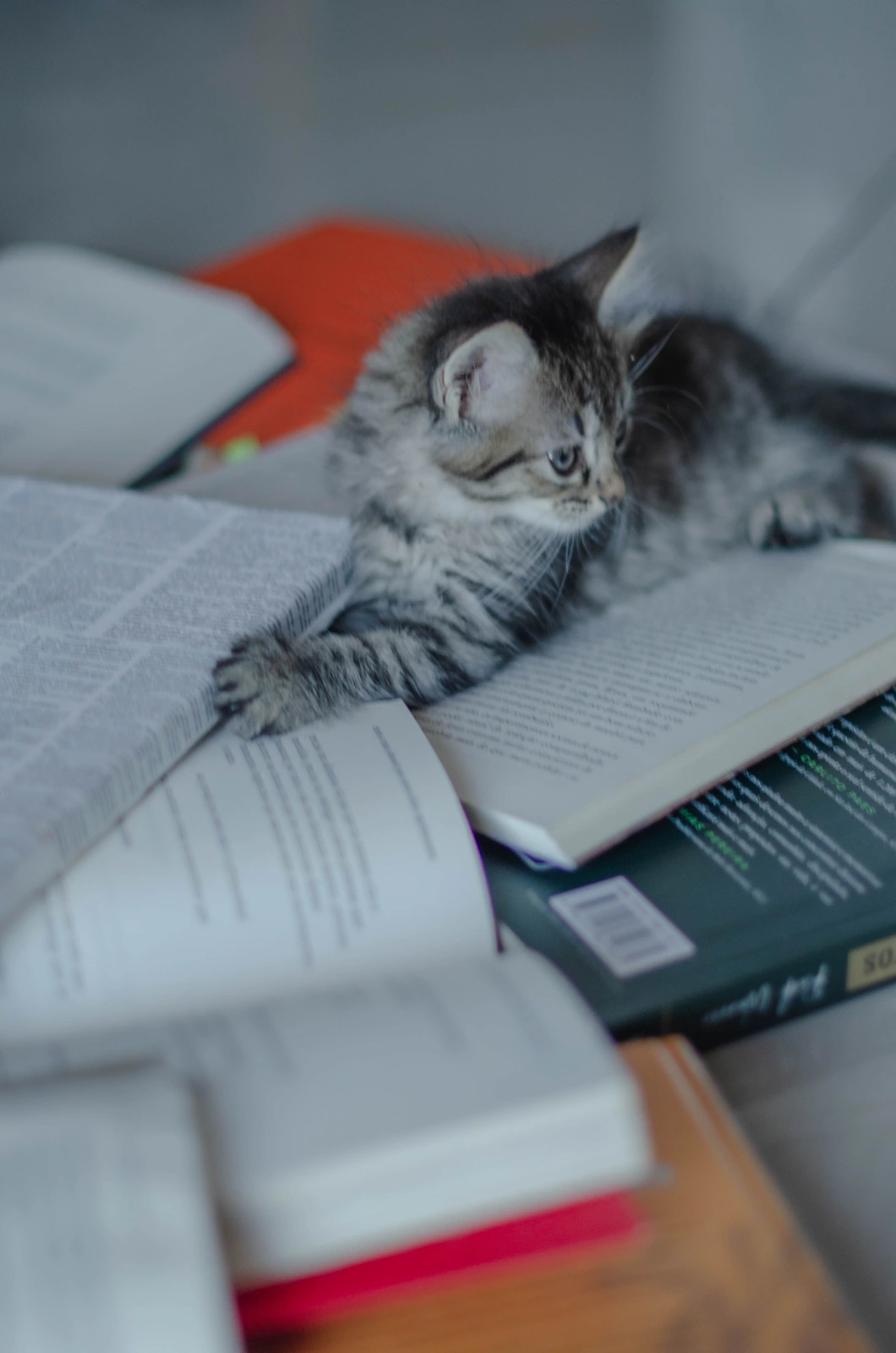
Featured photo: A kitten lies across an open book. A nearby comfortable resting choice can help protect pages. Photo: Vinicius Quaresma / Pexels.
Prepared with AI assistance and reviewed against the sources above.