Cats make biscuits, or knead, in a pattern that begins when nursing kittens press their mother’s belly. Adult cats may repeat it while settling, enjoying soft surfaces, or leaving scent. Cats Protection notes that the exact adult purpose remains uncertain. Read the whole situation rather than treating kneading as proof of one feeling.
Those alternating paws can be pleasant to watch and sharp to sit under. You can protect your lap and still give your cat a choice. Start by looking at where the kneading happens, what the rest of the body is doing, and whether anything has changed.
Why do cats knead blankets and soft things?
Soft textures may help trigger a familiar paw movement, and many cats knead before resting. The nursing origin is well established, but explanations for adult blanket kneading are less certain. Comfort, a familiar routine, and scent marking are reasonable possibilities. None lets you read a cat’s thoughts from their paws alone.
Cats Protection separates several adult kneading theories from what is known about nursing kittens. That distinction matters. Describing a blanket as a pleasant place to knead is fair; claiming your adult cat remembers a precise event from kittenhood is not something you can verify.
You may see the same cat knead a fleece throw but ignore a smooth cushion. Record the surface and the setting instead of trying to make the cat repeat it on command. A cat who chooses a different resting habit does not need to learn this one.
The familiar story about wild cats flattening grass is also a theory. It is not a reason to replace a comfortable bed with rough material. Offer a clean, sound surface and let your cat decide. Our cat bed guide helps you compare access, space, and comfort.
What does it mean when a cat kneads you?
Kneading on your lap may occur during relaxed social contact, but it does not prove that you are a parent substitute or the cat’s favorite person. Consider whether the cat approached freely, has a loose body, and can leave. You can welcome contact while keeping your skin and clothing comfortable.
VCA describes relaxation, preparing a resting spot, and possible scent marking among the explanations. Treat those as context, not a score for your bond. A cat may choose a warm lap or a certain fabric, and the same cat may prefer to rest alone later.
Try placing a folded blanket on your lap before the cat arrives. Leave room for them to turn and step off. If you want to end the visit, pause stroking and offer a clear route to a nearby resting place. You do not have to endure painful claws to be kind.
Avoid holding the cat in place or pressing their paws down. Also avoid reading a purr as a complete answer about comfort. If the cat becomes tense or tries to leave, give space. Petting with choice explains how to let the cat set the pace.
Read the pattern before choosing a response
Animalia’s comparison below focuses on what you can actually see. A pattern can help you make a useful adjustment, but it cannot diagnose an emotion or a health problem. In particular, compare the cat with their own usual behavior rather than with a kneading video online.
| What you observe | What it may fit | A gentle next step |
|---|---|---|
| Alternating front paws on a soft bed, then resting | A familiar settling habit | Leave the cat to choose their resting position |
| Kneading your lap with claws extended | Normal kneading that is uncomfortable for you | Add a thick lap layer or offer a nearby soft spot |
| Kneading only one preferred fabric | A texture or place preference | Keep a sound version of that surface available |
| Kneading with tense posture or repeated retreat | A need to look at the wider context | Reduce pressure and note what happened beforehand |
| A clear increase alongside hiding or less eating | A change that needs more than a comfort theory | Contact your vet with your observations |
Look at the outcome too. Does your cat settle by choice, move away, or keep searching for a place to rest? If the room is busy, offer another quiet resting option. A suitable hideout gives the cat somewhere to retreat without being followed.
Make biscuit time easier on paws and people
Choose a setup that protects you without forcing the cat to stop a harmless habit. Toronto Humane Society recommends a blanket or towel between sharp paws and your lap, and advises against punishment. A better surface is often more useful than trying to correct each paw movement.
- Prepare the lap layer before your cat settles, so you do not have to move a resting cat to slide it underneath.
- Offer a soft resting place beside you if lap contact hurts or snags clothing. Let the cat approach it by choice.
- Check blankets for loose threads and holes. Remove damaged material rather than covering it with another loose layer.
- If the cat starts chewing or swallowing fabric, remove access and ask your vet for advice about eating non-food material. Do not assume it is the same as harmless kneading.
- Ask a vet team or qualified groomer about claw care if you need help. Avoid restraining a worried cat for a home nail-care experiment.
Do not shout, spray water, or push down on the cat’s back. If they choose to leave, let them. Animalia’s aim is comfortable shared space, not a particular kneading style. A blanket, a nearby bed, and a clear exit often give you more choices than handling the paws.
When does a kneading change need a vet call?
A new pattern matters more than whether the cat makes a lot of biscuits in general. VCA advises checking other behavior when kneading becomes unusual or increases, including hiding and appetite changes. Describe the change rather than deciding that it must mean happiness, anxiety, or a certain illness.
Useful notes include where the cat kneads, what changed in the home, whether they eat normally, and how they walk and rest. Mention new drooling, mouth discomfort, chewing fabric, sore skin, or trouble putting weight on a paw. These observations help your vet decide what questions to ask.
For example, a cat kneading their usual throw before a nap raises a different question from one who suddenly hides, refuses food, and keeps working their paws in an unusual spot. That is an illustrative comparison, not a diagnosis. Seek advice promptly when the cat also seems unwell.
You can keep notes in a shared cat care log. If another person is caring for the cat, agree who will contact the vet so a clear change does not get passed between people without action.
Frequently asked questions about making biscuits
Does kneading mean my cat loves me?
Kneading can happen during comfortable contact, but it is not a precise test of affection. Look at the cat’s free approach, body posture, and ability to leave. A cat who does not knead may still enjoy your company. Give them the kind of calm contact they choose, rather than asking for a particular display.
Why does my cat knead my stomach or blanket?
A soft, warm place may suit a familiar kneading habit. Your clothing, the surface, and the quiet setting may all matter. You cannot tell which explanation applies from that moment alone. Protect your skin with a folded blanket and let the cat use a nearby bed if lap kneading is uncomfortable for you.
Do cats knead because they were weaned too early?
You cannot infer a cat’s weaning history from kneading alone. The motion begins in nursing kittens and can continue in adults. Knowing that origin does not reveal the history of an individual rescue cat. If you have concerns about suckling, fabric eating, or a new behavior pattern, discuss those details with your vet.
Should I stop a cat who kneads with sharp claws?
You can end painful contact without punishing the cat. Use a thick lap layer in advance, offer a nearby resting spot, and let the cat move away. If claw care would help, ask for guidance that keeps the cat comfortable. Do not grab the feet, force a trim, or push the cat into a new position.
Is purring or drooling during kneading always normal?
A familiar pattern during relaxed rest may be unremarkable, but a new change needs context. Tell your vet about new drooling, appetite changes, hiding, or signs of discomfort. A purr does not rule out a problem. Compare with your cat’s usual habits and seek advice rather than using a biscuit-making video as a health check.
Start with the setting and the cat’s choice, then change only what makes contact uncomfortable. Visit Animalia’s cat care guides for related home and daily-care advice.
Sources and editorial notes
- Cats Protection: why cats knead and limits of current explanations
- VCA Animal Hospitals: kneading and changes to watch
- Toronto Humane Society: making biscuits and comfortable handling
- UC Davis School of Veterinary Medicine: abnormal eating habits and when to seek help
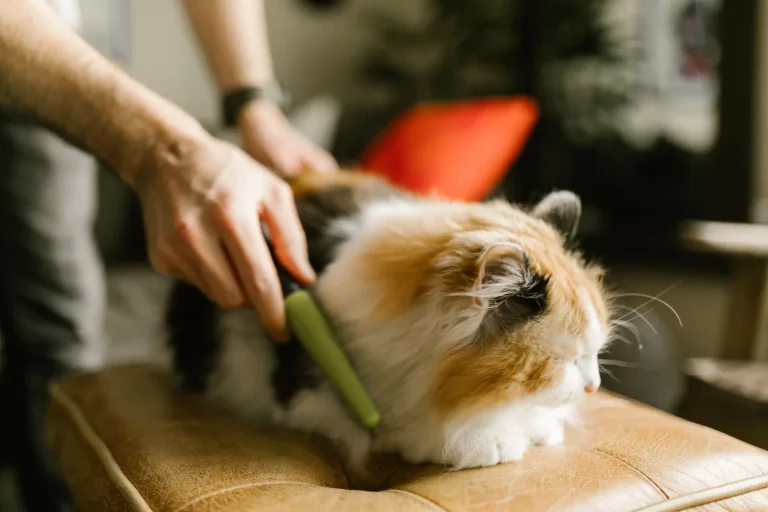
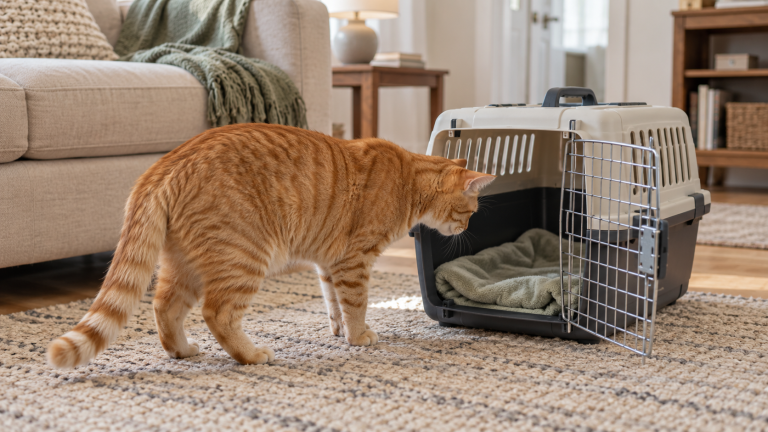
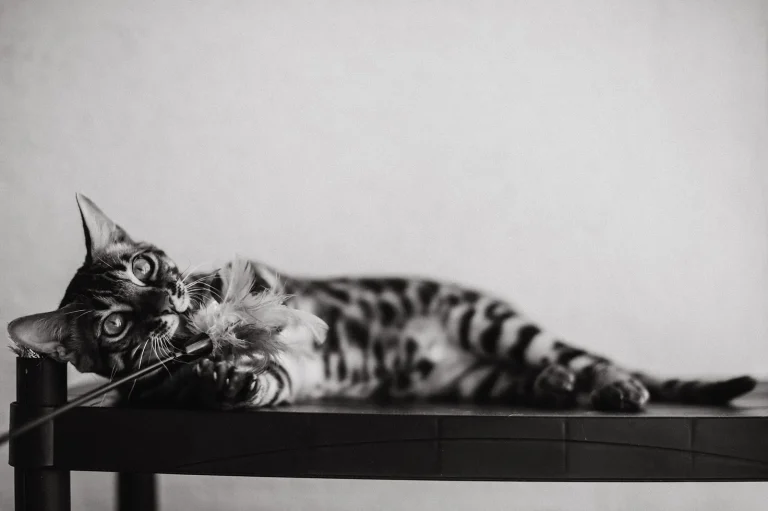
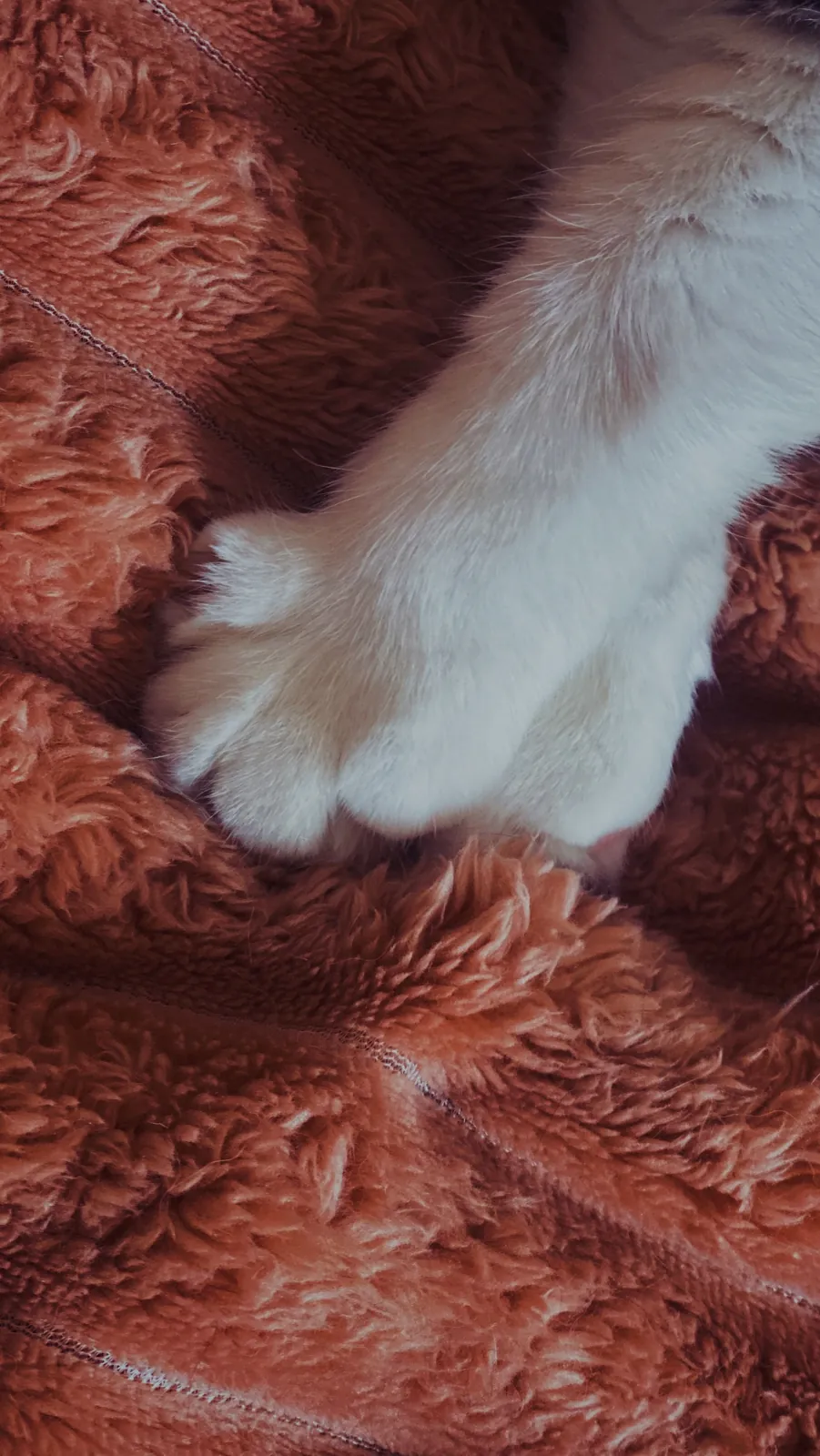
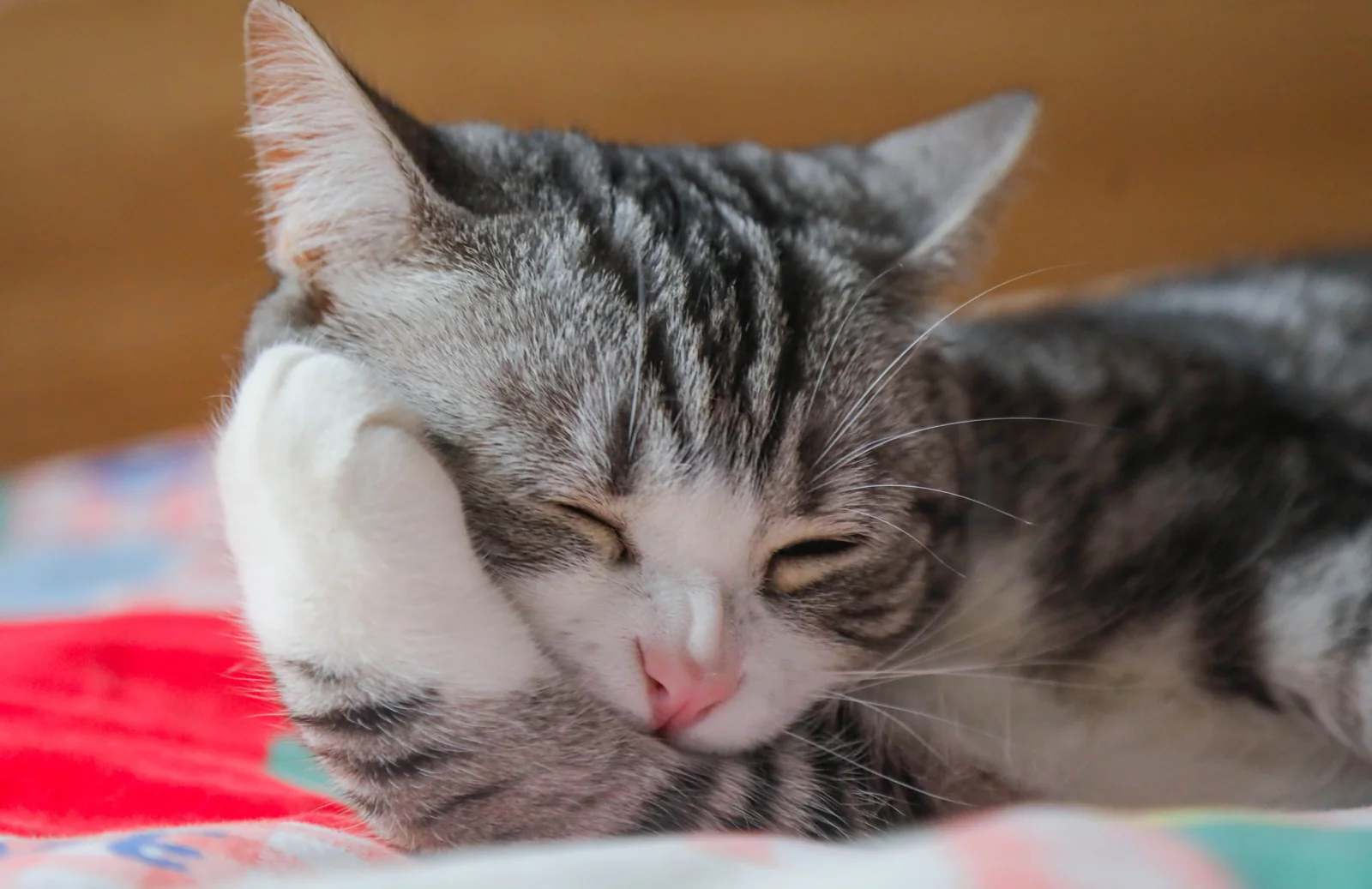
The comparison and care suggestions are an owner observation framework, not a diagnosis or a measure of affection. Stock photos illustrate paws, soft surfaces, and rest; a still image does not establish a rhythmic kneading action.
Animalia Editorial. Sources last reviewed October 22, 2026. Editorial Policy.
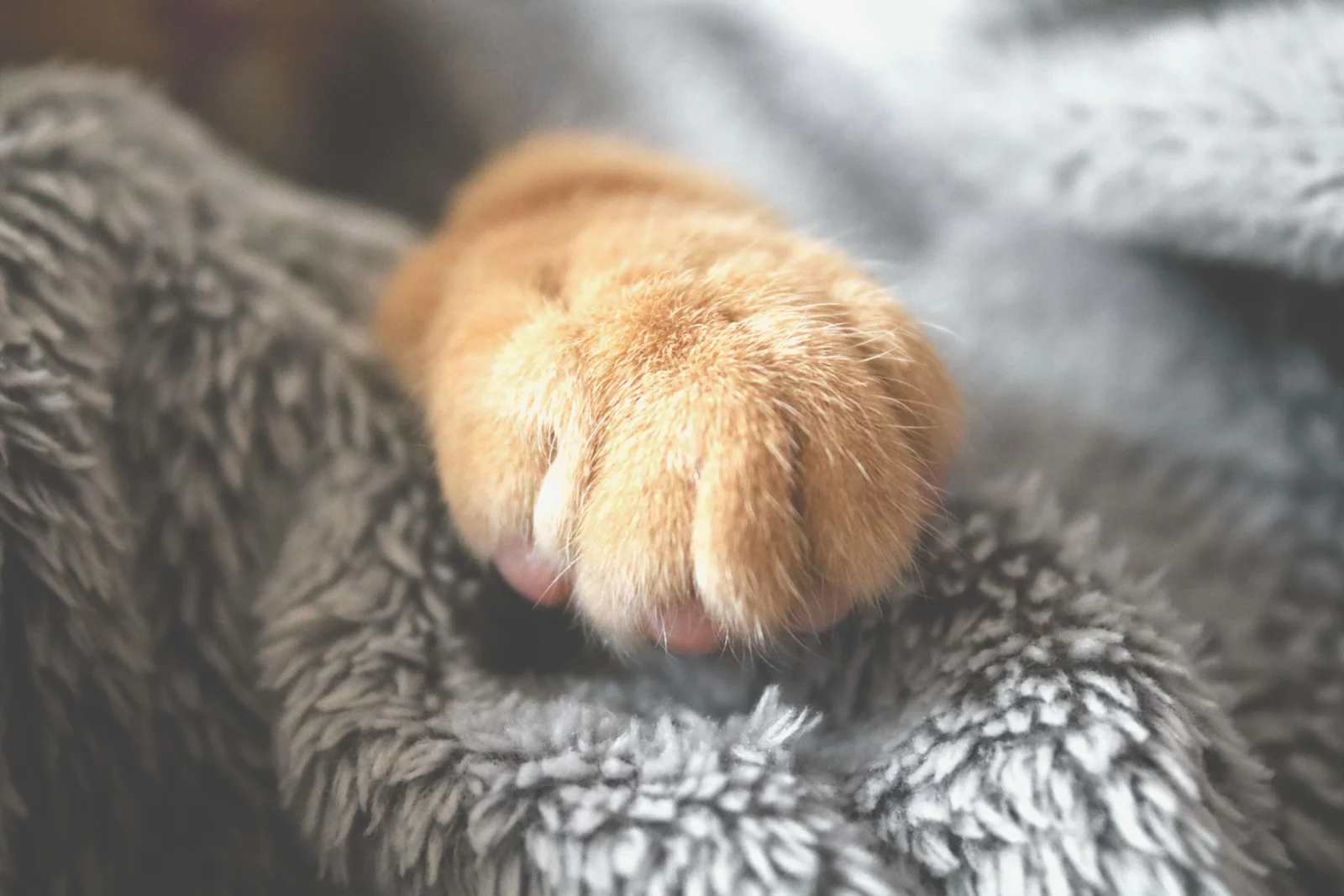
Featured photo: A front paw on a soft blanket. Stock illustration of the surface and paws; the still photo does not establish a kneading motion. Photo: Aleksandar Cvetanovic / Pexels.
Prepared with AI assistance and reviewed against the sources above.