Use a crate for potty training only after your puppy is comfortable resting in it: offer frequent bathroom trips, reward toileting outside, and supervise between rests. Humane World describes a crate as one optional management tool. It does not extend bladder capacity, replace care, or justify leaving a puppy to cry or soil their bed.
This guide connects crate rest with the next bathroom trip. It does not require a crate for every puppy or keep a puppy confined whenever they are awake. Start by organizing the people, safe spaces, and supplies in our new puppy home checklist.
When can a crate help with potty training?
A suitable crate can provide a comfortable resting space when the puppy already understands and accepts it. You can notice waking and take them promptly to the bathroom spot. It is useful only within a plan that includes frequent opportunities, close supervision, and enough daily movement, play, social contact, and rest.
Some puppies avoid soiling a resting area, but that tendency is not a guarantee. If a puppy cannot wait, feels distressed, or has a health problem, a closed door will not resolve the cause. An accident is a reason to review care and seek help when needed, not to reduce comfort.
Dogs Trust specifies room to stand, sit, turn, lie down, wag, and stretch fully, with access to fresh water. A divider must not remove that space. Follow the manufacturer’s safety instructions, and remove collars, identification tags, and leads before crating to reduce catching hazards.
If you are still choosing equipment, our dog crate options and sizing comparison compares practical features and drawbacks. Use the guide alongside these movement checks rather than choosing a model to enforce a longer wait.
If the puppy is reluctant to enter, worried by the door, or unable to settle, use a suitable alternative while you practice gradual crate introductions. Potty-training deadlines should not override crate comfort, and you do not need to complete a crate lesson before allowing a bathroom trip.
Six steps linking a crate rest to a bathroom trip
Prepare a safe route, the usual bathroom spot, small suitable rewards, cleaning supplies, and a simple record. Decide who responds when the puppy wakes. A crate should make the transition easier to manage; it should not create a cycle of long confinement punctuated only by toilet breaks.
1. Offer a bathroom opportunity before rest
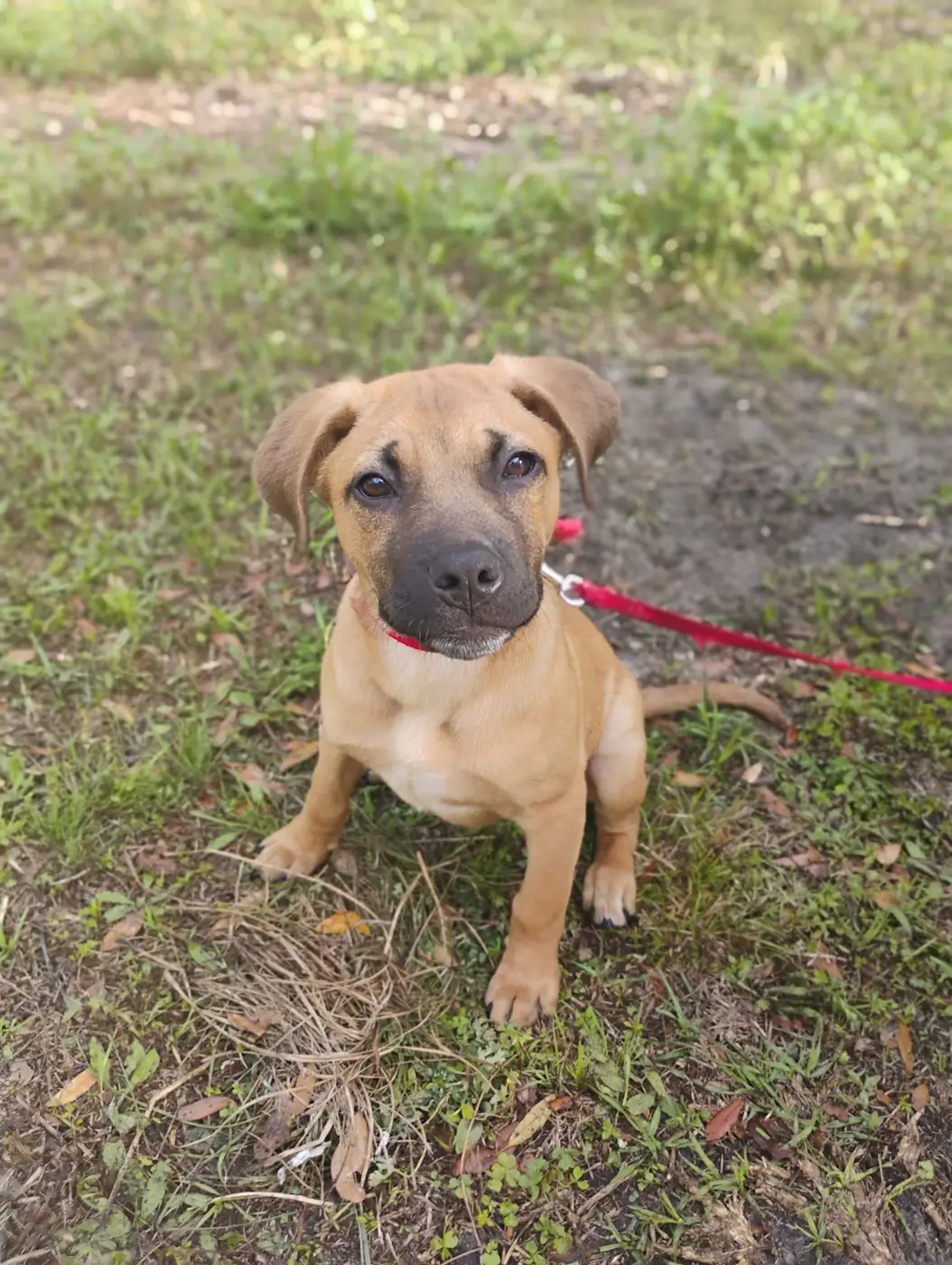
Take the puppy to the chosen spot and remain nearby so you can see whether they actually go. After they finish, reward promptly at that location. An outing without a pee is not the same as a confirmed successful bathroom trip.
2. Offer a comfortable rest that matches current training
Invite voluntary entry and use only the stage of door closure the puppy already manages comfortably. Keep yourself available and check water, bedding, temperature, and hazards. Do not force entry or close the door suddenly behind food when the puppy has not learned that step.
3. Respond promptly when the puppy wakes or signals
Go to the bathroom spot without a long delay for coffee, messages, or another household task. Prepare any needed walking equipment outside the crate, and fit it safely before going outdoors. If the puppy shows a need earlier, respond earlier rather than waiting for the end of a planned rest.
4. Reward finishing at the intended spot
Wait until toileting finishes before offering the reward, so you do not interrupt the puppy midway. Use a consistent location and calm encouragement. Humane World emphasizes immediate reinforcement after successful toileting, not saving the food reward until the puppy is back in the kitchen.
5. Return to supervision and normal puppy life
A successful bathroom trip can be followed by suitable play, exploration, training, or another comfortable activity. Rest is only one part of care. If the puppy does not go, supervise closely and offer another opportunity soon instead of assuming they can now wait a long time.
6. Record the result and change what did not work
Note waking, meals, activity, successful bathroom trips, and accidents. A useful handoff states what actually happened and who is responsible next. Review missed opportunities rather than repeatedly sending the puppy back to the crate as a consequence for not performing.
| Observed moment | What to record | Possible adjustment |
|---|---|---|
| Woke, then peed before reaching the door | Time awake and delay before leaving | Prepare supplies and respond sooner |
| Went outside but did not pee | No urine observed | Keep close supervision and offer another opportunity |
| Stayed dry napping, accident during play | Different activity context | Add a trip around active periods |
| Whined or scratched in the crate | Timing, body language, recent care | Check needs, stop distress, and simplify the setup |
| Repeatedly soiled bedding | Rest length, actual bathroom access, health changes | Review the plan with the vet; do not shrink away comfort |
The Animalia table illustrates review questions rather than diagnosing the cause. For example, a caregiver may discover that “taken outside” was recorded even though nobody saw the puppy pee. Clearer observation improves the next handoff without making the crate a test of self-control.
What if the puppy pees or cries in the crate?
Help the puppy out safely, meet immediate care needs, and clean the area without punishment. Check how long they were there, whether the previous trip was successful, and whether the setup is comfortable. Crying, repeated accidents, pain, or a sudden change may need veterinary or qualified behavior help rather than more confinement.
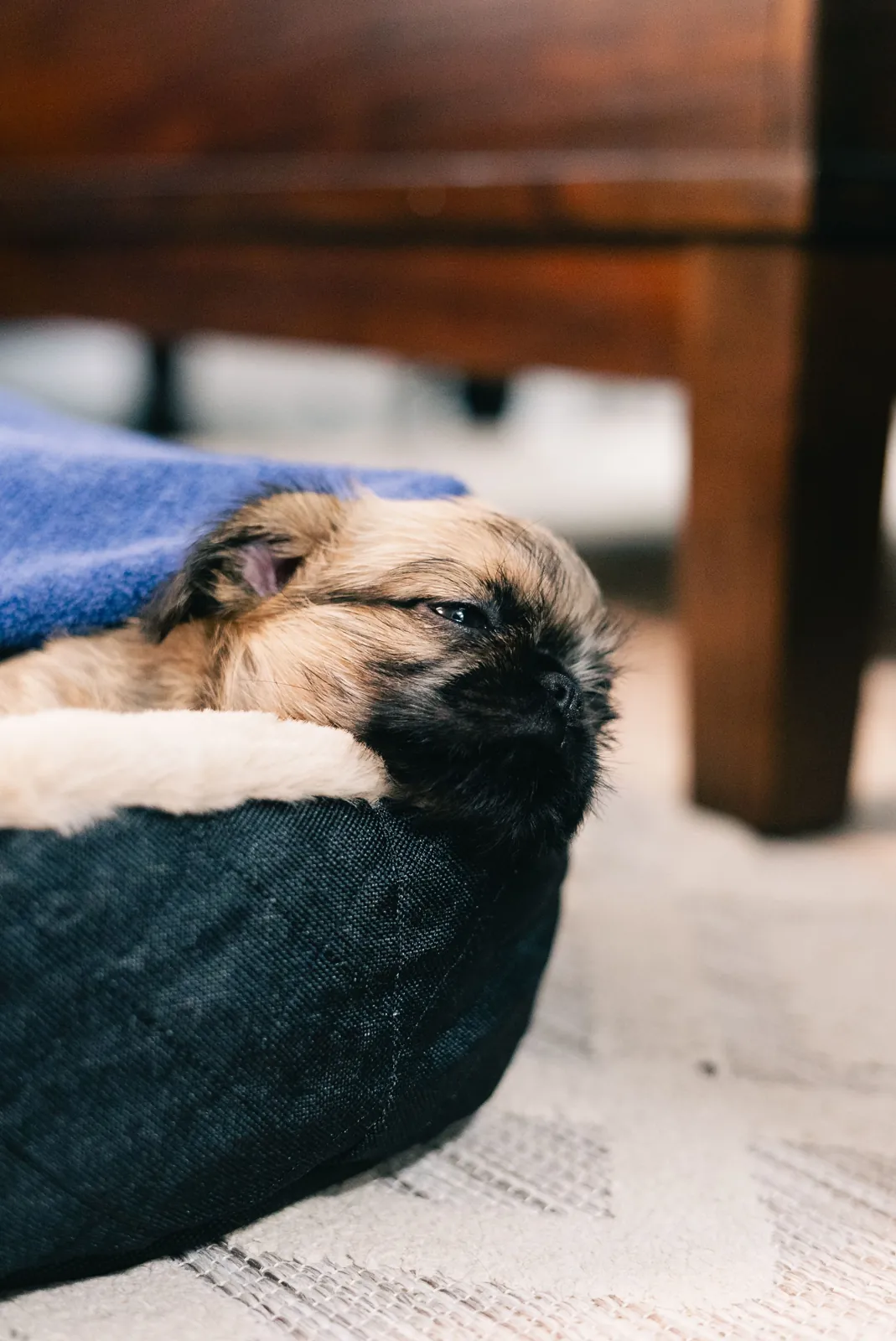
Dogs Trust recommends gradual introductions at the puppy’s pace. Do not make a puppy wait for a set period of silence before a needed bathroom trip or help with distress. A recently emptied bladder does not rule out fear, discomfort, or another problem.
Call your vet about repeated straining, pain, blood, unusually frequent small pees, or an unexpected change. If the puppy tries but cannot pass urine, seek immediate veterinary help, as PDSA treats inability to pee as an emergency. This guide does not diagnose urinary problems or use training to replace assessment.
Clean accidents with a pet-suitable product according to its directions and review the next opportunity. Never rub the puppy’s nose in a mess, shout, or use the crate as punishment. The RSPCA advises against punishment for accidents and recommends frequent trips during early training.
Plan nights, absences, and a humane alternative
Early training needs proactive access. The RSPCA describes trips every 45 minutes to an hour, depending on age, as well as after waking, meals, play, and excitement. That is a starting point for opportunities, not a promise that the puppy should wait until a timer rings.
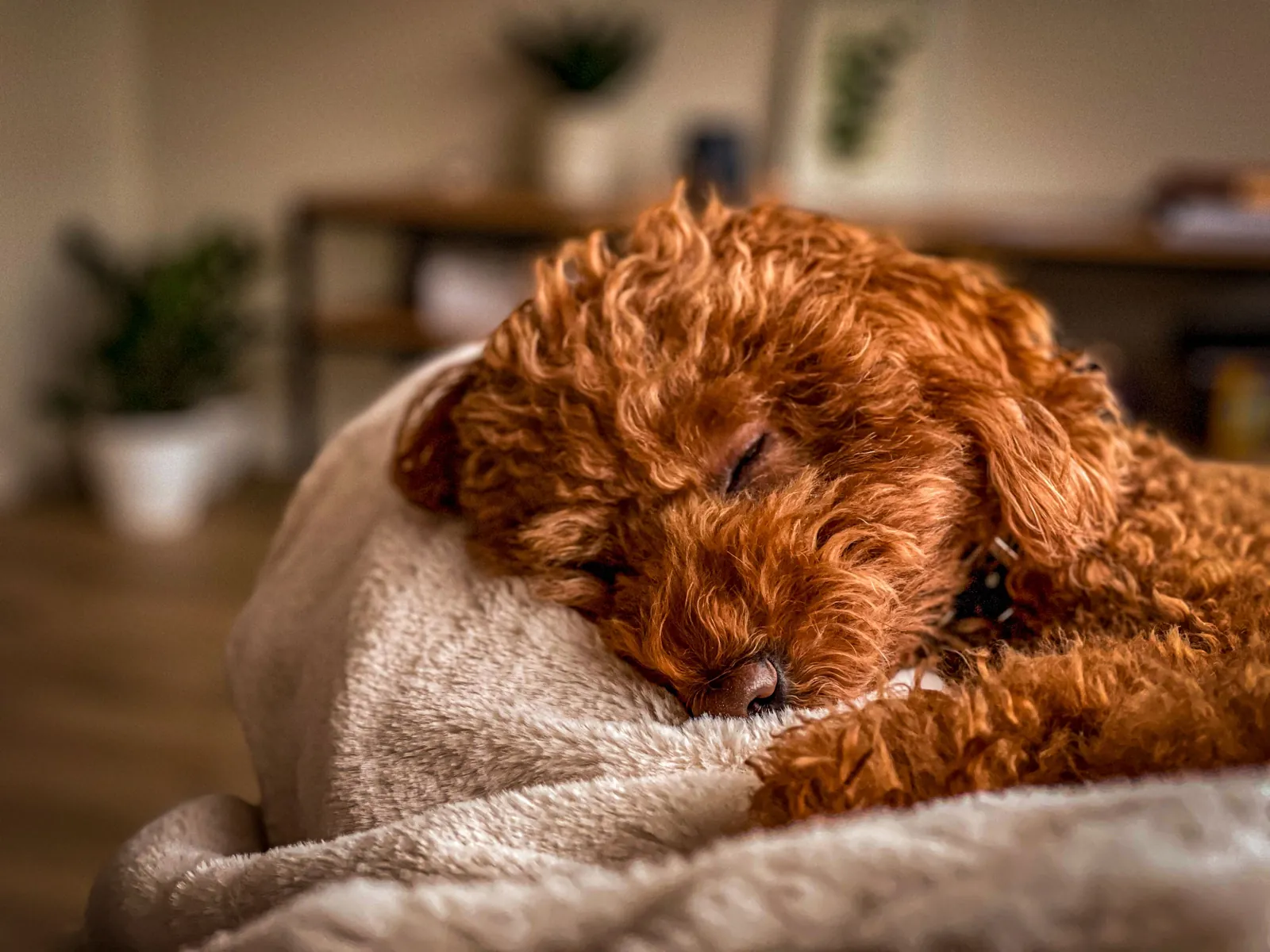
At night, keep the puppy close enough to notice waking and arrange calm bathroom access. During the day, use a workday care plan when you cannot provide trips yourself. An age formula or dry night does not establish readiness for a long daytime absence.
If a crate is unsuitable, discuss a puppy-proof room or secure pen with space for rest, water, movement, and an appropriate bathroom option when needed. Introduce barriers gradually too. A written sitter handoff helps every caregiver maintain the same welfare-focused plan.
There is no guaranteed finish date for house training. Review the pattern with your vet or a qualified reward-based professional when progress is difficult, and explore the dog training hub for related learning skills. Your next step is one comfortable rest and a timely, rewarded bathroom opportunity.
Frequently asked questions
Do I need a crate to potty train a puppy?
No. A crate is one optional management tool, and it must suit the puppy. Close supervision, frequent appropriate bathroom opportunities, and prompt rewards remain central whether you use a comfortable crate, pen, or puppy-proof area. Choose a setup that meets care needs rather than forcing confinement because an online routine says it is required.
Should I crate my puppy after every bathroom trip?
No. A bathroom trip can lead into suitable play, exploration, learning, or other supervised activities, as well as rest when needed. A crate should not take the place of ordinary puppy life. Use it only at a comfortable training stage and within a plan that provides enough movement, company, water, and timely bathroom access.
What if my puppy does not pee outside?
Stay calm, return to close supervision, and offer another appropriate opportunity soon. Do not mark the outing as successful unless you saw the puppy go. Avoid leaving the puppy to wait for a long period in the crate as a test. Ask your vet if repeated attempts, discomfort, or changes in urination concern you.
Does peeing in the crate mean it is too big?
Not necessarily. Consider the actual care interval, whether the puppy peed on the previous trip, distress, bedding, and possible health changes. The crate must still provide full comfortable movement and rest. Do not make it so small that the puppy cannot stretch. Repeated accidents deserve a broader review rather than one automatic size change.
Can I leave a puppy crated overnight without breaks?
Do not assume that an individual puppy can stay comfortable through the night. Plan access, offer a trip before bed, and respond to waking or signs of need. Keep nighttime care calm and practical. A dry night does not prove readiness for a long active daytime wait, and water or needed breaks should not be withheld.
How long does crate-assisted potty training take?
There is no guaranteed timetable for an individual puppy. Comfortable crate learning and house-training progress can develop at different rates, so do not combine them into a single deadline. Track actual bathroom opportunities and the puppy’s comfort. Ask your vet or a qualified reward-based professional for help if repeated accidents, distress, or uncertain progress persist.
Sources and editorial notes
- Humane World: bathroom routine, rewards and supervision
- Dogs Trust: crate comfort, room to stretch and water access
- RSPCA: frequent bathroom opportunities and no punishment
- PDSA: difficulty or inability to pass urine
- MidWest crate instructions: remove collars, tags and leads
Animalia Editorial. Last reviewed: October 22, 2026. The crate-to-bathroom sequence and record table are editorial planning tools, not a confinement schedule or tested speed claim. This narrow guide supports optional crate use within a humane potty routine; it does not extend holding limits. Manufacturer instructions inform catching-hazard precautions only. Editorial standards: Animalia Editorial Policy.
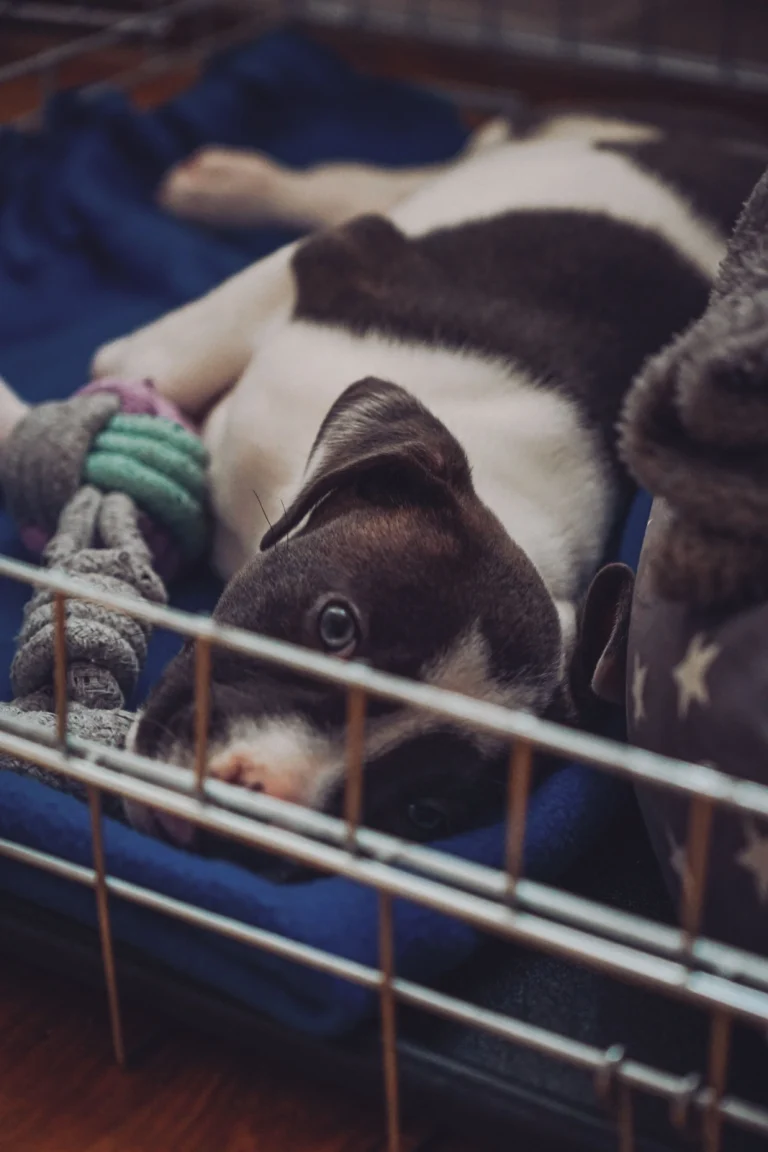
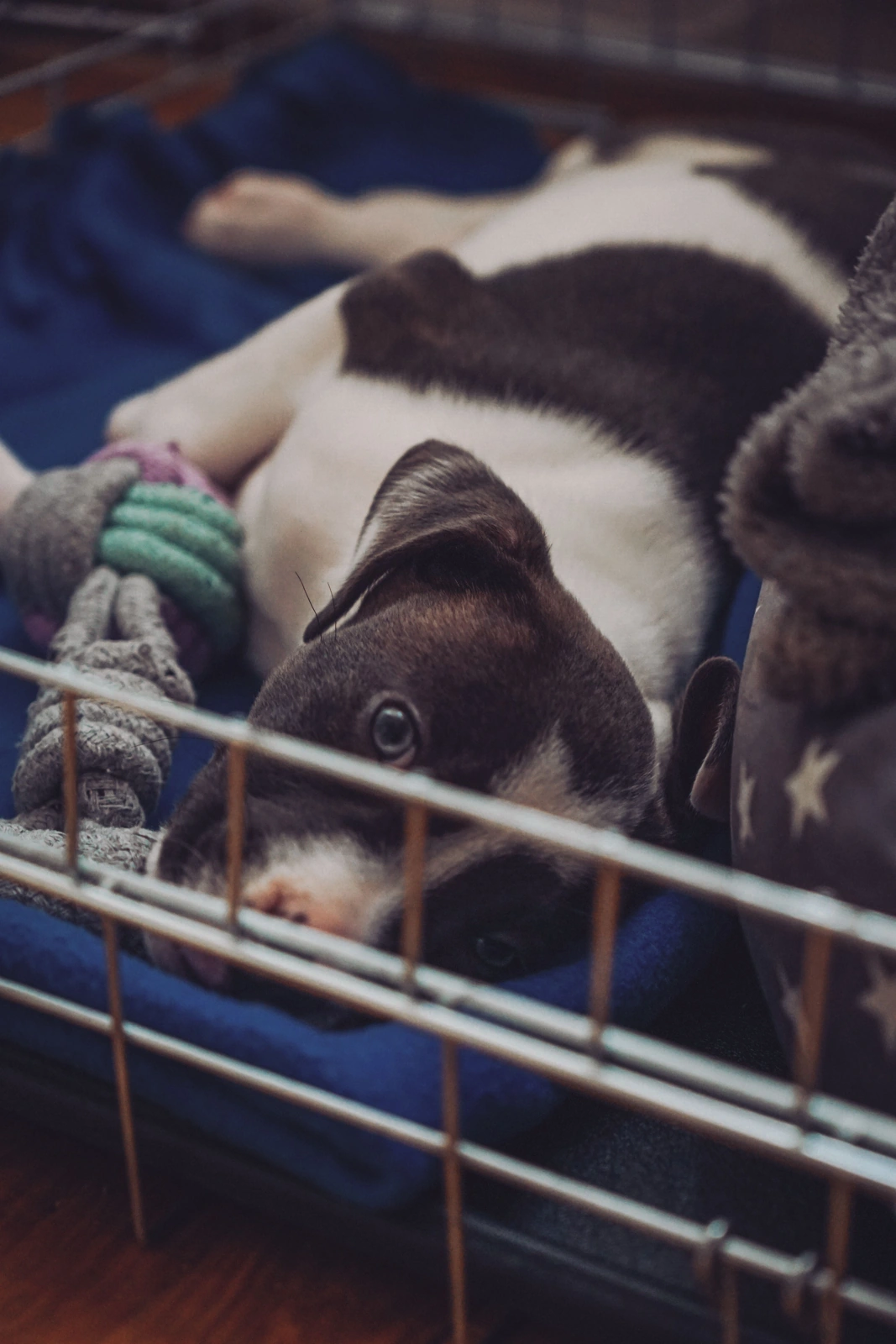
Featured photo: A puppy rests on bedding in a wire crate; the photo does not establish door position. Photo: Tibor Szabo / Pexels.
Prepared with AI assistance and reviewed against the sources above.